Reading Navigation
This content is grounded in peer-reviewed research, clinical guidelines, and established best practices. Claims are reviewed for accuracy and transparency. Learn more about our evidence standards
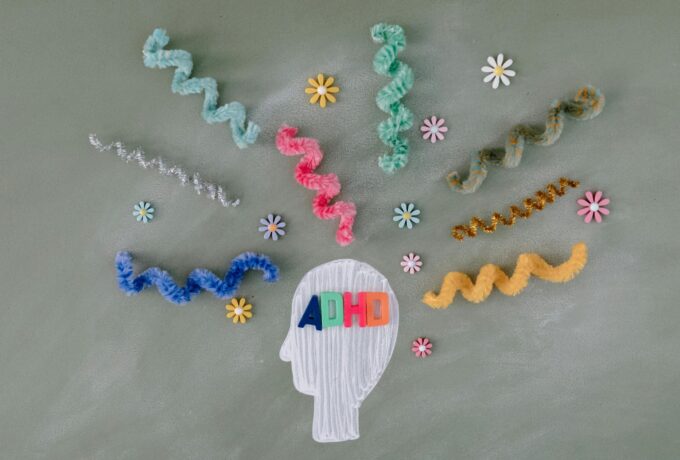
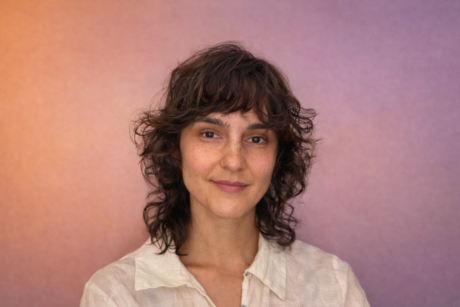
Unmasking ADHD: Samantha Hiew on Late Diagnosis and the Layers We Don’t See

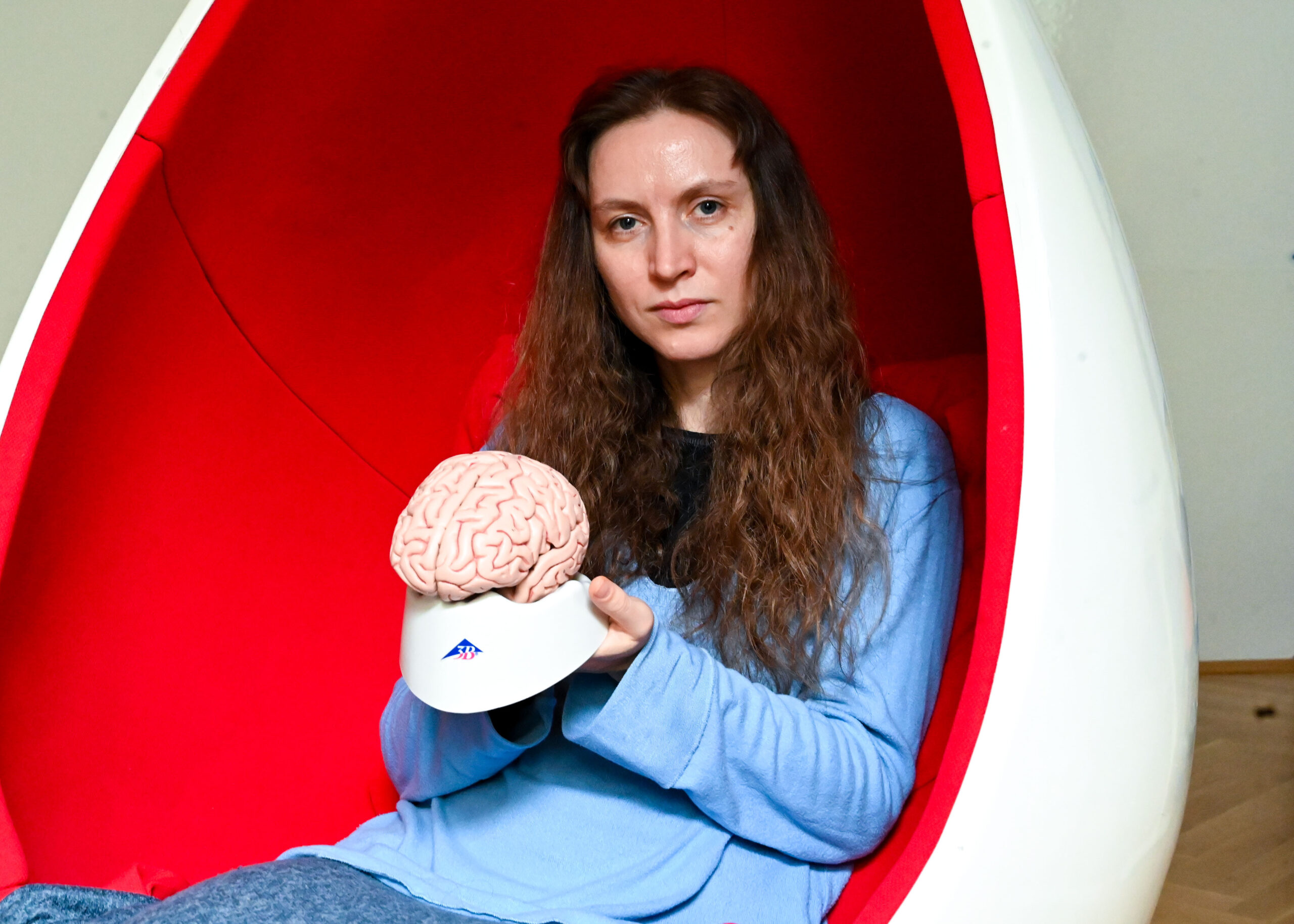
By the time Samantha Hiew was diagnosed with ADHD, she had already crossed continents, earned a PhD, and moved through a dozen different careers. On paper, things were moving forward. But something just didn’t add up.
A mother, scientist, and multi-career professional — and finally, at 40 years old, life changed. She had found some clarity.
This late diagnosis was a revelation, but also just the beginning. Four years later, a diagnosis of autism followed. Finally, there were words and definitions for what she was experiencing; but then came the work of sifting through the new perspectives.
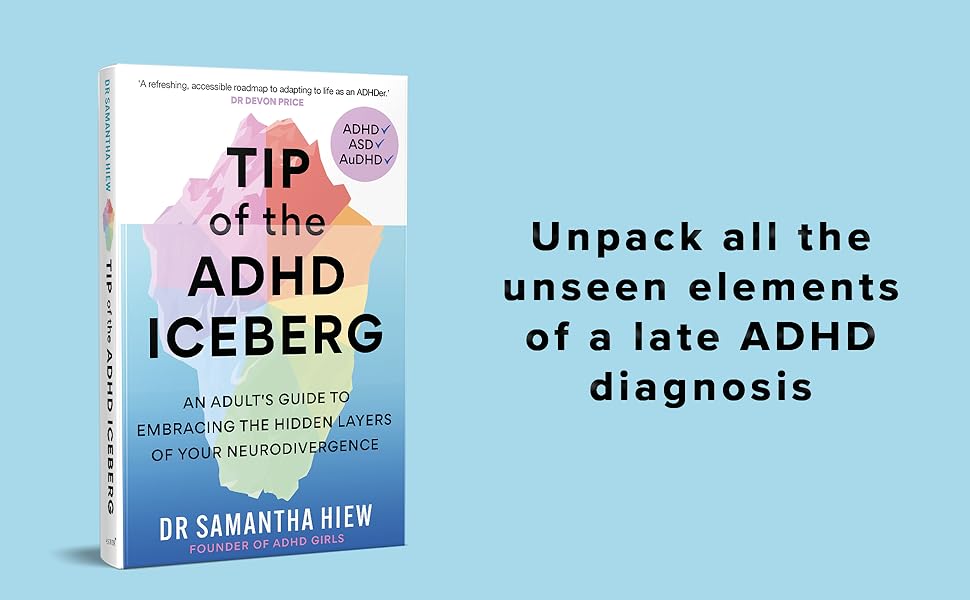
We spoke with Dr. Samantha Hiew about these experiences and her new book, Tip of the ADHD Iceberg.
Diagnosed at 40: A Discovery That Changed Everything
“Up until the age of 20, I was very single-mindedly focused on getting a PhD in cancer research. Later I got a scholarship to come to the UK from Malaysia to study.” But once in the UK, things changed.
“It really brought the ADHD traits out,” she says. “Very fun times, lots of self-medicating with alcohol, partying. But then my studies went downhill.” Despite a last-minute academic comeback, she recalls, “I was about to go to a job interview at Harvard when I completely lost confidence in myself as a scientist.”
The next decade was marked by instability. “I went into 16 different industries. My career had just gone … horizontal … I was moving but not really going anywhere. I’ve heard this is very common for autistic ADHDers who have “squiggly” careers.”
At 40 came the diagnosis. Then she founded ADHD Girls and found a way to make sense of her patchwork journey. Seeing similar traits in her children confirmed what she’d long suspected: “It is real. It’s not a trend.”
Her work and her book are attempts to dig deeper into this often hidden landscape, to help define and bring clarity to what for many people is often unknown. “So much of what we go through is invisible,” she says. “My experiences aren’t necessarily adequately represented in psychiatry. So I wrote that book to try and support those of us who are perhaps not included in the system.”
ADHD Diagnosis, Perspective, and Compassion
For Samantha, the diagnosis offered more than a label. It provided an opportunity for self-understanding.
“It was so useful because I went down to the molecular level to try and understand why. Why I seem to be able to handle stress until it gets too much. Why words sometimes fail me. Why I have difficulty task-switching.”
It also exposed how harsh she had been with herself. “You learn to be so ableist with yourself, because so many of us have felt like we had to compensate for the low self-esteem that can come with not understanding why your brain doesn’t always follow the programme.”
Self-ableism. An interesting perspective. Another way we’re hard on ourselves when we don’t measure up to some external standard.
That pressure, particularly in achievement-focused cultures, can be intense. “Especially in my background, it’s very much like that. You know, the Asian backgrounds, you must achieve, must earn, must be someone. Something, you know, worthy.”
“For me, it’s always been double down. Do more, try harder. And you just have this underlying feeling that I’m not good enough if I don’t work myself to death. And it then becomes a bit of that self-harm exercise where you need to rest now, but you can’t.”
“This work has helped me understand what I’ve been doing to myself. And, what I also expected of other people, to go beyond their capacity. And that’s been a really humbling experience, both in myself and in relationships.”
So when the ADHD diagnosis finally arrived, it didn’t just offer an explanation. It offered relief. And a chance for compassion.
The Trouble With Labels
Adding a label to something. Naming it. Very important for those who’ve suffered in a sort of innocent unknowing. Yet can these labels be limiting? Too narrow?
When asked whether having labels like “ADHD” and “autism” helped make sense of her experience or just added more questions, Samantha reflects on the limitations of language.
“So what I struggled with from the beginning is trying to understand what people were talking about in terms of ADHD and autism and how I then related to it, which was very little.”
The diagnosis helped — but didn’t tell the full story. ADHD and autism are big categories that move on spectrums. And can look different when layered with gender, culture, trauma, and hormonal changes.
“There were a lot of things that I felt when I was younger, but suddenly I’m 40. The more invisible challenges, the mental health challenges, relationship challenges. These are not the things you can find in the DSM (Diagnostic and Statistical Manual of Mental Disorders1).”
Her approach now blends science with lived experience. “My work has been to uncover the science behind what actually is responsible for our human experience, but also the lives that we’ve had, the cultural conditioning, it also shapes the person that turns out in front of you today.”
If there are so many other factors that can influence a person’s state of mind (pardon the pun) do we have to worry about the risk of over-simplification? Over-diagnosis?
“Yes, it’s really interesting. Despite being raised in different regions of the world, there are some unifying traits that are caused by certain gene variants. But also what is the person’s culture telling them to do? If from a very young age, we were told to be seen and not heard, then you’re more likely to try and stifle or suppress. And if you know part of you is not accepted, you also try to create personas that help people like you. And it then becomes really hard to see the person and the traits that psychiatrists are looking for when you do the assessment.
“That’s why I train mental health professionals now on autism and ADHD through the intersectional and scientific lens so that they can whittle through the layers of identity to really try and understand what are we looking for here? How do we support somebody? Rather than just say, this is a list of traits which many people don’t fit into. It’s not a neat box for so many of us.”
This conversation sparks perspective. People may share some base neurological traits or conditions — but there’s an endless list of factors that can exacerbate potential ADHD symptoms. In the noble push to give it a name, to give people a way to finally define what they’ve been battling, do we risk moving too quickly? Samantha’s focus on an intersectional lens seems intuitively valuable.
“You don’t have to be intersectional to be invalidated in an assessment, because so many of us have different lives. And a lot of the time neurodivergent people have managed to mask and hide their differences. That’s when the burnout or the mental health challenges can start to crop up. And that’s when people wonder what’s wrong with them. And they go to the GP and they say, here’s an antidepressant, here’s anti-anxiety medication.
For example, for women, we go through so many hormonal changes in our lives every single month, but also during the larger transitions in our lives, like puberty, pregnancy after childbirth and perimenopause, menopause, you know, and also hormonal surgeries and chemotherapy, you know, things like that all affect hormonal changes that happen and that affects the face of ADHD and autism as well.
So it can manifest in so many ways, depending on who you see. So it’s important that people understand that actual context really changes the face of ADHD and autism.”
Working to Build a More Holistic View of ADHD
Through coaching, ADHD Girls, and her new book Samantha is creating what she wishes had existed for her.
“I hold community events, I train mental health professionals, and autistic ADHD women on what ADHD looks like through a scientific and intersectional lens. People who graduate from it tend to tell me that my work needs to go mainstream. I want to help make healthcare more safe.”
She also works with corporate clients on “humanising neurodiversity” and adding to women’s empowerment and giving leadership masterclasses. Her goal? Training, education, supporting, and changing the narrative for systemic change.
As our conversation wraps, we speak about the broader paradigm shift happening in mental health — from medication-based models to psychedelics and more holistic, root-cause approaches.
“We are humans and humans are very nuanced, and so diverse. So we can’t all be measured by one standard. For some people, knowing in itself is enough and they start to change their lifestyles and change the way they do things.”
For more on Samantha Hiew's work, visit ADHD Girls website and find her new book here.
 Expert Board Member
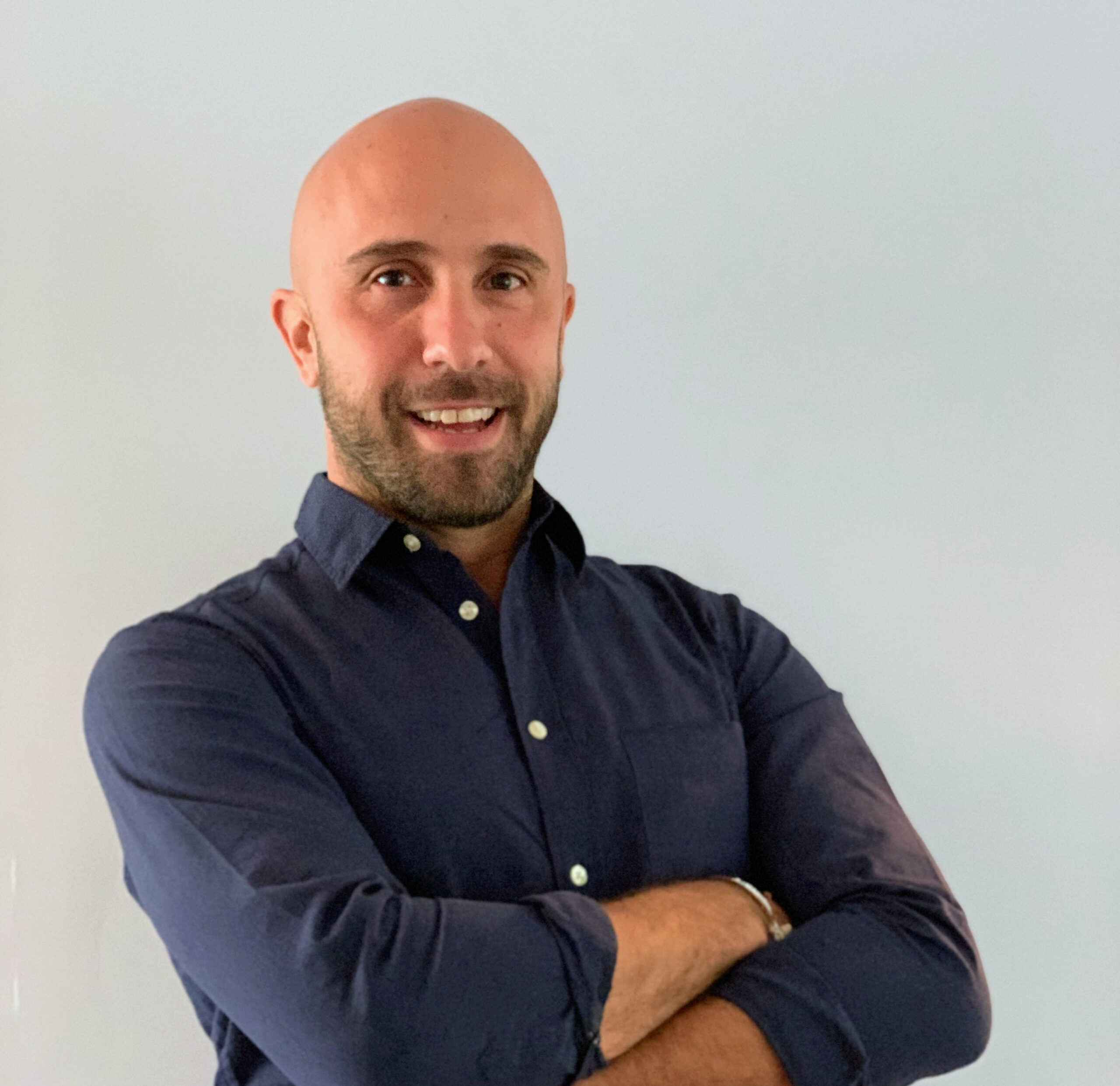
Knowing oneself is a life-long challenge. For a neurodivergent person, this challenge can take exacerbated proportions. Samantha Hiew describes her struggle with ADHD and autism, puts it in the context of her cultural background and justifies her current professional direction, aimed at turning neurodiversity in social progress. What she does at an individual level seems to align well with the research domain criteria (RDoC) approach in human studies.



 Netherlands
 Paola, Malta

 Hamilton, United Kingdom