Reading Navigation


This content is grounded in peer-reviewed research, clinical guidelines, and established best practices. Claims are reviewed for accuracy and transparency. Learn more about our evidence standards
Best Tools and Gadgets to Manage Adult ADHD
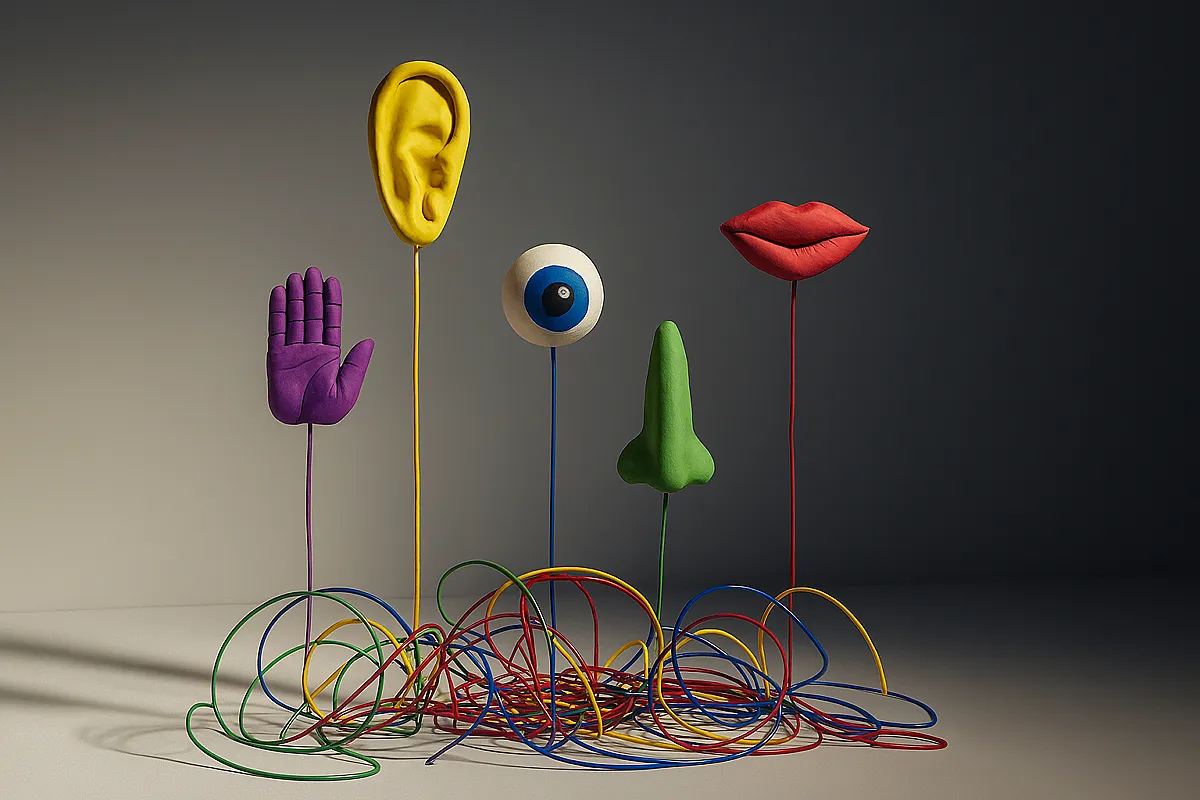
- The most effective ADHD management tools make time, tasks, and priorities easier to organize and work with.
- Start with 1 or 2 tools to support focus, rather than buying too many at once. This helps the brain avoid overwhelm.
- The most effective ADHD focus tools help you reduce distractions and calm the nervous system.
- The best tools for ADHD are the ones that you use and that fit into your lifestyle, not the most expensive or complicated ones.
- Simple ADHD reminder tools can improve productivity more than complex systems.

Why ADHD-Friendly Tools Matter in Adult Life
When you think of ADHD in children, you might picture the hyper, wound-up child who cannot sit through class. However, adult ADHD shows up in different ways and does not always involve visible hyperactivity. ADHD in adults, including the predominantly inattentive presentation often referred to as ADD, is a neurodivergent condition1 that can cause time blindness, feelings of overwhelm, difficulty initiating tasks, frequent misplacing items, emotional reactivity, and difficulty sustaining focus for longer periods or in distracting environments. At the same time, many adults with ADHD experience periods of hyperfocus, making it difficult to switch tasks once they are deeply engaged.
Tools for people with ADHD can support adults in several ways. One common difference in people with ADHD is altered time perception2. Many people with ADHD struggle with time awareness, which can make it hard to plan tasks and accurately estimate how long they will take. Tools designed to support ADHD can help reduce distractions, support planning, and calm the nervous system, making it easier to initiate and maintain focus. These tools are not a replacement for treatment, but they can meaningfully support daily functioning. In this guide, you’ll explore practical tools that help adults with ADHD manage time, reduce overwhelm, and sustain focus.
Why Adults with ADHD Benefit from Specialized Tools
ADHD affects executive functions, including planning, working memory, inhibition, and self-regulation. As a result, many people with ADHD feel frustrated when they struggle to complete tasks. This is not laziness, and trying harder alone rarely resolves the underlying difficulties. The right ADHD aids for adults can help with:
- Time awareness3 and initiation: Tools can help break tasks into smaller, time-bound steps, making it easier to start and reducing the risk of last-minute, prolonged work sessions.
- Working memory and follow-through: Tools help offload working memory and reduce distractions, supporting task completion.
- Task switching and overwhelm: Tools can support task transitions and reduce overwhelm by adding structure and clear boundaries between activities.
- Sensory regulation: When the nervous system is more regulated, focus becomes easier; certain tools provide sensory input that can help support this state.
Just telling yourself to try harder isn’t going to work, because the challenge isn’t motivation. The problem is organization, prioritization, and time management. Breaking down tasks and goals into smaller time blocks can reduce shame and overwhelm. Completing tasks builds a sense of accomplishment and a desire to continue. Using ADHD tools for work can improve your time management skills and confidence.
How ADHD Tools Work
Most ADHD tools support one or more of the following mechanisms:
1. Externalizing executive functions such as memory, time, and structure: If you are constantly trying to keep track of necessary tasks and timing in your head, it can become distracting and overwhelming. Tools that help with ADHD can move this information out of your brain and reduce mental load and stress.
2. Reducing cognitive load and decision fatigue: If you try to think about a task as a whole and all of its smaller parts, it can be difficult to decide how to proceed and what to do next. Having a plan for next steps can free up energy to focus on the next right thing.
3. Supporting nervous system regulation through sensory input: Certain sounds,4 movements, environments, or pressures can either support or hinder attention. Some ADHD items provide calming sensory input to aid focus.
4. Creating friction or ease, depending on the goal: Tools that increase ease can help with task initiation (such as timers, journals, alarms), while tools that increase friction reduce distractions (e.g., website blockers or hidden apps). These are some of the most overlooked ADHD office tools.
Find Your Mental Health Support

 Germany
Francieli Favarim is a licensed psychologist based in Berlin offering integrative psychotherapy and depth-oriented support

 United Kingdom
 Patricia Taddei is a psychotherapist offering Core Process Psychotherapy.
Key Considerations When Choosing ADHD Tools and Gadgets
Before purchasing a tool, ensure it fits your lifestyle. Just because a tool is popular doesn’t mean it will work well for you. Choose ADHD tools that support your focus, rather than what works for other people. The tools should also be easy to set up and low-maintenance. The last thing you need during a busy week is an app that requires constant input and attention.
Furthermore, choose portable ADHD accessories you can use anywhere, as you are more likely to use them. In practice, inexpensive tools used daily are often more effective than expensive tools that go unused. Finally, avoid product overwhelm and select one tool category at a time to avoid analysis paralysis.
Categories of ADHD Tools and Gadgets
Time Management and Time Blindness
People with ADHD often have difficulty estimating how long a task will take and may become distracted during the task. This can result in chronic lateness, procrastination, and difficulty switching between tasks. The best ADHD gadgets for focus and time-management include:
Visual timers:
Evidence3 from skills-based interventions shows that training in time management, prioritization, and organization can improve functioning in adults with ADHD. Visual timers support these skills by making time more concrete and externally visible.
Examples: Time Timer, Tiimo app; the Secura mechanical visual timer is also a helpful ADHD management tool for busy adults.
Pomodoro timers:
The Pomodoro method involves working for 25 minutes, then taking a 5-minute break. This cycle counts as one Pomodoro. After 4 Pomodoros, a longer break of 30 minutes to an hour is inserted. Working for just 25 minutes doesn’t seem as overwhelming as completing an entire task.
Examples: Pomofocus, Pomodoro Timer.
Smartwatches and vibration alarms:
These devices can help you stay on task by prompting short, predetermined intervals to reduce overwhelm.
Examples: Apple Watch, Samsung Galaxy Watch.
Body-doubling platforms:
Body-doubling involves using the presence of another person to encourage focus. Research5 on co-presence and social accountability suggests that live calls, videos, social streams, or even pre-recorded content can help sustain attention.
Examples: Platforms such as Focusmate, StudyTogether, and StudyStream offer coworking opportunities. Lofi Girl is a popular YouTube animated character that studies with you (and her cat) with calming music.
Featured Products
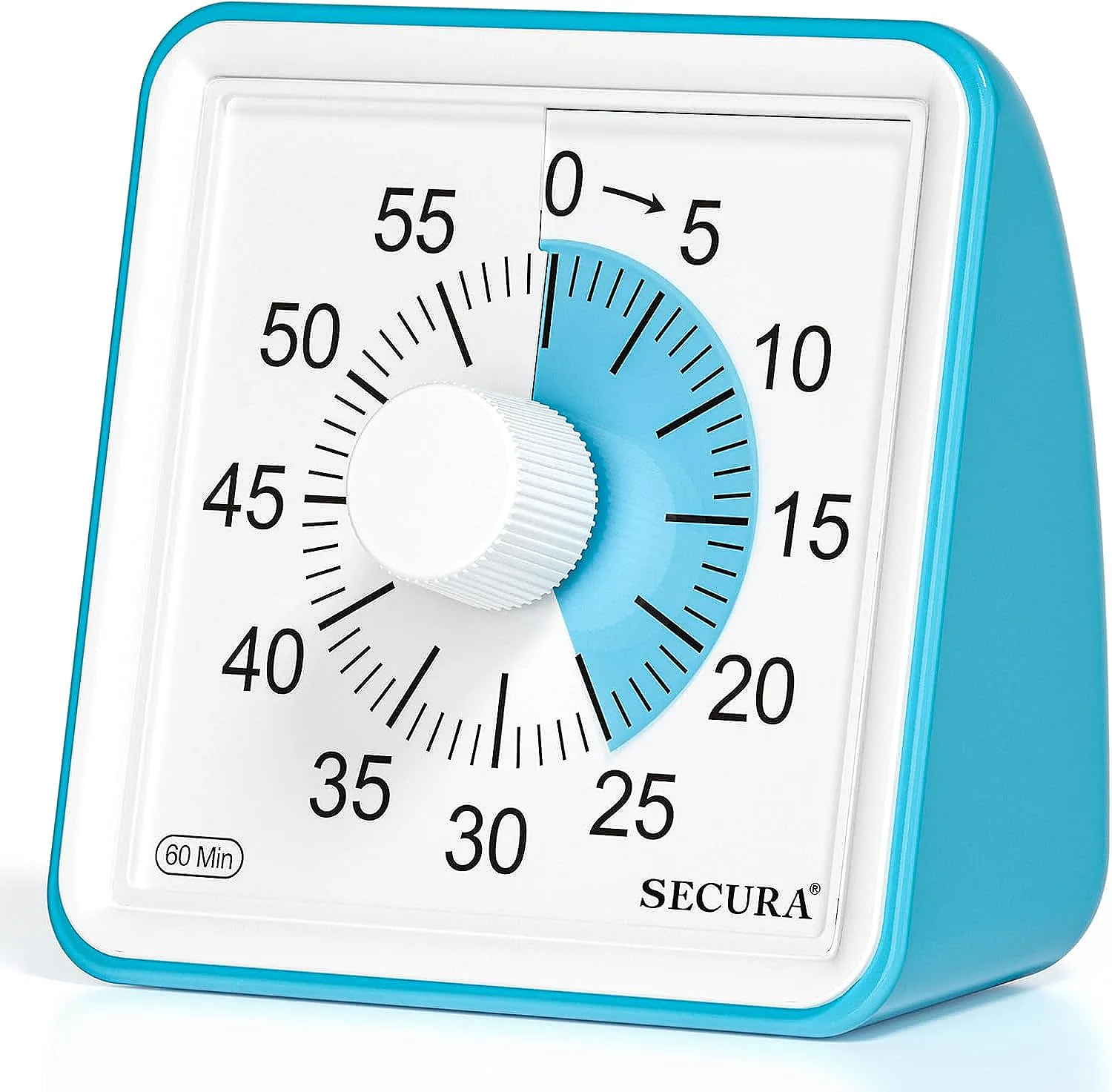
Secura 60-Minute Visual Timer
Classroom Timers, Countdown Timer for Kids and Adults, Time Management Tool for Teaching (Blue & Blue)
Classroom Timers, Countdown Timer for Kids and Adults, Time Management Tool for Teaching (Blue & Blue)

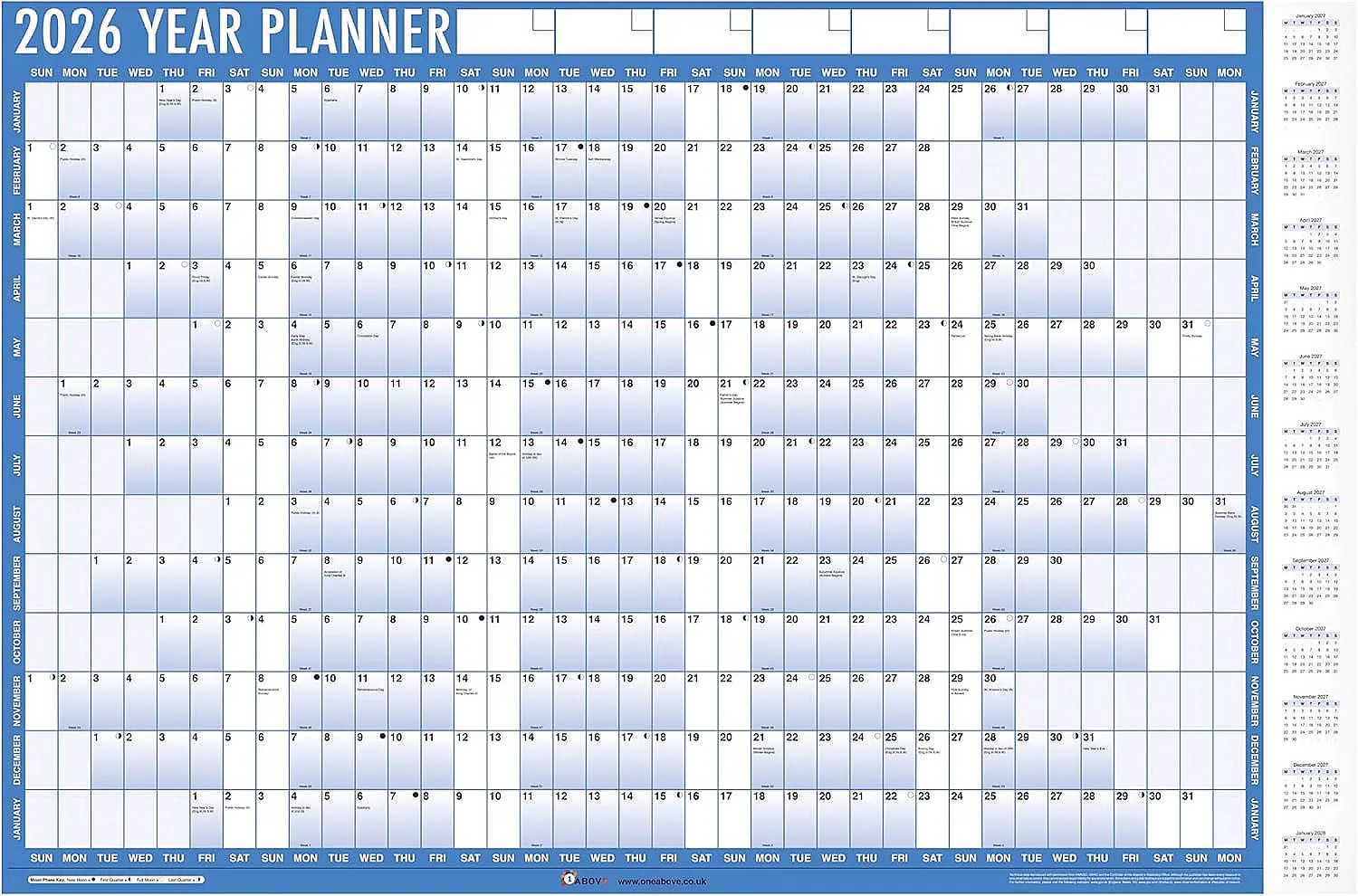
2026 Wall Planner
Large 85cm x 58cm Laminated Year Calendar with Stickers, Adhesive Dots & Dry Wipe Pen – Blue & White | Reusable Wall Chart for Home, Office or School
Large 85cm x 58cm Laminated Year Calendar with Stickers, Adhesive Dots & Dry Wipe Pen – Blue & White | Reusable Wall Chart for Home, Office or School
Task Initiation and Follow Through
These types of tools can help you start that task you have been procrastinating about and help you break it down into manageable steps.
Simple to-do and reminder apps:
These tools are often already present on your smartphone, and can alert you about important tasks and due dates6 so you aren’t late on projects.
Examples: TickTick (also has Pomodoro timer), Sunsama, Tiimo, Finch.
Habit and streak trackers:
These types of apps and journals can help you track your progress, which can reinforce a sense of accomplishment and continuity.
Examples: Habitica and Habitify apps.
“Next-Action” planners and prompts:
Because the best way to finish is to start, focusing on the next right thing rather than the whole task can reduce overwhelm. Bullet journals and prompts can help you break tasks down into steps. These can be helpful ADHD tools for work when projects feel like too much.
Examples: Morgen, Todoist.
Accountability tools and check-in systems:
Some tools can help you schedule coworking appointments or connect you with people with similar goals so you can help keep each other on track. These are practical tools to help with ADHD when you struggle to initiate tasks alone.
Examples: Flow Club, Due, Forest app.


Organization and Planning Support
If you have difficulty keeping up with tasks, feel overloaded with everything you have to do, or struggle with clutter, you might benefit from an organizational tool:
ADHD-friendly planners:
These planners often have separate sections for months, weeks, and days, to help you break down goals into smaller components and track your progress.
Examples: Hobonichi planners, Panda Planner, Bullet Journal.
Digital task managers:
These apps can help you manage tasks digitally and integrate with digital workspaces or calendars. However, some systems have too many features and can become distracting.
Examples: Todoist, Trello, TickTick, Sunsama.
Whiteboards, wall planners, and visual dashboards:
Some people are visual, and having ADHD office tools in your workspace that capture swirling thoughts and move them to another surface can relieve stress. These tools can also help map your progress or support creative planning.
Examples: Kanban/Visual Boards, Magnetic whiteboard calendars, giant wall calendars.
Color-coding and labeling systems:
Sticky notes, folders, tabs, and other colored tools can help you organize your work into sections or subjects that are easier to remember and find. These ADHD supplies are an affordable way to organize tasks and materials.
Featured Products

Hobonichi Techo 2026
Original Book, A6, English, Daily, January Start, Monday Start, Planner
Original Book, A6, English, Daily, January Start, Monday Start, Planner
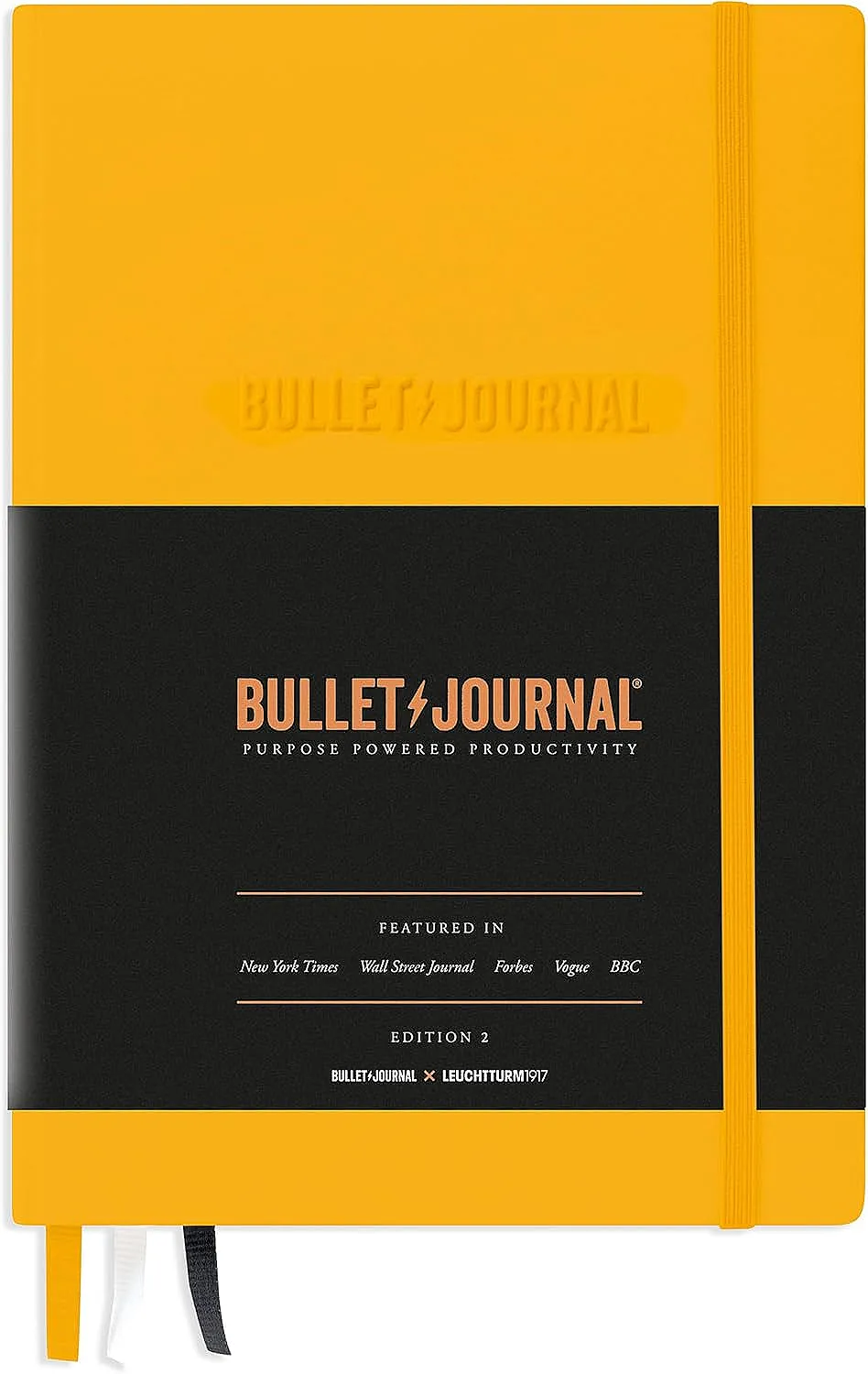
LEUCHTTURM1917 Bullet Journal
Edition 2, Medium (A5), Hardcover, 206 Numbered Pages, Yellow24, Dotted
Edition 2, Medium (A5), Hardcover, 206 Numbered Pages, Yellow24, Dotted
Focus and Distraction Management
These tools can reduce sensory overload from the environment to help you focus better:
Noise-canceling headphones and earplugs:
These headphones and ADHD gadgets for focus come in a variety of different styles and prices. However, the evidence is mixed7 on whether they help with focus.
Examples: Apple AirPods Pro, Soundcore Space One, Bose QuietComfort.
White-noise, brown noise, and focus sound tools:
White noise4 is a consistent sound containing all frequencies8 in the range of human hearing and is often perceived as neutral by the brain. This tool is fast-acting and available for free. Brown noise contains lower frequencies, which might be less irritating to some people than white noise. Some apps include binaural beats and other types of music to support focus.
Examples: “ADHD White Noise + Brown, Pink” app, Lofi study beats on YouTube, SimplyNoise.
App and website blockers:
These apps can help you if you find yourself wasting time scrolling on your phone or visiting websites. During your periods of concentration, you can use these apps to make it harder for you to access distracting content.
Examples: Apps such as Opal, One Sec, StayFocused, Freedom, ColdTurkey, and AppBlock.
Sensory Regulation and Nervous System Support
Sometimes people with ADHD experience anxiety, emotional dysregulation, and feelings of restlessness9. These tools may help calm the nervous system:
Weighted blankets10, lap pads, or weighted vests:
These tools provide calming physical sensations and pressure, which can help reduce restlessness and support a sense of calm.
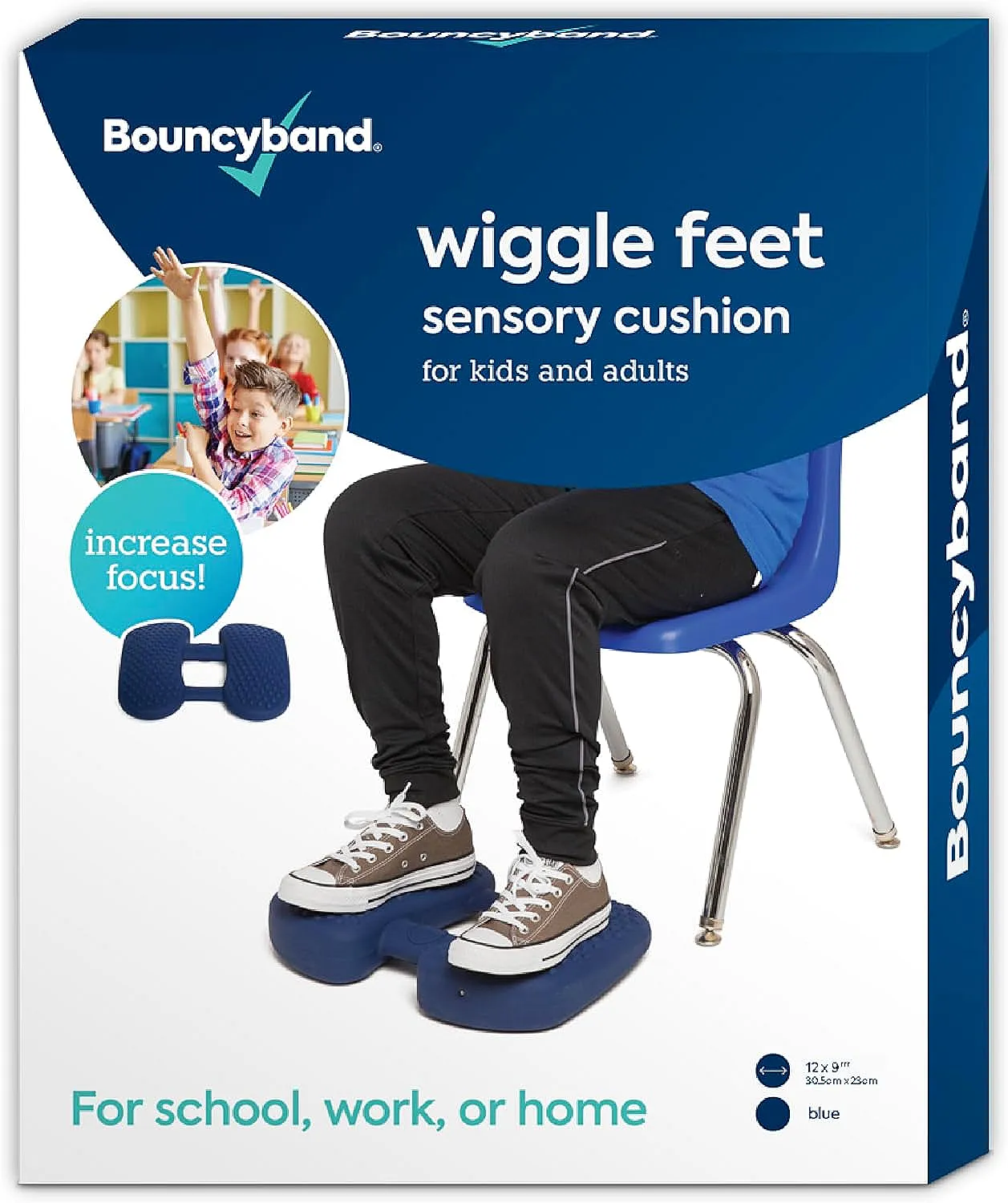
Sensory cushions, footrests, and desk mats:
These tools allow for movement or fidgeting to reduce restlessness. Some cushions allow rocking; flexible bands can be placed under a desk to provide a mobile footrest; and desk mats can offer sensory input.
Examples: Senseez Vibrating Pillows, Wiggle cushions, Bouncyband Wiggle Feet, textured desk mats.
Temperature-based tools:
A heating pad, a cooling pack, or a warm tea ritual can signal to the body that it is time to calm and focus, and are effective ADHD aids for adults.
Examples: Cold water therapy showers; heated, weighted products.
Featured Products
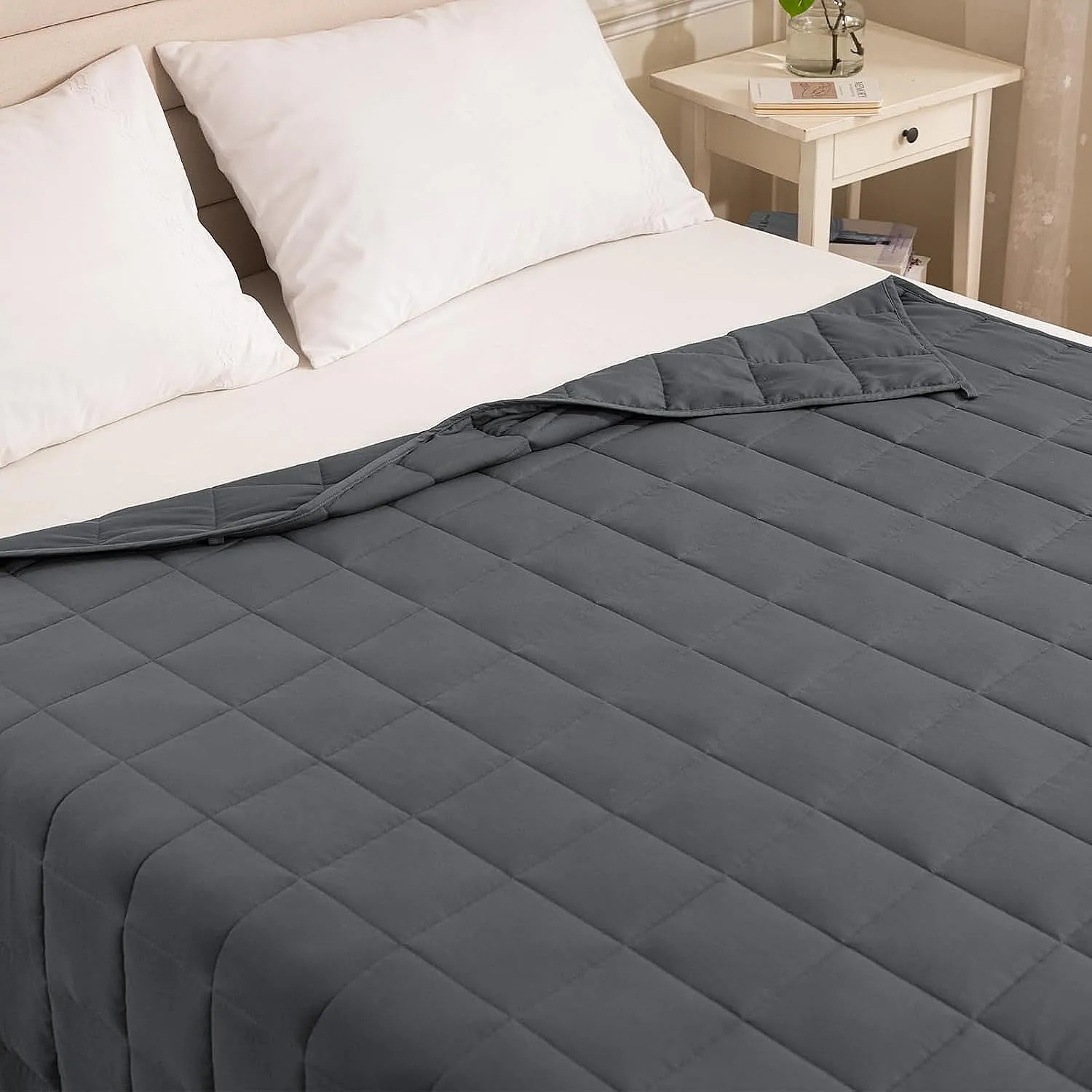
Good Nite Weighted Blanket
Adult Heavy Weight Blanket for Improved Sleep Relaxes Body (Grey, 8kg, 150x200cm)
Adult Heavy Weight Blanket for Improved Sleep Relaxes Body (Grey, 8kg, 150x200cm)
Fidget and Stimulation Tools
ADHD can be associated with differences in sensory processing11. For some people, movement can help regulate the nervous system12 and improve focus13 on a single task. Fidget and tactile stimulation tools are portable ways to help with focus. Examples of adult-friendly fidget tools include:
Fidget rings, cubes, and textured objects:
These tools can resemble everyday items, such as a pen, and can usually be discreetly held in your hand to provide a portable focus aid.
Examples: Spiky sensory rings, spinner fidget rings, Shashibo Shape Shifting Box, magnetic putty.
Stress balls and other tactile tools:
These ADHD accessories can help ease anxiety by dispersing nervous energy14. Stress balls are small and easy to hold, while other tools, such as magnetized pens, can be meditative and calming during less engaging activities.
Fidget tools can be helpful for some people, but they might be distracting to others. If a tool keeps your hands busy while supporting focus, it may be useful. If it becomes a source of distraction instead of support, it may not be the right fit. Your personal preferences play an important role when choosing ADHD tools that actually serve you.
Featured Products
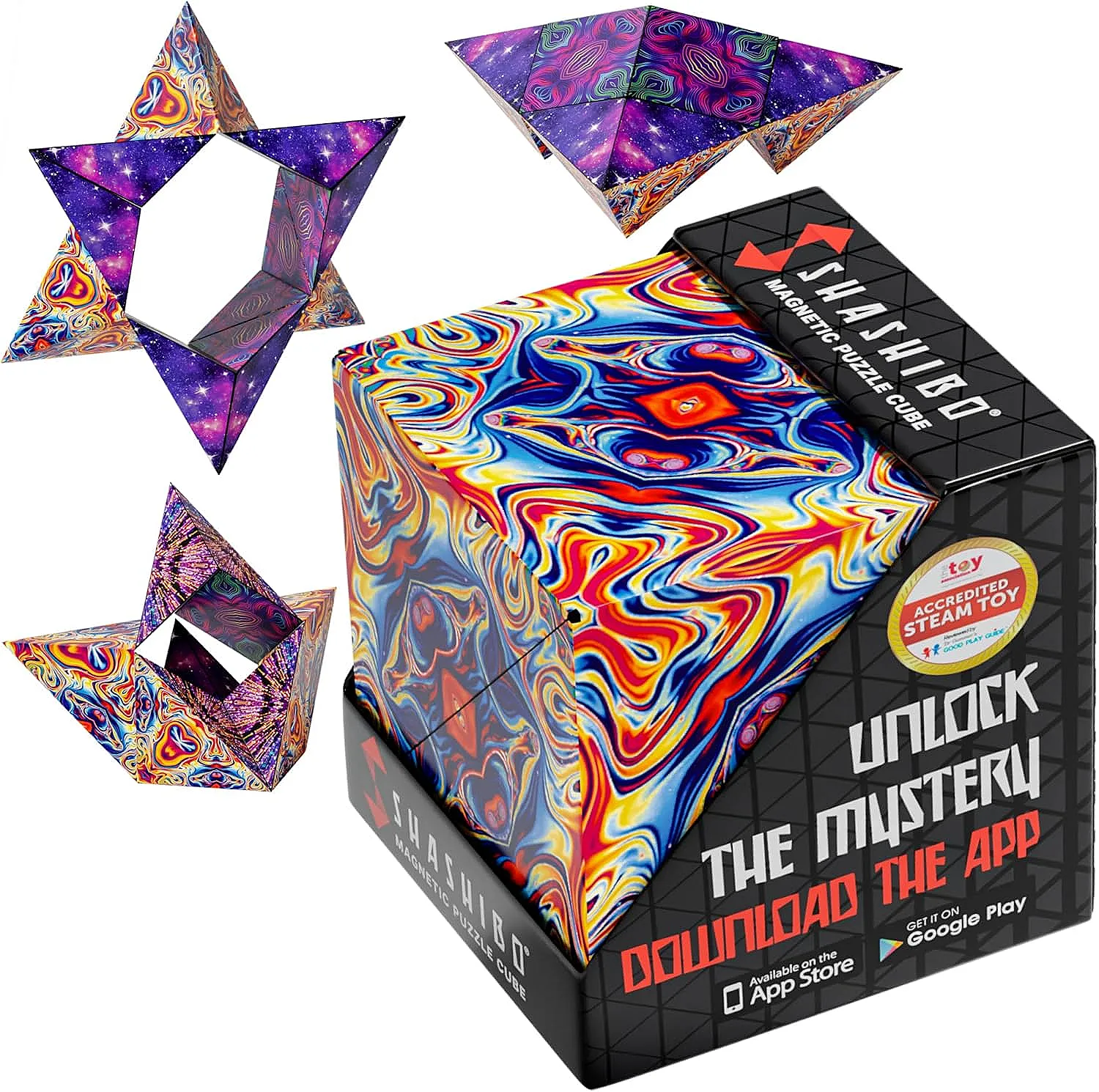
Shashibo Shape Shifting Box
Award-Winning STEM Fidget Toy with Ultra Strong Magnets – Puzzle Cube Transforms Into 100+ Shapes, Perfect Sensory Gift for Kids, Teens, and Adults
Award-Winning STEM Fidget Toy with Ultra Strong Magnets – Puzzle Cube Transforms Into 100+ Shapes, Perfect Sensory Gift for Kids, Teens, and Adults
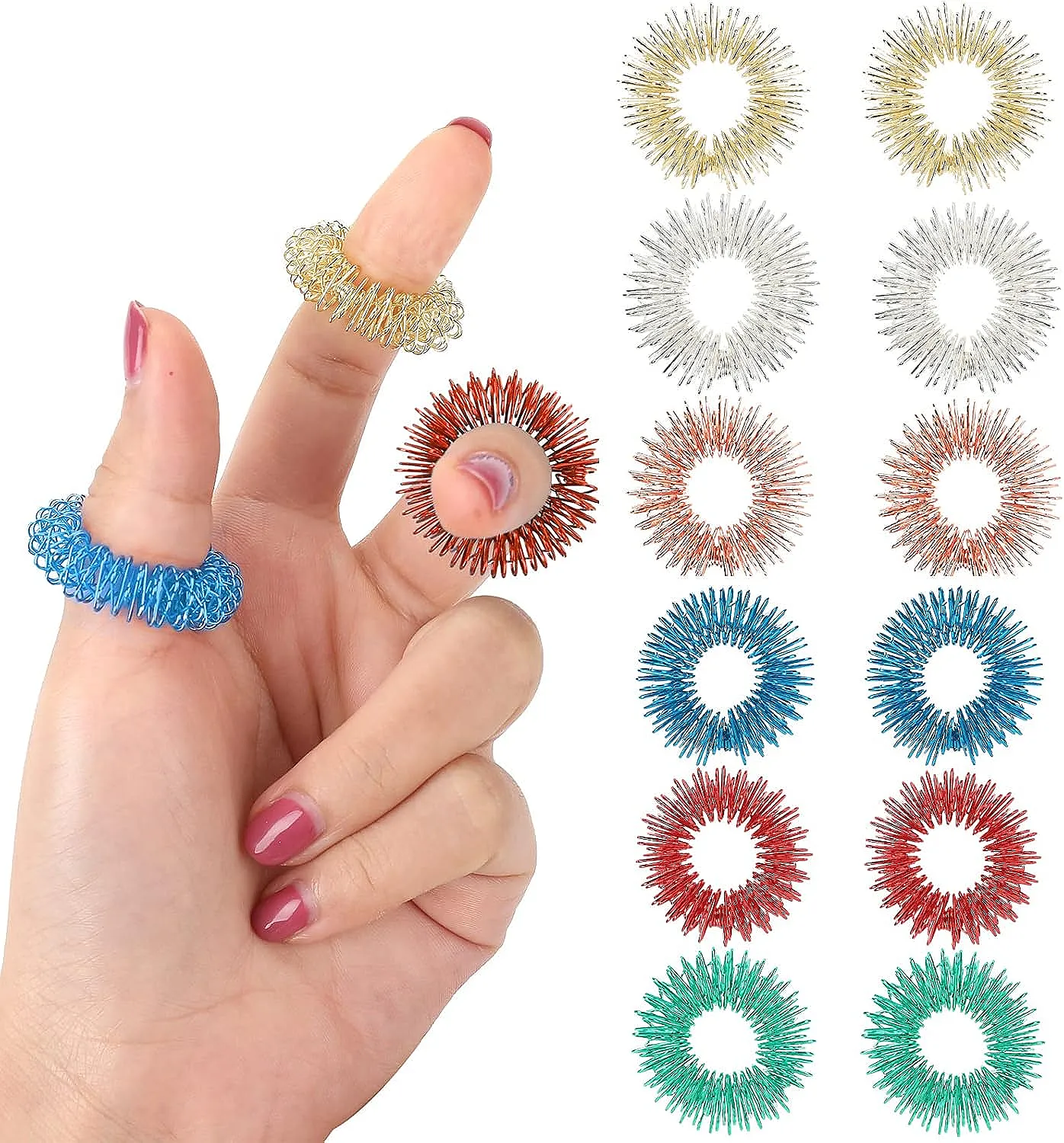
Spiky Sensory Finger Rings
Acupuncture Rings Fidget for Silent Stress Reducer and Massager Improves Blood Circulation
Acupuncture Rings Fidget for Silent Stress Reducer and Massager Improves Blood Circulation
Tracking, Finding, and Reducing Daily Friction
If you feel like you are constantly losing your wallet or your keys, it can be very stressful. Searching for your phone or other objects can waste time you could have used to focus. Tools to ease this stress include:
Bluetooth trackers:
These ADHD tools attach to items like wallets, keys, or bags to help you keep track of them.
Examples: Tile or Apple AirTags.
Dedicated drop zones and visual storage:
Some tools provide a designated storage area for your important items. An example is an organizer positioned near the entrance, with a spot for your keys, coat, and wallet or purse.
Examples: Vertical and wall-mounted storage, label markers, open-front baskets.
Clear bins and open shelving versus closed storage:
Sometimes it is hard to remember where you put something or what you have. Clear bins help you easily find items and are some of the most useful items that help with ADHD at home. You will spend less time rummaging through drawers and closets.
Medication and Health Management Tools
Remembering to take your medication on time or exercise are important ways that you care for yourself. Tools that help you stay your healthiest include:
Pill organizers:
You can purchase daily or weekly organizers, and some models attach to your key ring for portability.
Examples: AUVON XL Weekly, EZY DOSE Push Button, MEDca 4-Times-a-Day.
Medication reminder apps15:
Many people with ADHD struggle to remember to take their medications when dosing is required more than once a day. Dosing three times per day is even more difficult, making ADHD reminder tools even more important. These apps will help you track multiple medications and dosing times.
Examples: Medisafe, MyTherapy, Dosecast.
Tracking adverse effects and patterns:
It can be difficult to determine the cause of mysterious symptoms. There are ADHD products and apps that can track the effects of medications or even your menstrual cycle to give you more information about what could be causing issues.
Examples: Clue, Theraview, ADHD Health Storylines.
Featured Products
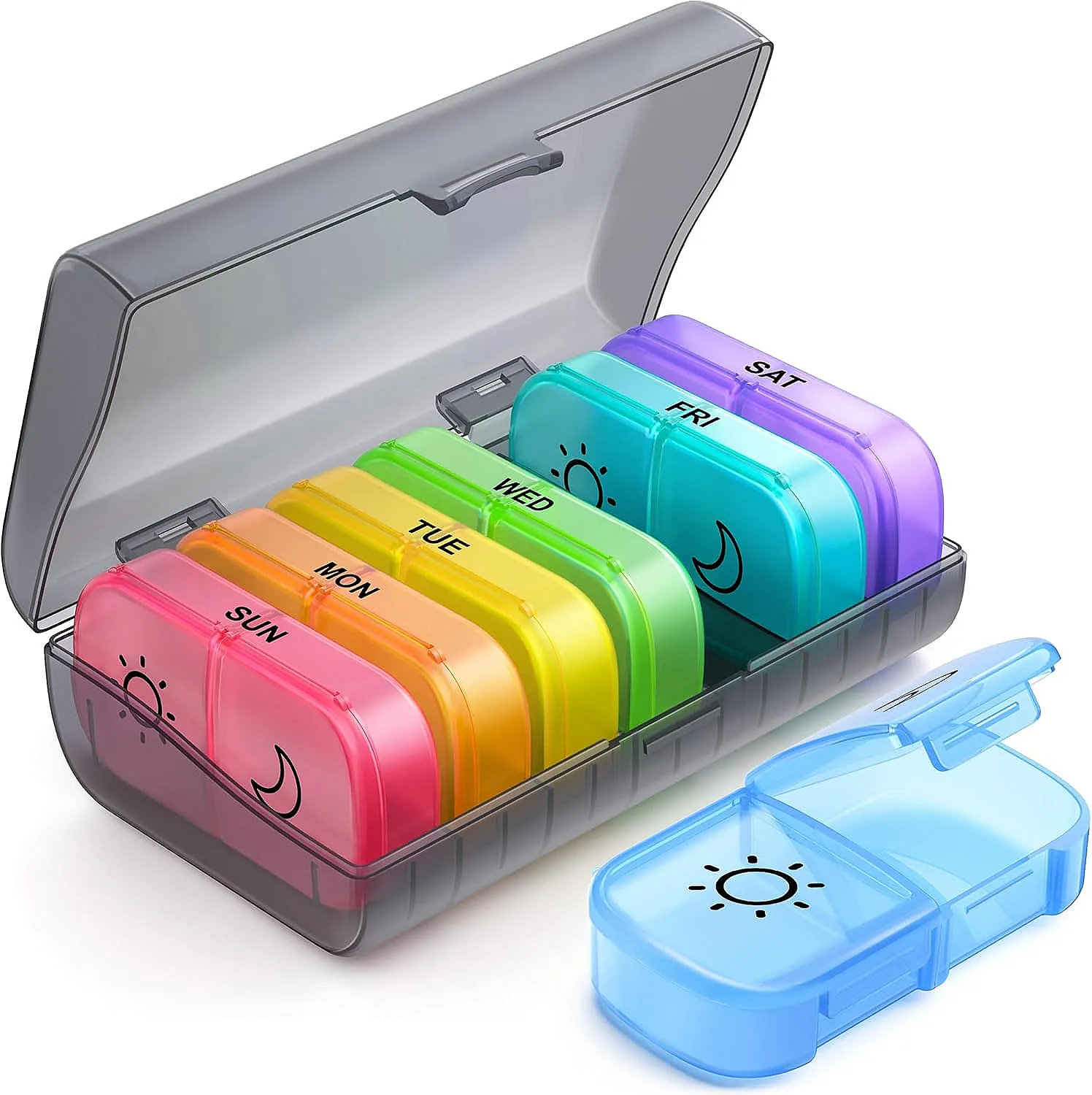
AUVON Pill Box Organiser
XL Weekly Pill Box 7 Day 2 Times a Day with One-Side Large Opening Design for Easy Filling, Tablet Organiser with Black Privacy Protection for Medication/Vitamins/Fish Oils
XL Weekly Pill Box 7 Day 2 Times a Day with One-Side Large Opening Design for Easy Filling, Tablet Organiser with Black Privacy Protection for Medication/Vitamins/Fish Oils
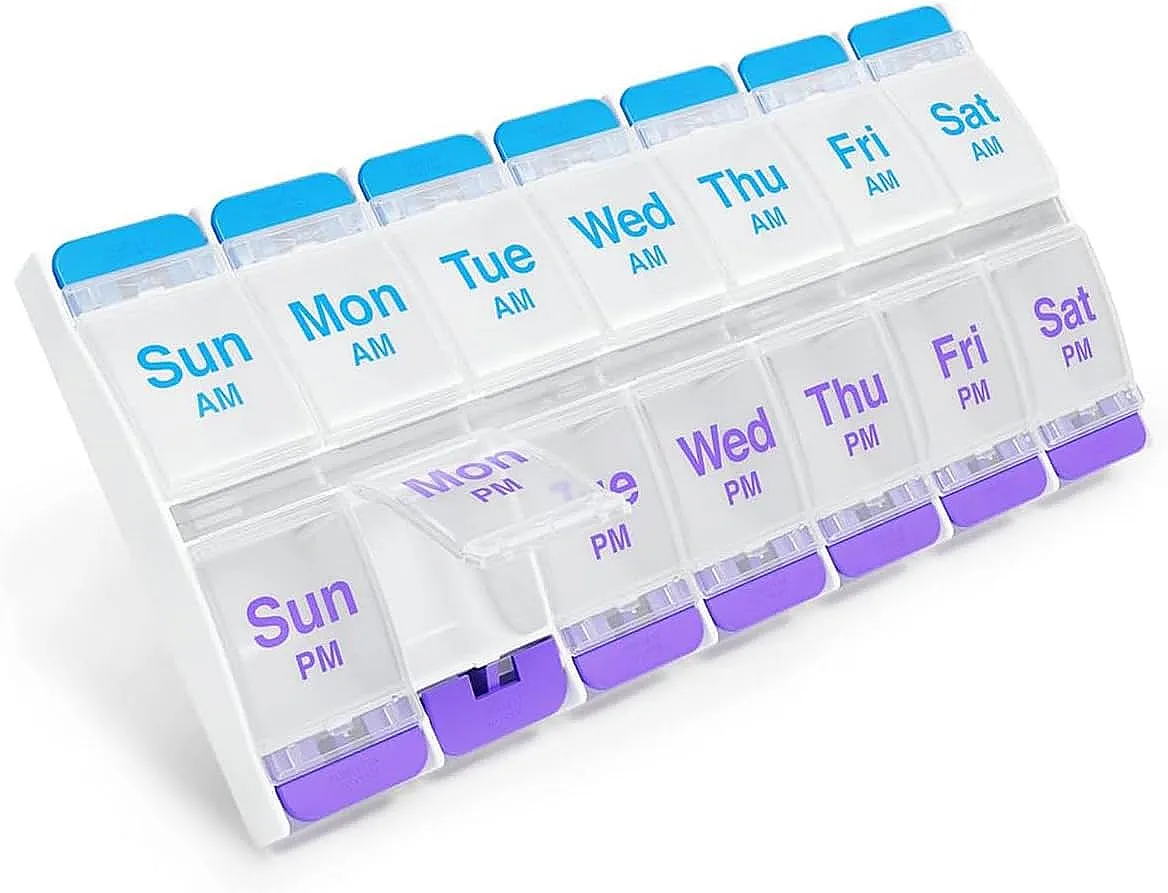
EZY DOSE Push Button
7-Day Pill Case, Medicine Planner, Vitamin Organiser, 2 Times a Day AM/PM, X-Large Compartments, Arthritis Friendly, Clear Lids, Purple and Blue, BPA Free
7-Day Pill Case, Medicine Planner, Vitamin Organiser, 2 Times a Day AM/PM, X-Large Compartments, Arthritis Friendly, Clear Lids, Purple and Blue, BPA Free
Workspace Optimization for ADHD Brains
If your workspace is cluttered, distracting, or uncomfortable, it can be difficult to accomplish work tasks. Examples of workspace aids include:
Standing desks and movement-friendly setups:
Prolonged sitting is not only unhealthy but can also cause many people to lose focus. Standing desks or under-desk treadmills provide movement that can help calm the nervous system, making them especially helpful ADHD office tools for sustained attention.
Underdesk pedals, bouncy bands, or balance boards:
These tools work similarly to fidget tools because they allow movement that improves concentration.
Examples: KINNEBAR Foot Swing.
Lighting solutions:
Working in low light can cause eye strain and make tasks more difficult. A work lamp can help with concentration. Natural light from a window is even more beneficial. If you can look outside and see nature, you reap the benefits of “nature therapy” while you work.
Ergonomic desk tools and ADHD accessories:
Keyboards for wrist comfort, laptop stands to reduce neck and eye strain, and adjustable desk chairs can improve comfort and help you focus.
Featured Products
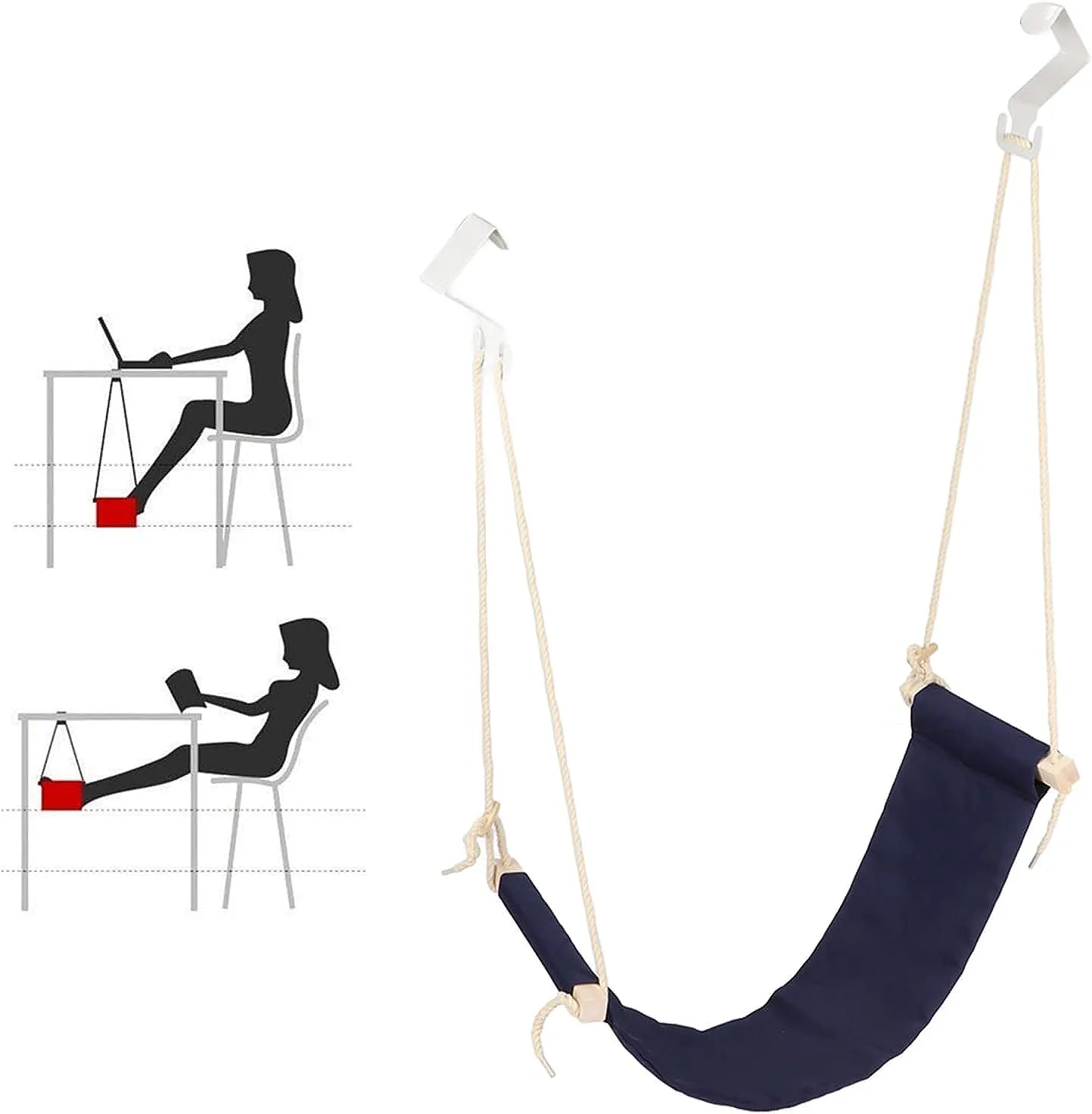
Foot Hammock
Under Desk Footrest, Adjustable Office Footrest, Foot Hammock Breathable Adjustable Portable Under Desk Foot Rest Swing for Office Home
Under Desk Footrest, Adjustable Office Footrest, Foot Hammock Breathable Adjustable Portable Under Desk Foot Rest Swing for Office Home
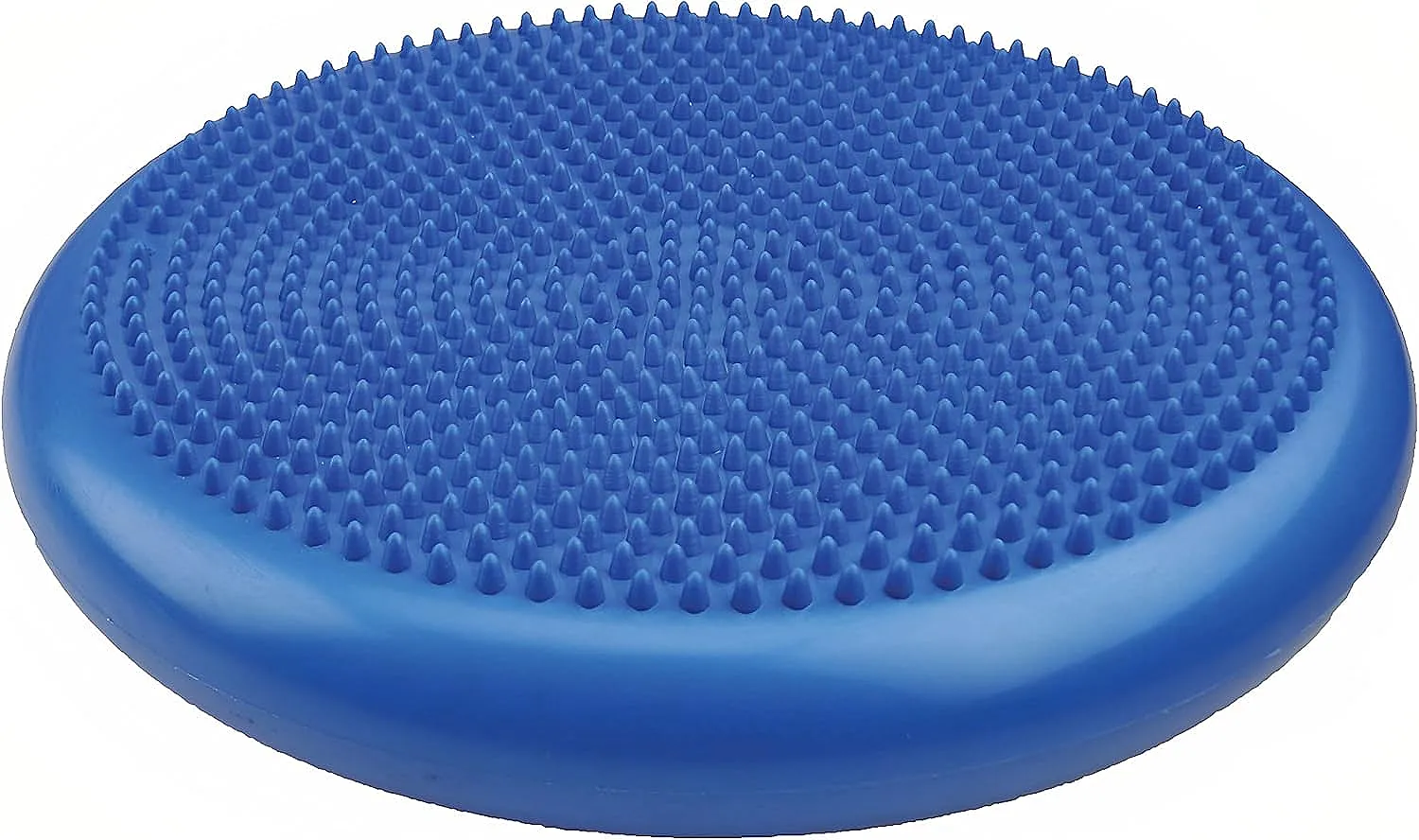
Inflatable Wiggle Wobble Cushion
Autism Sensory Equipment, 35cm Diameter – Balance Cushion for Kids with ADHD, 2 Tactile Surfaces with Varying Textures
Autism Sensory Equipment, 35cm Diameter – Balance Cushion for Kids with ADHD, 2 Tactile Surfaces with Varying Textures
How to Choose the Right Tools for Your ADHD
Ask yourself the following questions to help you decide which tools are best:
1. Where do you get stuck most often?
2. Do you have trouble initiating a task, completing it, or getting distracted in the middle?
3. Is there a certain time of day or environment in which you struggle most?
4. Do you have trouble remembering appointments or losing things?
5. What have you tried before that hasn’t helped?
6. Did your tools have too many steps or feel too complex?
7. Did the tool match your environment?
Remember to choose tools that require minimal effort to set up and use. If a tool doesn’t work for you, cancel your subscription, send it back, or just stop using it. There is no shame in trying different methods. It doesn’t mean anything is wrong with you if a particular tool doesn’t help you. Everyone’s needs and preferences are unique.


Common Mistakes When Using ADHD Tools
Avoid buying too many tools at once because you probably won’t use some of them. Try 1 or 2 tools at a time (for 1 to 2 weeks), and decide if it is helpful. Many apps offer free trials so you can decide whether they’re a good fit (but set a reminder to cancel the subscription if they don’t help).
Choose tools that are simple and easy to set up. If you have to think about how to use your tool, it will create more friction and fatigue. If a planner feels overwhelming because it has too many pages or items to fill out, choose a simpler version, or even a sticky note.
Don’t expect tools to create motivation. Remember, motivation isn’t the problem; executive function is. Tools will help you plan, break tasks into smaller pieces, and keep track of time. They can’t force you to do the work. Simple tools to help with ADHD often outperform complicated ones.
Adjust your tools to fit your lifestyle. If you used to work at a home desk but now you are going to a café with your laptop, you will need different tools. You can swap out your standing desk for noise-canceling headphones, for example.
Remember to address sensory overload. If your environment is distracting, loud, or you feel anxious, tools can only do so much to help. Ensure you create an environment conducive to concentration and use other methods to regulate your nervous system. Build a set of ADHD management tools that work in your environment.
Get Matched with a Provider Who Fits Your Goals
 Munich, Germany
 5SWAN is a telemedicine platform for personalized medical cannabis therapy through secure video consultations and continuous care.
 Germany
 Julianna Markus is a psychologist and mindfulness-based therapist based in Trier, Germany.
Tools Don’t Fix ADHD, They Support You
The goal of ADHD tools for adults is not perfection; it’s a way to reduce friction in your life and make your day calmer and easier. They should support your productivity without requiring you to power through or white-knuckle it. You can build a small set of supports and systems that work for you and not worry about the tools that aren’t helpful. The ADHD brain can be supported and harnessed for its unique perspectives and strengths, rather than trying to “fix” what is broken. Time management and organization are skills we can all benefit from.
FAQ
 Expert Board Member
This article offers a clear and comprehensive overview of practical tools that support adults with ADHD across time management, focus, sensory regulation, and everyday life. It translates evidence-informed insights from neuroscience and clinical practice into approachable, real-world strategies while keeping expectations grounded and clearly distinguishing tools from treatment. The focus on simplicity, personalization, and day-to-day usability makes it especially helpful for adults looking for support that actually fits their lives.








 Netherlands