Reading Navigation


This content is grounded in peer-reviewed research, clinical guidelines, and established best practices. Claims are reviewed for accuracy and transparency. Learn more about our evidence standards
Healing With Nature: How the Outdoors Can Support Mental Health
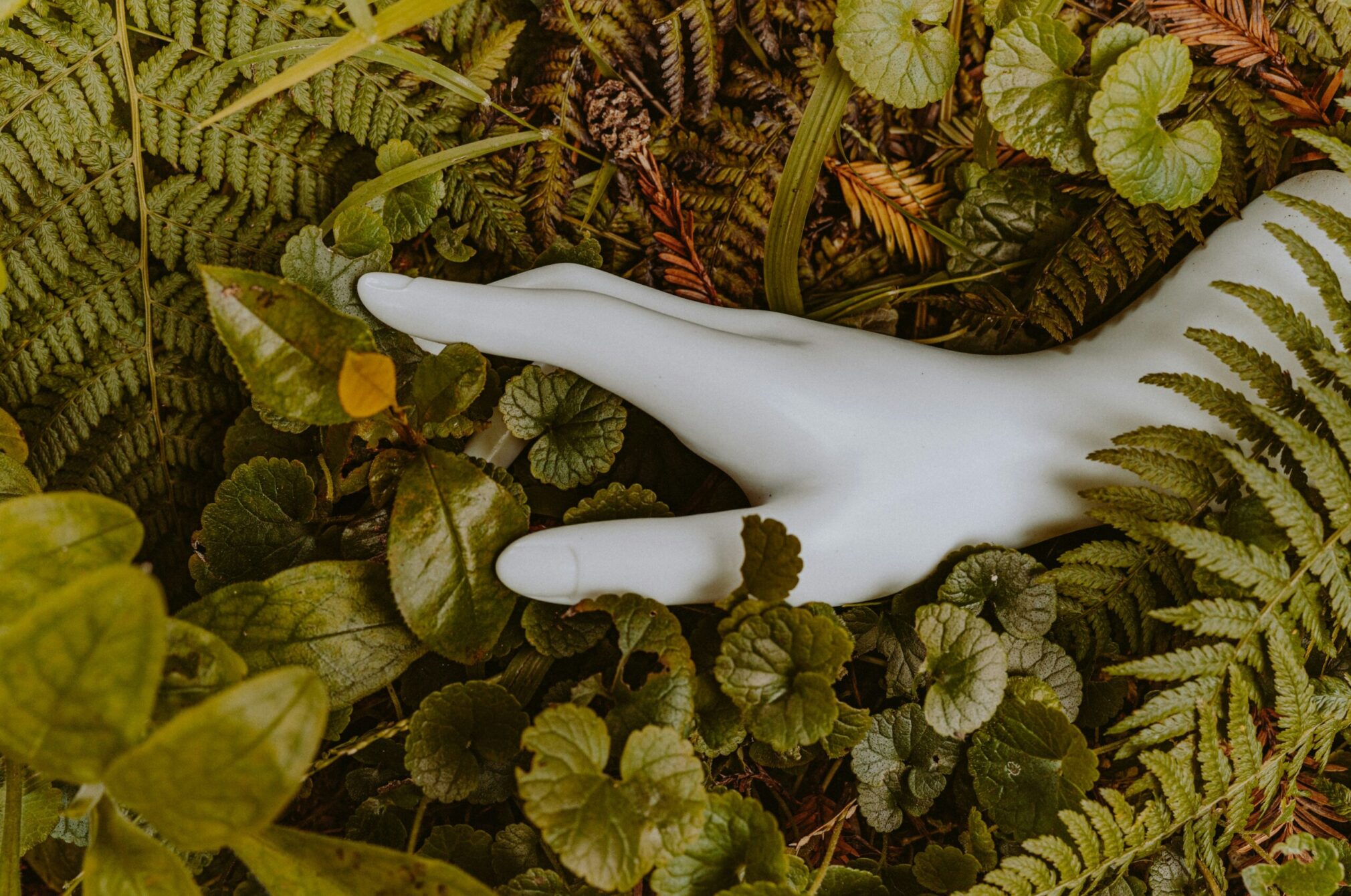
A recent study revealed that human connection with nature has declined by more than 60% in the last 200 years. Yet, in the face of a global mental health crisis, a growing body of research suggests1 that nature connection is vital for our mental and physical well-being.
With conditions such as anxiety and depression predicted to contribute significantly to overall mortality by 2030, there is an urgent need for new interventions and preventative approaches to mental health care.
Now, health care professionals and governments are looking at ways to incorporate nature connection into healthcare services.
Nature Connection for Mental Health
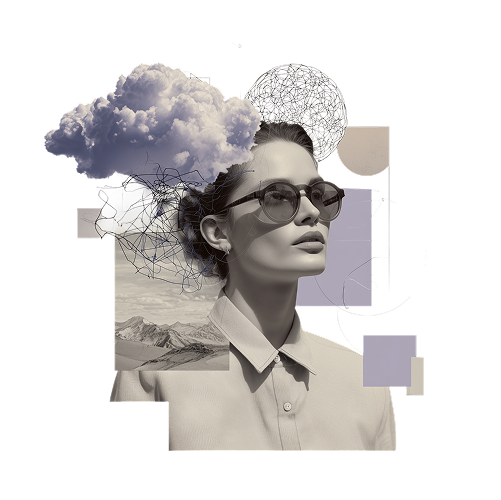
Studies have revealed associations between exposure to nature2 and improvements in mental health, as well as physical health, such as cognitive function, brain activity, blood pressure, sleep, and more.
Further research suggests that people who live closer to natural environments show improved life satisfaction, and that nature-based3 interventions can improve health outcomes.
Dr. Matthew Owens, of the ROWAN research group at the University of Exeter, along with co-founder Dr. Hannah Bunce, has been carrying out the Roots and Shoots trial studying a nature-based self-help intervention for well-being.
Bringing together nature theory, psychology and clinical psychology, the team have put together a guide that enables a more self-reliant approach to nature connection.
Nature–based health interventions (NBIs) are programs, activities or strategies focused on engaging people in nature–based experiences, with the goal of improving health and well-being.
Owens explains there are a number of reasons why nature connection may improve our well-being, such as stress reduction and attention restoration.
“Stress reduction is particularly important,” says Owens. “We all experience stress, and many mental health problems are preceded by stressful life events.
“Anything that helps reduce stress is likely to be beneficial, both for self-management and potentially for prevention.”
The group has also been studying the exposure to virtual nature on mental well-being, and the effect of nature-based meditation on mental well-being in young people.
“We have tested virtual exposure to nature, such as short videos of nature,” says Owens.
“It’s not equivalent to real nature but it can still help, particularly for people who are “time poor” or physically unable to get outdoors.
“Guided imagery and nature-based meditations are other helpful tools. Not everyone can access wilderness, but small steps matter. Having a plant in your flat, walking in a city park or spending two hours a week outside can make a difference.”
Forest Bathing, Mindfulness, and Nature-Based Activities
Mindfulness teacher, well-being coach, and nature-based guide, Kimberley Stone, turned to photography following a stressful life period, witnessing first-hand the transformative power of nature connection for mental health.
“About 20 years ago, I had a stressful period and I really struggled,” says Stone. “I began doing photography and, as time went on, I realized how much it was helping me — soothing my soul and nourishing me.
“At that time, I had never heard of nature connection or mindfulness, so for me, I was just going out with my camera.”
Stone helps people to connect with nature through activities such as photography, walks, women’s circles, and craft sessions using natural materials, emphasising through her work that small moments of noticing nature, even in urban environments, can improve well-being.
“These activities help people connect with nature in different ways, even if they cannot easily get outside,” says Stone. “Most of us are focused on getting from A to B, not noticing what is around us.
“Photography is helpful, for example, because it gives people prompts such as looking for patterns or shadows which anchor their attention.”
Pro-nature behaviors like gardening or habitat restoration can be powerful tools in deepening connection and reaping mental health benefits.
With the modern world becoming increasingly urbanised and technological, Stone says we have become disconnected, contributing to poor mental health and well-being.
“Nature is everywhere, even in urban settings. Connecting with nature allows people to take back the power to heal themselves,” says Stone.
Owens highlights that while there are psychological benefits of nature connection, such as mindfulness, being present in the moment and breaking patterns of repetitive negative thinking like rumination, there are also physical processes that also benefit.
“It’s really about returning to ourselves. Much of depression and anxiety stems from disconnection, and nature can provide that reconnection, whether in a group or alone.”
Evidence4 from forest bathing, or Shinrin Yoku in Japan, shows reduced levels of cortisol after time spent in forests, Owens explains, noting that chronically elevated cortisol levels are linked to depression.
“When I was working at the University of Cambridge, we found5 that people with higher morning cortisol levels were more likely to become depressed,” says Owens.
“So, having an intervention that reliably reduces cortisol is really important. Additionally, in forests, oxygen levels can be higher, and plants release molecules that may stimulate the immune system6.”
Generational Divides and Environmental Action
Part of Owen’s research has been exploring the idea that with this increasing urbanisation of our environment, humans are at risk of suffering from ‘generational amnesia’ from nature — where we become increasingly disconnected to nature over generations.
Highlighting that many of our grandparents would have grown their own food as part of their lifestyle, Owens says that over time, societies can lose cultural traditions, knowledge, and practices that connect us to nature.
“If this continues, we risk losing not only access to footpaths and green routes, but also the everyday knowledge of hedgerows, wild plants, and how food is grown,” says Ownes.
“Our view, drawing on attachment theory, is that children need to build secure attachments with nature to create a foundation they can return to throughout life, especially during times of stress.
“Embedding nature connection early could help create a positive cycle for future generations.”
There is a reciprocal cycle: the more connected people feel, the more likely they are to act, and the more they act, the more connected they become.
Dr. Sam Gandy, PhD ecologist and independent researcher, says that activities where we are actively engaging with nature, such as conservational behaviours like habitat restoration or tree planting, can improve our mental well-being as well as supporting future generations.
“The more connected to nature someone is, the more likely they are not only to care about the welfare of the natural world but also to act on its behalf,” says Gandy.
“This translates into pro-environmental behaviours, such as reducing energy or water use, and pro-conservation behaviours, which go a step further.”
Gandy recently published a commentary paper Seeding Hope7, suggesting that taking part in nature restoration activities could be a direct pathway to enhancing nature connectedness, and in turn, well-being.
“The research shows that nature connection is not just about knowledge or detached observation,” says Gandy. “It’s about emotional, experiential and active engagement.
Pro-nature behaviours like gardening or habitat restoration can be powerful tools in deepening connection and reaping mental health benefits8.
“There is a reciprocal cycle: the more connected people feel, the more likely they are to act, and the more they act, the more connected they become. These activities are a reliable hotline to enhancing nature connection and the mental health benefits that come through that.
“On top of that, being outdoors brings a host of additional benefits like fresh air, sunlight, exposure to soil microflora, phytoncides from trees, the sound of birds.
“It is a smorgasbord of natural health benefits, but nature connection is a vital part of that process.”
A Green Future for Mental Health
With increasing research highlighting the benefits of nature connection for mental health, the UK government has incorporated nature for well-being9 into its 25-year plan.
The plan will consider how environmental therapies could be delivered through mental health services and promote health and well-being through the natural environment, incorporating green spaces into health services.
A ‘Green Social Prescribing10’ pilot has also been carried out across a number of NHS Trusts, enabling healthcare providers to prescribe ‘green and blue’ activities such as walking, gardening, conservation volunteering, green gyms, and outdoor activities.
“The field has really grown over the past decade, and I expect it will continue to expand,” says Owens.
Some services now employ dedicated staff in the green space area, offering activities such as gardening, tree planting, outdoor mindfulness or group sessions by rivers and canals. Owen’s research group is now developing a nature-based therapy that it hopes will become a treatment option alongside established mental healthcare approaches such as cognitive behavioural therapy or mindfulness.
“You need to give people tools and techniques to make change, whether that is habit building, activity scheduling, mood monitoring or behavioural activation,” says Ownes.
“Psychology is well-placed to do this, and nature can be a central part of it.”
 Expert Board Member
Emerging research demonstrates that nature-based interventions, like forest bathing to conservation activities can reduce cortisol levels, improve mental health outcomes, and restore psychological wellbeing. As urbanization accelerates and mental health crises intensify, healthcare systems are increasingly incorporating nature connection into treatment protocols, with evidence suggesting that even small doses of nature exposure can provide measurable benefits for anxiety, depression, and overall life satisfaction.