Reading Navigation

This content is grounded in peer-reviewed research, clinical guidelines, and established best practices. Claims are reviewed for accuracy and transparency. Learn more about our evidence standards
Ketamine Therapy: Medical Potential & Recreational Risks

When creative strategist Alexa Jesse experienced ketamine therapy, a traumatic childhood memory resurfaced. It was something she had forgotten about, a childhood sexual harrasment, but one that her family still remembered.
“That was really powerful,” she recalls.
“It was definitely this, like, whoa. There’s something here, you know?” referring to ketamine.
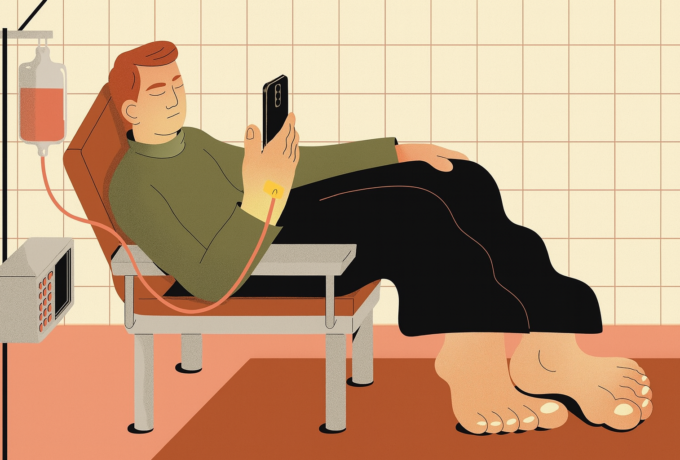
Stillwell went on to do four weekly ketamine IV sessions, from which she got a lot of clarity on whether or not she wanted to be a mom (the answer was yes). She was also able to face this difficult childhood memory and move past it. Years later, when she had a traumatic birth experience and went on to suffer from post-partum depression, Stillwell returned to ketamine therapy, hoping that it would have the same healing effect.


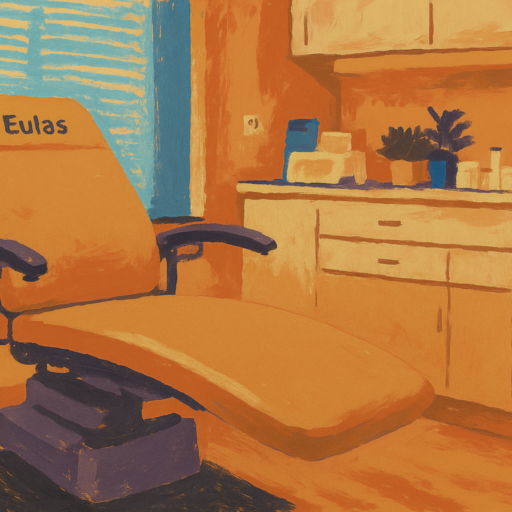
“I re-lived the C-section, and actually remembered parts that I had blocked out because of drugs that I was on.
“And it was extremely powerful. I had a really big release, and I […] absolutely feel different. I feel like I’m on the other side of it, like I can move on,” she said, recalling the return to ketamine therapy.
In recent years, ketamine has shown promise for treatment-resistant depression. A 2019 study1 on 25 male adults reported on a “robust and rapid effect on depression.” That same year, the FDA approved Spravato, a nasal spray form of ketamine (esketamine), for hard-to-treat depression (given in combination with antidepressants). In 2025, Spravato’s approval was expanded to allow standalone treatment for patients with “severe depression”. In the UK and Europe, Spravato has also been approved for similar therapeutic prescriptions.
Find The Right Support For Your Needs

 London, United Kingdom
Mental health ketamine specialist clinic offering ketamine assisted psychotherapy for treatment resistant depression and PTSD and anxiety
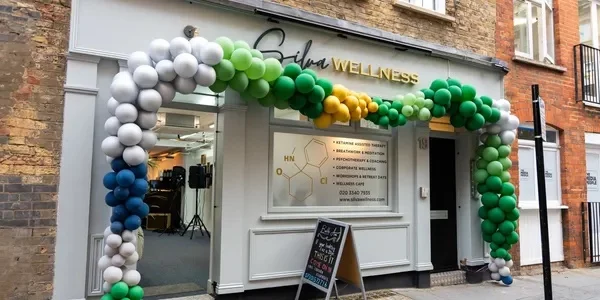 London, United Kingdom
 The UK’s first harm‑reduction‑based centre supporting safe, ethical ketamine lozenge therapy combined with holistic psychotherapy, breathwork and integrative healing
Ketamine Therapy: Medically Effective, Recreationally Risky
Ketamine, when used medically, can offer a significant reduction in depression symptoms. Longer-term studies have found that ketamine, when used with a regular antidepressant, has helped “people stay in stable remission 16 weeks into treatment.”2
However, ketamine, being a dissociative and not a typical psychedelic, also comes with risks, dangers, and side effects. Used for years as a common anesthetic and pain management tool in the veterinary industry, it also has developed a large fanbase as an underground party drug, and usage has been steadily increasing over the past two decades worldwide.
A 2025 National Survey on Drug Use and Health found that recreational ketamine use among American adults has “increased dramatically” since 2015, citing an 81.8% increase from 2015 to 2019, and a 40% jump from 2021 to 2022. People in the study were more likely to use ketamine if they had used other substances, such as MDMA, GHB, or cocaine.
Therapeutic ketamine helps people connect with life. Recreational ketamine can pull people away from it.
In the UK, use among young people has tripled since 2005, with 6% of people ages 16 to 24 reporting trying it3, compared to the previous 2% of 15 years ago. In the Netherlands, ketamine use is also rising, with “a 2023 internet survey of 16–35-year-olds who had visited a nightclub or festival within the past year” finding that “ a quarter (25 %) reported ketamine use in the last year,” and 3% of users reporting weekly use.
Like any substance, ketamine has the potential to be abused. The effects of ketamine used recreationally can vary from euphoria to disassociation and mild or severe hallucinations. Short-term side effects can result in nausea or vomiting, muscle stiffness, spasms, anxiety, and more, while long-term use of ketamine carries its own set of problems, most notably including ketamine bladder syndrome, or ulcerative cystitis – a painful condition resulting in frequent, urgent, and bloody urination. In severe cases, this issue can spread to the kidneys, requiring surgery to treat it. Other long-term side effects include memory loss and harm, risk of psychosis, and severely painful “k-cramps,” stomach cramps associated with chronic or long-term ketamine use.
All of these effects can take place with medical use as well, but under supervised, safe conditions and within medical containers, ketamine use is controlled, and risks are low.
“The danger isn’t ketamine itself,’ says Sherri Mack, a cannabis and psychedelic nurse guide. “It’s using it without support, intention, or safety.”
“In the wrong context, ketamine becomes numbing, destabilizing and risky. In the right context, it’s a catalyst for healing.”
In addition to being a nurse guide working in the cannabis and psychedelics space, Mack is also a former ketamine therapy provider and patient, giving her experience with the substance from both sides.
“Psychedelics without integration is just potential,” she says, stressing the need for a container for ketamine therapy use, and acknowledging the potential for abuse without it.
“Therapeutic ketamine helps people connect with life. Recreational ketamine can pull people away from it.”

Caution: Even With Medical Ketamine
Despite its effectiveness and strong safety profile, medical ketamine can also cause harm and side effects, especially with frequent use. Mack recalls an experience microdosing ketamine every day for three months.
“Did I notice that my memory was becoming impaired? Yeah, I did,” she said, noting that she won’t go back to daily use of the substance.
Regarding bladder issues, Mack noted that around month three of regular ketamine microdosing, she “started having urgency and frequency,” and said that this wasn’t something she had before.
“Ketamine is a beautiful medicine,” Mack says, “but it’s not for everyone.”
The risks associated with recreational ketamine use can be seen in the medical and therapeutic model as well, but generally, with safe use and with a guide, risks can be avoided or at least managed.
Recreational ketamine use poses many more risks, as people consume the substance without proper intention, integration, and preparation. Medical ketamine can be abused, of course, notes Mack — “you can build a tolerance to it” — but, in the right context, it can be a useful tool for healing.
Of course, dosage and frequency also play a role in that container.
“Using ketamine to disconnect instead of heal, that can be dangerous,” states Mack.
A Guide to a Better State of Mind
 London, United Kingdom
 UKCP-accredited psychotherapist in London offering relational, transpersonal psychotherapy, integration support and workshops
While people around the world have benefited and continue to benefit from therapeutic ketamine therapy, the growing popularity of it as a club and party drug — and the ongoing misuse — can lead to ketamine’s reputation being damaged.
For example, while actor Matthew Perry had been taking legal ketamine infusions, the drug found in his system at the time of his death was allegedly from an illicit supply, leading to public outcry and criticisms of the substance. In the UK, where recreational ketamine use is growing every year, The Advisory Council on the Misuse of Drugs called for evidence on ketamine use, harms, and interventions from healthcare providers and others in order to update and offer advice to the government.
Many providers (and patients) seem to agree that the at-home ketamine therapy model may provide too many opportunities for potential abuse.
Stillwell, whose earlier experiences were with ketamine lozenges mailed to her, notes that “there’s no way for them to make sure there’s a sitter,” and reveals that the clinic actually sent her the wrong dose.
Dr. Alicia Bigelow, an integrative medicine physician, also believes that there is potential for abuse in the at-home model.
The Future of Mental Health: Ketamine Therapy Report by All Points North shared the dangers of at-home ketamine treatments, and the risks of doing this without medical supervision. According to them, 55% of Americans who have tried at-home ketamine have either “accidentally or purposefully” exceeded the recommended dose.
What’s Next For Ketamine Therapy?
Ketamine is still on the rise as a life-changing medical tool. The US government recently expanded the use of nasal ketamine’s treatment to include severe depression, not just treatment-resistant depression. In the US alone, there are at least 1,000 medical ketamine clinics, all offering treatment for a wide range of ailments, from depression to anxiety to chronic pain relief for migraines. Is limiting or completely stopping at-home use the solution? Or is it something else completely?
Dr. Bigelow also notes the street use may not be purely recreational, comparing it to medical opiate use.
“People have it prescribed medically, and they’re like, Oh, I feel really good with this, and now I have this habit.”
The cost of ketamine therapy – with sessions ranging in the several hundreds – may push people to obtain it through other models, especially if they’ve found that it actually works. The relatively affordable cost of street ketamine keeps it popular in the underground, with a gram going for around $60 USD, and a single dose for approx $25. This can be tempting to users who have experienced the medical benefits of it and want to try again.
Using ketamine to disconnect instead of heal, that can be dangerous.
“They realize they can buy ketamine on the street for a fraction of that price,” Dr. Bigelow says.
“If there was more insurance coverage, or, you know, scholarship funds or things like that that were available for people, then that would negate the need for people to fill that need.”
At her clinic, Dr. Bigelow notes safeguards: “There’s a certain frequency that people are allowed to come in and beyond that […] would start to have some red flags go up,” to ensure that people weren’t abusing the medicine, because, as Mack says, “it’s not classically addictive in the same way opioids or stimulants are, but it can lead to tolerance.”
Ketamine has helped thousands of people find peace and reclaim their lives. The type of release Stillwell experienced in her session, she says, she has “never gotten to experience anything like that in psychotherapy.” But of course, anything has the potential to be abused, whether medically or recreationally. The onus is now on medical providers to create and maintain safeguards, barriers to entry, and education about keeping ketamine available to those who need it, but ensuring that they don’t misuse it or cause themselves harm.
Where there is a legal market, there will always be an underground one. The challenge now is to make sure that the recreational abuse, whatever the initial intention, doesn’t add more stigma to an already oft-misunderstood legal market, and to keep educating.
While it’s difficult to stop the rising popularity of recreational ketamine, the effectiveness and safety of the medical model can continue to encourage and shift those who need help towards the legitimate ketamine therapy model.
Choose the Type of Support That Matches Your Need
 United Kingdom
 Depth‑psychology‑oriented shadow work therapist offering long‑form experiential sessions, group workshops and psychedelic integration support in person and online.

 Portugal
 Wellness retreat offering personalised programs and psychedelic‑assisted therapy for stress, trauma, anxiety, burnout and depression.
 Expert Board Member
Ketamine-assisted psychotherapy, when done responsibly and with skilled support, can open doors that talk therapy alone sometimes can’t. It softens rigid patterns, quiets the inner critic, and creates space for real emotional contact. Ketamine isn’t the work; it’s the doorway. The healing happens in the preparation, the presence, and especially the integration that follows. Used with intention, it can be a powerful ally in lasting change.