Reading Navigation


This content is grounded in peer-reviewed research, clinical guidelines, and established best practices. Claims are reviewed for accuracy and transparency. Learn more about our evidence standards
Listen to the Body: Nervous System Coach Shares Her Tools

Neurosomatic coach and founder of Karen Ann Wellness, shares insights with States of Mind on how to support wellbeing while keeping up with the demands of work and life in the digital world.
When Karen recognized that she had grown up carrying trauma, she wanted to find the tools to recover.
Developing anorexia at 15 as a way to “cope and create control in a world that didn’t feel safe”, she eventually, as an adult, found treatments that helped her to recover physically. But Karen’s patterns of perfectionism, over-achievement, and constant striving followed her into her adult life and career.
“On the outside, I was thriving. Inside, I was running on survival,” says Karen.
Yoga was Karen’s doorway back into her body — showing her that healing didn’t have to come from analyzing the past — “it could come from being in the present.”
“From there, I became deeply curious about what true safety and empowerment felt like in the body,” says Karen.
This search led her to somatic work and eventually to Parts Work Therapy — a therapy developed from Dr Richard Schwartz’s Internal Family Systems model that sees the self as having multiple “parts” with their own thoughts and emotions that may conflict with each other.
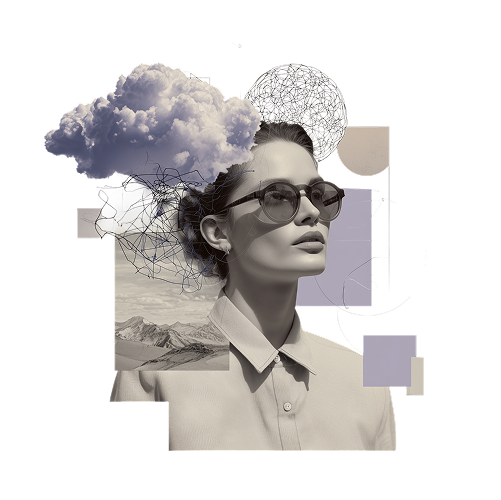


“The approach that helped me integrate, not just understand, the different parts of myself,” says Karen.
“Learning to regulate my own nervous system changed everything. My health, my relationships, my clarity, my sense of peace. And I realized the missing piece in most success stories, personal or professional, isn’t more effort. It’s safety.”
Karen now works to share her insights with others online, but keeping up with the pressure and demands of being an online influencer can take its toll on wellbeing.
Here, Karen shares how she manages her own wellness and provides tips and tricks for nervous system wellbeing1.
How do you show up online to support people’s wellness?
Karen says she helps professionals, corporations and entrepreneurs to manage their stress and create sustainable resilience through somatic practices such as mindfulness, meditation and body awareness that reconnect the mind and body.
With a background in neurosomatics, yoga, and coaching, she says that she has learned that regulation is the foundation for everything including leadership, communication, and creativity.
“Through my online influencing, I share tools and stories that help people understand what’s happening in their bodies so they can stop over-analyzing and start actually feeling better.”
You say that your ethos is to live what you teach, what does that look like in practice when life feels stressful or chaotic?
Karen explains that she uses the same practices for herself as she does for her clients.
“I pause before responding, I check in with my breath and I ask myself what my body needs. This could be something like grounding before a meeting or taking five minutes of rest instead of forcing myself to be productive.”
She explains that people need to remember that it’s not “all about being perfect” but about staying aware enough in order to listen to your body and to notice when you are drifting out of alignment.
Choose the Type of Support That Matches Your Need

 United Kingdom
 London‑based psychotherapist offering integrative counselling, couples therapy and psychedelic integration in English, Cantonese and Mandarin.
 London, United Kingdom
 Principal psychotherapist offering psychodynamic and relational therapy online and in-person.
In the wellness space, there is a lot of pressure to appear calm and grounded. How do you handle things when life is feeling stressful?
Highlighting that it is not “real life” to be regulated all the time, Karen says that if she is having an off day she will share that honestly with her audience, and with herself.
“I will share it without making it about struggle, but instead make it about reflection.
“I believe it’s important for people to see that being human and being well can both exist together.”
How can people set clear boundaries and screen time in order to maintain a healthy relationship with digital media?
Karen says it’s important to keep things balanced.
For content creators, this could be batching content into once or twice a week sessions or having clear off-hours where work phones go on airplane mode by 8:30, for example.
In research, disconnecting from our phones2 has been found to improve wellbeing, including improvements in sleep quality and depression symptoms.
“Personally, I make sure that I use my time offline to do activities I enjoy like walking or cooking without stimulation.
“Also, when I feel that impulse to scroll on my phone when I’m relaxing, I try to pause and ask myself what I’m actually needing right now, is it connection, rest or distraction, for example? I think that question alone can change everything.”
How can we recognize if we are becoming stressed or imbalanced, and what can we do to regulate?
Recognizing when our nervous systems are becoming imbalanced is about noticing subtle shifts, Karen says, such as tension in the jaw or shallow breath.
“When that shows up, step away. I personally do a five-minute body scan where I lie on the floor with my hand on my heart, or just breathe until my system settles.”
In studies, body scanning3 has been found to immediately decrease anxiety-ratings in people with a high baseline severity of anxiety-symptoms, and breathwork4 has been found to have significant albeit “small-to-medium” effects on decreasing self-reported stress, anxiety and depression. It is worth noting that the broader research picture regarding body scans and breathwork for anxiety and stress relief is nuanced. A 2022 meta-analysis5 found body scan alone had only small effects on health outcomes
Karen further suggests that people can implement strategies such as stepping outside, washing hands, stretching or creating small rituals like lighting a candle as you close your laptop.
Research shows that getting outdoors can improve wellbeing6 and reduce stress. Recent studies found physical7 and mental benefits8 including decreased cortisol, increased incidence of good self-reported health, and reduced incidence of stroke, hypertension, dyslipidaemia, asthma, and coronary heart disease.
“If you can, keep a little distance between where you work and where you rest.”
Digital creators often experience burnout from having to constantly be creative. How can creativity be maintained while prioritizing rest?
While it might be tempting to constantly create content to keep up with the fast pace of social media, Karen says it’s important to create from embodiment, not from obligation.
“For example, I will only write or share when I feel connected to my work and if I don’t, I take that as a cue to rest, not push harder. Inspiration tends to return when I give myself permission to step away.
“I also make sure I’m doing my own somatic and parts work regularly, because that’s what keeps me grounded and creative.”
For those starting out in the wellness space, what advice would you give about maintaining wellbeing while growing a community?
In order to maintain wellbeing Karen emphasises that it’s important for people to stay rooted in their own practice instead of chasing trends or validation.
“Share from your lived experience and not just information. I think that people don’t need more content, they actually need more connection, so I think growing with intention creates longevity.”
How can people incorporate somatic work into their day-to-day lives to help regulate their nervous system?
Karen explains that somatic work doesn’t need to be complicated or time-consuming. By listening to what your body needs from internal and physical cues, you can help your brain recognise when you are feeling safe.
Somatic grounding techniques Karen suggests include noticing your breath, placing a hand on your chest or pausing to feel your feet on the ground.
“Over time, these small, consistent moments teach your nervous system that it’s okay to settle.
“When you practice somatic awareness regularly, it starts to happen automatically, you feel stress rising in your body sooner, you know when you need a break, and you begin to recognize exactly what kind of break will help.”
Karen emphasizes that these techniques can help to build mental resilience, not by controlling emotions, but by listening to the body enough to “care for your nervous system before it crashes.”
By implementing these tools, understanding what your body needs and ensuring you take the time to rest, you can help keep stress and burnout at bay.
 Expert Board Member
This article offers a grounded look at how somatic practices and nervous-system awareness support wellbeing in a digital world. Through Karen Ann Canham’s lived experience and evidence informed practical tools, the importance of safety, regulation, and embodied boundaries are highlighted for those seeking sustainable stress management.