This content is grounded in peer-reviewed research, clinical guidelines, and established best practices. Claims are reviewed for accuracy and transparency. Learn more about our evidence standards
Living With Chronic Illness: A Story of Hope and Resilience With Gigi Robinson
Ehlers Danlos Syndrome1 (EDS) is a group of rare genetic disorders that affect the body’s connective tissue, causing lax joins, chronic pain, fatigue, brain fog and a number of related symptoms. There is no cure for EDS, so treatments are needed for relief of symptoms.
For many people, getting a diagnosis of EDS can take years2, leaving people confused, in pain and with limited support.
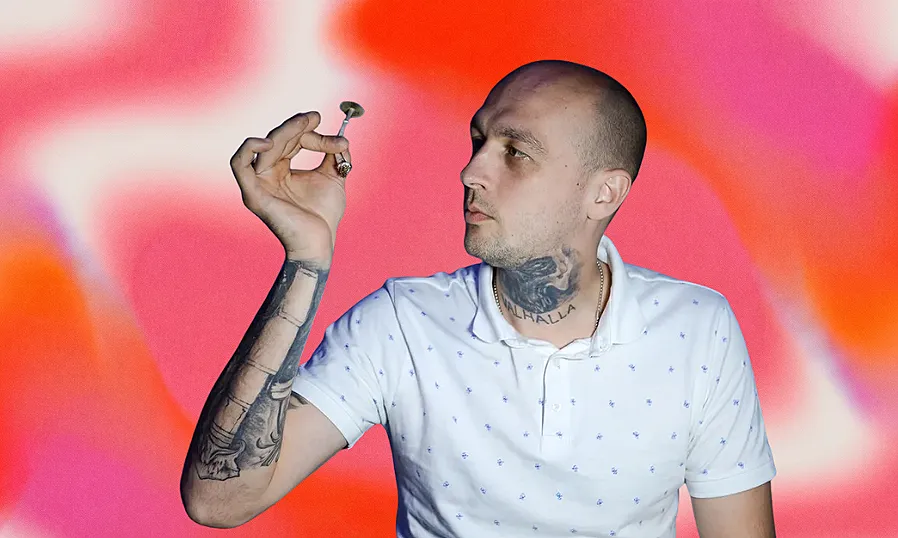
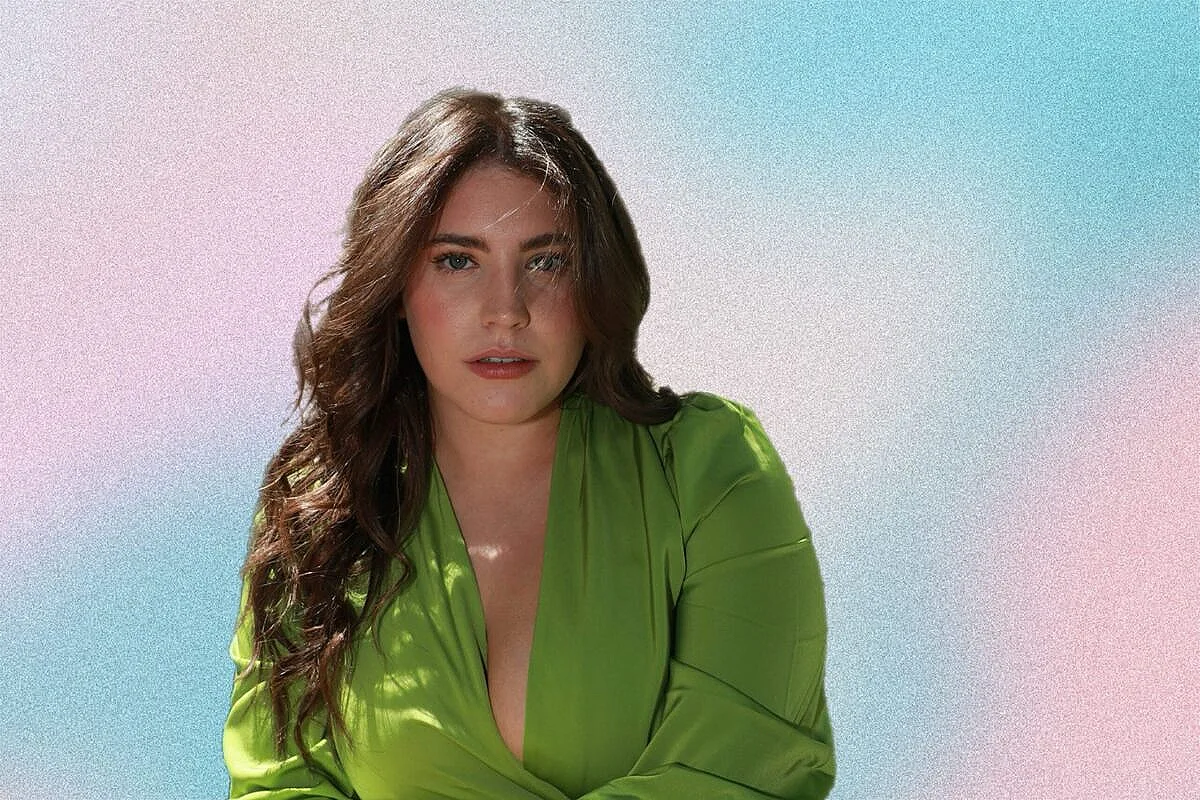
Model, influencer, and author Gigi Robinson has been living with this chronic condition for most of her life — but you wouldn’t know it from the smile on her face.

Taking Health Into Her Own Hands
For many people, getting a diagnosis of EDS can take years, leaving people confused, in pain and with limited support. For Gigi, she says she was lucky. Having a mother who was a medical professional meant that her condition was spotted early at age 11.
“When we realized I had EDS, we moved forward with a lot of physical therapy and core stability work, and I didn’t really want to be on medication, so I did a lot of holistic treatments with psychiatrists.”
Taking a holistic approach to her care was vital to support her well-being, says Gigi, noting that she didn’t want to spend her life taking painkillers.
“In my opinion, pain medication is a band aid fix. That’s why, for me, a holistic, long-term approach is the most important.
“I did a lot of holistic rehabilitation, using herbs, supplements, acupuncture, chiropractors, and that helped for a while, and my symptoms were pretty dormant,” Gigi explains.
As is the experience of many people who live with EDS, Gigi found when she reached high school many teachers didn’t believe she was living with a chronic condition, because she looked “completely fine”.
To help others understand her experience, Gigi created a photobook3 that shared what life is like living with EDS.
“The book detailed my experience — the doctor’s appointments, the journey to and from the looking up at the clouds outside of a car window, because that was like the only moment of escape I really felt.”
After two and a half years of working with a pain management specialist and trying a variety of different treatments including muscle relaxers and steroid injections, Gigi was then diagnosed with endometriosis4 aged 24.
“That was the only time a surgeon or a doctor ever fully read through my history and referenced things like my stomach issues, my cyclical pain.
“So, they did surgery and found the endometriosis. Since then, I’ve made real lifestyle shifts to feel better.”
Moving Forward and Thriving, With Chronic Illness
To enable herself to live her life to the fullest, now aged 27, Gigi has created a career for herself where she can work from home flexibly, allowing time and space to attend doctor and physiotherapy appointments as needed.
She is also now able to take part in exercise again — something she couldn’t do before — which is vital to help people living with EDS improve their muscle strength, as stronger muscles improve joint stability.
The most important conversations shaping the future of psychedelics, delivered weekly.
From thought-provoking podcasts and original stories to research breakthroughs and industry news, stay connected to the conversations that matter.


Joined by 12,000+ readers
“It feels like I have a new lease on life; it feels like a new chapter for me. My inflammation is down because I’m managing the endometriosis, I’m able to exercise and do the core work at physical therapy, and chiropractor work.
“I can do all of that to the point where I know I’m getting stronger, and so my EDS symptoms don’t flare as much. There’s random flare ups, but it’s nowhere near what it used to be.”
As both a content creator and a chronic condition advocate, Gigi says that her approach to supporting her mental health is rooted in self-awareness and self-compassion.
Yes, there will be bad days, but there will also be days that are brighter and better, where you are filling your cup with things and with people that help…
“My body forces me to slow down in ways that most people have to choose to. When I’m in a flare, I treat it as information, not failure but a reminder that rest is still progress.”
While it’s easy to talk about wellness online, Gigi says that living it in real time looks different every day and sometimes “balance” means meditating, hydrating, journaling, and sticking to a routine.
“On other days, it means canceling a meeting, taking a nap, or taking a day off while I recover. The key is honesty, with myself, my audience, and my body.”
Alongside sharing her journey of resilience, Gigi says she also makes a point to share the bad days to demonstrate that it is not all about perfection.
“I share the messy parts: the downtime, the pain days, the boundaries. That transparency helps my audience see that wellness isn’t about perfection; it’s about sustainability.
“I can’t pour into others unless I protect my own energy first. And in that way, living with a chronic condition has been the greatest teacher in both empathy and endurance.”
Telling Her Story and Leading by Example
To help others who face similar challenges, Gigi aims to set an example by breaking the boundaries of perception that people may have about those who live with a chronic condition.
One of these things is appearing as a model in Sports Illustrated. “Instead of complaining on the internet about it, I wanted to share the story of hope and inspire people to get better. It is very important to me.
“I did a Sports Illustrated swimsuit photo shoot and told them not to retouch my images. I want people to know that if you live with a chronic condition, it’s okay if you just show up as you are in the damn bathing suit.”
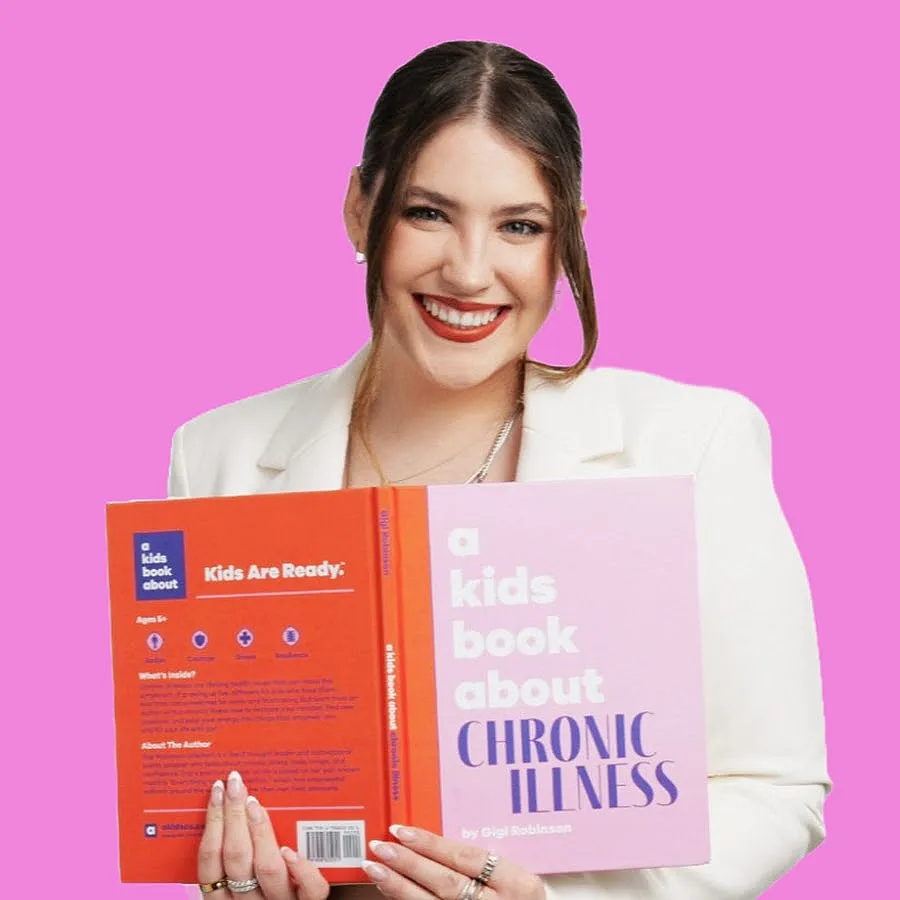
To help children who are living with EDS shape a positive mindset and find new passions and joy, Gigi has also written a children’s book3 about living with the condition.
“I’ve distilled down a story that’s probably the same amongst all people living with Ehlers Danlos Syndrome, and it’s not just for kids. Its purpose is to have conversations about it in a hopeful and positive way.”
Gigi says she wrote the book to paint a picture, that living with a chronic illness is challenging, but it can make people resilient.
“For me, I’m at the point where I have reached the moment where I believe I’ve overcome the worst of it, but that’s not to say that I won’t have flare ups.
“I do believe everybody can get there. Yes, there will be bad days, but there will also be days that are brighter and better, where you are filling your cup with things and with people that help and don’t add to the stress.”
 Expert Board Member
This article provides a patient perspective on living with Ehlers–Danlos syndrome and endometriosis, two commonly co-occurring yet under-recognised conditions. Gigi Robinson’s account aligns with best practice by emphasising multimodal management, including physical therapy, pain strategies, and lifestyle adaptations beyond medication alone. It also highlights the psychosocial impact of invisible illnesses and the importance of self-advocacy, mental health support, and holistic care.