
This content is grounded in peer-reviewed research, clinical guidelines, and established best practices. Claims are reviewed for accuracy and transparency. Learn more about our evidence standards
What I’ve Seen As A Ketamine Therapist

Psychedelic therapy can bring up personal traumas and emotional breakthroughs — what’s it like to be a part of such significant human moments? Dr. Sam Zand speaks to States of Mind about what he’s seen as a ketamine therapist and how psychedelic therapies have transformed his view of healing.
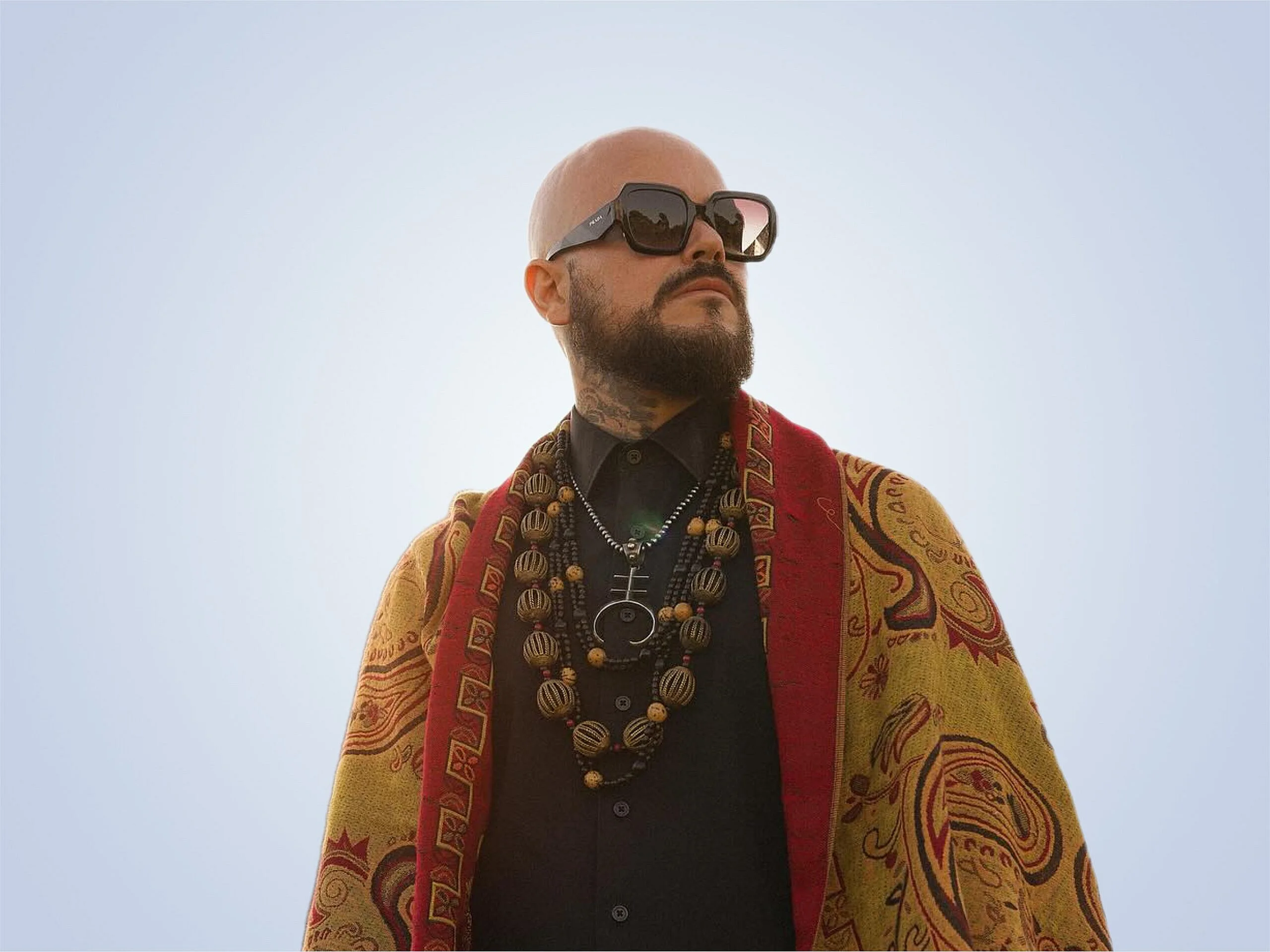
Psychedelic medicine is a new frontier for psychiatry, says Dr. Sam Zand.
Helping patients transform their mental health through psychedelic-assisted therapies, Zand believes these compounds are a tool that could transform how we treat and view mental health.
Founder of Anywhere Clinic and Calm Clinic, psychiatrist Zand has seen first hand how ketamine therapy has helped to transform people’s wellbeing.
“Ketamine — being the legal, prescribable drug — changed not only the feelings or sentiment around psychedelic medicine, but it changed the paradigm in which we treat and understand mental health,” says Zand.
He highlights that for the past 50 years, psychiatry has worked on the serotonin hypothesis1 — that depression is caused by low levels of serotonin in the brain.
This hypothesis is now being debunked1, with analysis suggesting that research shows no consistent evidence of an association between serotonin and depression.
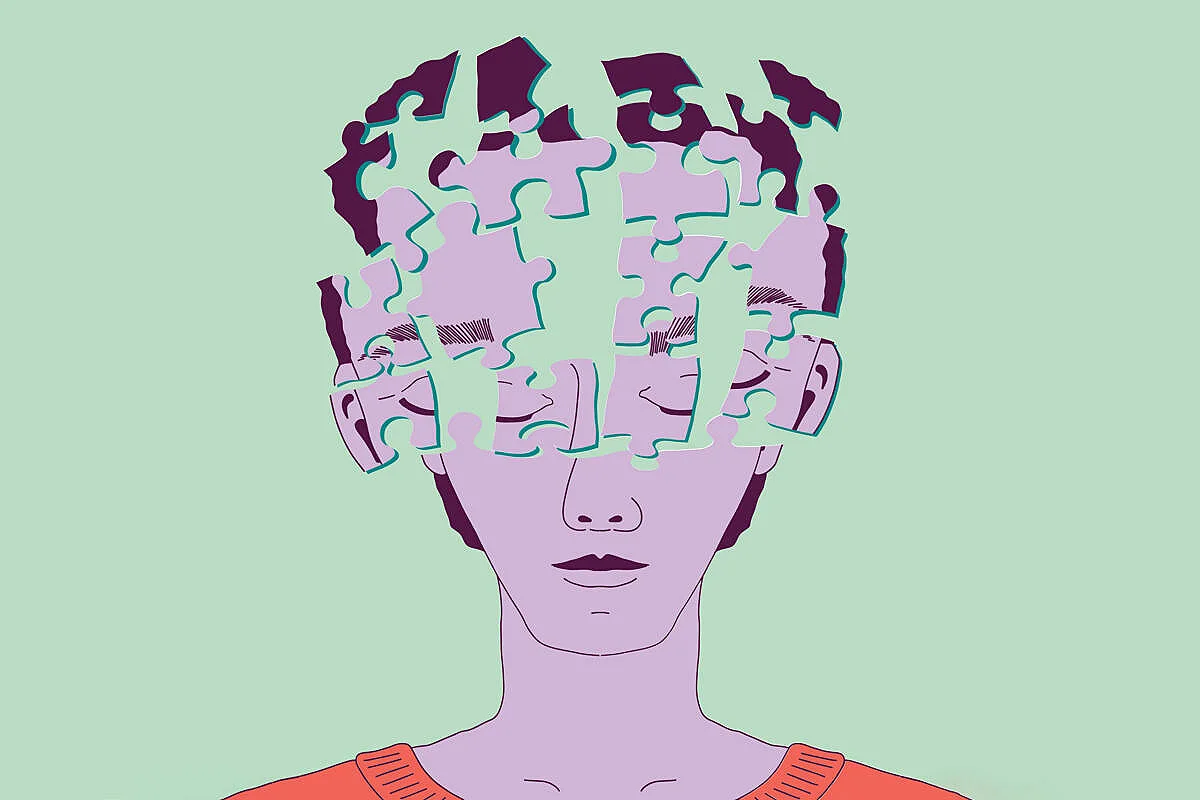
Likening the brain to a computer with 100 tabs open, Zand explains that neuroplastic therapies such as ketamine and psilocybin allow the brain to have an effective reset.
“Sometimes we become so rigid in our habits, routines and thoughts, that we can’t see new perspectives,” says Zand.
“It can help us to re-wire from a blank slate, and that’s something we are now seeing in mental health that we haven’t talked about before.”

The Four Stages Of Healing
Working as a psychedelic therapist, Zand says he sees people progress through four stages of healing when using these therapies: nervous system regulation, growth, self-love, and finding purpose and community.
“We all have trauma, and some of it has created faulty patterns and maladaptive coping skills,” says Zand.
“We need to heal, and that starts with the nervous system, with feeling safe in our bodies. Secondly, we have to focus on being growth-oriented.
“From there, I think we all need to have self-love as our compass. Because if we can love ourselves, we can love others.”

Zand says he has worked with veterans and prisoners, and sees a commonality of trauma and of being told that “they are not worthy of love from a young age”.
“Being told that the world is not a safe place, that they need to protect themselves, look out for themselves and be survivors,” says Zand. “Not to be in love with who they are, not be okay with who they are.”
Finally, Zand emphasizes the importance of giving back — of purpose, community and “being connected”.
“It’s about getting beyond the self,” says Zand.
“We can be so focused on ourselves, and the quickest way to get outside of your own anxiety or depression is to focus on someone else, to give. We go from heal, to grow, to love, to transcend.”
Unpacking Trauma And Recognising Emotional Anchors
Increasingly recognised as facilitating psychological and emotional breakthroughs, research into psychedelic therapies shows it can help people with introspection, emotional processing2, ego dissolution, and the integration of traumatic memories.
In a recent review2, researchers highlight that people who’ve undergone psychedelic treatments report the ability to access thoughts, memories, and emotions that are “typically suppressed or inaccessible in ordinary states of consciousness”.
Zand explains that one of the most common outcomes he sees in the clinic is the recognition of emotional anchors.
“In therapeutic work, we all tend to recognize our triggers, when we’re not our best selves. But it’s very hard to tie that to why?,” says Zand.
“Sometimes very deep and difficult, repressed trauma comes up. All of a sudden people realize that who they are is just trying to cope with what they have been through.
The most important conversations shaping the future of psychedelics, delivered weekly.
From thought-provoking podcasts and original stories to research breakthroughs and industry news, stay connected to the conversations that matter.


Joined by 12,000+ readers
“I think that’s the most profound thing, is that we realize our behaviors are not rooted in our conscious mind, and not rooted in what we understand. They’re rooted in what we don’t understand. We’re all just dealing with defense mechanisms from childhood emotions.”
Zand highlights how these traumas can be intricately linked with our nervous system, causing dysregulation.
Giving the example of an individual who has suffered a heart attack, Zand explains that our body and mental health are not separate.
“If you have a history of a heart attack, all of a sudden, your whole nervous system is wired for fear,” Zand explains.
This, he says, has been one of the biggest insights as a practitioner.
“This is not just mental health, it’s not just brain health. All of the systems in our body are tied together. I had to unlearn what we learned in medical school, which is that every organ system is separate.
“Actually, we need to learn them together. We can’t separate anything in the body, mind or spirit.”

Making Meaning Of The Psychedelic Experience
While a psychedelic experience can help with gaining new insights on ourselves and our lives, models of psychedelic-assisted therapy suggest that integrating these experiences into our daily lives is vital for creating lasting and meaningful change3.
Zand says that the key to this lasting change is awareness, and understanding that human beings are geared towards “meaning making”.
“Integration is about recognizing the changes that came from those insights,” says Zand.
“That takes accountability. It takes a good therapist, a good coach, a good spouse, a loved one, a friend. It’s very hard to do this work alone.”
In this regard, Zand says that community is a vital part of any person’s mental health journey.
“We have to recognize that our behaviours are rooted deeply in a trauma pattern and a defense mechanism. If we only sat with ourselves, we probably wouldn’t get there. We need a shared perspective.
“I think connection helps us to turn downloads into habitual change.”
How Psychedelics Have Changed Me As A Therapist
Zand says that working as a ketamine therapist and working with psychedelics in general has changed the way that he approaches psychiatry and the way he thinks about healing.
Psyche means mind or soul, Zand explains, and he feels psychiatry is now shifting to an understanding of mental health care as “soul retrieval work”.
“This is understanding who we are at our core, not who we were told to be,” says Zand.
“In that work, we become proactive, we become aware. Not just expecting results passively.
“I think that’s the primary hallmark of change in our industry — we were told to take your meds, go to therapy. But those two things aren’t enough.”


In today’s society, many people reach for quick fixes, he explains, and says that psychedelics can help facilitate a rapid change in the psyche.
“All of these things — depression, suicidality, anxiety — these are all rigid thought patterns,” he says.
“When we become more connected, more empathetic and more open minded, then it’s easier to live more in harmony with ourselves and others.”
While psychedelics may help create a window of neuroplasticity that can help advance therapy work, Zand says that neuroplasticity can also be created through other activities such as connecting with nature or learning a new language.
“I think the concept of neuroplasticity is what we need to highlight, because while medicine can create a neuroplastic event, so can so many other things,” says Zand.
“You will feel that neuroplastic shifts very similarly. So, I think the conversation isn’t just about which new drug works the best. I think it’s about understanding what the drug is teaching us about the human mind and psyche, and how we can adopt strategies that are outside of pharmaceuticals to help us achieve those same goals.”
 Expert Board Member
Ketamine assisted psychotherapy (KAP) is an increasingly popular therapeutic approach. Ketamine, a non-traditional psychedelic medicine, has both emotional and biological benefits. This article describes the emotional benefits well. On the biological side, ketamine stimulates the production of brain-derived neurotropic factor (BDNF) which is a protein that stimulates neuroplasticity and brain health. It is a powerful medicine and when used appropriately, can be incredibly helpful for many people.