Human Journeys Podcast: The Freedom to Explore Psychedelics, with Zeus Tipado
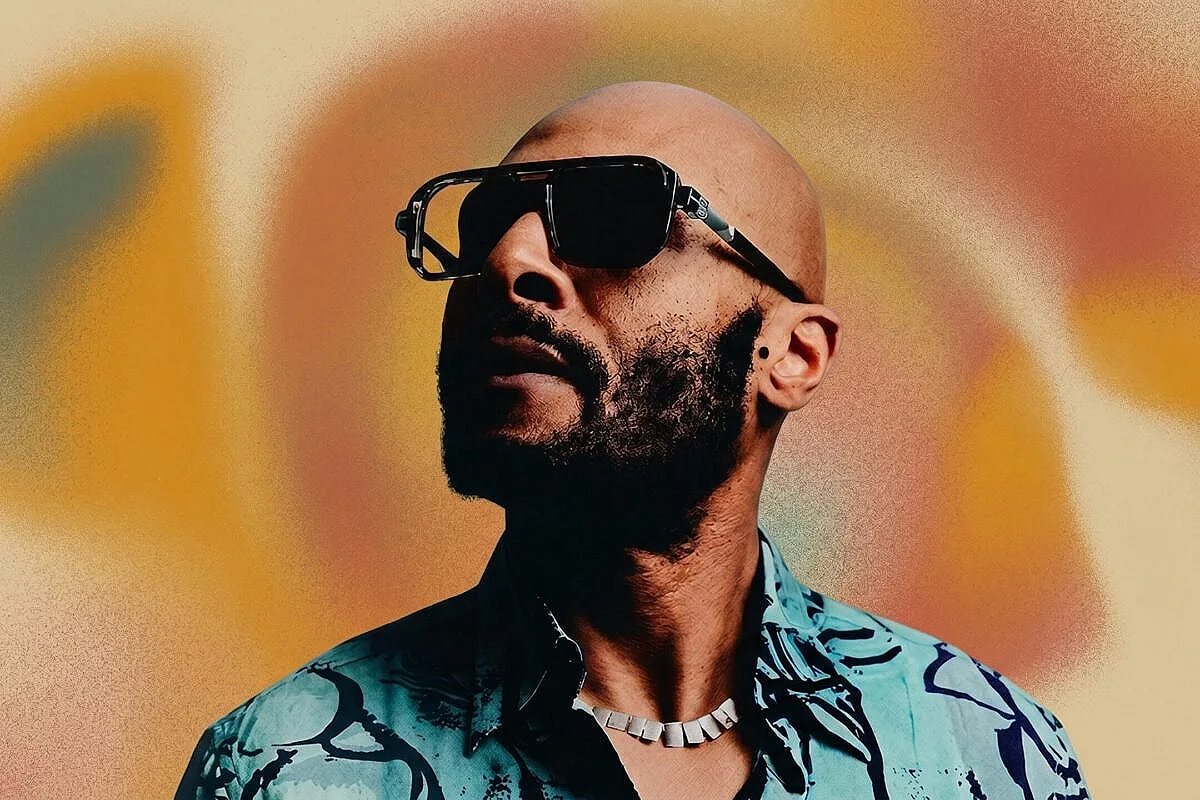
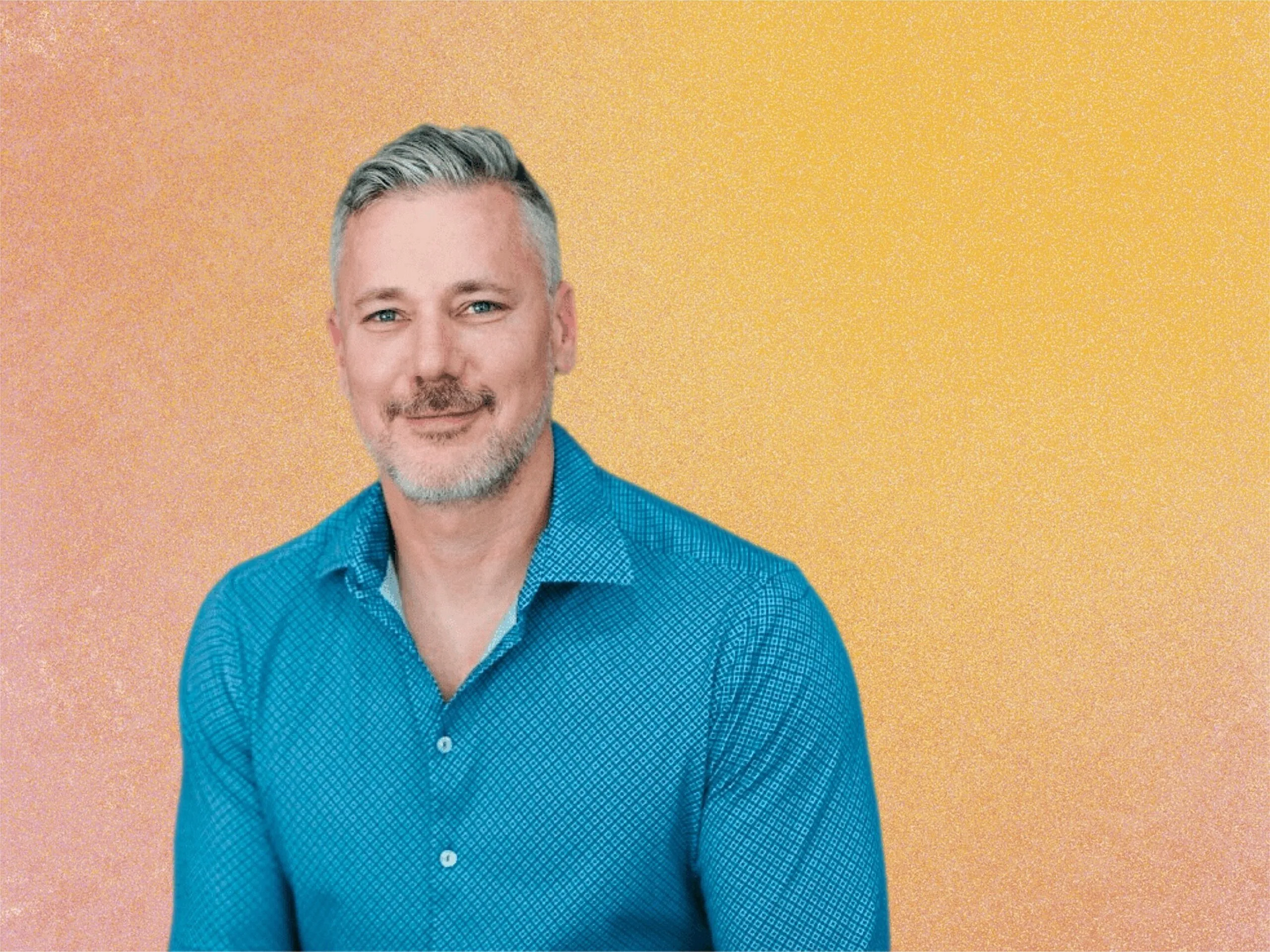
In this episode of the Human Journeys podcast, neuroscientist and PhD candidate Zeus Tipado joins our Senior Editor, Jason Najum for a conversation that moves between psychedelic science, personal trauma, DMT research, therapeutic responsibility, and the deeper question of altered states.
Tipado describes himself first and foremost as a scientist. His current research at Maastricht University focuses on DMT and the visual cortex — what happens in the brain when a person enters the vivid, often overwhelming visual world of a DMT experience. But as the conversation quickly reveals, his path into psychedelics is more than academic.
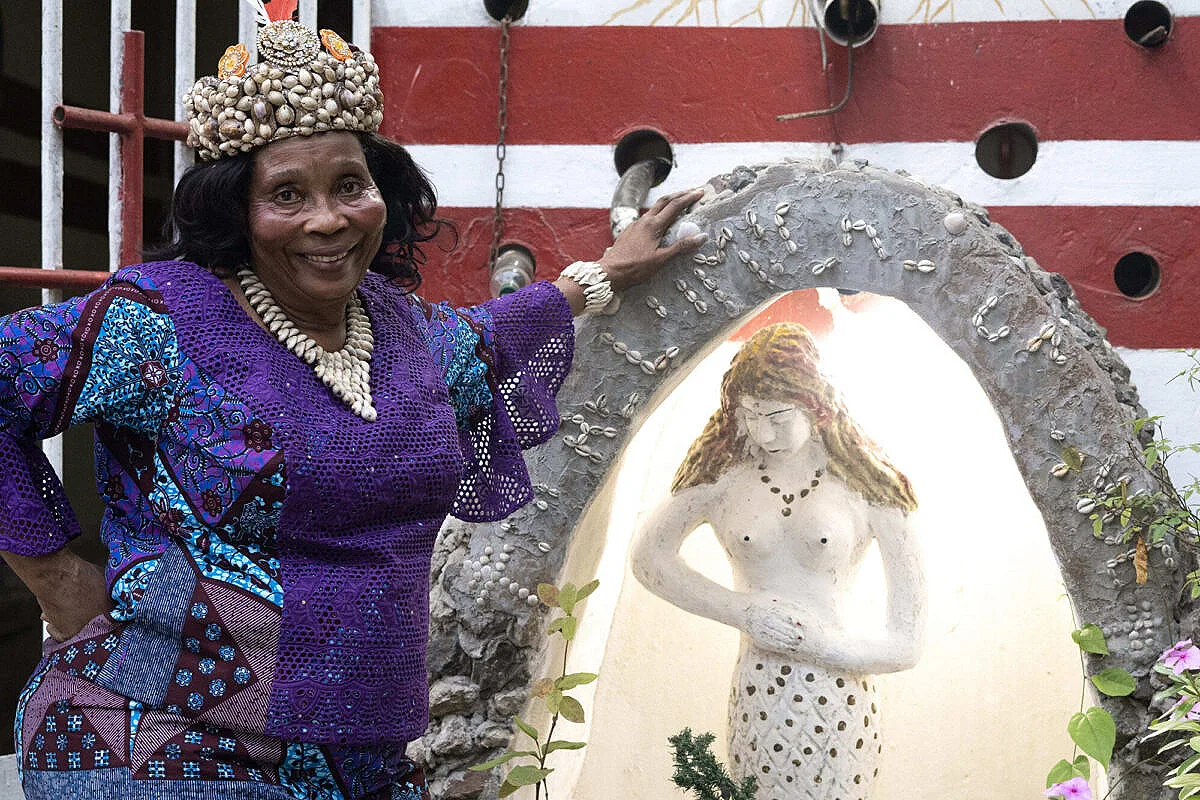
“I was a kid growing up in a household in Louisiana, this very voodoo household where there’s incantations, there’s sort of people being possessed and very nontraditional culture. And that was my first sort of glimpse into the idea of altered states of consciousness.”
From there, Tipado moved from Louisiana to Texas, from voodoo culture to megachurch Christianity, and eventually toward psychology, religion, and neuroscience as a way to understand reality more clearly. His first psychedelic experience — five grams of mushrooms at a college party — pushed that curiosity further, leading him to study both psychology and religion in an attempt to make sense of what he had seen and felt.
One of the strongest themes in the conversation is Tipado’s insistence that psychedelic experiences need to be grounded. While he acknowledges the mystery and intensity of these states, he warns against letting the field drift too far into grandiose or mystical language.
“I think overall we need to change the language that we use when we talk about psychedelic experiences and make them a little bit less grandiose, more personal, so that we can embody these experiences as opposed to believing that these experiences are external things and entities talking to us or different dimensions.
“It’s happening within yourself, and appreciate what your body and your brain is capable of doing and creating. That’s a beautiful thing.”
That grounded approach becomes especially powerful when Tipado shares a story he says he had never shared before.
It was the defining moment of the conversation and one that perfectly captured the spirit of Human Journeys.
Up until that point, we had been discussing neuroscience, DMT, psychedelic therapy, and the future of the field. Then the conversation shifted. The scientist disappeared for a moment, and what emerged was a deeply personal story about fear, anxiety, and survival.
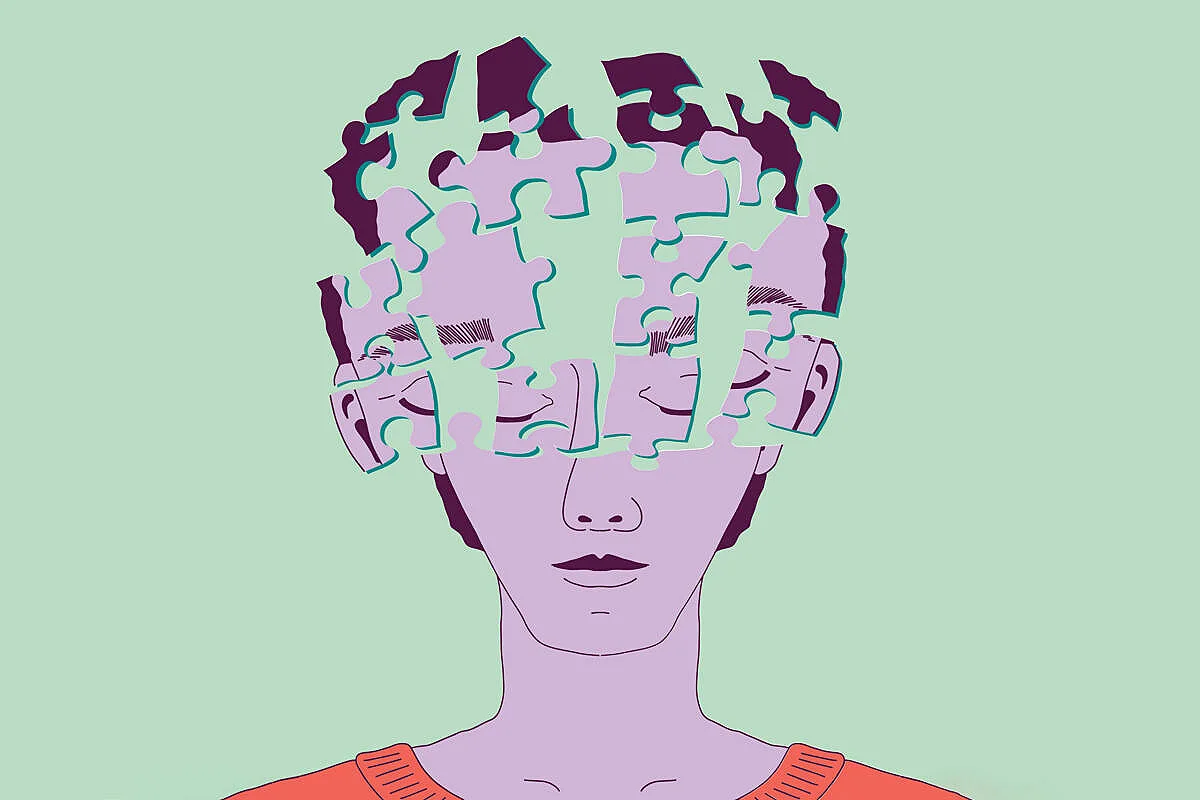
As a child, after becoming dizzy during basketball practice, Tipado entered a long period of panic, anxiety, and fear of death. A sort of psychosis.
He became convinced he might stop breathing at any moment. The fear became so intense that he stopped eating, lost weight, left school, and isolated himself from friends. As he shared the story, the atmosphere in the studio changed. The conversation slowed. It was one of those rare moments where the intellectual discussion falls away and someone allows you to see the person behind the expertise.
“I would be in class and I would all of a sudden run out and find a corner and hide because I thought I was going to die, Jason. I thought that at any second, my heart, my chest, my respiratory system would just give out and I would die. And then it got to the point where I stopped eating because I thought that the food would get caught in my throat and I would die. I would choke. I lost 60 pounds at the age of 11.”
The turning point came unexpectedly through a video game. As he defeated monsters level by level, Tipado felt he was defeating something inside himself. The next morning, he woke up and asked his mother to make him pancakes. It worked. He was healed.
The moment was real and profound, we took a moment to connect and shake hands and acknowledge it.

The most important conversations shaping the future of psychedelics, delivered weekly.
From thought-provoking podcasts and original stories to research breakthroughs and industry news, stay connected to the conversations that matter.


Joined by 12,000+ readers
“So the way I approach psychedelics … I’ve already been to the darkest denizens of my own inner psyche. Nothing, no substance at any amount could ever take me to that point, which is the reason why I’m so adventurous with my own psychedelic use and voyages and adventures.”
In many ways, that story became the emotional heart of the episode. It explained not only his relationship with psychedelics, but also his relationship with fear itself. Long before he became a neuroscientist studying altered states of consciousness, he had already confronted the darkest corners of his own mind. The experience gave him a perspective that continues to shape how he approaches both science and psychedelics today.
From there, the episode widens into a discussion about fear, acceptance, and why psychedelics require courage. Tiparo argues that many people are not afraid of psychedelics themselves, but of what they might discover inside their own minds.
“To take psychedelics requires a level of courage that some people don’t have. And they don’t know that they have it, or else they have fear of their own selves, their fear of what they’re capable of. And that is interesting, to fear yourself.”
The conversation repeatedly returns to a theme that sits at the core of States of Mind’s own approach to psychedelics: moving away from sensationalism and toward personal growth. Rather than focusing on entities, alternate dimensions, or mystical narratives, Tipado argues that the more important question is what these experiences reveal about ourselves.
Discussing the famous DMT “entities” that many users report encountering, he offered one of the most memorable observations of the episode:
“The more interesting question is, why are you seeing entities? What are these entities telling you? Because really, what’s happening is you’re telling something to yourself. That’s it.”
It is a perspective that reframes psychedelic experiences not as journeys away from ourselves, but deeper into ourselves.
The conversation also turns to the risks of a fast-moving psychedelic therapy field. Tipado is clear that therapists and facilitators carry the greatest responsibility, because psychedelic experiences can collapse a person’s usual reality and belief structures. Without proper preparation, protocols, and integration, he says, the field remains too fragmented.
“Integration isn’t just a single-day event. It takes days and weeks to really process these really big, strong, psychedelic changes and experiences.”
Throughout the discussion, we return to the importance of preparation, intention, and support structures. As psychedelic therapies move closer to mainstream adoption, they argue that building trustworthy systems and qualified therapeutic support may be even more important than legalization itself.
Yet despite spending his career studying psychedelics through the lens of neuroscience, Tipado remains humbled by how much remains unknown.
“We aren’t even at the tip of the iceberg when it comes to what psychedelics will give us or will inform us about the human condition.”
At its heart, this episode is not about chasing extraordinary experiences. It is about fear, embodiment, science, healing, and the courage to sit with yourself.
And perhaps that is why Tipado’s childhood story lingered long after the microphones were turned off. Not because it was about psychedelics, but because it was about being human. Beneath the neuroscience, the research papers, and the debates about consciousness was a simple reminder that healing often begins when we stop running from our fears and finally face them.
That, more than anything, is what Human Journeys is all about.