Advocating For Veteran Psychedelic Therapy in Ukraine
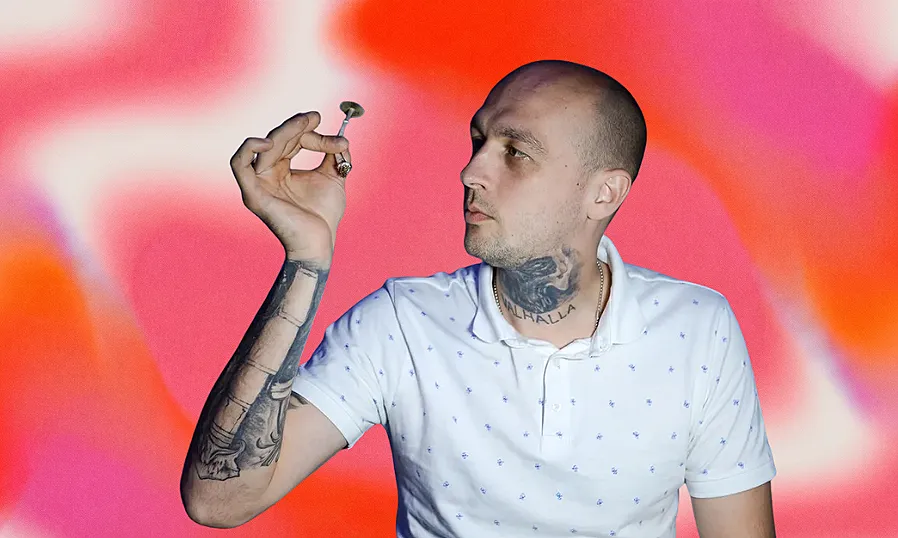
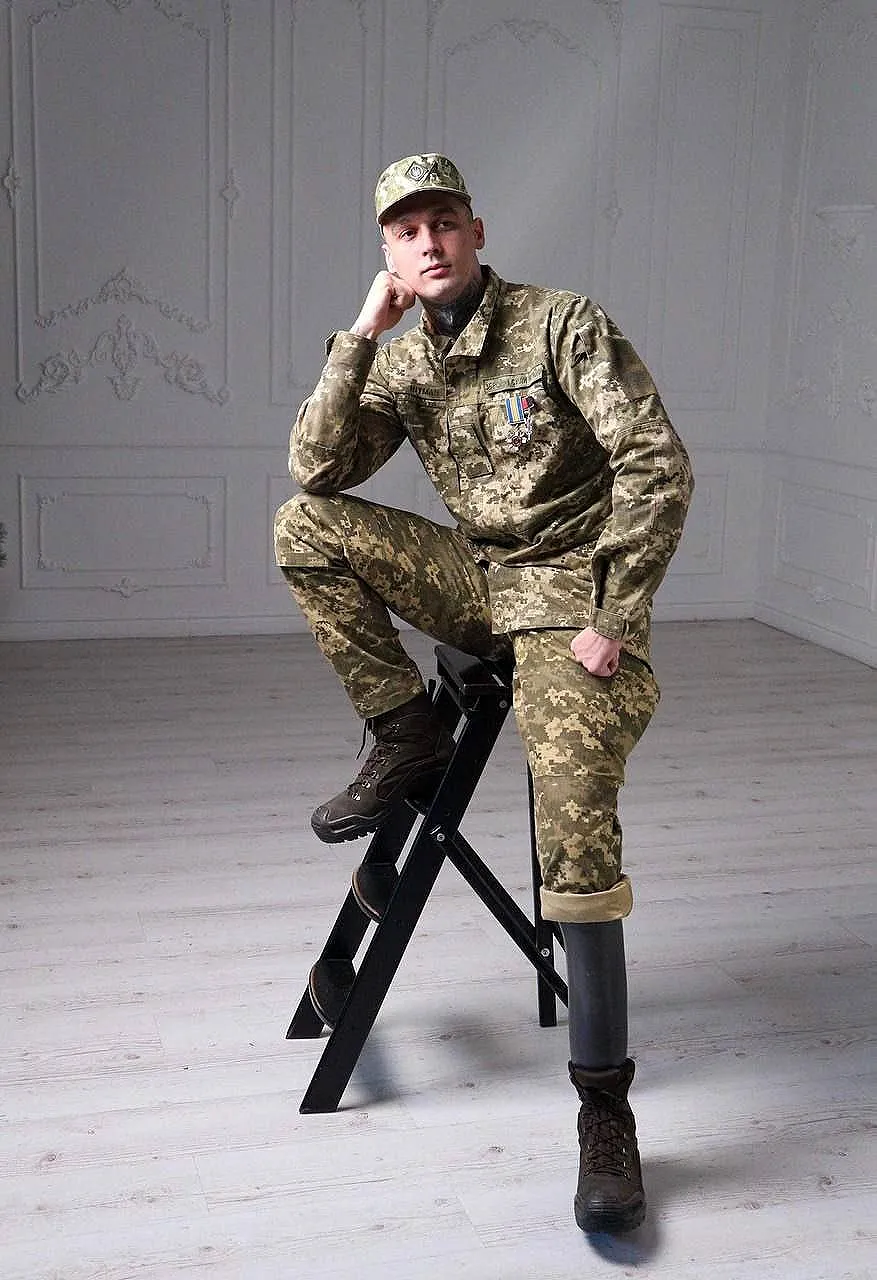
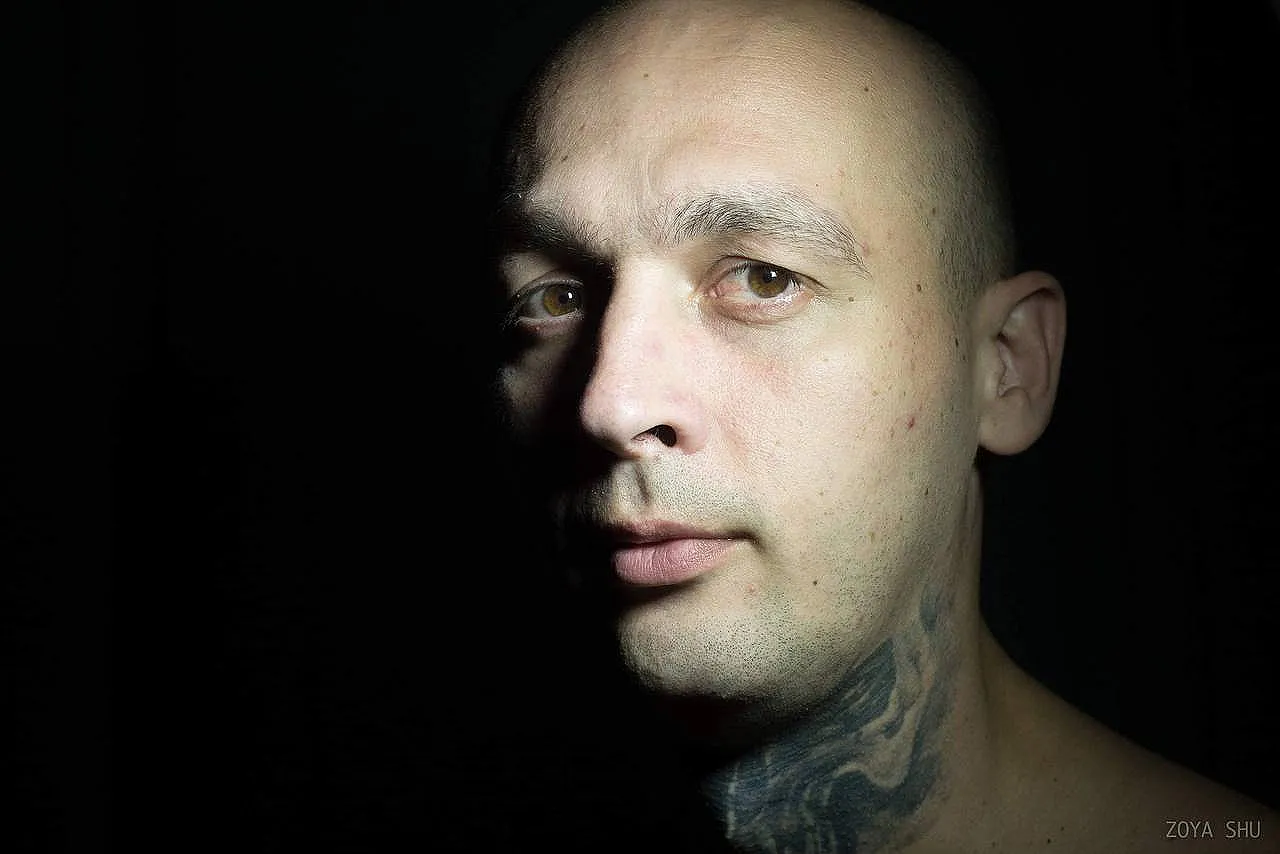
Battling with mental health issues from his experience during the war and finding relief in psychedelic-assisted therapy, Stanislav Hibadulin has helped to establish the Ukrainian Psychedelic Research Association (UPRA) which is now advocating for psychedelic therapy access for veterans.
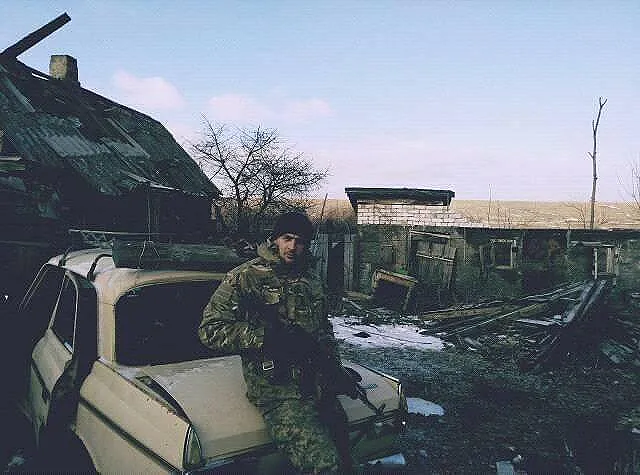
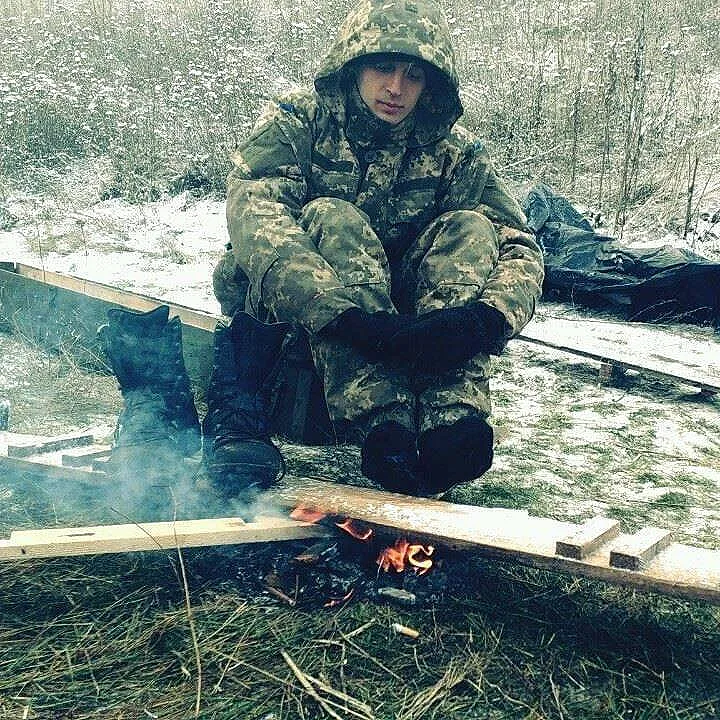
Hibadulin became involved in the Ukrainian-Russian war in 2015 before the full-scale invasion. Born in the Republic of Moldova — a country between Ukraine and Romania — Hibadulin had already seen the impact of the war with Russia in 1982, and wanted to support Ukraine in the unfolding conflict.
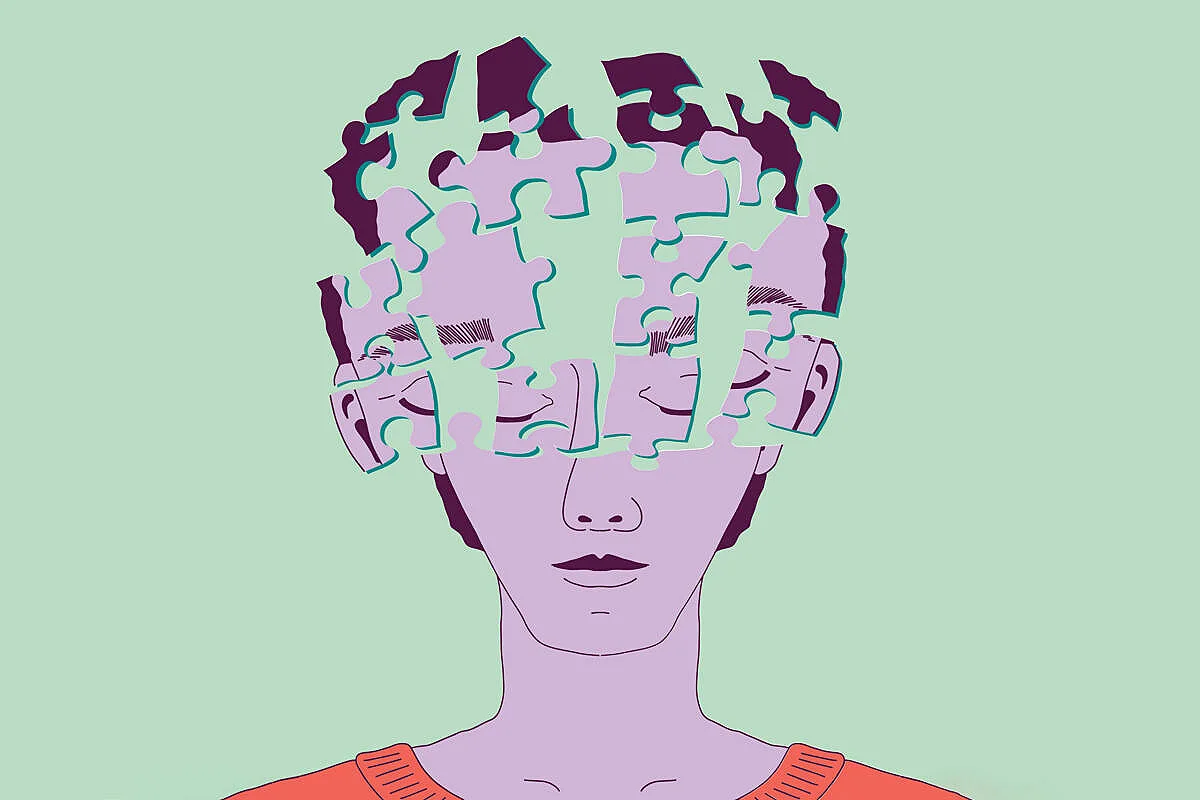
Hibadulin developed post-traumatic stress disorder (PTSD) and depression after losing his friend and “soulmate” when they were both injured on the frontline.
“I decided to go and fight for Ukraine, and after some challenges and injuries in the war, I got PTSD,” explains Hibadulin.
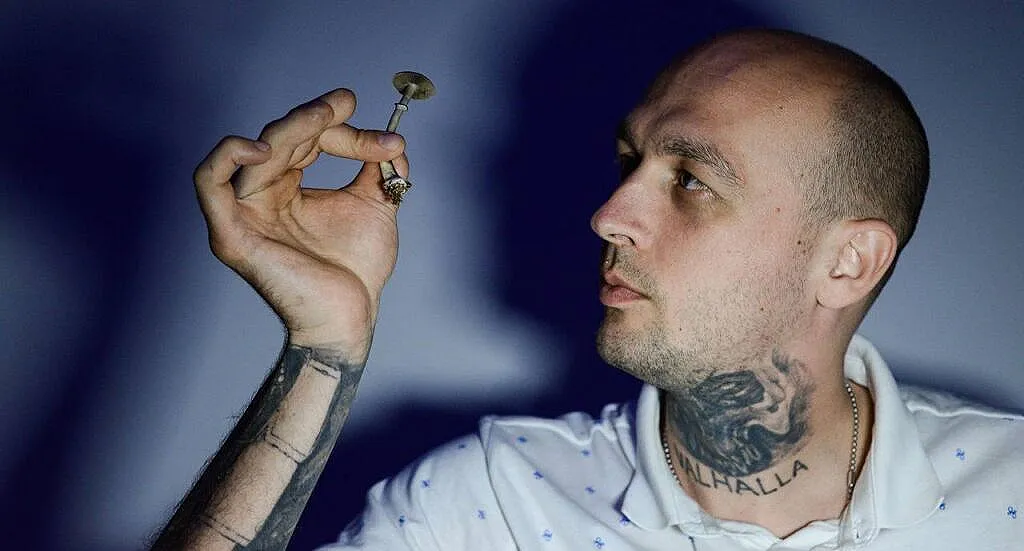

Psychedelic Therapy Changed My Life
Exploring a number of different treatments and therapies to help with the condition, Hibadulin didn’t find relief from his symptoms. Serendipitously, he then found himself with the opportunity to try psychedelic-assisted psychotherapy.
“I think that was the most transformative experience in my life — I could definitely feel the PTSD growth after this therapy. Everything in my life changed after it,” he says.
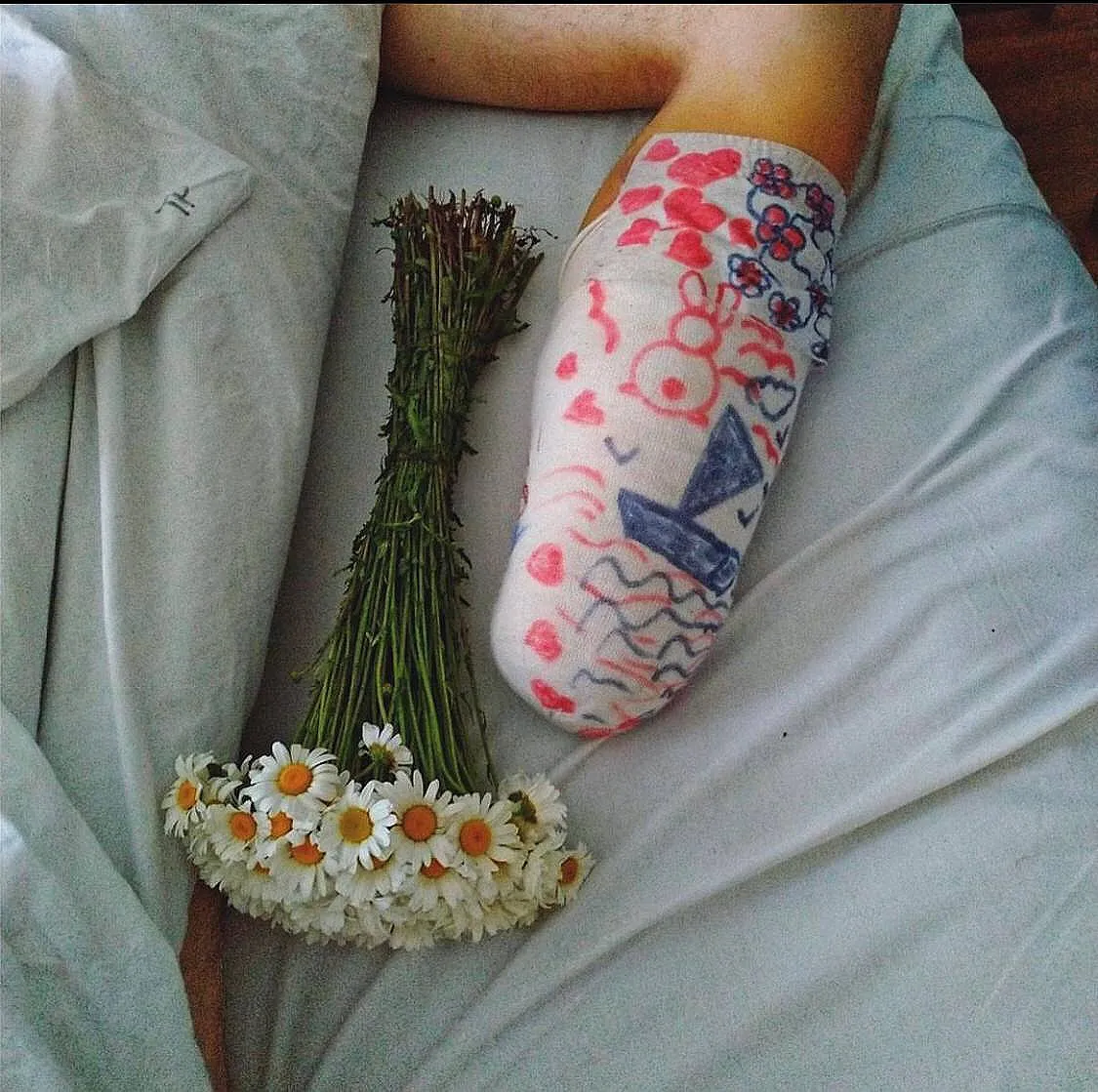
“When we were injured, we both got a critical injury — my friend got a critical injury in his neck, and I’ve got a critical injury in my abs up and my right leg. We started an evacuation on the front line to get medical assistance.
“I didn’t believe in God so much at that time, but when I was losing my consciousness, I realized that it could be my last day on the Earth, and I prayed to God to leave my friend alive and take my soul, take my life instead. That’s how much I loved my friend. I was ready to sacrifice my life for him, which was the reason why I had PTSD.”
Hibadulin explains that he blamed himself for being alive, a common and traumatic response often experienced by survivors called survivor’s guilt.
“I survived, and my friend didn’t, and psychedelic-assisted therapy helped me to change my views about that.”
I realized after this therapy that blaming myself wouldn’t help anything, and it wouldn’t help my friends to feel better or change something.
Hibadulin says he also realized that he could not be silent about his experience.
“I understood, and I know what pain and suffering is. I wouldn’t want anyone, or any veteran, to feel that suffering. I realized that this can help people and can heal their souls and bodies.
So, I decided to talk about that. Now, we have a huge improvement in healing with that kind of therapy — many, many veterans are telling their stories.”

The most important conversations shaping the future of psychedelics, delivered weekly.
From thought-provoking podcasts and original stories to research breakthroughs and industry news, stay connected to the conversations that matter.


Joined by 12,000+ readers
Calls For Compassionate Use Programmes In Europe
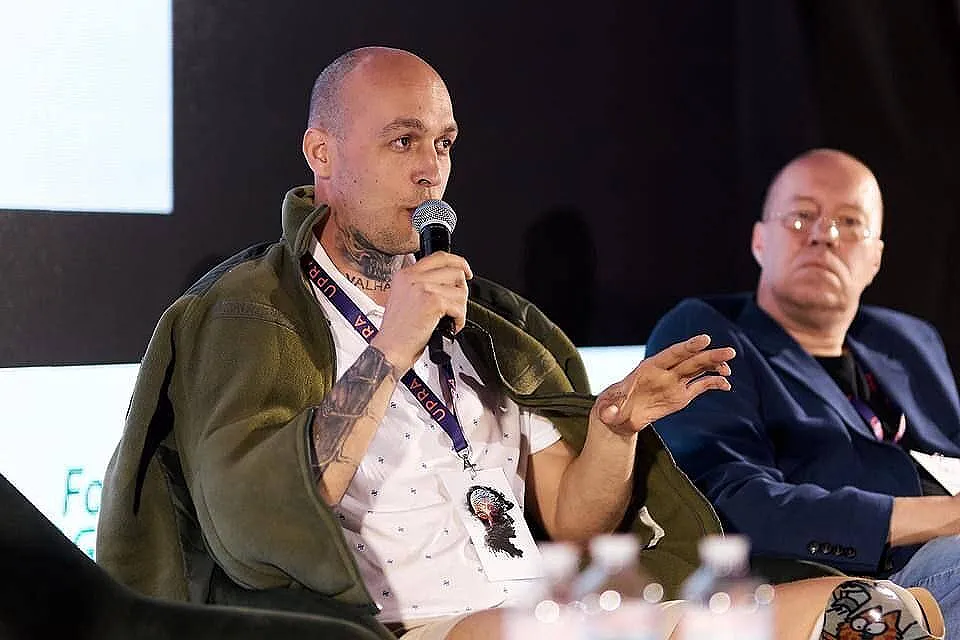
To advocate for access to psychedelic therapy for Ukrainian veterans, this year Hibadulin attended the European Parliament to speak to its Members to advocate for change in psychedelic research and access in Ukraine.
The event was organised by UPRA, European advocacy group PAREA and the MEP Action Group on Psychedelics in Healthcare, and was hosted by MEP Vytenis Andriukaitis.
The European Psychiatric Association (EPA) joined the event where EPA Past President, Professor Geert Dom, held a presentation on initiatives to support mental health care in Ukraine and set clinical guidelines for implementing psychedelic therapies in practice in Europe.
The EPA has previously published a policy paper on psychedelic use in psychiatry in Europe, which highlights the potential benefits and challenges of psychedelic treatments which may be relevant for the future real-world implementation of the therapies.
Speaking to States of Mind, Professor Dom says that the prevalence of PTSD in Ukraine due to the ongoing conflict justifies the need for a compassionate use programme in Europe — similar programmes of which have already been implemented in countries such as Australia and Canada.
The paper suggests that further research is needed in larger trials to “assess the efficacy and safety of both the pharmacologic drug aspects and the psychosocial therapeutic context”.
Furthermore, the paper highlights the need for national and international medical and scientific bodies to deliver broader clinical protocols and guidance that prioritise safety, effectiveness, and accessibility.
Importantly, the paper calls for action to develop protocols and standards on a European level, noting that these protocols should guide different European countries to develop their own, context-specific national protocols.
“With its policy paper the EPA highlights the importance of well developed guidelines and protocols when implementing psychedelic treatment within the regular mental healthcare systems,” says Professor Dom.
“However, the possibility of well defined and closely monitored compassioned use programs need to be considered in special situations where a great care need can not be met by other more conventional interventions.”
As such, given the enormity of the burden of PTSD within Ukraine in the context of the ongoing war, reflects an overpowering clinical need that in my view justifies the implementation of such a compassionate use program.
Hibadulin says that the goal is to change the schedule of psilocybin from Schedule I to Schedule II to enable such access. A Memorandum of Understanding has also been established between UPRA and PAREA which aims to open safe and equitable access to psychedelic-assisted therapies for those in Ukraine who have developed treatment-resistant PTSD.
“I believe changes will come naturally,” says Hibadulin.
“I believe that Ukraine can be a country and a hub for psychedelic therapy. The only thing that we need is the same bravery in the government as the people who are working on legalizing those substances, like lawmakers, have, and as people in the army have.”
I believe we will see a huge change in how we can manage and heal traumas after war.