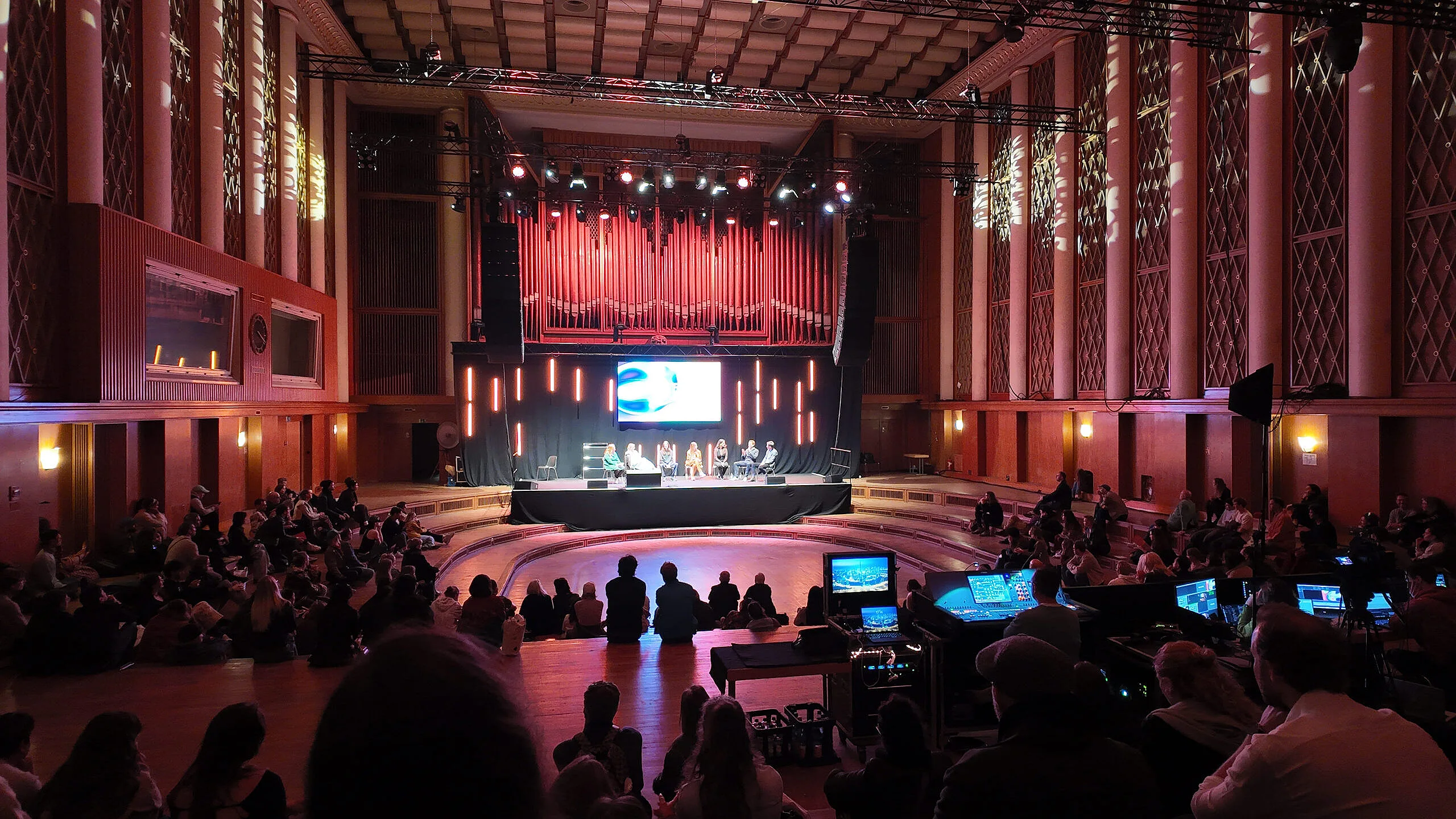
Europe’s Psychedelic Moment: ICPR Conference 2026
The Interdisciplinary Conference on Psychedelic Research brings the best minds in psychedelic science together in one place. ICPR 2026 — the seventh edition of Europe’s premier psychedelic research conference — ran June 4–6 at the Philharmonie in Haarlem, the Netherlands, organised by the OPEN Foundation.
It’s a conference that takes the science seriously. Where science, practice, and policy meet, with a strong focus on knowledge, impact, and the future of the field. Over three days, more than 100 interdisciplinary speakers led keynotes, panels, and workshops, drawing researchers, clinicians, therapists, policymakers, and entrepreneurs from across Europe and beyond.

Why it matters: Europe is catching up
The psychedelic renaissance has largely been a North American story. The clinical trials, the headlines, the regulatory breakthroughs — much of it driven by US and Canadian institutions, funded by venture capital, and amplified by a very loud cultural conversation. Europe has moved more quietly.
At the opening talk, OPEN Foundation executive director Joost Breeksema acknowledged this directly. Europe, he said, has approached the field with a certain measured temperament — and yes, watching the fast pace of activity in the US can feel frustrating. But consider what’s driving that pace: financial pressure, political volatility, pharmaceutical companies, celebrities, and tech entrepreneurs chasing the next frontier. Europe’s slower, more deliberate approach, Breeksema argued, looks less like hesitation and more like maturity.
That framing set the tone for everything that followed. Conferences like ICPR are how Europe builds its own version of this field — grounded in rigour, ethics, and genuine interdisciplinary exchange.
But is it time to take the next step?
A strong speaker lineup
The 2026 program brought together an impressive cross-section of the field. Anil Seth, Professor of Cognitive and Computational Neuroscience at the University of Sussex, was among the headline speakers — his work on consciousness and perception offering one of the sharpest scientific lenses on what psychedelics actually do to the brain. John Vervaeke, Associate Professor of Psychology at the University of Toronto, brought his distinctive philosophical perspective on meaning-making and transformation.
On the clinical and therapeutic side, Swiss psychiatrist Peter Gasser — a pioneer in psychedelic-assisted psychotherapy — joined psychologist Helena Aicher from the University of Basel, and Anne Wagner, one of Canada’s leading voices on trauma-focused psychedelic therapy. Grace Blest-Hopley, neuroscientist and founder of Hystelica, brought her research on psychedelics and the female experience. Other names included Paul Liknaitzky from Monash University’s Clinical Psychedelic Lab and Harriet de Wit, professor of psychopharmacology at the University of Chicago.
The most important conversations shaping the future of psychedelics, delivered weekly.
From thought-provoking podcasts and original stories to research breakthroughs and industry news, stay connected to the conversations that matter.


Joined by 12,000+ readers
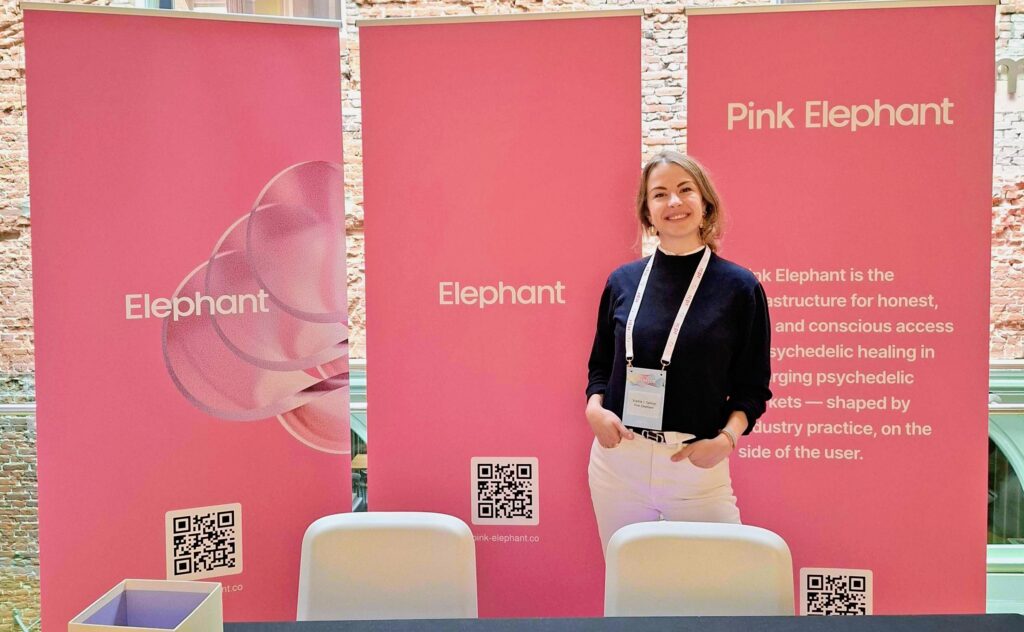
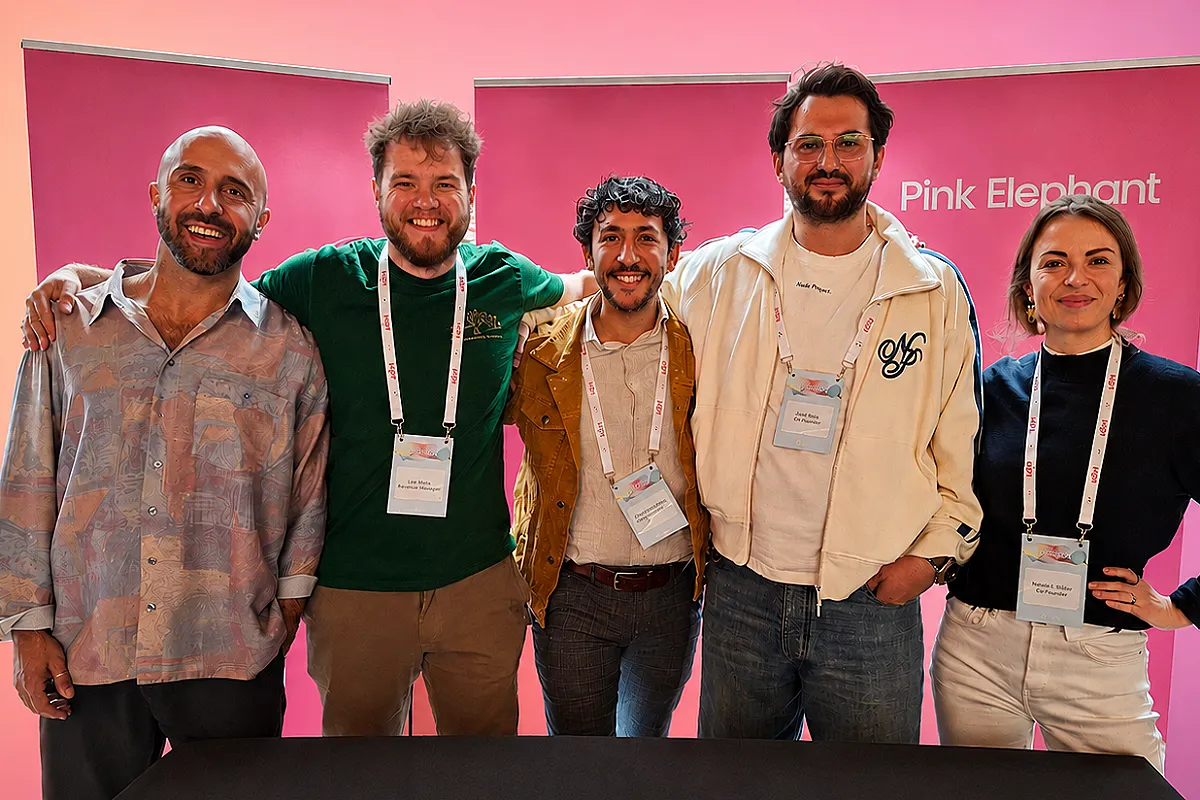
Pink Elephant at ICPR
This year, Pink Elephant joined ICPR as an exhibitor (Pink Elephant is the parent company of States of Mind).
The European psychedelic space is growing fast, but much of the infrastructure it needs doesn’t exist yet: no shared standards, no trusted verification systems, no mainstream media voice unifying the space and helping everyday people make sense of it all.
Pink Elephant is trying to fill this gap. At ICPR, Pink Elephant showcased three of its projects: States of Mind, our psychedelics media platform; PsyStandard, our provider verification framework; and Mirari, our psychedelic education platform. Three pieces of the infrastructure puzzle.
Highlights and key takeaways
Honestly? The Pink Elephant team was too busy on the exhibition floor to see many panels. Our experience of the conference was on the ground, in conversations, catching up with researchers and clinicians, and connecting with a range of people across the European ecosystem
And message from attendees was consistent: the European psychedelic community is hungry for more. More infrastructure. More coordination. More investment. More ways to connect what’s happening in the lab with what people actually need in their lives.
ICPR is where that conversation happens in Europe. We were glad to be part of it.