How to Choose a Psychedelic Therapy Clinic Offering Guided Sessions
In recent years, amid the psychedelic renaissance, the latest trials and research findings tend to get more attention than the practical questions — like how to wisely choose a clinic or a service for psychedelic-assisted therapy. What kinds of clinics exist? What should you look at first? How do you know a therapist is qualified? There are plenty of questions here, and beyond the polished promo copy on clinic websites, not many clear answers.
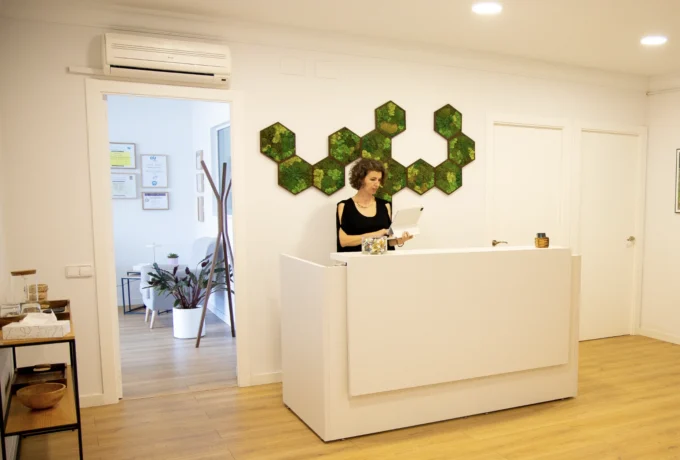
That’s why we set out to explore these questions at States of Mind. In our new format, we dive deeper into providers’ perspectives to create practical guides for psychedelic therapy services — built directly with the practitioners doing this work. To hear firsthand from the experts in the field, we spoke with Òscar Parés, founder of Clínica Synaptica in Barcelona, and Marta Martín Islas, a psychologist at the clinic. We should note here: their perspective is editorial, it’s not a paid endorsement.
A clinic’s unique approach matters, and far more than you might expect. The substance itself is only half the story. “Set and setting” (your mindset + surroundings during a session) shape both the experience1 and the outcome. The team at a trustworthy clinic helps balance the inner and the outer, creating a safe space for the experience to unfold. And importantly, there are no universal “best” clinics. The choice always depends on what matters to you: your goals, your mental health needs, your circumstances. Here’s how to weigh it all up.


What a “guided psychedelic therapy session” means
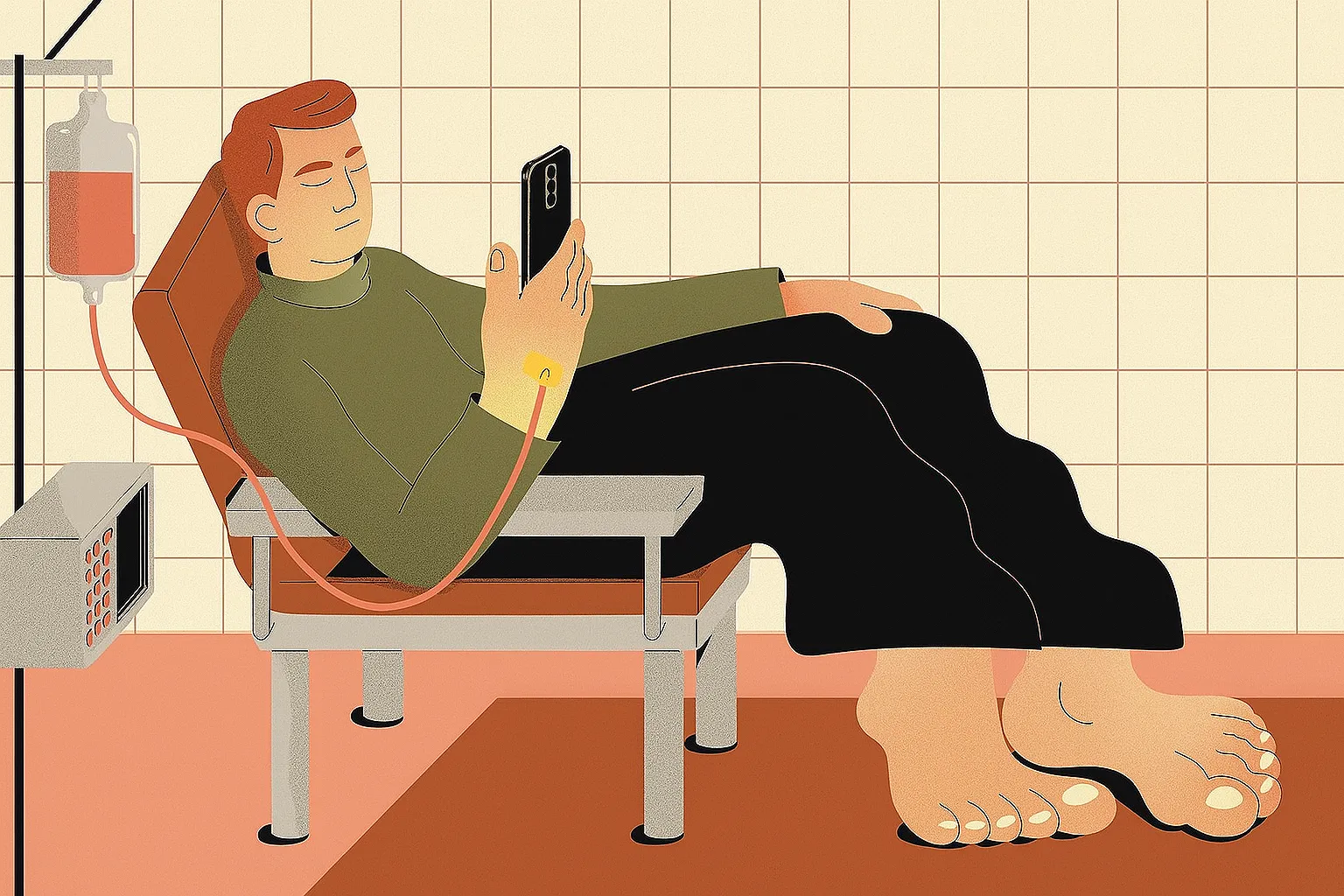
First, the fundamentals. Psychedelic therapy isn’t the same as a trip. It’s a structured therapeutic framework with several stages. It’s more of a container — one that holds psychotherapy before and after the experience. The medicine is given in a safe clinical setting, trained professionals stay with you throughout the journey, and facilitation is essential. This supervision is what separates therapy from simply taking a psychedelic.
Across the research, the same framework shows up everywhere. Almost every published clinical protocol, whatever the substance, isbuilt on three phases2:
- Step 1 — Preparation.
This is where the transformation actually begins. You and your therapist get to know each other, go over your medical history, and talk through what’s coming next. Together you set your intentions, shape the “set and setting” — and that’s no small thing. - Step 2 — Supportive dosing.
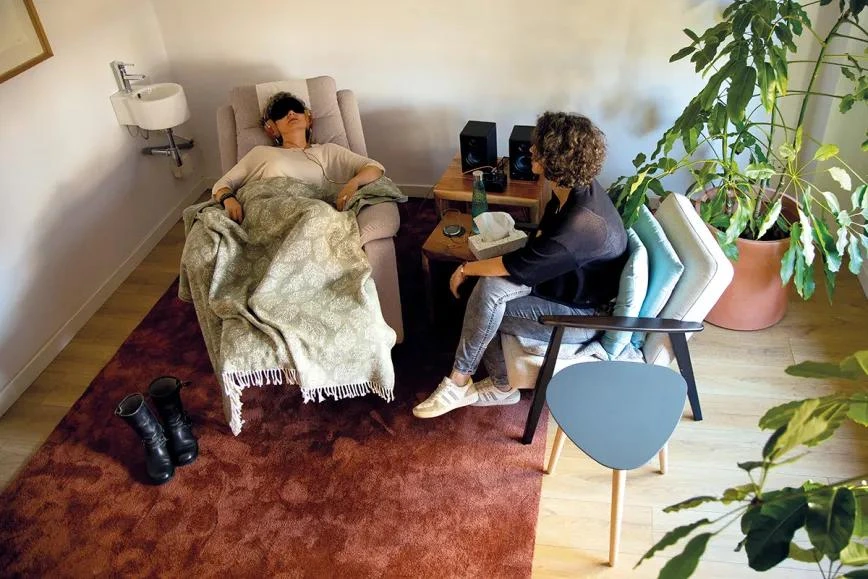
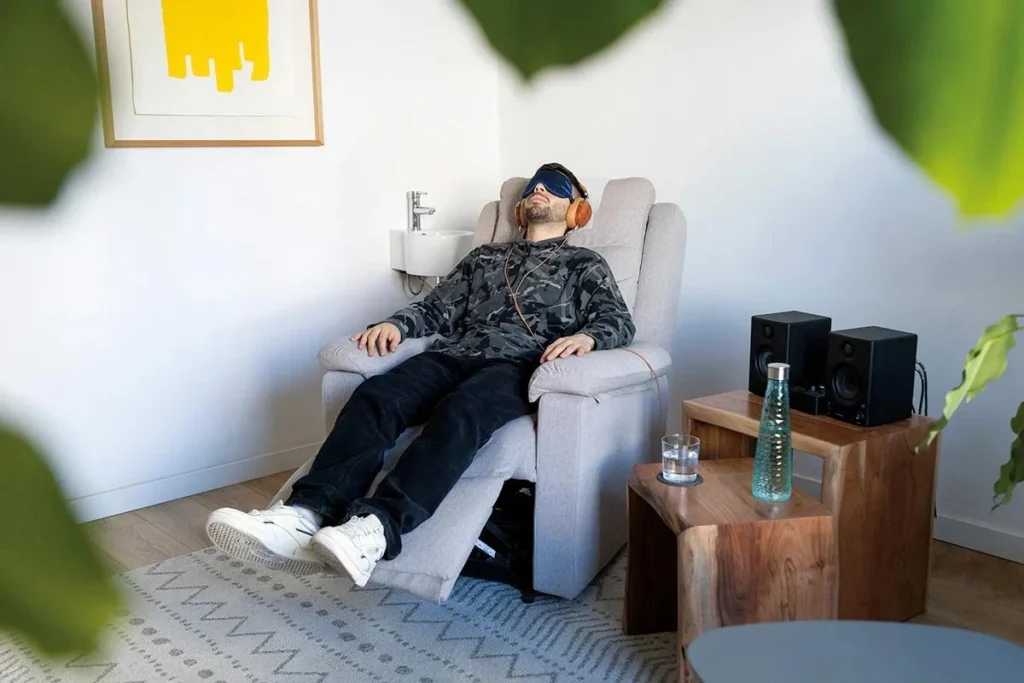
The medicine is administered while you rest back comfortably, often with eyeshades and music, under continuous supervision. Depending on the substance, this phase runs from a couple of hours with ketamine to 6-8 hours with psilocybin2. - Step 3 — Integration.
Afterward, your therapist helps you make sense of what came up and turn it into real-life change. Integration can be described4 as “a bridge from the psychedelic experience to everyday life”, and it’s widely considered essential to lasting benefits.
So a clinic that offers only the dosing session in between is really giving you only a third of the experience you’re seeking. Overall, the idea that the substance does all the work by itself — “the magic bullet myth” — is the most common misconception Òscar Parés comes across.

Sometimes you get people who don’t want to do any kind of therapy alongside the treatment, viewing it purely as a pharmacological process. Other times, you find people who believe psychedelics will give them the answer they have always been looking for and couldn’t quite reach, a magical revelation that will suddenly change everything. On both these extremes, what is often missing is a search within, a sense of agency over our own processes and what we can and cannot change.
As Òscar sees it, the therapy is an active investigation into ourselves. Into what we carry that no longer helps us, and the strengths we haven’t yet been able to see. It’s a process that can be demanding, and one that asks for real participation and commitment.
But you’re never in it alone. Throughout the whole journey, the guiding — and the guides themselves — play a central role. Therapists support you through the inner work, medical staff handle screening and physical safety, and in many programs, both stay with you for the entire dosing session.
The main models of psychedelic therapy
Psychedelic-assisted therapy, or PAT, is an umbrella term. Underneath it sit several models, defined mostly by the substance and its local legal status — each has a different evidence base for a variety of mental and physical health conditions.
Ketamine-assisted therapy
The most established and accessible model. It has decades of clinical use and a substantial body of safety research: ketamine shows fast-acting antidepressant and anti-anxiety effects. The most studied uses so far are for depression5, including treatment-resistant cases, and for rapidly easing suicidal thoughts6.
At Clínica Synaptica, Òscar and Marta work with ketamine exclusively — one of the few substances that can be used legally for therapy in Spain — and their approach leans heavily on psychotherapy. That’s how Òscar frames the medicine itself:
We view ketamine, and psychedelics, as an extremely useful tool that can aid with change, when used with care and attention. Through these experiences, we can reach new understandings and open up new ways of thinking and feeling. Integration and therapeutic accompaniment are vital for this, to offer a dialogue that can advance insight and to build on any realizations that come through the sessions.
Psilocybin-assisted therapy
The focus of the most active depression research, with FDA “breakthrough therapy” status since 2018 and several positive trials7 in treatment-resistant depression. It’s also been studied for end-of-life anxiety8, addiction9, and eating disorders10.
MDMA-assisted therapy
The most studied model for trauma, with Phase 3 trials showing significant improvements in PTSD11. It’s still mostly confined to clinical and trial settings.
Retreat-style and plant medicine ceremonies
They’re built around substances such as ayahuasca, psilocybin mushrooms, or ibogaine. These are outside the clinical world and work very differently: people usually come looking for personal growth, transformation, or spiritual exploration more than treatment for a diagnosed condition. The ceremonies are facilitated in their own way, and safety protocols can be looser than in a clinic — though retreats still carry out initial screening before you start.
The legality of all these models varies enormously from country to country, and none of them is legal everywhere. Ketamine-assisted therapy is the most widely available for non-research treatment12, which is why most “psychedelic clinics” open today are, in practice, ketamine clinics. Before you go any further, please check the current legal status — whether in your region or in the country abroad where you’re considering treatment.
What guided sessions look like
So what does a good facilitated journey look like, start to finish? Every clinic runs things a little differently, but Òscar and Marta walked us through how it works at Clínica Synaptica13.
The journey starts before preparation even begins, with screening. An initial one-hour clinical interview with a psychiatrist assesses whether the treatment is suitable and safe for each candidate. This stage matters: a responsible clinic can, and sometimes will, say no. From here, the three-stage therapy process begins. Here’s how Marta describes it:
Once suitability is confirmed, we move into the preparation phase. The approach is simple. During the preparation session we offer a space for the person to share their doubts and questions about the process. We explain in detail how the sessions will look like and how they are structured, and talk about how any potential difficulties could be faced during these experiences, be it high blood pressure, nausea, or challenging moments. We also reach agreements about things like touch and music.
Most importantly, the preparation session is where the therapeutic relationship starts to take shape. Marta and the team begin building an alliance with the person, asking about their goals for the treatment, their values, their past, and their fears. The team is also upfront that the psychedelic experience is unpredictable — and that this unpredictability can be part of its immense value. The aim is for the person to feel as safe and comfortable as possible. Sometimes that means deciding together to add more preparation before the first session, just to strengthen that sense of safety.
With preparation complete, it’s time for the dosing session itself.
Firstly, we check-in. Has anything changed from the last (preparation) session? What have they noticed? We inquire about what they bring into the session today, and hold space for that to emerge. Then comes the experience itself, which most of the time is a trip within, using an eye mask and music. These experiences are generally not guided themselves, although sometimes they can be, with proper preparation and planning beforehand.
Lastly comes the integration. After the effects have worn off, we help them to order the experience in their minds and bodies, to put some pieces of the puzzle back together and really anchor and solidify what they have gone through. Sometimes, we can make sense of it immediately. Other times, it requires some time to process and ferment, and we will offer additional integration in the days following the session.
In other words, when we talk about “guided” sessions, the guiding mostly happens in the preparation beforehand and the integration afterward. The dosing experience itself is usually an inward journey, so in many clinics it’s less “guided” in the active sense, and more accurately described as “supervised”.

The most important conversations shaping the future of psychedelics, delivered weekly.
From thought-provoking podcasts and original stories to research breakthroughs and industry news, stay connected to the conversations that matter.


Joined by 12,000+ readers
Safety and handling difficult experiences
Many people also worry a lot about having a “bad trip” during therapy14. The tricky part is that “bad trip” means very different things to different people: anything from the simple strangeness of the experience to frightening visuals, thought loops, or even panic attacks. For Òscar Parés, though, there’s a clear line between a “bad trip” and a temporary challenging moment.
A challenging moment, he explains, feels like a flash of fear or anxiety that surfaces during a session, often carrying some personal weight or symbolism. Most of the time, it passes with support rather than intervention.
These moments can be transitioned through with some exercises for regulation. Experienced people can connect to their breath or other resources available and navigate these moments alone. Others require a gentle touch, or a brief conversation with the therapist. Mostly it just requires time, and holding space.
These moments, he adds, are often transitory and highly valuable for the integration. Just occasionally, if someone stays extremely anxious and the situation doesn’t ease, medication can help, though most of the time it isn’t necessary.
“Bad trips”, in Òscar’s view, are a very different thing. “They represent a break with reality or with ourselves that can be quite extreme and frightening. They are not always ours — what I mean by this is that they don’t always represent something we have been carrying with us, a fear or trauma, but can come from without, can be something so alien and foreign we can’t even begin to recognize it.”
Even these, he says, can hold real value. With proper integration and support, moving through them can build confidence and resilience15 and reveal new strengths and new ways of thinking and coping. The approach here is the same as with challenging moments — though bad trips tend to ask for more afterward: more aftercare, more space for integration, and more room for self-care and compassionate inquiry.

What makes a clinic worth choosing
So how do you put all of this into practice when picking a clinic? The first thing to catch your eye might be a tempting ad in your feed or a sleek website. While good design can earn a clinic a few bonus points, it’s nowhere near the main thing.
Here’s a checklist you can run on any psychedelic clinic you’re considering. A strong one will tick most, if not all, of these boxes.
- Medical screening included. A proper assessment of any contraindications, the medications you’re taking, and your psychiatric and medical history before they accept you into a program.
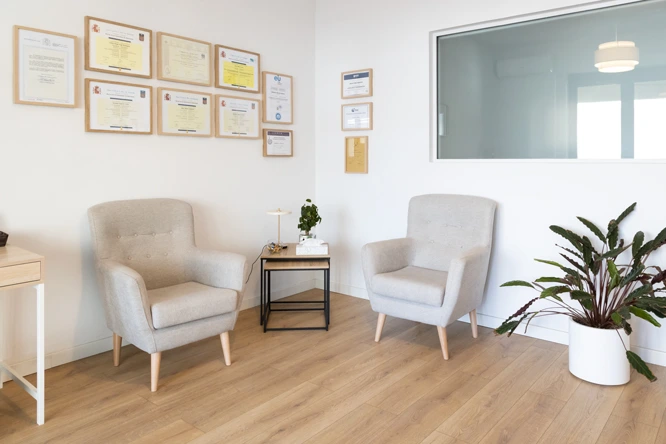
- Qualified staff. Credentialed therapists, on-site medical supervision, and facilitators with recognized psychedelic therapy training.
- The full PAT protocol. Preparation and integration sessions included by default.
- Safety infrastructure. Clear emergency protocols, a safe dosing environment, and continuous monitoring.
- Substance and sourcing. A pharmaceutical-grade medicine, plus clear information on its origin and the doses used.
- Evidence-based approach. Honest, research-based information — including who the therapy isn’t right for.
- Aftercare and further integration support. Ongoing care and continuity once your sessions end, so you’re not left on your own afterward. Some clinics offer journaling apps or telemed check-ins to stay connected with clients after the program.
- Transparency on cost and outcomes. Clear pricing and realistic expectations instead of guarantees.
Even when a clinic meets most of these criteria, it’s still worth arranging an intro call with someone from their team. It never hurts, and it’s your chance to ask all the less-obvious questions you couldn’t find answered on their website or socials.

Questions to ask before you book
That intro call is the perfect moment to dig deeper. Knowing what to ask is half the battle, especially when the whole topic is new to you. So we asked Òscar and Marta what they’d want to find out first if they were choosing a clinic themselves. Here’s what made their list:
- Who leads the screening? Are they a psychiatrist who really understands psychedelics?
- What’s the wider therapy team like, and what training and approaches do they bring?
- How flexible is your approach? Do you adapt things like dosage, frequency, and session length to each person?
- How is psychotherapy woven into the process, not just the session itself? Is enough time given to preparation beforehand, and what does follow-up and integration support look like afterward?
Why exactly these? For the Clínica Synaptica team, therapy starts with who runs the screening — ideally a psychiatrist who deeply understands psychedelics, their potential and their risks alike.
Beyond the psychiatrist, it’s worth asking about the wider team of therapists. A team trained in different modalities and approaches tends to serve patients better, since psychedelic-assisted therapy benefits from that range of perspectives. Personal psychedelic experience is important as well, although perhaps not vital.
It’s also worth asking directly how the clinic adapts its protocols to the individual. As the team puts it: “In our experience with ketamine-assisted psychotherapy so far, the more we can personalize the approach, be it dosage, frequency, or length, the better the results.”
And there’s one thing you can only judge for yourself, Òscar and Marta note: how a clinic actually makes you feel — comfortable in the space, listened to, met with genuine warmth and empathy.
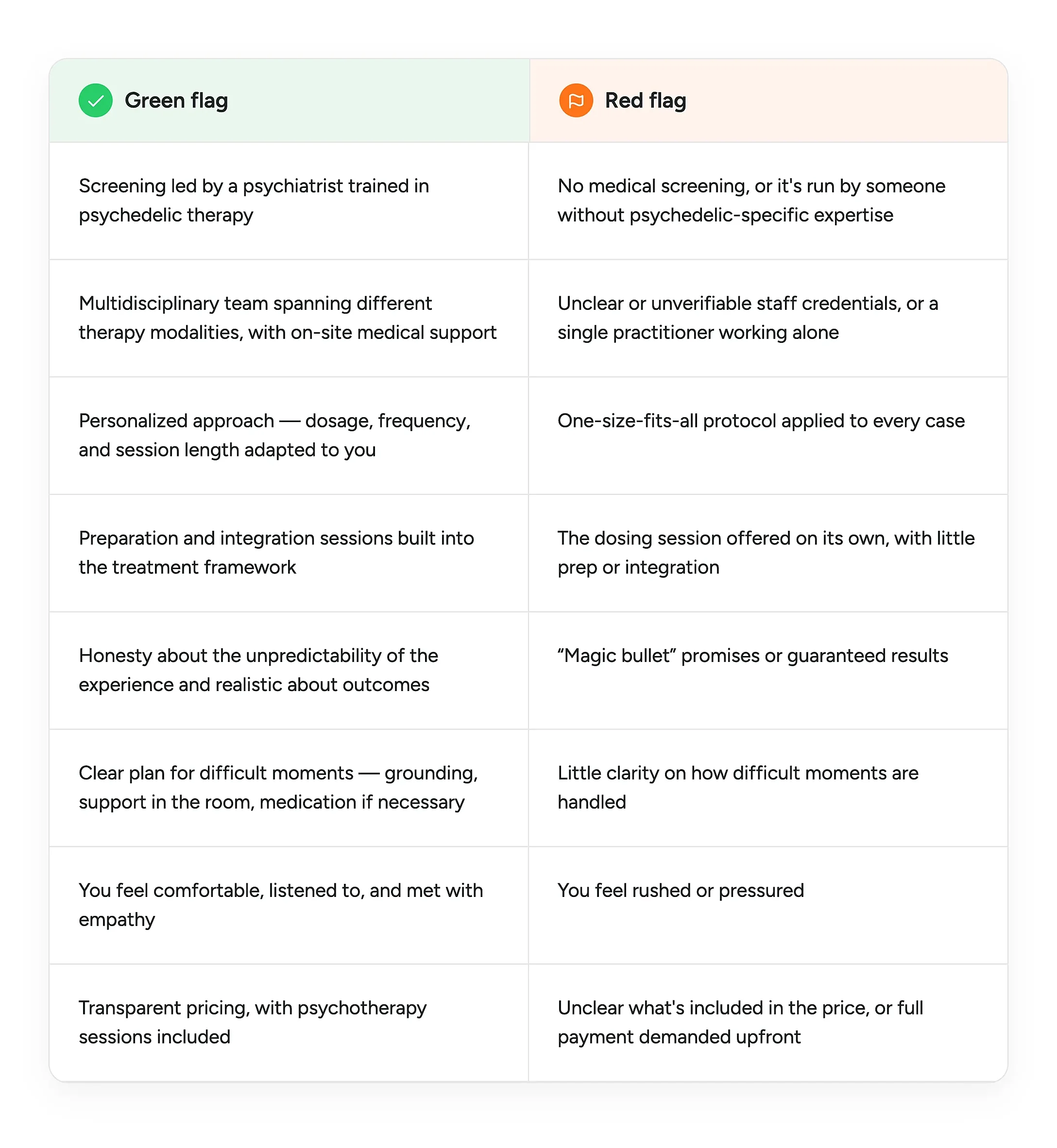
Green flags & red flags — your quick wrap-up
That’s a lot to hold in your head, so we’ve gathered everything above into one simple checklist. Save it somewhere easy to find, and it’ll be there for you exactly when you need it most!
FAQ
It varies by model and country. Ketamine courses are usually priced as a multi-session package (typically 4-6 sessions), while psilocybin programs and retreats tend to cost more — retreats especially, since they often include accommodation, meals, and activities. Ask a clinic what’s included: preparation and integration should be part of the price.
You usually can’t book a dosing session straight away. Most clinics start with an intro consultation, then a screening interview. After that, a clinic’s team decides whether the treatment is suitable and safe for you, before anything else is scheduled. So in most cases, booking means reaching out for that first assessment.
First, check the basics: screening led by a psychiatrist who is trained in psychedelic therapy, a qualified multidisciplinary team, a full preparation–dosing–integration protocol, and a personalized approach. And trust how a clinic makes you feel on the first call — whether you feel heard and comfortable.
Yes, and they’re the most common option. Most clinics work with racemic ketamine, used off-label for depression for years — while its nasal form, esketamine, is now formally approved across the EU, the US, and dozens of countries worldwide. Together, that makes ketamine the most accessible psychedelic-type therapy today. Clínica Synaptica in Barcelona is one example, offering ketamine-assisted psychotherapy with guided preparation, dosing, and integration.
Standard psychedelic therapy has three phases: preparation, dosing, and integration. “Guided sessions” usually means the preparation before the psychedelic experience or the integration after it, so what happens depends on the stage. The dosing session itself is typically an inward journey, so it’s better described as supervised than guided.
Some at-home and telehealth models exist — mainly in the US, where a few providers prescribe sublingual ketamine to take at home with remote check-ins. These offer less of the hands-on support that makes in-clinic sessions safer, though. For most people new to this, starting in a clinic, with a team in the room, is the wiser choice.
Preparing for the dosing session itself is what the dedicated preparation sessions with a therapist are for. You build trust, ask your questions, learn how the session works, talk through possible difficulties. It’s also where you set your intentions and shape the “set and setting”. To prepare for the earlier steps, like the intro call or screening, this article is a good start — especially the list of questions to ask before you book!
It depends on the substance, and each has its own evidence base. Ketamine therapy is most often used for depression, anxiety disorders, and easing suicidal ideation. Psilocybin is being studied for a wider range of conditions: treatment-resistant depression, end-of-life and existential anxiety, addiction, OCD, and eating disorders. One thing to keep in mind, though: in none of these cases is the psychedelic itself a cure-all or a quick fix.
The whole team, from the specialist running your initial screening to the therapist guiding your integration, should have proper psychedelic therapy training. Ideally, with a mix of backgrounds and modalities, and medical support on hand. You can usually check each professional’s credentials and background in their staff profiles on the clinic’s website.
Yes, most of them do. A proper clinic begins with an initial consultation (typically online or by phone) and then an in-person medical assessment. That first consultation is an important chance to get answers to all your questions, talk through any doubts, and simply get a feel for the clinic — before making an informed decision.