Psychedelic Integration FAQ: Experts on Turning Insight Into Change

Psychedelic integration is often called one of the most important (and overlooked) parts of psychedelic therapy. In simple terms, it’s a guided process of making sense of what happened during a psychedelic journey and bringing those insights into everyday life. This may mean shifting long-standing rigid patterns, processing difficult emotions, or simply understanding what the experience was trying to show you.
Research supports the value of integration. A 2024 study found1 that positive changes in mental health symptoms (reduced depressive symptoms, in particular) lasted longer when psychedelic therapy was combined with integration work afterward. An analysis in Frontiers in Psychology2 reached a similar conclusion: “Without such active effort, valuable lessons tend to fade, and difficult experiences can reinforce traumas or existing patterns and defenses.” However, integration is far from a one-size-fits-all process. Practitioners draw on a wide range of modalities, from ACT techniques to somatic practices and beyond, which makes measuring the “effectiveness”3 across the board a genuine challenge.
So what does psychedelic integration actually look like in practice? Which approaches work best? And does it matter whether your experience happened in a clinic or at a party? The States of Mind team collected the most common and pressing questions from psychedelic communities and brought them to two practitioners. Because we believe every question deserves an expert answer rather than a generic AI response.
We spoke with Clara Parati, certified psychedelic integration specialist and Psychosynthesis accredited coach, and Sarah Hope, integration coach and founder of Nature-Based Integration Coaching (NBIC). Both work at the intersection of psychedelic experience, altered states, and everyday life — and they had a lot to say.

Which approaches do you find most effective for psychedelic integration, and why?
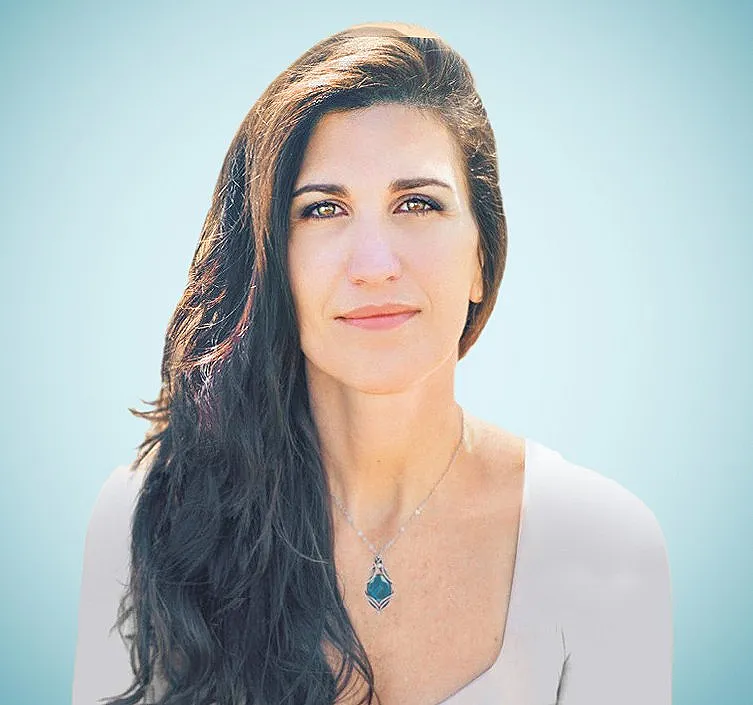
My approach is primarily informed by psychosynthesis and transpersonal psychology, as they support integration across multiple levels: emotional, psychological, somatic, relational, and spiritual. Psychedelic experiences often bring people into deeper questions around identity, meaning, purpose, and authenticity, so I find it important to work not only with symptoms or insights, but with the whole person.
I believe this kind of integration work is deeply relational at its core. While the tools and frameworks I use are always adapted to the individual and their process, the quality of the relational space itself remains central to how I work. I also incorporate somatic awareness, nervous system regulation, and embodiment practices, because lasting transformation happens when insight becomes lived experience, not just intellectual understanding.

I find that nature connection, somatic work and movement are the most impactful in the integration process. I think this is because a great deal of our disease and dysfunction stem from rigidness and disconnection. Reconnecting to our sense of belonging to nature, to the cosmos and to our own body helps guide our healing process. We also need to remember the etymology of the word “healing” comes from the word for “wholeness”. If healing means returning to wholeness then we need to resource the things that make us whole.
How do you work with clients who have had a “bad trip”? What does the integration process for difficult psychedelic experiences look like?
The first step is helping the person re-establish a sense of safety, grounding, and orientation, both emotionally and in the body, while creating a supportive relational space where they feel seen, heard, and able to process the experience without judgment. I often remind clients that psychedelic experiences tend to communicate symbolically and metaphorically, so difficult visions or emotions should not always be interpreted literally but explored with curiosity and compassion. Many challenging experiences reveal the places where we feel the most fear, resistance, or loss of control in everyday life, which is why they can also hold the most profound potential for insight, healing, and growth when approached with the right support and integration.
When someone has had a difficult trip, a lot of people want to rush to reframe it as “necessary” or “that the medicine was giving you what you needed.” While this could be true in some cases, I believe we first need to validate that person’s experience. We need to witness and acknowledge how scared or confused they may have felt. Only when the pain is witnessed can it begin to offer its gifts.
I recommend we take care not to rush too quickly towards meaning, instead the integration period should be about restoring safety and connection to the body. Over time, if properly integrated, a challenging trip can come to feel like an initiation, a deeper relationship with the shadow or a new found courage to survive the difficult things we all hold in the subconscious. But this exploration needs to happen when the client is ready.
Can integration also support people who’ve tried psychedelics in non-clinical or underground settings? At home, at a festival, or in a ceremony, for instance.
The most important conversations shaping the future of psychedelics, delivered weekly.
From thought-provoking podcasts and original stories to research breakthroughs and industry news, stay connected to the conversations that matter.


Joined by 12,000+ readers
Integration support can be valuable regardless of whether the experience happened in a clinical, ceremonial, underground, or personal setting. In many underground or unsupported environments, people may have powerful openings without having the psychological preparation, emotional support, or frameworks needed to process what emerges afterwards.
YES! 100% integration yields an opportunity for anyone who has had an experience of expanded consciousness. Sometimes people go in with the intention of recreation and end up having an experience that changed their perception of reality. Integration can help people make sense of these experiences and adjust and help these shifts in reality become meaningful and purposeful.
What educational background or credentials are needed to practice as a psychedelic integration coach?
This is still an emerging field, so there is currently no single universal pathway. Many practitioners complete psychedelic integration coaching certifications or facilitation trainings alongside backgrounds in coaching, psychology, counseling, trauma-informed work, or somatic modalities. Personally, I hold a Psychedelic Integration Coach certification from Being True to You, a Psychosynthesis certification from the Psychospiritual Institute, and have also trained in nervous system regulation and trauma-informed approaches through The Embody Lab. Beyond formal qualifications, I believe it is essential to have a strong psycho-spiritual and ethical framework, an understanding of trauma and embodiment, and the humility to recognize one’s limits and refer out when more specialized clinical support is needed.
As within so without, I’d say. I believe that inner education and experience with your own expanded states and integration should be met with strong training in integration specific work. Education is important, a background in psychology is helpful as is a psychedelic integration training, which I believe should include elements of gestalt, somatics, animism and coaching principles. But those types of certifications are relatively new.
I also think it’s important in our quest for certifications and degrees that we do not discount the immense wisdom of indigenous traditions passed down through generations, ceremony, ritual, community and belonging are all crucial parts of integration that are acknowledged in earth medicine traditions. Much of these things have been lost on modern society which makes integration a challenge. No matter how educated the professional, integration cannot happen in a bubble.
Does microdosing also call for integration work, or is it mainly relevant to full-dose experiences?
Yes, microdosing can absolutely benefit from integration work. While the experiences may be subtler than full-dose journeys, microdosing can still bring emotional material, behavioral patterns, increased sensitivity, or important life insights to the surface. Because my work is rooted in psychospiritual integration and psychosynthesis, I also work with people who have never taken psychedelics at all, as integration is ultimately an ongoing process of creating more wholeness, awareness, and alignment within oneself. I tend to see psychedelic experiences, including microdosing, less as isolated solutions and more as amplifiers or catalysts of a much deeper inner process that continues unfolding over time.
We are integrating from the moment we make a decision to change whether we know it or not. So whether someone chooses to microdose or macrodose, change is happening and the system is integrating. A microdose practice usually elicits a longer more quotidian style of integration. Integration is happening during the microdosing arc of experience as someone moves through daily life. This offers an opportunity to integrate in real time slowly and deliberately.
Intentional integration such as what might happen with a coach or guide can help subconscious patterns become conscious and help someone make conscious choices around how to work with new awareness. When new neural pathways open up, people may realize they have different choices available for how to go about life or move energies through their nervous systems, that is integration.
For example, if someone is microdosing for anxiety and finds that at first they’re feeling a lot of anger, this may be revealing a pattern that the nervous system needed to integrate but couldn’t. Now that the old energy is revealing itself, the nervous system can complete what could not be completed before. This phenomenon changes things and growing to adapt to those changes is also integration. So if someone is going about a practice with no intention of integration the practice might not do what they’re hoping it would.
Do you notice recurring patterns across your clients’ psychedelic experiences? What do they usually mean?
Yes, certain themes appear very consistently, especially around identity, emotional avoidance, control, self-worth, relationships, and the difficulty of surrendering to change or uncertainty. Many people intellectually understand their insights after a journey, but struggle to embody them or translate them into meaningful change in daily life, which is where integration becomes essential. I also see many experiences pointing people toward a deeper desire for authenticity, purpose, and reconnection with parts of themselves that were neglected, hidden, or conditioned over time.
I’ve definitely noticed recurring patterns across client journeys and in my own. The collective conscious seems to be a space that people share and the themes and images that occur there can be universal. There’s a feeling of belonging and connectedness when we can access those shared themes and feel less alone.