Before You Call Iboga a Psychedelic
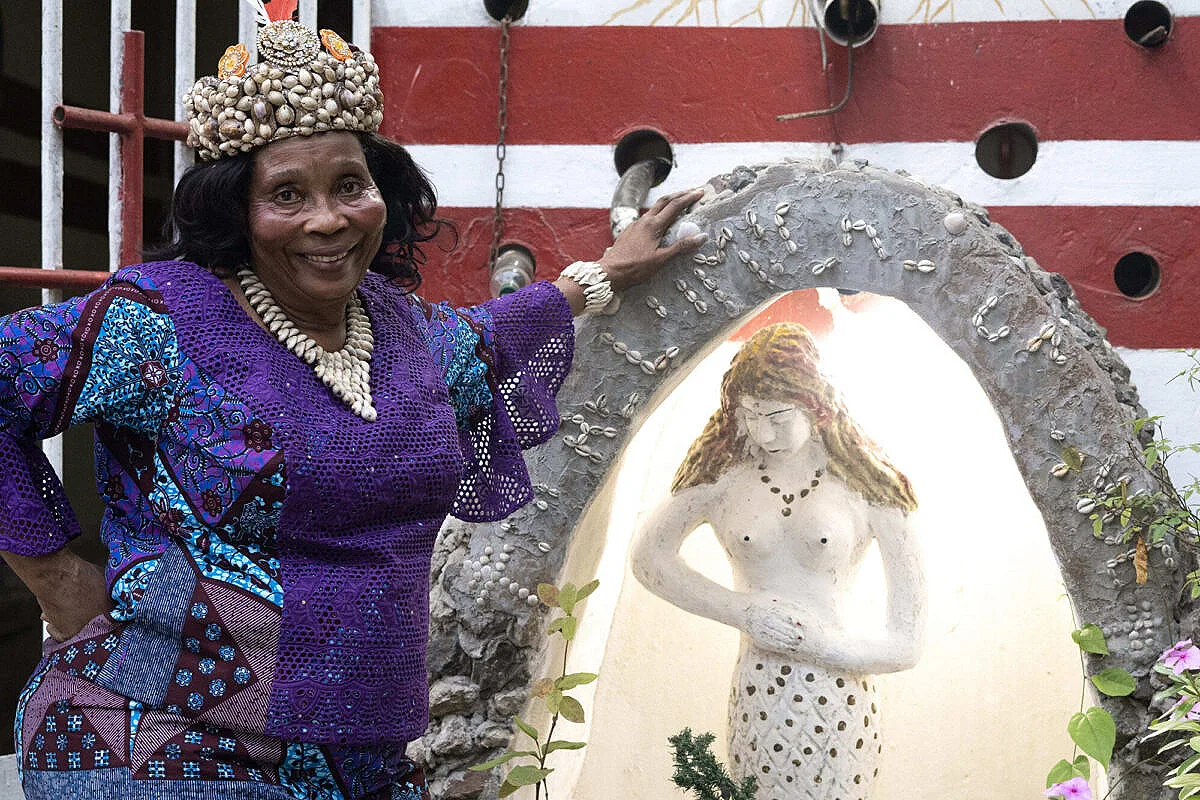
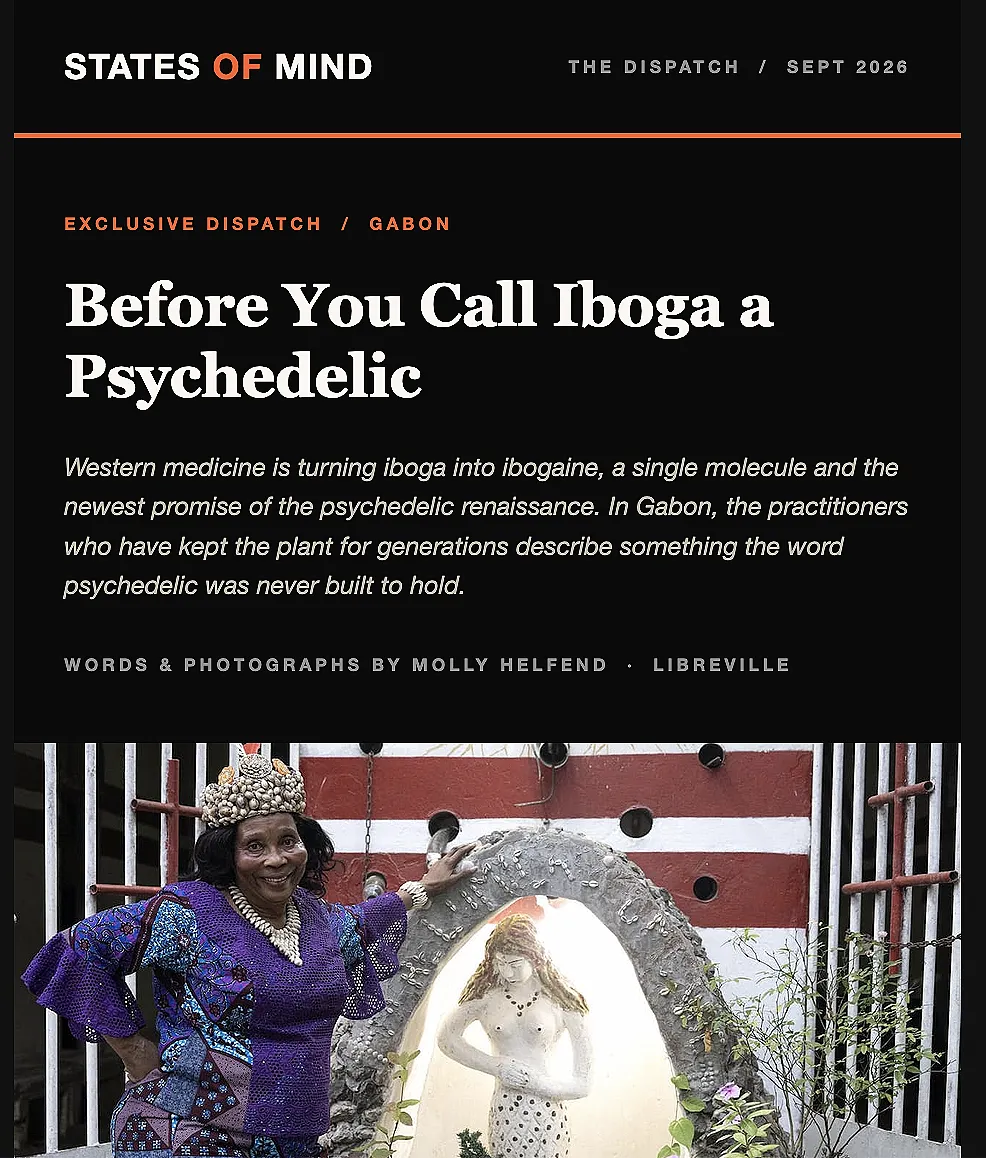
At the front of Maman Djédjé’s temple outside Libreville, Gabon, a figure of Mami Wata, the water spirit, stands in an arch studded with cowrie shells, lit from within and ringed by potted flowers.
Maman Djédjé, whose full name is Stéphanie Moussounda, is a Gabonese initiatory mother and a traditional practitioner in the Mboumba Yano rite. When I visited, she wore a crown of shells and a dress of blue and purple, and she spoke about her work with the ease of someone who has spent a lifetime inside a tradition far larger than the words outsiders use for it.
When I asked her about the mermaid at the front of her temple, she did not talk about drugs. She talked about water. The origin of the human being is water, she said. Water is life.
The rite she leads, Mboumba Yano, does not center on iboga, the root now drawing so much attention to Gabon. She initiates instead with a plant she calls Ikasso, “une plante à sirène,” a mermaid’s plant. Iboga is present, tasted in small amounts during a night vigil, but here the rite belongs to the water.
None of that is what the world has come for. Over the past few years, iboga has become one of the most talked-about plants in Western medicine, and not for its water spirits or rites, but for a single chemical locked in its root.
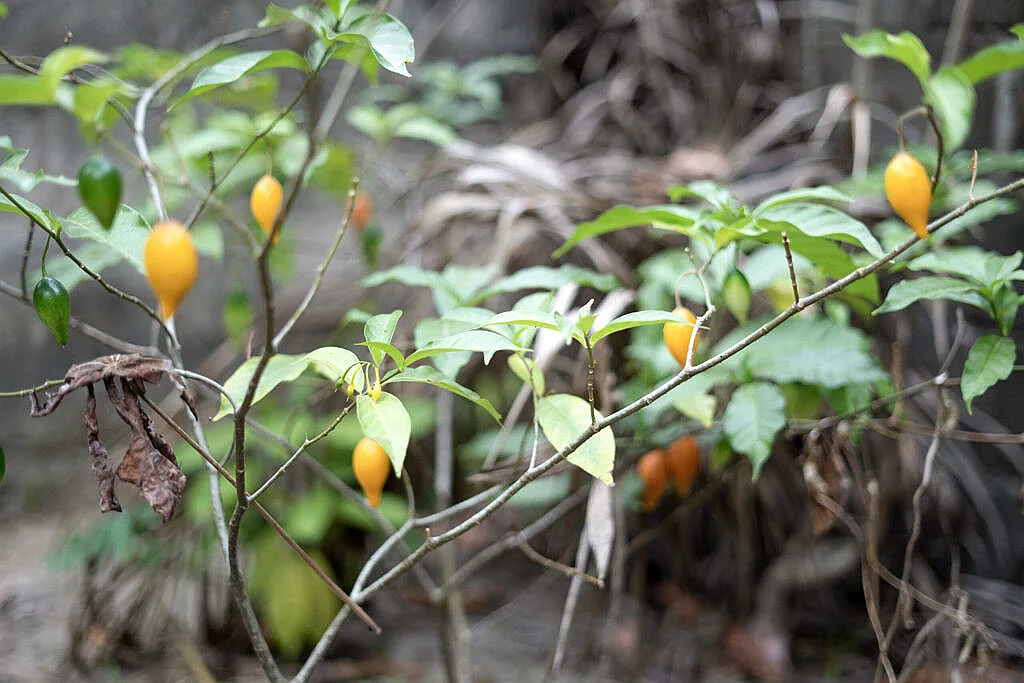
That chemical is ibogaine, and clinics in Mexico and elsewhere give it to people trying to break opioid addiction, while American politicians and veterans’ groups call it a breakthrough.
Now, as iboga travels out of Gabon, it shrinks: the plant becomes the molecule, a tradition becomes a treatment, and the whole of it is filed under one Western word, psychedelic.
That word is having a moment. What gets called the psychedelic renaissance has carried these substances out of the counterculture and into ballot measures, billion-dollar clinics and bestseller lists. By one recent estimate, roughly 11 million Americans used psilocybin in a single year. The word has stretched to cover almost anything that alters consciousness, from a molecule made in a lab to a dried mushroom to a root eaten in a Gabonese temple.
But, the useful question, the one the moment mostly skips, is what actually belongs inside the word, and what was never a psychedelic to begin with.
Psychedelic was never coined for iboga, or for anything from Gabon. British psychiatrist Humphry Osmond coined psychedelic in the 1950s while searching for a better term for the effects of substances including LSD and mescaline, and introduced it publicly in 1957.
He built it from Greek roots meaning “mind-manifesting,” a cleaner replacement for the clinical term then in use, psychotomimetic, which meant “mimicking psychosis.” It was a Western clinical word for a Western effort to classify altered states, but it said nothing about where such plants grew or what the people who used them believed they were doing. Iboga had been at the center of Gabonese religious life for generations before anyone in New York needed a word for it.


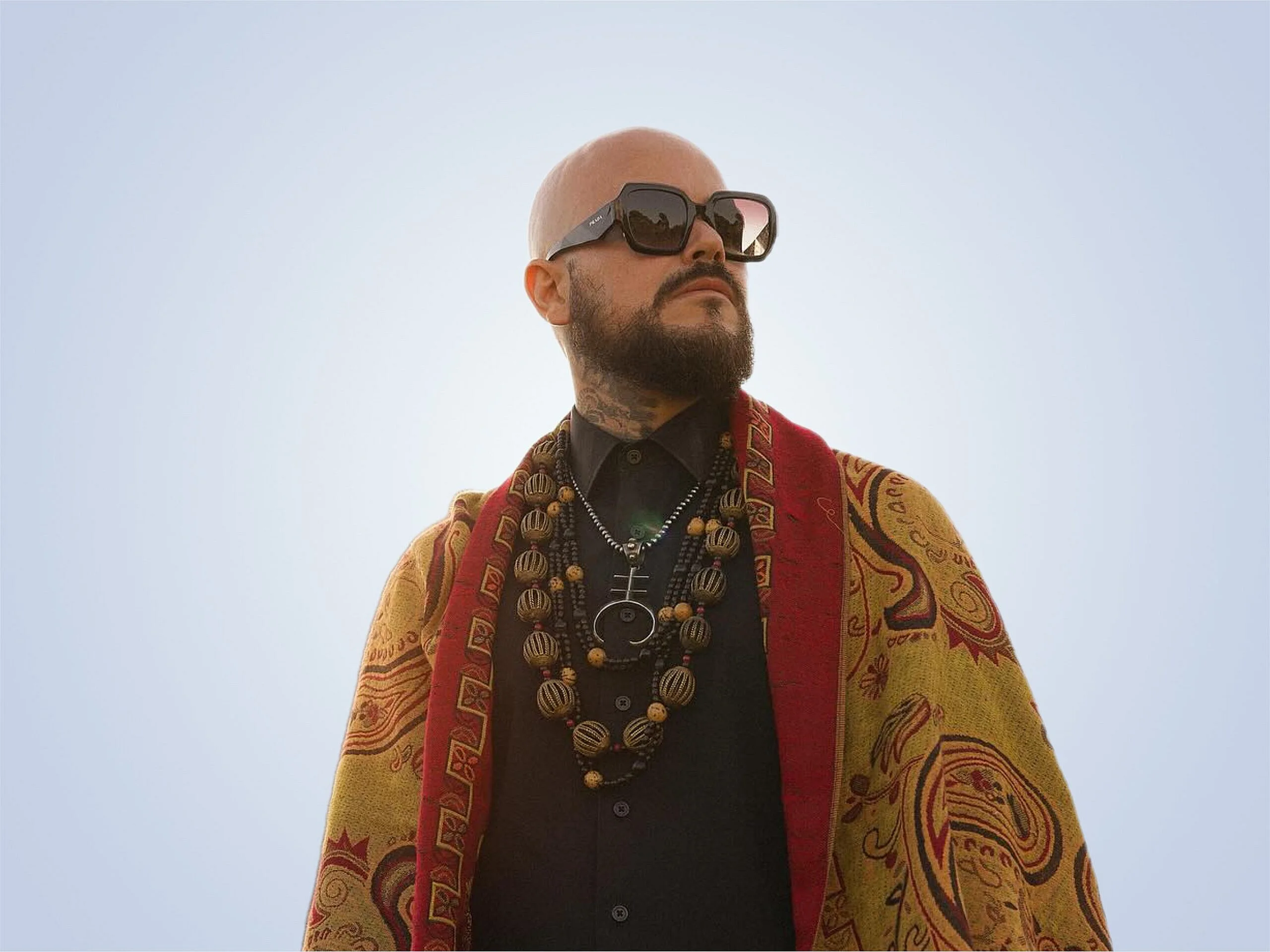
No one I met drew the distance between that word and the thing itself more clearly than Apollon Obolo, a Misoko practitioner involved with the traditionalist association Maghanga Ma Nzambe. I asked him why iboga sits at the center of his tradition, and he answered by describing the beginning of the world.
His ancestors, he said, had handed down an understanding of how life is ordered, the plants and the animals and the people, and that understanding is called Bwété, which begins where the world begins. Only far along in that inheritance did they come to know the shrub that grows in Central Africa. The plant does not come first, he said. The knowledge came first, and the plant was received into it.
“Iboga, for us,” he said, “is like when in the Bible they said the tree of knowledge.”
It was his own comparison rather than a fixed doctrine, but it placed the plant where he wanted it, growing out of an older understanding instead of standing at its root.
He knew what a Western visitor would compare iboga to, and he wanted to get ahead of it. There is a difference, he said, between cannabis, marijuana, LSD and iboga, and it is a large one. Then, he said the thing most likely to be misheard:
“It’s not a drug. It’s not something that you can use as you want.”
He did not mean that iboga has no chemistry. He meant that the chemistry is not the point. What sets it apart is everything around its use; the rite, the reason, and the account of the world it belongs to.
Take a person through all of that, he said, and what they meet is not an interesting compound. “You realize that in front of you, you have the legacy of centuries and centuries and centuries of humanity. Still alive.”
In Gabon, he added, “we don’t need to go to the museum. Inside our temple, we have the world. We have the story of the world.”
In its modern Western use, psychedelic largely describes what a substance does to consciousness: a shift in perception, cognition or sense of self. What Apollon described was everything around that shift, the inheritance that teaches a person how to read it. The plant does not arrive with an interpretation. The tradition supplies the language, relationships and inherited structures through which the experience is understood.
Even the science strains at the label. Ibogaine does not act like LSD or psilocybin, and it does not work through the serotonin receptor those classic psychedelics rely on, which is why researchers file it under the qualified term “atypical psychedelic.”
Because the experience is closer to a waking dream than a trip, they also call it an oneirogen, a producer of dreams. The 2024 study of veterans in Nature Medicine used both. So, even in a laboratory, the word does not quite fit. If science has to qualify the word, the practitioners I met in Gabon often seemed to be working from a different starting point altogether.
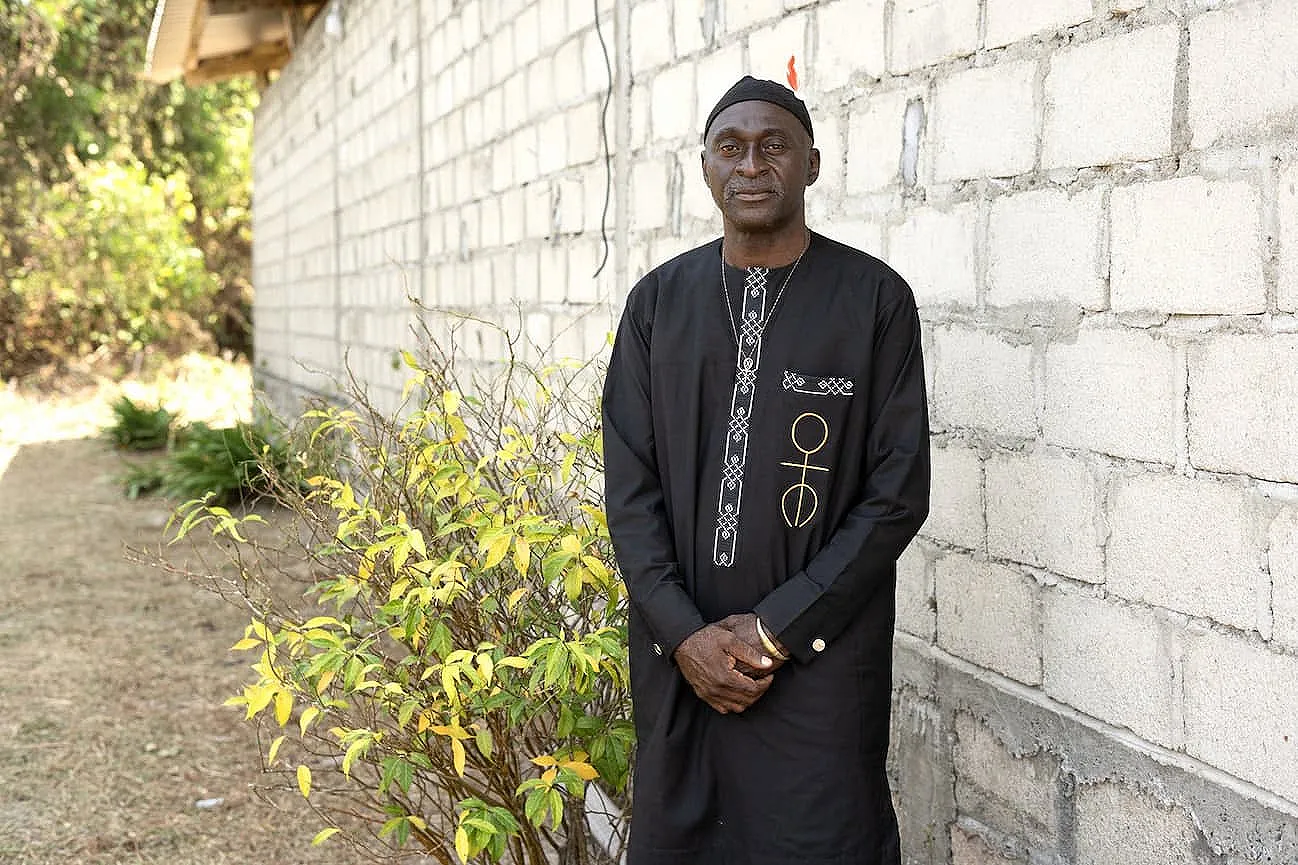
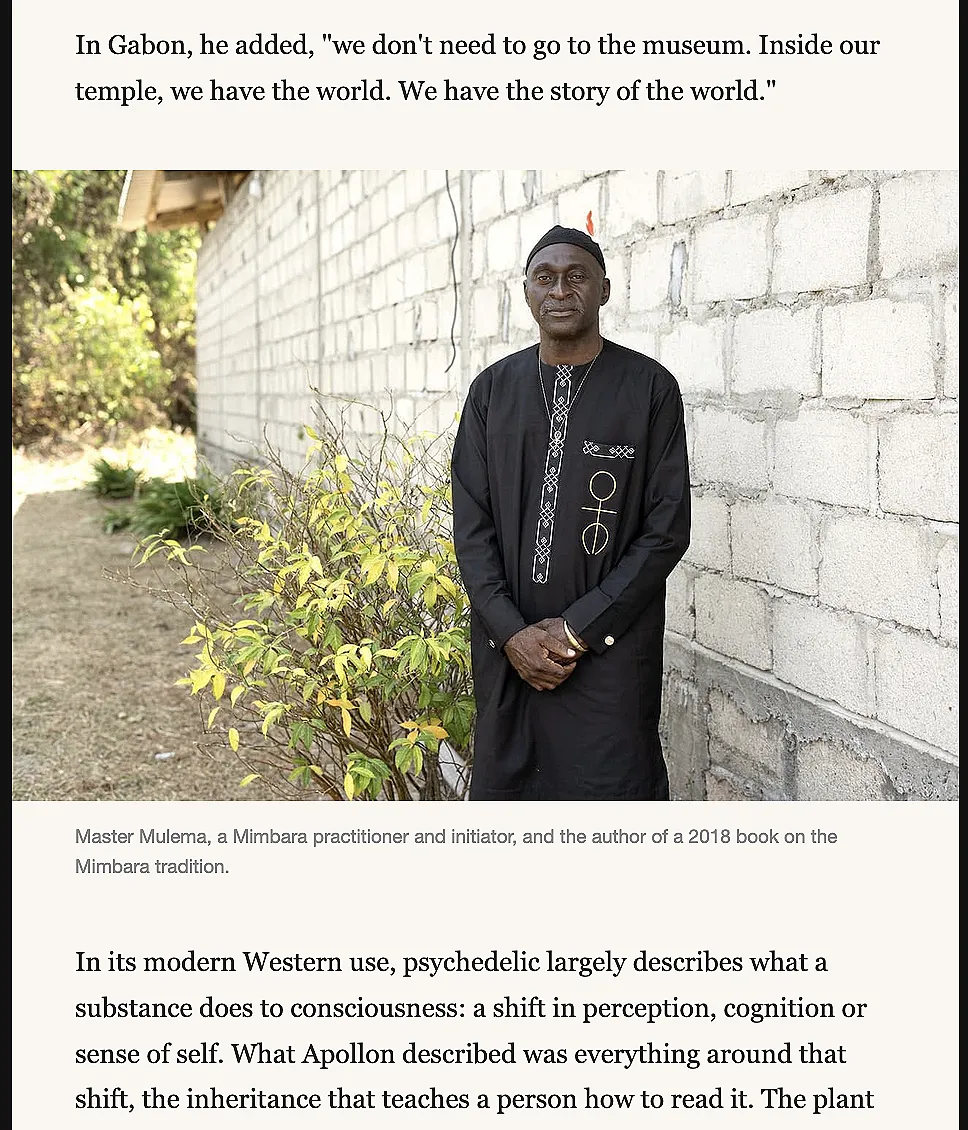
Master Mulema put the inversion most plainly. A Gabonese Mimbara practitioner and initiator, and the author of a 2018 book on the Mimbara tradition, he is as much a working intellectual of Bwété as a healer. When I asked how iboga relates to the tradition, he turned the usual assumption inside out.
“Ce n’est pas l’iboga qui permet de découvrir le Bwete,” he said, “mais c’est le Bwete qui fait connaître l’iboga.”
It is not iboga that reveals Bwété; it is Bwété that makes iboga known.
The Western story runs outward from the substance: a plant produces a vision, and a culture forms afterward to explain it. Mulema described the reverse. In his telling, the tradition came first, and iboga was understood through it. The plant did not create the meaning because it was received into a meaning that already existed.
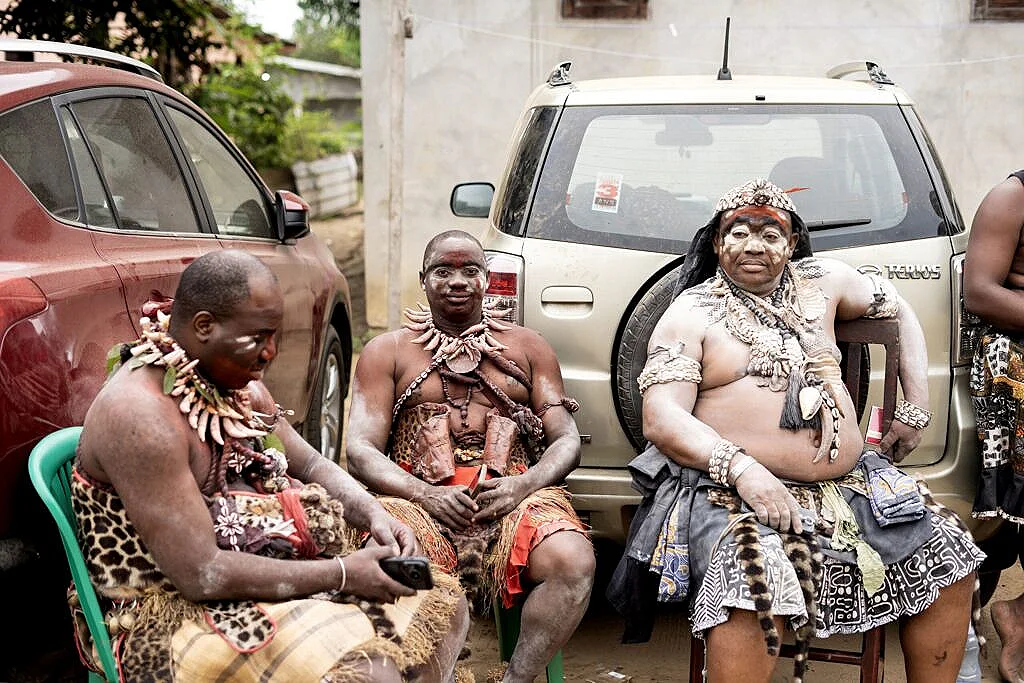
That is why these traditions cannot be collapsed into one word. Apollon’s Misoko is not Mama Djedje’s Mboumba Yano, and neither is Mulema’s Mimbara. Each has its own ritual repertoire, relationships with particular plants and spirits, and its own account of what a person is doing inside it. Even Bwiti, the umbrella term outsiders often use for all of them at once, can flatten distinctions that matter locally.
Psychedelic is broader still. It can describe the altered state, but not the social world that teaches someone what that state means.
Maman Djédjé is clear that she is not trying to keep the world away from iboga. Like Apollon, she said she is willing to share what she knows. She asks only that people understand what they are coming to: that iboga did not begin as a molecule or a medicine, and that the tradition around it is not decoration on a drug, but an older, deeper lineage.
Sitting before her water shrine, in her blue and purple dress, she came back to where she said her own path began. The origin of the human being is water, she told me. Water is life. She was not describing a psychedelic, but instead where the world comes from, and that is the part the word was never built to hold.
This piece first went out exclusively to our newsletter subscribers.
Don’t want to wait next time?
Subscribe to the States of Mind newsletter and get our stories first.
The most important conversations shaping the future of psychedelics, delivered weekly.
From thought-provoking podcasts and original stories to research breakthroughs and industry news, stay connected to the conversations that matter.


Joined by 12,000+ readers