Medical Cannabis for Mental Health
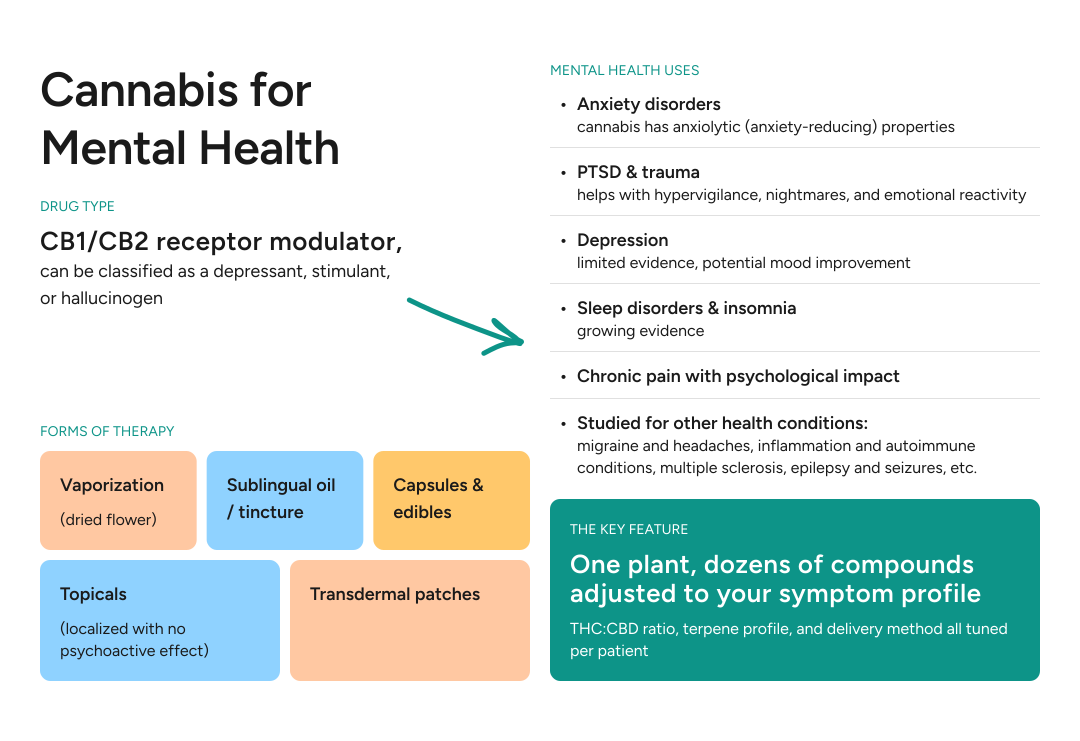
- Medical cannabis is not the same as recreational use. It involves clinical oversight, specific formulations, and a focus on symptom relief and quality of life, not intoxication.
- THC and CBD are the two cannabinoids that matter most in therapy right now. THC is clinically relevant for pain, nausea, appetite stimulation, and muscle relaxation; CBD is already approved for specific epilepsy syndromes and is being studied for anxiety, inflammation, and other therapeutic uses, without producing a high.
- The evidence base is real but still evolving. Cannabis has strong evidence for epilepsy, chronic pain, chemo-related nausea, and MS spasticity. For anxiety, PTSD, and depression, patient interest and real-world reports are strong, but randomized trial evidence remains limited and inconsistent.
- It is not risk-free. Psychiatric risks (especially with high-THC products), cardiovascular concerns, and the potential for problematic use patterns are real. Honest conversation with your doctor is essential.
- Access to medical cannabis is expanding in parts of Europe, especially in Germany after the 2024 Cannabis Act. However, availability, reimbursement, and prescribing rules still vary widely between countries.
If you’re reading this guide, chances are you or someone you care about is looking for relief. Maybe conventional treatments haven’t worked as well as you hoped. Maybe you’ve heard stories from others who found something that helped. Maybe you’re simply curious about what the science actually says behind the headlines. Whatever brought you here, you’re in the right place, and you’re not alone.
Interest in medical cannabis is growing rapidly, driven by new research, evolving legislation (particularly across Europe), and an expanding body of patient testimonials. But interest is not the same as evidence, and hype is not the same as help. This guide exists to give you the honest picture: what medical cannabis can do, what it cannot, what we know for certain, and where the science is still catching up.
Whether you’re a patient exploring options, a caregiver supporting someone, or simply someone who wants to separate fact from marketing, this guide is designed to meet you where you are.

What Is Medical Cannabis?
Medical cannabis refers to using the cannabis plant and its active compounds, called cannabinoids, to treat specific health conditions under the guidance of a healthcare professional. Unlike recreational use, where the goal is often the “high” itself, medical cannabis therapy focuses on reducing symptoms and improving quality of life.
The Cannabis Plant, Briefly
The cannabis plant produces its active compounds primarily in tiny, resinous structures called trichomes, found on the flowers (buds) and, to a lesser extent, the leaves. These trichomes contain cannabinoids (like THC and CBD), terpenes (aromatic compounds), and flavonoids. In medical use, patients may encounter the plant in several forms: dried flower for vaporization, concentrated extracts and oils, pharmaceutical-grade capsules, and topical preparations.
Hemp vs. Marijuana: What’s the Difference?
You’ll often see these terms used as though they describe different plants. They don’t. Hemp and marijuana are both Cannabis sativa. The distinction is legal, not botanical. In most jurisdictions, hemp refers to cannabis plants containing less than 0.2–0.3% THC (the psychoactive compound), while marijuana refers to varieties with higher THC levels. Hemp is the source of most commercial CBD products, while medical cannabis programs typically involve higher-THC formulations prescribed by a physician.
Cannabis Flowers, Extracts, and Pharmaceutical Cannabinoids
Whole-plant products (dried flower, full-spectrum oils) contain the complete range of cannabinoids and terpenes the plant produces. Pharmaceutical cannabinoids are isolated, standardized compounds, such as dronabinol (synthetic THC), nabilone (a THC analogue), and Epidiolex (purified CBD). The key difference: whole-plant products offer the complexity of multiple active compounds working together, while pharmaceuticals offer precise, reproducible dosing of a single molecule.
Medical cannabis is medicine, guided by a clinician and tailored to your needs. It comes in many forms, from whole-plant flower to pharmaceutical-grade isolates, and understanding the difference helps you make informed choices.
A Brief History
Cannabis is one of the oldest documented medicinal plants. It appears in the Shennong Bencao Jing, the foundational Chinese materia medica compiled in the first or second century CE1, though the text is traditionally — and retrospectively — attributed to the legendary emperor Shen Nung, which is where the often-repeated date of 2800 BCE comes from. The archaeological evidence is older than the surviving text but far younger than the legend: cannabis with a chemical signature indicating high THC content was recovered from a shaman’s grave at the Yanghai Tombs in Xinjiang2, dating to around 700 BCE, and braziers from the Jirzankal Cemetery in the Pamirs3, around 500 BCE, carry residue showing cannabis was being burned and inhaled in ritual contexts.
The surgeon Hua Tuo, active around 200 CE, is credited with an anesthetic powder called mafeisan, sometimes said to have contained cannabis. The formula was lost, and the attribution rests on a single ambiguous character meaning both “hemp” and “numbness” — historians treat the cannabis connection as speculation1 rather than established fact, and have proposed datura and aconite as equally plausible candidates.
Then came the 20th century. Cannabis became entangled with immigration politics, cultural fears, and moral panic. The U.S. Marihuana Tax Act of 1937 effectively criminalized it, and international prohibitions followed. Medical use became collateral damage, and for decades, serious research was nearly impossible.
The turning point arrived in the early 1990s with the discovery of the endocannabinoid system (ECS), a receptor network that produces and responds to the body’s own cannabis-like molecules. This reignited clinical interest. California legalized medical cannabis in 1996. A landmark 2017 National Academies report placed chronic pain in adults in its top evidence tier, finding “conclusive or substantial evidence” that cannabis is effective for it — alongside chemotherapy-induced nausea and MS spasticity. In 2018 the FDA approved Epidiolex, a purified cannabidiol oral solution, for seizures associated with Lennox-Gastaut syndrome and Dravet syndrome — the first cannabis-derived drug the agency had ever approved. The indication was expanded in 2020 to include seizures associated with tuberous sclerosis complex, and the minimum age lowered to one year. And the ongoing US federal rescheduling process signals that regulatory attitudes continue to shift.
The stigma around cannabis has been shaped strongly by politics, prohibition, and cultural narratives — often more than by balanced medical debate. Understanding this history can be genuinely liberating if you’ve ever felt conflicted about exploring cannabis as a treatment option.
The Variety of Cannabinoids
What Are Cannabinoids?
Cannabinoids are the active chemical compounds produced by the cannabis plant. Over 100 have been identified, but only a handful have been studied in depth. They work by interacting with receptor systems in the human body, particularly the endocannabinoid system (covered in Chapter 6). The two that matter most in clinical practice are THC and CBD.
THC (Tetrahydrocannabinol)
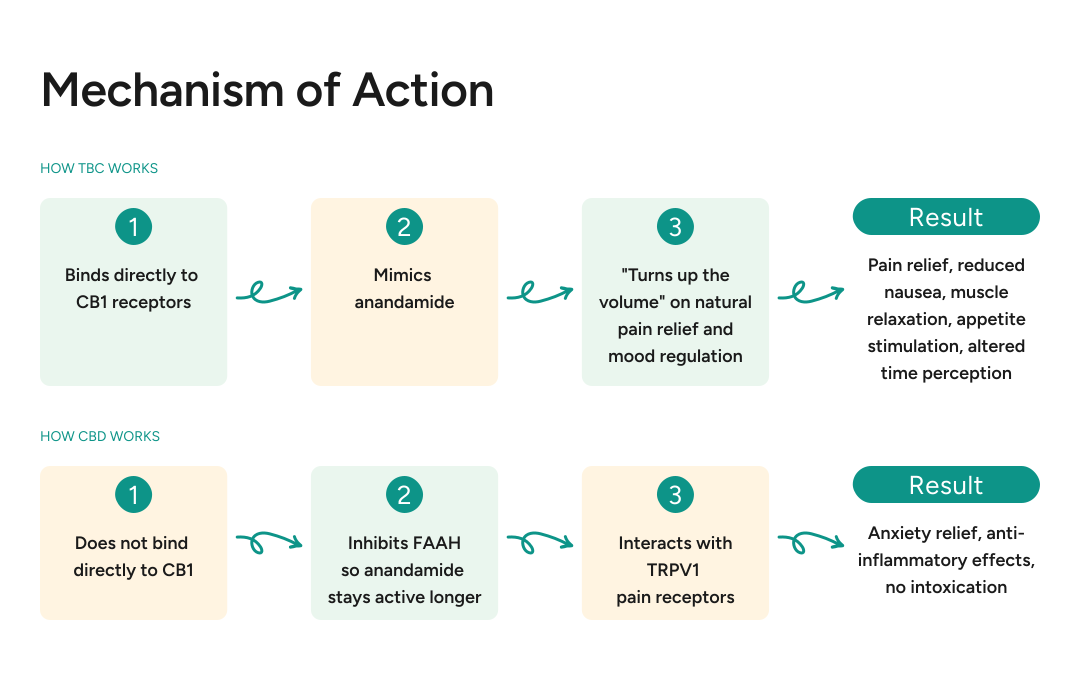
THC is the primary psychoactive cannabinoid, meaning it produces the feeling of being “high.” It binds directly to CB1 receptors in the brain and nervous system. In a clinical setting, that translates to real therapeutic effects: pain relief, reduced nausea, appetite stimulation, and muscle relaxation. THC is the most widely studied cannabinoid and the active ingredient in FDA-approved medications like dronabinol (Marinol).
CBD (Cannabidiol)
CBD does not produce intoxication. Instead of binding tightly to cannabinoid receptors, it works indirectly: interacting with serotonin receptors (mood), pain receptors (TRPV1), and helping the body’s own endocannabinoids last longer. CBD is the basis for Epidiolex4, the first FDA-approved cannabis-derived drug for specific epilepsy syndromes, and is being actively studied for anxiety, inflammation, and neuroprotection.
Psychoactive vs. Non-Intoxicating
An important distinction: psychoactive means a substance affects the mind. By that definition, both THC and CBD are psychoactive, since CBD can reduce anxiety and influence mood. However, only THC is intoxicating, meaning it produces the “high.” When people say CBD is “non-psychoactive,” what they usually mean is non-intoxicating.
Other Cannabinoids at a Glance
The cannabis plant produces over 100 identified cannabinoids. The vast majority are present in trace amounts and have not been studied in clinical settings. When it comes to mental health and therapeutic use, THC and CBD are by far the most relevant. The following minor cannabinoids are worth knowing about, but they are not yet part of standard medical practice:
| Cannabinoid | What to Know |
| THCA | Raw precursor to THC in unheated cannabis. Non-intoxicating. Early research suggests anti-inflammatory and neuroprotective potential. |
| THCV | Similar to THC but with distinct effects. Being studied for appetite regulation, diabetes management, and anxiety. |
| CBG | The “parent molecule” from which THC and CBD develop. Shows antibacterial properties in early research. |
| CBN | Forms when THC breaks down over time. Mildly sedative. Being explored for sleep and anti-inflammatory use. |
| CBC | Non-intoxicating. Preliminary research suggests anti-inflammatory and antidepressant potential. Often present alongside CBD. |
Synthetic vs. Natural Cannabinoids
Natural cannabinoids come from the plant itself. Synthetic cannabinoids are manufactured in a laboratory to mimic or modify the effects of plant-derived compounds. FDA-approved synthetics include dronabinol (a synthetic form of THC, used for nausea and appetite) and nabilone (a THC analogue with similar clinical applications). These are prescribed pharmaceutical medications, not to be confused with illicit synthetic products. Importantly, illicit synthetic cannabinoids (sometimes sold as “Spice” or “K2”) are entirely different substances, often dangerous, and have nothing to do with medical cannabis.
These minor cannabinoids (THCA, THCV, and others) are interesting, but for most patients they are not the starting point. In real-world medical practice, THC and CBD remain the clinically most relevant cannabinoids. The minor cannabinoids are worth knowing about, but they shouldn’t complicate your decision-making right now.

Cannabis Types: Indica, Sativa, and Beyond
The Traditional Classification
Walk into any dispensary or browse any cannabis website and you’ll encounter three categories: indica (supposedly sedating and body-focused), sativa (supposedly energizing and cerebral), and hybrid (a mix). This classification has been used for decades, and many patients find it a helpful starting point for describing their experiences.
Why Modern Science Questions This
Here’s the catch: genetically, most modern cannabis strains are hybrids. The original distinction between indica and sativa was botanical (describing plant shape and growth patterns), not pharmacological. A 2015 genetic study of 81 marijuana samples5 found only a moderate correlation between a strain’s reported indica or sativa ancestry and its actual genetic structure. In 6 of 17 comparisons, samples sold under the same strain name turned out to be less genetically similar to each other than to samples sold under different names — and one strain marketed as pure sativa was nearly genetically identical to one marketed as pure indica. The labels, in other words, are marketing categories more than botanical ones. Two strains labeled “indica” might have very different cannabinoid and terpene profiles.
Chemotypes and Terpene Profiles
Increasingly, researchers and clinicians are moving toward a chemotype-based classification, which categorizes cannabis by its actual chemical composition rather than its ancestral genetics. The key variables are the ratio of THC to CBD, the specific terpene profile (aromatic compounds that influence both the scent and the therapeutic effects), and the presence of minor cannabinoids.
This means that when choosing a medical cannabis product, the cannabinoid and terpene lab analysis on the label is far more useful than whether it says “indica” or “sativa.”
Why Effects Differ Between People
Two people can use the exact same cannabis product and have noticeably different experiences. This is because your response depends on your individual endocannabinoid tone (how active your ECS is at baseline), your genetics (including variations in cannabinoid receptor density), your current medications, your tolerance, and even your psychological state and environment at the time of use. This is why medical cannabis dosing is always individualized.
A practical tip for choosing a product: ask your clinician about the THC:CBD ratio, the terpene profile, and how similar products have worked for other patients with your condition. These questions will serve you much better than simply asking for an indica or a sativa.
Indica and sativa are useful conversation starters, but the real science is in the chemotype: the specific cannabinoid and terpene profile. When choosing medical cannabis, look at the lab analysis, not just the label.
How Does It Work? The Endocannabinoid System
Here’s something most people find surprising: your body already makes its own cannabis-like molecules. Long before anyone discovered THC, your nervous system was producing compounds called endocannabinoids, using them to regulate pain, mood, appetite, sleep, stress, and immune function. The system that manages all of this is called the endocannabinoid system (ECS)6, discovered in the early 1990s.
Think of the ECS as your body’s internal balancing system. It’s constantly working behind the scenes to keep things stable, a process scientists call homeostasis.
The body’s internal network of receptors, enzymes, and signaling molecules that regulate homeostasis.
Three Building Blocks
Your natural cannabinoids (endocannabinoids): The two main ones are anandamide and 2-AG. Anandamide was the first endocannabinoid discovered. It plays a role in regulating mood, pain perception, appetite, and memory. Its effects are short-lived because enzymes break it down quickly — which is part of why your body’s natural cannabinoid signaling is subtle rather than overwhelming. These are chemical messengers your body produces on demand to fine-tune how you feel.
Receptors: CB1 receptors are concentrated in the brain and nervous system, influencing mood, pain, memory, and coordination. CB2 receptors are found mainly in immune cells and peripheral tissues, playing a role in inflammation and immune defense.
Enzymes: FAAH and MAGL break endocannabinoids down after they’ve delivered their signal. It’s a built-in off switch.
An endocannabinoid produced by the body. Regulates mood, pain, and appetite. Named from the Sanskrit word “ananda,” meaning bliss.
Where THC and CBD Fit In
THC steps into the same slot as anandamide, binding directly to CB1 receptors. It’s like turning up the volume on your body’s natural pain relief and mood regulation. CBD takes a subtler approach: it slows down the enzyme (FAAH) that breaks down anandamide, so your body’s own calming molecules stick around longer. CBD also interacts with serotonin receptors, which may explain its effects on anxiety.
How Cannabinoids Influence Key Functions
Through the ECS, cannabinoids can modulate:
- Stress response: helping the nervous system shift out of “fight or flight”
- Sleep regulation: influencing both sleep onset and sleep architecture
- Pain signaling: dampening the transmission and perception of pain
- Inflammation: reducing immune overactivation in chronic conditions
- Mood and memory: modulating emotional processing and recall
Quick Glossary
CB1: Cannabinoid receptor type 1 — concentrated in the brain and central nervous system. Primary target of THC.
CB2: Cannabinoid receptor type 2 — found mainly in immune cells and peripheral tissues. Involved in inflammation.
2-AG: 2-Arachidonoylglycerol — the most abundant endocannabinoid. Plays a role in immune function, pain, and emotional regulation.
FAAH: Fatty Acid Amide Hydrolase — the enzyme that breaks down anandamide. CBD may slow FAAH activity, allowing anandamide to persist longer.
MAGL: Monoacylglycerol Lipase — the enzyme that breaks down 2-AG.
Terpenes and the Entourage Effect
What Are Terpenes?
Terpenes are aromatic compounds found in many plants, not just cannabis. They’re responsible for the scent of lavender, the zing of citrus, and the earthiness of pine forests. Around 120 terpenes7 have been identified in cannabis, though recent volatile profiling suggests the true number may be closer to 200. Their presence is increasingly recognized as therapeutically significant, not just cosmetic.
Why Aroma Matters Medically
Terpenes don’t just smell nice. They interact with some of the same receptor systems that cannabinoids do, and they may modulate how cannabinoids affect you. For example, some terpenes may enhance the calming effects of CBD, while others may influence how quickly THC crosses the blood-brain barrier. This is one possible explanation for why two cannabis products with identical THC and CBD percentages can produce different therapeutic experiences: their terpene profiles are different. However, the clinical relevance of specific terpene profiles is still being studied.
The Entourage Effect
The entourage effect is the idea that the cannabis plant’s many compounds, cannabinoids, terpenes, and flavonoids, work better together than any single compound does in isolation. The term “entourage effect” was coined in 19988 by a team including Raphael Mechoulam, but it originally described something narrower than it does today: two inactive compounds produced by the body were found to amplify the activity of the endocannabinoid 2-AG in mice. The version most people mean now — that terpenes and minor cannabinoids modulate the effects of THC and CBD in whole-plant preparations — was set out by Ethan Russo in 20119, and remains a well-argued hypothesis rather than a settled finding. While the entourage effect is still being studied and debated, it’s one of the key arguments for whole-plant (full-spectrum) cannabis products over single-molecule isolates.

Terpenes may contribute to the overall cannabis experience, although the clinical relevance of specific terpene profiles is still being studied. The terpene profile may also be relevant, especially when patients notice different effects from products with similar THC:CBD ratios.
Uses in Therapy
Although this guide focuses on mental health, cannabis medicine is also used in areas such as chronic pain, epilepsy, chemotherapy-induced nausea, and multiple sclerosis. Understanding these established uses helps explain why cannabis has returned to modern medicine — but mental health remains a more nuanced and still developing field.
Being honest about what we know, and what we’re still learning, is essential.
Where Research Is Focused
Cannabis and Anxiety
Anxiety is one of the most commonly cited reasons patients seek medical cannabis. CBD in particular has shown anxiolytic (anxiety-reducing) properties in several smaller studies, and many patients report meaningful subjective relief. However, the largest meta-analysis to date (Lancet Psychiatry, March 202610) pooled 54 trials and found cannabinoids don’t help with anxiety, PTSD, psychosis or opioid addiction — and for depression, no controlled trials exist at all. Sleep and Tourette’s tics improved, but side effects were more common, and cocaine cravings got worse. The authors concluded that prescribing cannabinoids for mental health conditions is “currently rarely justified.”This makes caution essential: cannabis may help selected individuals, but current randomized evidence does not support broad claims that cannabinoids reliably treat anxiety, depression, or PTSD. THC at higher doses can actually increase anxiety, making dose and formulation critical.
Cannabis and Depression
The relationship between cannabis and depression is complex. Some patients report mood improvement, particularly with balanced THC:CBD formulations. However, the same Lancet review found no strong RCT evidence for efficacy in depression, and there are concerns that long-term, heavy THC use may worsen depressive symptoms in some individuals.
Cannabis and Trauma
PTSD is an area of active clinical interest. Many veterans and trauma survivors report that cannabis helps with hypervigilance, nightmares, and emotional reactivity. Clinical trials are underway, but the existing evidence base remains limited. The most promising approach appears to involve balanced THC:CBD formulations combined with psychotherapeutic support.
Important Notes
- Patients with a history of psychosis or bipolar disorder face elevated risks with THC-containing products and should exercise extreme caution.
- Professional supervision is essential. Cannabis should not be self-prescribed for mental health conditions.
- THC vs. CBD: for mental health applications, CBD-rich formulations carry lower risk profiles; THC requires more careful dose management.
- THC may worsen anxiety at higher doses. The therapeutic window for mental health is narrow and highly individual.
Other Conditions with Ongoing Research
- Chronic pain: The most common therapeutic use. The 2017 National Academies of Sciences, Engineering, and Medicine report placed chronic pain in adults in its top evidence tier, finding “conclusive or substantial evidence” that cannabis is effective for it. Many patients use cannabis to reduce reliance on opioids.
- Sleep disorders and insomnia: Growing interest. A small 2026 Thai trial11 compared cannabis oil, a traditional herbal remedy, and lorazepam in 60 people with chronic insomnia. All three groups slept better, with no clear winner. But with only 20 people per group, no placebo, and everyone knowing what they were taking, the result doesn’t show cannabis matches lorazepam — in insomnia, where placebo effects run high, it may show all three groups responding to expectation.
- Chemotherapy-induced nausea: THC-based medications (dronabinol, nabilone) have been FDA-approved for decades for this indication.
- Appetite stimulation: THC reliably stimulates appetite, valuable for patients with wasting conditions, HIV/AIDS, or cancer-related cachexia.
- Epilepsy and seizures: The strongest regulatory evidence. Epidiolex (purified CBD) is FDA-approved4 for Dravet and Lennox-Gastaut syndromes.
- Multiple sclerosis: Nabiximols (Sativex), an oromucosal spray combining THC and CBD, is approved in numerous countries for spasticity associated with multiple sclerosis, and it has the strongest evidence base of any whole-plant cannabis medicine. A 2022 Cochrane review12 of 25 trials concluded with moderate certainty that nabiximols probably reduces spasticity severity in the short term — around 216 more people per thousand report relief compared with placebo.
- Parkinson’s disease: Early research suggests CBD may help with tremor, sleep disturbances, and quality of life. Clinical trials are ongoing.
- Inflammation and autoimmune conditions: Both CBD and CBG show anti-inflammatory properties in preclinical studies. Human evidence is still developing.
- Migraine and headaches: Patient reports are common; clinical data is limited. Some studies suggest cannabis may reduce migraine frequency.
- Opioid reduction and harm reduction: A growing body of evidence suggests that access to medical cannabis may reduce opioid prescriptions and overdose rates at the population level. Individual patient stories frequently describe cannabis enabling opioid tapering.
The honest picture: cannabis has robust evidence for a few specific conditions and promising but developing evidence for others. Work with a knowledgeable clinician who can evaluate your individual situation.
Related reading
What Medical Cannabis Therapy Feels Like
For some patients, especially those using cannabis for mental health or trauma-related symptoms, preparation and setting can matter. For others, medical cannabis is used more routinely — for example before sleep or during pain flares. In both cases, mindful use and follow-up are important.
If you’ve explored our other articles, you’ll recognize a core principle: the substance is only part of the equation. How you prepare and how you process the experience afterward can shape the outcome alongside the pharmacology.
Screening and Preparation
Before prescribing medical cannabis, a qualified clinician will review your medical and psychiatric history, current medications and potential contraindications, and discuss formulation options (THC:CBD ratio, method of consumption, starting dose). They’ll also set expectations about what the treatment can and cannot do.
On your side, preparation means:
- Set an intention. Reflect on what you hope to gain. Write it down if helpful.
- Create a safe, comfortable space. Dim lights, minimize interruptions, have water nearby.
- Consider sensory anchors. Curated instrumental music, noise-canceling headphones, or an eye mask can deepen the experience.
- Ground your nervous system. A few minutes of slow breathing (inhale 4 counts, exhale 6) helps shift into a calmer state before you begin.
Acute Effects and Experience
With THC: Patients often describe physical relaxation, a shift in how they relate to pain (it feels more distant), warmth or heaviness in the body, altered time perception, and a quieting of anxious thoughts. At therapeutic doses, these effects are gentle, quite different from recreational highs.
With CBD: Usually no perceptible altered state. Patients describe gradual tension release, quieter anxiety, better sleep. Often noticed by what’s absent: “I stopped noticing my pain.”
Effects are shaped by dose, product type, individual sensitivity, and the setting you’re in. If you feel uneasy, remind yourself that most cannabis effects are temporary. Return to your breath, reduce stimulation, and seek medical help if symptoms feel severe or unusual.
Follow-Up and Adjustment
- Journal. Write observations within an hour, even just a few sentences.
- Talk to someone you trust. Verbalizing helps integrate the experience.
- Notice the days that follow. Benefits or side effects may become clearer in the hours or days after use.
- Stay in contact with your clinician. They’ll monitor benefit and tolerability, adjust dose or formulation, and watch for signs of dependence, worsening symptoms, or poor fit.
Watch more about medical cannabis
Effects on the Body
The physical effects of medical cannabis depend on the cannabinoid profile, dose, and method of consumption. Here’s what patients and clinicians commonly observe:
Therapeutic Physical Effects
- Pain relief, especially for chronic and neuropathic pain
- Reduction of muscle spasticity and tension
- Nausea and vomiting relief (antiemetic effect), particularly during chemotherapy
- Appetite stimulation, beneficial for wasting conditions
- Sleep-related physical relaxation and reduced restlessness
Common Physical Side Effects
- Drowsiness and fatigue, especially at higher doses
- Dizziness and lightheadedness
- Dry mouth (very common, usually mild)
- Impaired coordination and slower reaction time
- Increased heart rate or cardiovascular strain in some users
- Visual or sensory disturbances at higher THC doses
- Red, dry eyes
Onset and Duration by Method
Medical cannabis comes in a wide variety of forms, from vaporized flower and sublingual oils to capsules, edibles, topicals, and transdermal patches. The most common methods in clinical practice are vaporization and sublingual oils. Each method differs in how quickly it takes effect and how long the effects last:
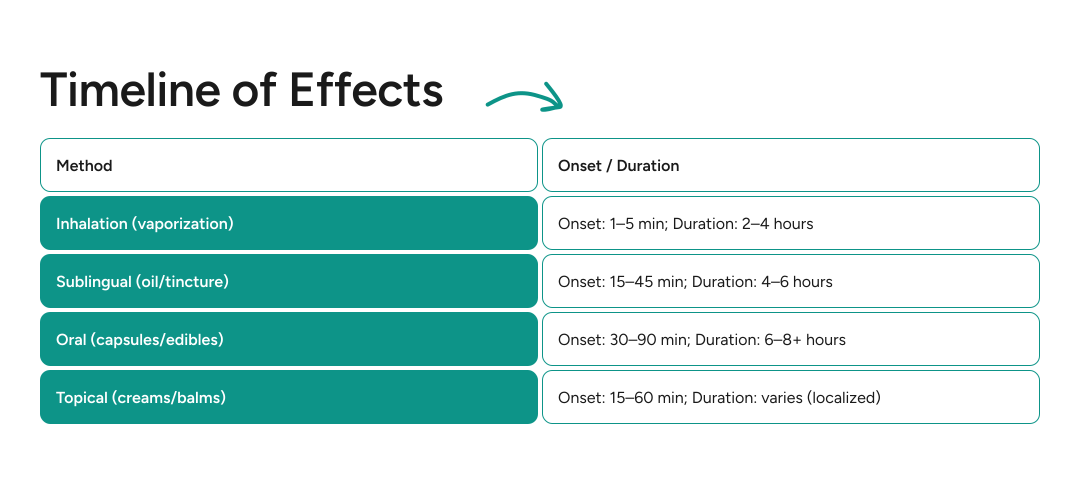
Physical effects are dose-dependent and method-dependent. Start low, go slow, and give each method enough time before adjusting.
The most important conversations shaping the future of psychedelics, delivered weekly.
From thought-provoking podcasts and original stories to research breakthroughs and industry news, stay connected to the conversations that matter.


Joined by 12,000+ readers
Effects on the Mind
The psychological and cognitive effects of cannabis are among the most discussed, and most variable, aspects of the experience. What you feel depends heavily on the cannabinoid profile, dose, your individual biology, and the context of use.
Potential Therapeutic Psychological Effects
- Short-term reduction in anxiety in some patients (especially with CBD-rich products)
- Improved sleep quality and reduced insomnia symptoms
- Relaxation and subjective calming effects
- Improved mood or emotional relief
- Reduced hypervigilance (the constant feeling of being “on alert” common in PTSD)
Potential Adverse Psychological Effects
- Cognitive impairment: difficulty with attention, memory, and concentration (primarily THC, dose-dependent)
- Altered perception and intoxication (THC)
- Increased anxiety, panic, or paranoia (especially at high THC doses or in anxious individuals)
- Irritability or mood instability in some users
- Psychotic-like symptoms in vulnerable individuals (those with personal or family history of psychosis)
- Dependence risk or problematic use patterns with repeated, unsupervised exposure
- Reduced motivation or mental slowing in some cases with chronic, heavy use
The mind responds to cannabis in highly individual ways. The same product that calms one person may agitate another. This is why clinical supervision and honest self-monitoring are so important.
Side Effects, Risks, and Contraindications
No medication is without side effects, and medical cannabis is no exception. This section covers what you need to know to make an informed decision.
Common Short-Term Side Effects
Most side effects are mild, temporary, and manageable, especially at clinical doses: dry mouth, red eyes, dizziness, drowsiness, increased appetite, temporary memory fog, and mild increase in heart rate.
The risk that deserves the most weight is psychiatric. Product information for licensed cannabis medicines warns that hallucinations, delusional beliefs and transient psychotic reactions have been reported, and requires immediate discontinuation if they occur. The epidemiology points the same way: the EU-GEI multicenter study found daily cannabis users were around 3 times more likely to have a first episode of psychosis than never-users, rising to roughly 5 times for daily users of high-potency products containing 10 percent THC or more. Across the eleven sites studied, 20 percent of new psychosis cases were attributable to daily use.
Long-Term Risks
- Cognitive effects: long-term heavy use is associated with reduced working memory and attention, particularly when use begins in adolescence.
- Respiratory: smoking cannabis (not vaporizing) carries many of the same lung risks as tobacco.
- Cardiovascular: daily use of inhaled/high-potency products has been associated with elevated heart disease risk.
Cannabis Hyperemesis Syndrome
Cannabis hyperemesis syndrome — cycles of severe vomiting in long-term heavy users, characteristically relieved by hot showers and resolving on cessation — was long described as rare. That description no longer holds. After US emergency departments adopted a dedicated diagnostic code in October 2025, identified cases jumped nearly fourfold13, to around 11 per 10,000 emergency visits. Among patients aged 15 to 24 the rate is 39 per 10,000, or roughly one in 260. The CDC attributes the increase to better recognition rather than rising incidence — which is precisely the concern: the syndrome has been going unnamed. If you experience repeated episodes of intense nausea and vomiting that are only relieved by hot showers, discontinue use and see a physician.
Tolerance and Dependence
With regular use, your body can develop tolerance, meaning you may need higher doses for the same effect. This is one reason clinical supervision is important: a clinician can help manage tolerance through dose adjustments, tolerance breaks, or formulation changes.
Is Medical Cannabis Addictive?
This is one of the most common questions patients ask, and it deserves a direct answer. Cannabis can be habit-forming. Cannabis isn’t physically dangerous the way opioids are, but about 9 percent of people who try it14 eventually become dependent — rising to roughly 1 in 3 among daily users15. They develop what clinicians call Cannabis Use Disorder (CUD), a pattern of use that causes significant distress or impairment. That higher figure is the one medical patients should look at, since a prescription means regular use. Risk factors include daily use, early onset of use (adolescence), using high-potency THC products, and a personal history of substance use disorders.
The risk is lower than with several other commonly used substances, but it is still clinically relevant — especially with daily high-THC use. Under medical supervision with controlled doses, the risk of developing CUD is further reduced. The key is honesty: be transparent with your clinician about how much you’re using, whether you feel you need to increase your dose, and whether you’re using outside of your prescribed regimen.
Risks for Adolescents
The adolescent brain is still maturing, and there is no single age at which that stops — structural changes continue well into the twenties and beyond, despite the widely repeated claim that development ends at 25. What the research does support is narrower and still important: heavy cannabis use during adolescence16 is associated with poorer neurocognitive performance and differences in brain structure. Whether cannabis causes those differences, or pre-existing differences predict heavier use, has not been settled — the researchers themselves call for prospective studies to disentangle the two.
Pregnancy and Breastfeeding
THC crosses the placenta and is excreted in breast milk. Use during pregnancy and breastfeeding is strongly discouraged by all major medical organizations.
Drug Interactions
Both THC and CBD are processed by the cytochrome P450 liver enzyme system, meaning they can change how other medications behave in your body. Key interactions to be aware of:
- Cannabis and antidepressants: Can increase sedation with SSRIs and SNRIs. CBD may alter blood levels of certain antidepressants.
- Cannabis and blood pressure medications: THC can temporarily raise heart rate and alter blood pressure, potentially counteracting or complicating antihypertensive therapy.
- Cannabis and alcohol: Combining cannabis with alcohol amplifies impairment, increases drowsiness, and significantly elevates the risk of accidents. Avoid combining.
- Cannabis and opioids: Some evidence suggests cannabis may allow patients to reduce opioid doses (a potential benefit), but combining them increases sedation risk. Always do this under medical supervision.
- Cannabis and psychedelics: Cannabis may intensify psychedelic experiences. Many psychedelic therapy protocols advise avoiding cannabis before and during treatment. Discuss with your facilitator.
- Cannabis and blood thinners (warfarin): CBD can alter warfarin metabolism, requiring close monitoring of INR levels.
- Cannabis and anti-seizure medications: Interactions are possible; monitoring required.
For many patients, medical cannabis is tolerated well under clinical supervision, but safety depends strongly on dose, product type, age, psychiatric history, cardiovascular risk, and other medications. Complete honesty with your doctor about your history and usage patterns is essential.
Dosage Protocols and Administration
There is no single “correct” dose of medical cannabis. Dosing is highly individual and follows the clinical principle of “start low, go slow.”
| Method | Details |
| Smoking | The oldest method, but NOT recommended medically. Combustion produces harmful byproducts. If you currently smoke, discuss transitioning to vaporization with your clinician. |
| Vaporizing (dried flower) | Heated without combustion in a medical-grade device. Fastest onset (1–5 min). Often used for breakthrough pain. Start with 1 inhalation, wait 15 min. |
| Oils and Tinctures (sublingual) | Placed under the tongue with a dropper. Onset: 15–45 min. Preferred for chronic conditions. Allows precise, consistent dosing. |
| Capsules and Edibles (oral) | Swallowed. Onset: 30–90 min, effects last 6–8+ hours. Convenient but harder to adjust. |
| Topicals (creams, balms) | Applied to the skin for localized relief. No psychoactive effects. Does not enter the bloodstream significantly. |
| Transdermal Patches | Adhered to the skin for slow, steady absorption into the bloodstream over hours. Provides consistent dosing without peaks. |
| Concentrates | Highly concentrated extracts (wax, shatter, distillate). Extremely potent. Generally NOT recommended for medical beginners due to very high THC levels. |
How to Dose Safely
THC: Many clinicians begin with very low THC doses, often around 1–2.5 mg, and increase gradually only if needed. Consensus prescribing protocols17 titrate upward in similar increments every two to seven days and cap at 40 mg/day, above which specialist consultation is advised.
CBD: Well-tolerated at higher doses. Therapeutic ranges often start at 5–20 mg/day. Pharmaceutical CBD for epilepsy sits in a different range entirely, and is dosed by body weight rather than as a flat amount.
Titration: Expect the fine-tuning process to take several weeks. Increase dose gradually and only when needed.
Microdosing Cannabis
Microdosing involves using very small amounts of THC (typically 1–3 mg) to achieve subtle therapeutic effects without cognitive impairment. While this overlaps with the low end of standard starting doses (1–2.5 mg), the key difference is the intent: with standard dosing, the dose is gradually increased until a therapeutic effect is reached; with microdosing, patients deliberately stay at sub-perceptual levels long-term, without escalation. Some patients find microdosing helpful for managing anxiety, improving focus, or reducing inflammation while maintaining full functionality. This approach is gaining clinical interest but has limited formal research.
Keeping a Cannabis Journal
One of the most practical things you can do as a medical cannabis patient is keep a simple journal. After each use or treatment period, note the product used (strain, cannabinoid ratio, terpene profile if available), the dose, the method, the time, your symptoms before and after, any side effects, and your overall experience. This record becomes invaluable for you and your clinician in optimizing your treatment.
Scientific perspective on dosing
Patient Stories
Research tells one story. The voices of real people tell another. Both matter. The following are composite narratives inspired by publicly shared patient testimonials and my clinical experience. Names and details have been changed to protect privacy. They are not meant to represent guaranteed outcomes, but to illustrate the range of possible experiences patients may have with medical cannabis.
Sarah, 42 – Chronic Pain and Fibromyalgia
After years managing fibromyalgia with prescriptions that left her foggy and disconnected, Sarah’s pain specialist introduced her to medical cannabis. She started with low-dose CBD oil each morning. Within two weeks, she noticed a softening of her baseline pain. When a small amount of THC was added at bedtime, her sleep transformed.
“For the first time in years, I took my dog for a walk without dreading every step.”
Marcus, 58 – PTSD and Military Service
Marcus served two tours and came home carrying hypervigilance, insomnia, and anger. Through a veteran’s medical cannabis program, he began using a balanced THC:CBD tincture.
“I used to be a prisoner of my own fear. I’m not anymore.”
Elena, 34 – Chemotherapy-Induced Nausea
During breast cancer treatment, Elena’s nausea was so severe she could barely keep water down. Her oncologist recommended a THC capsule before each session. She could eat again, maintain weight, and continue treatment on schedule.
“Cannabis gave me back the ability to fight.”
David, 29 – Anxiety That Didn’t Improve
David tried medical cannabis for generalized anxiety after reading about CBD’s potential. He started with a CBD oil, then added low-dose THC on his clinician’s advice. Over three months, he noticed no meaningful change in his anxiety levels, and the THC occasionally made his racing thoughts worse. He discontinued and found better results with a combination of therapy and exercise.
“It wasn’t for me, and that’s okay. Not everything works for everyone.”
The Broader Picture
Many patient surveys report improvements in quality of life19, although survey data can be influenced by selection bias and should not be confused with randomized clinical evidence. Not every experience is positive. Some patients find cannabis ineffective, experience unwanted side effects, or struggle with stigma. These experiences are equally valid.
Patient Resources
Therapist Perspectives and Ethical Practice
What does medical cannabis look like from the clinician’s chair? Understanding your practitioner’s perspective can deepen trust and improve the therapeutic relationship.
Many clinicians express cautious optimism, especially for patients who haven’t responded to conventional treatments. Key areas: reducing opioid dependence, neurological symptom management, and treatment-resistant conditions.
Challenges
- No standardized dosing guidelines; regulations differ across jurisdictions
- Limited cannabis-specific training in medical education
- Managing expectations amid marketing and misinformation
- Insurance barriers and cost (most medical cannabis is not covered)
- Tension between clinical evidence and patient-reported outcomes
The Ethical Framework
Your practitioner has an obligation to provide genuine informed consent: you should understand the benefits, risks, alternatives, and the limits of the evidence. Ethical practice also means keeping clinical judgment independent of commercial interests, addressing personal biases, and taking extra care with vulnerable populations.
The most effective model is collaborative care: an active partnership between you, your prescribing clinician, and the rest of your healthcare team.
Read more about medcan ethics
Notes from the Author

From my experience working in this field, the most successful treatments are rarely the most aggressive ones. Patients often benefit most when cannabis is introduced carefully, with realistic expectations, regular follow-up, and a willingness to adjust or stop therapy if it is not helping. The patients who do best are the ones who stay curious, stay honest with their clinician, and resist the temptation to chase a miracle cure.
The Biggest Barrier
In my view, the biggest barrier in medical cannabis today is not only regulation — it is education. Many patients still arrive with either unrealistic hopes or unnecessary fear. Some expect cannabis to work like a miracle cure; others feel guilty even asking about it because of the stigma attached to the plant. The real work is to bring the conversation back into medicine: clear indications, careful dosing, honest follow-up, and the willingness to stop if it is not the right fit.
How Accessible Is Treatment, Really?
Access has improved significantly, especially in countries such as Germany, where telemedicine has made it easier for patients to speak with qualified physicians. But access is still not equal. Patients often struggle to find doctors who are both open to cannabis therapy and properly trained in it. Cost, insurance coverage, pharmacy availability, and stigma remain real barriers. From my experience, the first consultation is often less about convincing someone to use cannabis and more about helping them understand whether it is medically appropriate at all.
What Patients Tell Me Most Often
What I hear most often from patients is that they wish they had received balanced information earlier. Many are surprised that medical cannabis therapy is not about “getting high,” but about finding the lowest effective dose that improves daily functioning. Patients often describe better sleep, reduced pain, or feeling less overwhelmed — but they also appreciate when we speak openly about side effects, tolerance, and situations where cannabis may not help. The most successful patients are usually those who document their response carefully and stay in regular contact with their physician.

Legal Status: Europe, the UK, and Beyond
Medical cannabis law is moving faster than almost any other area of drug policy, and it is moving in both directions at once — liberalizing in Europe and North America while tightening in parts of Asia.
Germany: Europe’s Largest Market
Germany has become Europe’s most important medical cannabis market, especially after cannabis was removed from the Narcotics Act framework in 2024. Imports rose from 72 tonnes in 2024 to 201 tonnes in 2025, nearly tripling year on year, with sales crossing one billion euros — though growth stalled in the fourth quarter for the first time. That expansion is now drawing a regulatory response.
In October 2025, the federal cabinet approved amendments requiring an in-person consultation before a first prescription for cannabis flower, limiting telemedical repeat prescriptions to patients seen face-to-face at least once every four quarters, and banning mail-order dispensing of flower, with pharmacy courier delivery still permitted. As of August 2026 those amendments have not passed: the bill remains in the health committee, with the SPD arguing since March for quality standards rather than outright bans, and no vote expected before autumn.
United Kingdom
The UK legalized cannabis-based medicinal products in November 2018, rescheduling them so that specialist doctors on the GMC register could prescribe. In practice, the NHS almost never does23: access is overwhelmingly through private clinics, where prescriptions typically run to several hundred pounds a month. The gap between what is legally permitted and what is actually available remains the defining feature of the British system.
Across the EU
Elsewhere in Europe there is no single EU-wide framework, and national programs vary widely in scope and generosity. More than a dozen member states permit medical use, including the Netherlands, Italy, Denmark, Poland and Czechia. Czechia has moved furthest and fastest: general practitioners have been able to prescribe since April 2025, public health insurance covers 90 percent of the cost, and from January 2026 adults may also grow up to three plants and keep up to 100 grams at home for personal use, though no commercial recreational market was created.
France is the outlier among large European countries — its five-year medical cannabis trial ended in 2024, patients were carried over on a temporary framework, and the permanent regime has still not been published. Ukraine offers a lesson about the distance between law and access: medical cannabis was legalized with effect from August 2024, but the first prescriptions were not dispensed until June 2026. Switzerland, outside the EU, has authorized pilot trials of regulated cannabis sales in several cities.
Global Context
Canada fully legalized cannabis for both medical and non-medical use in 2018, and remains the most permissive major jurisdiction as well as one of Germany’s largest suppliers.
The United States has seen the year’s biggest change. A majority of states run medical cannabis programs, but cannabis remained a federal Schedule I substance throughout — until April 2026, when an order effective on the 28th moved two categories into Schedule III: cannabis contained in FDA-approved drug products, and cannabis dispensed under a state medical marijuana license. Everything else — unlicensed crops, bulk material, derivatives outside approved products — stays in Schedule I. A separate administrative hearing on whether all forms of cannabis should move to Schedule III ran from late June to mid-July 2026, and its outcome is still pending. For patients in state programs, the practical effect is that medical cannabis is no longer federally classified as a drug with no accepted medical use.
Thailand has moved the other way. It removed cannabis from its narcotics list in June 2022, becoming the first country in Asia to do so, and a large recreational market grew up in the three years that followed. In June 2025, the government reclassified cannabis as a “controlled herb” under traditional medicine law — not a return to narcotic status, but restrictive in effect: purchase now requires a prescription from a licensed practitioner, valid for no more than thirty days, and unauthorized possession or sale carries up to a year’s imprisonment.
In much of Asia the stakes remain severe, though not uniformly so. In Singapore, trafficking more than 500 grams of cannabis carries a mandatory death sentence, and executions for drug offenses continue. Malaysia abolished the mandatory death penalty in 2023 — capital punishment remains available for cannabis trafficking but is now at judicial discretion, with long imprisonment as the alternative. Indonesia continues to hand down death sentences for drug trafficking but has carried out no executions since 2016.
Travel Considerations
A prescription valid at home confers no protection abroad, and countries that prosecute cannabis offenses generally do not recognize foreign medical authorization. Patients traveling with prescribed cannabis should check the destination’s rules directly — and in a number of jurisdictions the correct answer is to leave it at home.
Everything you need to know about the legal landscape
Recent Studies, Trends, and Future Outlook
Where the Evidence Stands (2025/2026)
Recent reviews continue to show a mixed picture: stronger evidence for selected physical indications such as chemotherapy-induced nausea, epilepsy, MS-related spasticity, and some forms of chronic pain; more limited and inconsistent evidence for broad psychiatric indications such as anxiety, depression, and PTSD.
A major Lancet Psychiatry review (2026)10 pooling dozens of randomized trials found no strong evidence for cannabis in common mental health conditions at population level. Other recent reviews and early-stage studies point in a similar direction, while research into long-term cognitive effects and novel cannabis-derived compounds continues.
The Future of Medical Cannabis
- Personalized cannabinoid medicine: Matching specific cannabinoid and terpene profiles to individual patients based on genetics, endocannabinoid tone, and condition.
- Precision healthcare: Pharmacogenomic testing to predict individual responses to THC and CBD.
- Pharmaceutical cannabinoids: New synthetic and semi-synthetic cannabinoid medicines in development targeting specific receptor profiles.
- Ongoing clinical trials: Expanding across neurology, psychiatry, oncology, women’s health, and pediatric medicine.
- Cannabis and psychedelic medicine convergence: There is growing clinical interest in the intersection between cannabis therapy and psychedelic-assisted psychotherapy. Both modalities work with altered states of consciousness, engage overlapping neuroplasticity mechanisms, and benefit from similar therapeutic frameworks (set, setting, integration). Some practitioners are exploring how cannabis can serve as a complementary tool before, between, or after psychedelic therapy sessions, though formal research on combined protocols is still in its earliest stages.
Further Reading
The Lancet Psychiatry (2026): Cannabinoids for mental disorders10
Differential effects of medicinal cannabis on mental health (ScienceDirect)24
Cannabis Use and the Endocannabinoid System (AJP)25
The endocannabinoid system (Harvard Health)6
Adverse Effects of Medical Cannabis (PMC)26
Cannabis safety considerations (ScienceDirect)27
2025 Cannabis Clinical Outcomes Research Conference (PMC)28
Medical cannabis: Research to shifting perceptions (PMC)29
History, Pharmacology of Medicinal Cannabis (PMC)30
The science of medical cannabis is at an inflection point. The next decade will likely bring much clearer answers about which cannabinoids, at which doses, for which conditions, truly help.
FAQ
Yes, it can, especially THC at higher doses. THC acts on the same brain systems that regulate anxiety, and while low doses can be calming, higher doses can trigger or amplify anxiety, panic, and paranoia, particularly in individuals who are already anxious or in an unfamiliar setting. This is one of the main reasons dose titration and clinical supervision are so important. CBD, by contrast, is generally not associated with increased anxiety.
CBD oil typically refers to over-the-counter products derived from hemp (containing <0.2–0.3% THC), widely available without a prescription. Medical cannabis refers to products prescribed by a physician, which may contain significant levels of THC, CBD, or both, in specific, controlled formulations. Medical cannabis is subject to pharmaceutical-grade quality controls and is tailored to your condition. They are not interchangeable.
In most jurisdictions, driving under the influence of cannabis (particularly THC) is illegal, even with a prescription. THC impairs reaction time, coordination, and judgment. Even if you feel fine, your cognitive performance may be affected. CBD-only products are less likely to impair driving, but laws vary. Check your local regulations, and when in doubt, don’t drive.
THC can be detected in urine for 3–30 days after use (longer for heavy, regular users), though the psychoactive effects typically last only 2–8 hours depending on the method of consumption. CBD is generally detectable for a shorter period. Importantly, detection on a drug test does not mean you are currently impaired. This is a common source of workplace and legal complications for medical cannabis patients.
Vaporization heats cannabis below the point of combustion, meaning it produces vapor rather than smoke. This significantly reduces exposure to tar, carcinogens, and other harmful byproducts associated with smoking. Most medical cannabis clinicians recommend vaporization over smoking whenever inhalation is the chosen route. However, vaporization is not risk-free, and long-term lung effects are still being studied.
Many patients do use medical cannabis daily, particularly for chronic conditions like pain, spasticity, or insomnia. However, daily use increases the risk of tolerance (needing higher doses) and dependence. Your clinician should monitor you regularly and may recommend periodic tolerance breaks or formulation adjustments.
First: try to stay calm. A THC overdose is usually extremely uncomfortable rather than life-threatening, but severe symptoms (chest pain, fainting, confusion, or persistent vomiting) should be assessed medically. An uncomfortable THC experience (sometimes called “greening out”) typically involves anxiety, dizziness, nausea, rapid heartbeat, and paranoia. If this happens: move to a calm, safe space; practice slow, deep breathing; drink water; and remind yourself that the effects are temporary (usually resolving within 1–3 hours). Some people find that CBD can help counteract THC’s psychoactive effects. If symptoms are severe or don’t resolve, contact your healthcare provider.
Documentaries For Curious Minds
Weed the People (2018) — Families with children battling cancer explore cannabis treatments
Watch the full movie on YouTube
A NORML Life (2011) — Medical value of cannabis with deep ECS coverage
Clearing the Smoke (2011) — How cannabis acts on the brain and body
The Culture High (2014) — Award-winning look at cannabis history and legislation