

This content is grounded in peer-reviewed research, clinical guidelines, and established best practices. Claims are reviewed for accuracy and transparency. Learn more about our evidence standards
The Real Life Results Of Not Seeking Help

A recent study1 of 21 countries revealed that only 34% of people with mental health struggles sought help for their condition, leaving over 60% of those in need who did not seek help.
Not seeking support for mental health struggles can have serious consequences, with research showing negative effects on long-term physical health and daily life, potentially leading to isolation2 and worsening symptoms.
Dr. Madeleine Vieira highlights the emotional and physical implications of mental health problems if they are not addressed, and discusses the importance of taking the first step.

What Happens When We Delay Seeking Help
Research shows that failing to address mental health problems can lead to worse quality of life3, including an increased risk of developing disease or disability, and can cause “more pain than physical illness”.
For example, mental health disorders are linked to an increased risk of premature death4 and cardiovascular disease — having up to two times higher risk of adverse outcomes compared to those without a mental health disorder — and stroke5.
Similarly, 55% of US adults with mental health disorders experience chronic pain compared to 17% among those who do not experience mental health symptoms.
Further, it suggests that un-addressed mental health issues can lead to worse educational achievement6 and work performance7, and carries the risk of substance abuse8 and both experiencing and perpetrating violence.
This research highlights the vital need for people to seek support for their mental health to avoid further help implications and reduced quality of life.
In her practice, Dr. Vieira says one of the most significant consequences of delaying mental health support is the tendency for individuals to blame themselves for their symptoms, often feeling they must “stay strong” rather than reaching out for help.
“The biggest impact is that patterns harden. What might have started as stress, anxiety, or emotional overwhelm slowly becomes a way of living,” says Dr. Vieira.
“People adapt around the pain rather than addressing it. They over-function, numb, withdraw or become chronically reactive. Relationships suffer, physical health often follows.
“By the time they seek support, they’re not just dealing with the original issue but with years of self-blame and exhaustion layered on top.”
Dr. Vieira suggests that the longer someone waits, the more they start to believe that this is simply “who they are,” rather than a condition that can be understood and shifted.
Barriers To Seeking Mental Health Support
Research suggests that there are multiple barriers that prevent people from seeking support for their mental health.
These include a lack of knowledge on mental health9 and how to access treatment, financial barriers10, stigma, embarrassment11 and the potential of discrimination against people diagnosed with a mental illness.
This problem is even more prevalent in low-income countries, where there is a lack of mental health services, higher financial barriers and higher rates of stigma.
While external factors such as cost and access play a major role in preventing people from seeking help, Dr. Vieira says that internal shame also plays a big role, and can often be disguised as self-sufficiency.
The most important conversations shaping the future of psychedelics, delivered weekly.
From thought-provoking podcasts and original stories to research breakthroughs and industry news, stay connected to the conversations that matter.


Joined by 12,000+ readers
“Many people believe they should be able to cope alone, that needing support is a personal failure, or that their struggles aren’t “bad enough” to warrant help,” says Dr. Vieira.
“There’s also fear: fear of being judged, misunderstood or opening something they worry they won’t be able to close again.
High-functioning adults struggle quietly. Professionals, parents and caregivers, especially women, often put everyone else first and minimize their own needs until burnout forces a reckoning.
“Practical barriers matter too such as time, access and cost, but even when those are removed, the internal barriers are often the hardest to cross.”
Equally, Dr. Vieira suggests that there are particular demographics that may struggle to seek help for their symptoms.
“High-functioning adults struggle quietly. Professionals, parents and caregivers, especially women, often put everyone else first and minimize their own needs until burnout forces a reckoning.”
In her practice, Dr. Vieira says that she sees resistance to seeking help among people raised in environments where emotions were “dismissed, pathologised or ignored”.
“For them, therapy can feel unfamiliar or even threatening,” explains Dr. Vieira. “And culturally, there are still communities where mental health support is viewed with suspicion or stigma, which makes reaching out an act of quiet courage.”
Seeking Support For Mental Health
With more than one billion12 people across the globe living with some form of mental health condition, urgent action is needed to break down barriers to mental health care and encourage people to seek support.
According to the World Health Organization, lost productivity caused by depression and anxiety cost the global economy US$1 trillion each year.
This stark statistic has pressed governments to urgently prioritize investment in mental health care, expansion of access to services, multi-sectoral collaboration and the reduction of stigma.
Further research13 emphasises that stigma — both internalized and experienced from others — is one of the biggest barriers that prevents people from taking the first step in seeking the support they need.
Dr. Vieira says that it’s important in her practice to focus on safety and dignity when someone first reaches out for help.
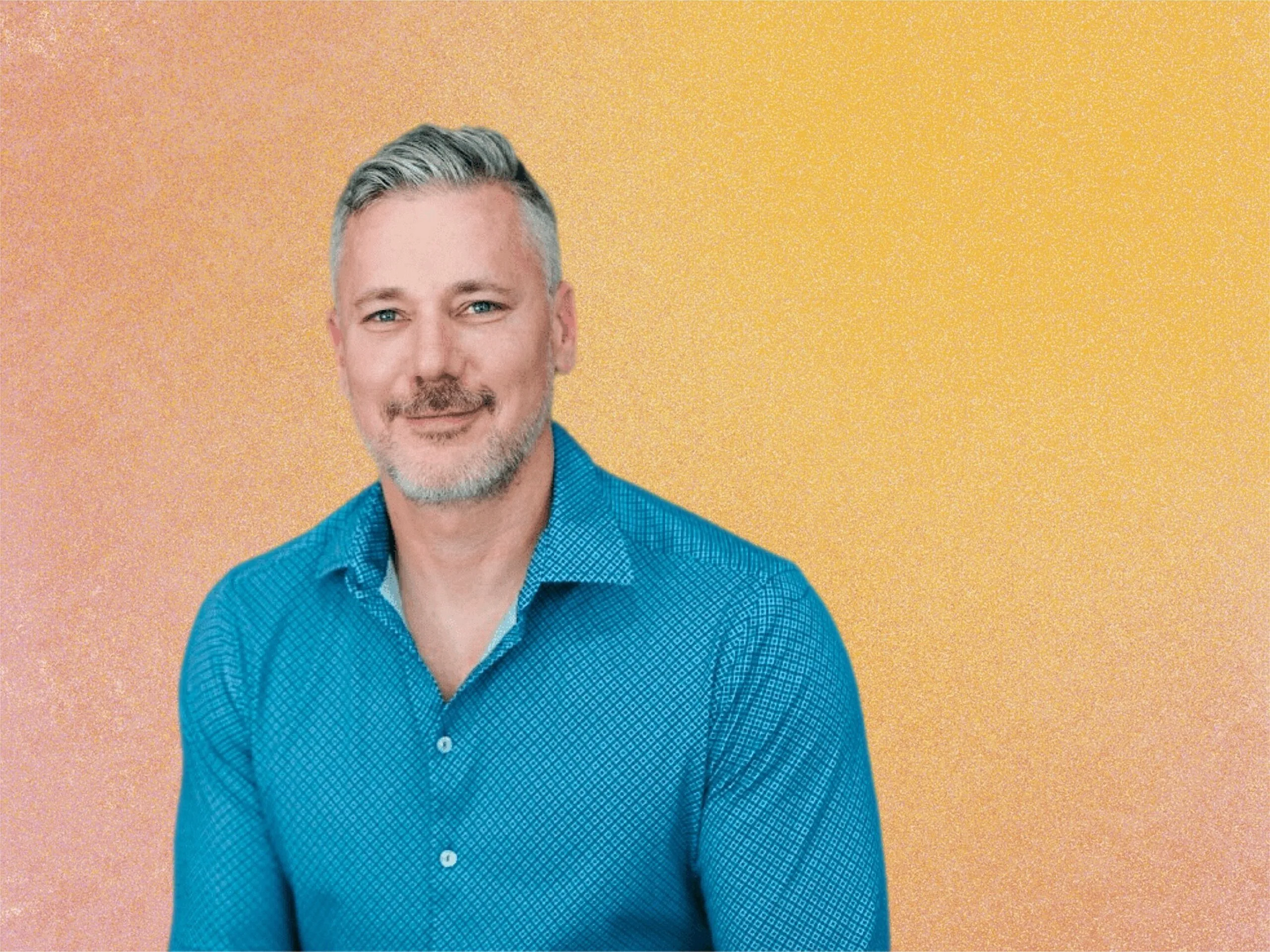

“I don’t frame therapy as something you do because you’re broken, but because you’re human. I often normalise the hesitation itself as most people don’t walk into therapy feeling confident, they come in unsure, guarded or even sceptical,” says Dr. Vieira.
“My role is to meet them there. I emphasise that the first step isn’t about committing to a long process or having all the answers; it’s simply about creating a space where they don’t have to carry everything alone for an hour.”
Dr. Vieira emphasizes that seeking support is an act of strength, not weakness, it’s often a sign that someone has been “holding it together for a very long time”.
“Mental health care isn’t about fixing people, it’s about helping them understand themselves with more compassion and clarity,” says Dr. Vieira.
“When people realise that, the first step becomes less about fear and more about relief.”
 Expert Board Member
While many think that their mental health is less critical than their physical health, delaying seeking help for mental health conditions has serious consequences, including increased risk of chronic disease and reduced quality of life,. This article describes recent research that shows only a third of those struggling actually seek help, often due to societal stigma or internalized shame disguised as self-sufficiency. In fact, seeking support is an act of strength that prevents compounding difficulties and promotes understanding with compassion.