Reading Navigation


This content is grounded in peer-reviewed research, clinical guidelines, and established best practices. Claims are reviewed for accuracy and transparency. Learn more about our evidence standards
New Treatments for PTSD: How Modern Therapy is Changing Lives
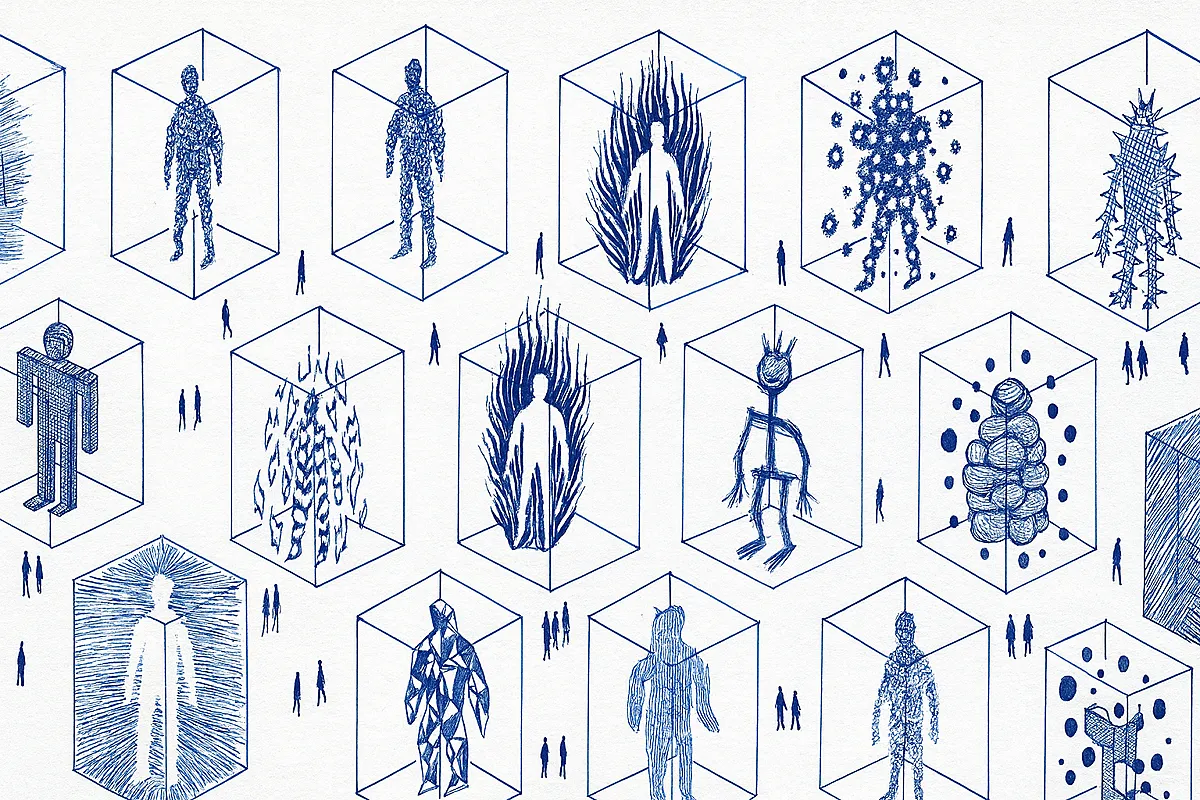
Post-traumatic stress disorder (PTSD) is a mental health condition that may develop after a person lives through or witnesses a traumatic experience. It can affect many areas of life, including emotional well-being, physical health, relationships, and day-to-day functioning. Over the past few decades, evidence-based therapies and medications have helped many people manage their PTSD symptoms. However, some people do not experience full relief, find certain treatments difficult to tolerate, or continue to experience symptoms over time.
This gap between current treatments and actual experiences of patients is what has led researchers and clinicians to consider other approaches to PTSD treatment. Today, PTSD treatment is evolving as a result of advancements in the areas of neuroscience, technology, and mental health research. As understanding of trauma continues to grow, researchers are developing new treatments that may improve nervous system regulation, how people process trauma-related emotions, and access to more personalized care.
This article will review the current trends in emerging PTSD treatments, the science behind these therapies, their potential benefits and risks, and where PTSD care may be headed in the future.

Understanding PTSD: Why Treatment Is So Complex
Post-traumatic stress disorder1 is not only a psychological condition, it also affects how the brain processes memory and fear and how it regulates the nervous system. A person who has experienced trauma may continue to feel a strong fear response even when there is no real or immediate danger. As a result, PTSD symptoms may be unpredictable, persistent and difficult to manage.
Symptoms of post-traumatic stress disorder2 are categorized into four groups:
- Negative changes in mood and thinking: PTSD can affect how a person views themselves, others, and the world. You may experience persistent guilt, shame, emotional numbness, or difficulty experiencing positive emotions.
- Hyperarousal: This happens when your nervous system stays on high alert, leading to a variety of symptoms, including sleep disturbances, agitation, or a constant feeling of being “on guard” all the time.
- Recurrent intrusive memories and flashbacks: Memories of the traumatic event may occur with no warning. Examples include dreams or nightmares, sudden and overwhelming thoughts, or sudden reliving of the traumatic event as if it were occurring in real time.
- Avoidance: A person may avoid certain people, places, conversations, or activities that remind them of the traumatic event.
How this might show up for a person in real life — a case study example:
Bill, aged 35 is an army veteran who was medically retired due to a leg injury sustained during a hostile engagement overseas. He has been struggling to sleep and often wakes from a nightmare soaked to the skin with sweat. He unexpectedly heard fireworks recently which made him freeze and ultimately to go and make himself safe in a store cupboard in his home. A few hours later his wife found him crying in the cupboard.

Bill previously had a good support network of friends and family but now tends to stay home alone where he feels more in control. He was previously an active and involved parent but now finds the noise and chaos of his children overwhelming and at times scary. All of these combined factors leave him feeling exhausted, confused and missing the person he was before he was injured.
PTSD is more likely3 to become chronic or resistant to treatment because trauma affects several brain systems involved in fear, memory, and emotional regulation at the same time. A 2024 research review4 notes that after trauma, the amygdala (the area of the brain responsible for identifying potential threats), may become overly active, whereas the hippocampus, a part of the brain involved in forming memories, may also have difficulty distinguishing past from present.
The prefrontal cortex, which supports emotional regulation and decision-making, may also become less effective5 at regulating fear responses when these three areas of the brain are not functioning effectively. When these systems are disrupted, the brain can remain stuck in survival mode, which helps explain why some people develop chronic or treatment-resistant symptoms of PTSD.
Traditional PTSD Treatments: What We’ve Relied On So Far
For decades, PTSD treatment has focused on a combination of trauma-focused psychotherapy and medication.
Evidence-Based Psychotherapies
These include:
- Prolonged exposure (PE)
- Cognitive processing therapy (CPT)
- Trauma-focused cognitive behavioural therapy6 (TF-CBT)
Evidence-based psychotherapeutic interventions help people understand how trauma affects their thoughts and perceptions and gradually learn healthier ways of interpreting their experiences. Each type of therapy offers an evidence-based way to safely process traumatic experiences and reduce PTSD symptoms.
EMDR therapy is another trauma-focused approach that helps people process traumatic events7 by using guided eye movements and a structured recollection of traumatic events while reducing the emotional distress associated with the event.
Medications for PTSD
In addition to psychotherapy, mental health professionals also commonly prescribe medications, especially when co-occurring symptoms such as anxiety, depression, or sleep problems are severe.
First-line medications for PTSD8 typically include:
- Selective serotonin reuptake inhibitors (SSRIs), such as sertraline and paroxetine
- Serotonin-norepinephrine reuptake inhibitors (SNRIs), such as venlafaxine
A mental health professional may also prescribe additional medications to help manage severe or persistent symptoms. These may include9:
- Antipsychotics, such as, quetiapine or risperidone
- Mood stabilizers, such as lamotrigine or valproate
Limitations of Traditional Approaches
Although these treatments have shown promise, they are not always the best fit10 for every person. For some people, treatment does not result in complete relief, for others, the emotional intensity of trauma-focused therapy makes it difficult for them to continue with their treatment plan or results in discontinuing their treatment early.
Medications on the other hand, can also bring challenges, including unwanted side effects or the need for long-term use. Due to the above mentioned limitations, there has been an increase in the interest of developing new PTSD treatments that could offer more personalized and better-tolerated options.
Explore Progressive Therapies with Vetted Providers

 Netherlands
Institute providing legal psychedelic retreats, therapy and training programmes.

 Gozo, Malta
 Evidence‑based ketamine‑assisted psychotherapy retreat Hive Bio on Malta.
Why New PTSD Treatments Are Needed
Even though traditional treatments have proven effective for many people with PTSD, studies report11 that a large number of those who receive treatment still experience persistent symptoms, often referred to as treatment-resistant PTSD. Long-term symptoms can affect day-to-day functioning and may contribute to physical health problems, social isolation, and reduced quality of life.
There’s also a growing need for new PTSD treatments because treatments that show strong results in controlled research settings can be harder to access, tolerate, or complete in everyday life. Several factors can prevent12 people from completing or fully benefiting from treatment, including:
- stigma associated with seeking mental health services
- limited access to trained mental health professionals
- the emotional intensity of trauma-focused therapy
- the costs and time associated with receiving and completing treatment
As a result, many people are seeking treatments that provide faster symptom relief, allow for more personalized treatment plans, and reduce the risk of retraumatization.
Emerging and Innovative Treatments for PTSD
Researchers have identified many emerging and innovative treatments for PTSD as options for people who do not fully benefit from standard treatments.
Technology-Enhanced Therapies
Virtual reality (VR) therapy13 allows people with PTSD to engage in exposure therapy using immersive technology. In a virtual environment created by a mental health professional, people can gradually be exposed to trauma-related triggers in a structured and controlled way.
Virtual reality exposure therapy (VRET) may offer several potential benefits, including14:
- consistent, repeatable exposure that can be gradually increased as tolerance improves
- sessions tailored to a person’s specific experiences and triggers
- portable and clinic-based systems may help expand access to trauma treatment for people with PTSD
- a safe, controlled environment may help reduce avoidance and increase engagement in therapy
In addition to using virtual reality (VR) therapy, researchers are also studying game-based interventions that use visuospatial tasks, such as Tetris. Some studies suggest15 that short-term use of these games shortly after a traumatic event may reduce the frequency of intrusive memories and flashbacks. However, more research is needed to understand how and when this form of treatment works, how long the benefits will last, and who may benefit most.

Digital and Neuromodulation-Based Therapies
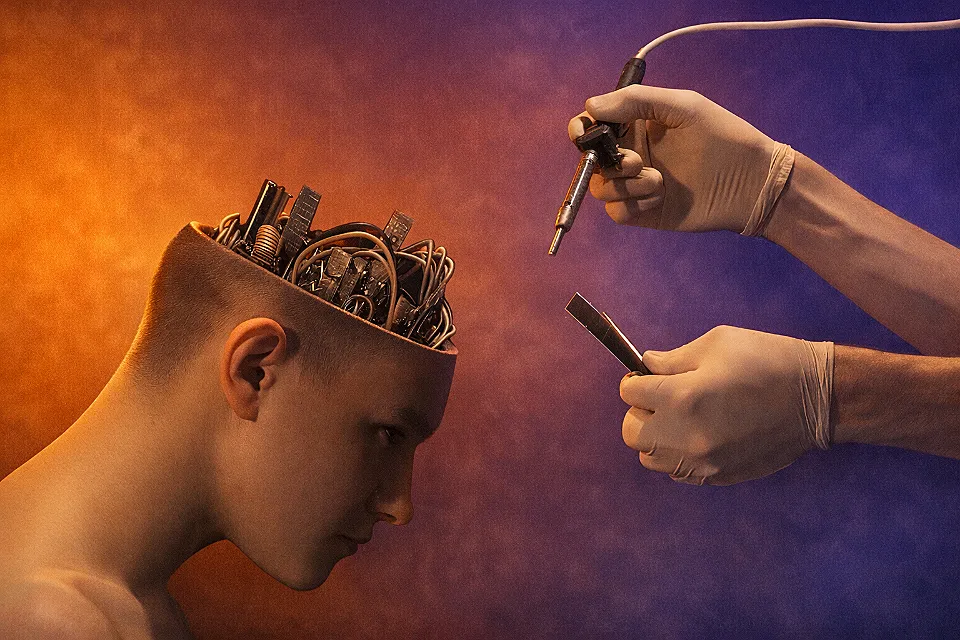
Digital therapies are treatments delivered through technology such as mobile apps, virtual reality, or online programs. One example is PRISM digital therapy16, which pairs EEG and fMRI (functional magnetic resonance imaging) to map brain activity patterns associated with PTSD by targeting the amygdala.
In neuromodulation-based therapy, some parts of treatment are guided by a mental health professional, while others can be completed at home. According to a 2020 review17, this type of therapy is generally well tolerated and may reduce hyperarousal and improve emotional regulation, although research is still ongoing.
Mental health professionals may consider18 neuromodulation-based therapies for people who do not get enough relief from traditional therapy or those who are interested in trying additional options.
Psychedelic-Assisted Therapies
You may have heard about substances like psilocybin (often called “magic mushrooms”) or MDMA being studied for PTSD and complex PTSD (CPTSD). Psychedelic-assisted therapy involves carefully supervised sessions in which trained clinicians administer the medication alongside psychotherapy.
Researchers believe this approach may support19 neuroplasticity (the brain’s ability to form new neural pathways), which could help some people revisit traumatic memories with less fear and avoidance. Although early clinical research is encouraging, these therapies are still in the experimental stages in many countries and require careful screening for safety.
Given the potential psychological and physical risks involved, these treatments are generally offered only with careful screening and oversight from trained healthcare professionals. Here you can learn more about psychedelic integration therapy.
Neurobiological and Pharmacological Advances
Recent advances in this area include new medications to manage fear responses, hyperarousal, and emotional dysregulation. Some of these medications are also being studied20 for their potential to influence fear conditioning (ability to learn from frightening events) and memory reconsolidation (the process of recalling a memory and storing it again in a less distressing way).
This may help psychotherapy work more effectively by making the brain more receptive to learning new coping skills and processing difficult emotions during treatment. Although still in the early stages, researchers are also studying brain-monitoring devices21 to support more personalized treatment planning. By analyzing brain activity, clinicians may be able to recommend treatments that better match each person’s needs.
Experimental and Adjunctive Approaches
These are treatments that may be used alongside therapy. A good example here is hyperbaric oxygen therapy (HBOT)22. During HBOT, a person breathes pure oxygen in a pressurized chamber, allowing more oxygen to dissolve into the bloodstream and reach the brain and the rest of the body.
Emerging evidence suggests that HBOT may help reduce23 the severity of PTSD symptoms by improving brain metabolism and reducing inflammation, but there is limited evidence that HBOT is an effective treatment for PTSD, and it is not currently accepted as a standard treatment.
Because these treatments are relatively new and research is still limited, it’s important to talk with a healthcare professional before deciding whether they may be an option for you.
Find a Trusted Therapist for Your Goals
 Netherlands
 Multidisciplinary Utrecht clinic offering trauma-informed, team-based (kring) care for complex, long-standing mental and somatic complaints.

Comparing New PTSD Therapies: Benefits and Risks
There are several new treatment options that may offer hopeful alternatives for people with PTSD. The table below compares the potential benefits and risks of these emerging therapies.
| Potential benefits | Risks and limitations |
| Potential to reduce symptoms, especially in people who have not responded to other PTSD treatments. | Many treatments are expensive and may not be covered by insurance. |
| May make PTSD treatment feel safer, more gradual, and easier to tolerate. | These treatment options may be available only at certain specialty clinics, research centers, or in large metropolitan areas. |
| Increasing interest in tailoring PTSD treatment to how each person responds to trauma. | Because long-term safety and effectiveness are still being studied, some treatments may involve unknown long-term risks. |
| May help people stay engaged in therapy and feel more able to work through difficult memories and emotions. | Some treatment options require screening before treatment and ongoing medical monitoring throughout the process. |
| Offers potential new treatments for complex PTSD and expands treatment options for treatment-resistant PTSD. | No one is eligible for every new type of therapy. Whether a person qualifies depends on their individual health and safety considerations. |
The comparisons provided above are intended to be an overall general comparison and should not be used as a substitute for personalized medical advice.
Who Might Benefit Most From New PTSD Treatments?
Emerging and new PTSD treatments may benefit:
- People interested in adjunctive or integrative therapy (combining psychotherapy, medications, and other treatments) who are looking for additional support beyond their current care.
- People who struggle with exposure based therapy and would prefer a more gradual or less distressing approach.
- People with treatment-resistant PTSD who may benefit from options beyond traditional treatments.
The best course of treatment depends on many factors, including symptom severity, medical condition(s), personal preference, and risk assessment. Consider speaking with a mental health professional before trying a new therapy for PTSD.

The Future of PTSD Treatment
Treatment for PTSD is changing as understanding of trauma continues to grow. Clinicians now recognize that PTSD can affect24 memory, emotional regulation, and stress responses at the same time, which can make treatment more complex.
As a result of this change, a large number25 of treatment plans are currently including both psychotherapy as well as medication or other forms of support such as technology, instead of using one type of treatment to treat PTSD.
Researchers are also studying how tools such as brain imaging, artificial intelligence (AI), biomarkers, genetics, and digital symptom tracking may help improve26 treatment planning. This area of research is often referred to as precision psychiatry.
Overall, the growing use of combined approaches reflects the need to combine therapy, medication, and other forms of support when treating PTSD.
How to Explore New PTSD Treatments Safely
Working with a licensed mental health professional trained in trauma-informed care can help you understand how a new treatment might fit into your current regimen.
When discussing a new treatment option, you may want to ask a few questions such as:
Is there scientific research that shows this treatment works?
How will this treatment integrate into my current treatment plan?
Are there risks involved in the treatment?
What outcomes should I realistically expect?
You might want to look out for some red flags as you review these options. These warning signs may indicate that a treatment could be risky.
- downplays potential risks
- promises of guaranteed results
- encouragement to start treatment before your care plan is reviewed
Clinical trials can be a good opportunity to explore new PTSD treatments safely. They are conducted under strict guidelines of ethics and safety, and often allow people to gain early access to new treatments that are not currently available to everyone.
Bill, our case study re-visited:
Bill and his family had got to the point where they realised they needed some psychological support. Ultimately Bill was prescribed a low dose of antidepressant medication. This allowed him to engage with trauma therapy with an Eye Movement Desensitization & Reprocessing (EMDR) Practitioner. This treatment paired with the stabilisation techniques he learned helped him be able to viscerally process his experiences.

Over time he began to realise that what hurt him and scared him was in the past and whilst life can still be unpredictable, on the whole he is safe. His clinician told him about the potential benefits of tetris and even though it was some years since his injury he and his children began playing it together as a contest and this helped him feel like he was showing up more for his kids. Bill has now started volunteering at his local veterans centre and has enjoyed being part of something again.
Start Your Recovery Journey Today

 Munich, Germany
 5SWAN is a telemedicine platform for personalized medical cannabis therapy through secure video consultations and continuous care.
 Germany
 Julianna Markus is a psychologist and mindfulness-based therapist based in Trier, Germany.
PTSD treatment now includes both established therapies and newer approaches that are still being studied and tested. As these new treatment alternatives become available, there is also an increased need for mental health professionals and people living with PTSD alike, to assess which treatment best suits them. A combination of treatment approaches may be helpful for some people but working with a mental health professional can help you explore new PTSD treatments and make informed decisions about your care. Remember, trauma recovery can look different for each person, and treatment options continue to change as research develops.
FAQ
 Expert Board Member
PTSD can be incredibly debilitating not only for the individual affected but also for the friends and family surrounding them. I love the sound of the virtual reality treatment options but I would exercise some caution here too. Therefore it’s important to try and be patient by taking a measured approach alongside experienced health professionals. This means we reduce the risk of flooding or further overwhelming. Developing a trusting relationship with a health provider can be essential and empowering.








 London , United Kingdom