Reading Navigation

This content is grounded in peer-reviewed research, clinical guidelines, and established best practices. Claims are reviewed for accuracy and transparency. Learn more about our evidence standards
Beyond the Binary: How Psychedelic Experiences Can Change Your Views on Gender and Sexuality
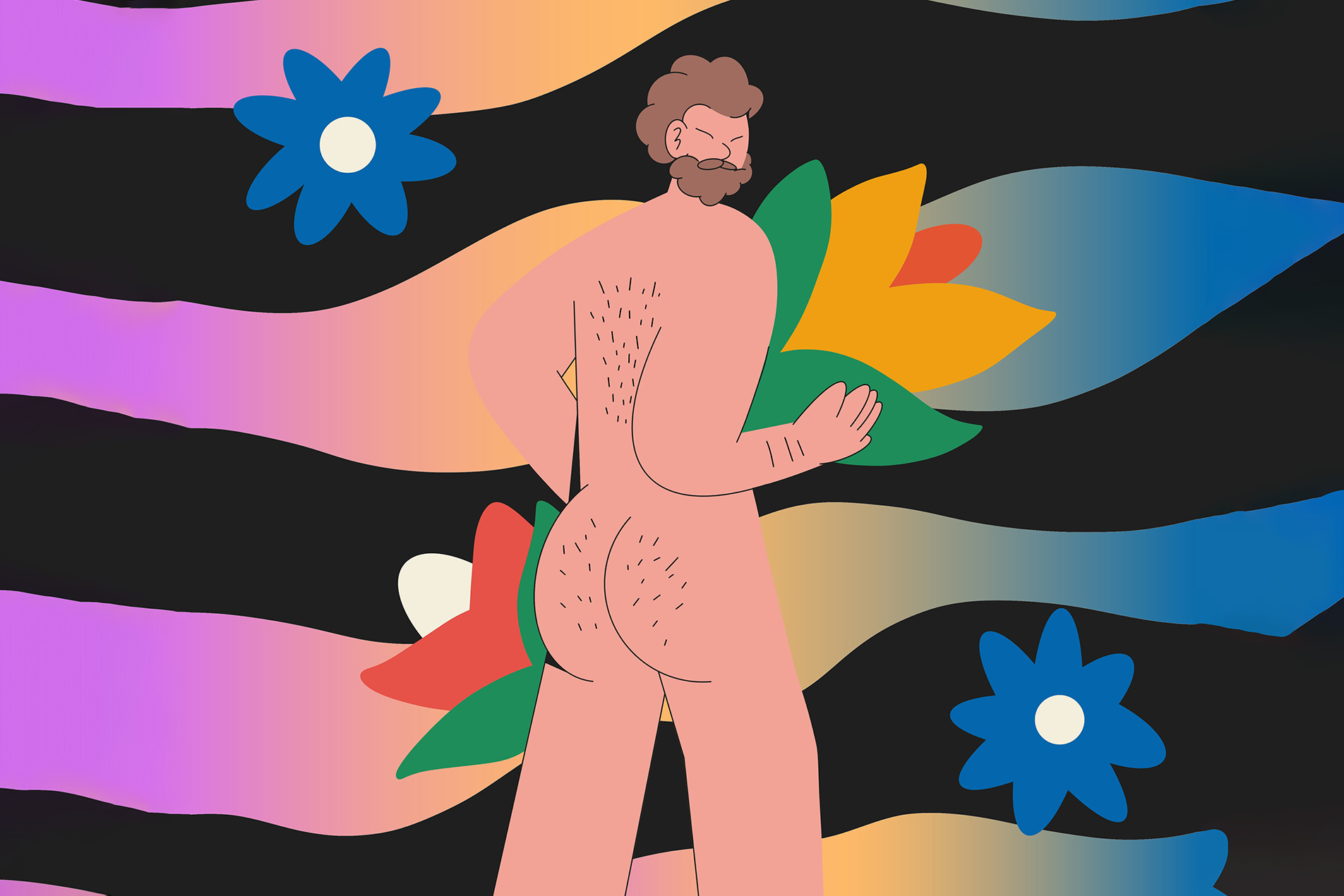
David Bronner, scion of the family which owns Dr. Bronner’s soaps, was under the influence of a “candy flip” of MDMA and LSD in a gay trance club in Amsterdam in 1995. An intense psychedelic experience ensued on the dancefloor in which Bronner was caught in an intense yet somehow blissful tailspin as he worked through “internalized homophobic, insecure, sexist shit” and came to the conclusion that “false constructs” of gender and identity “warp us energetically.”
In the process, he accepted that he is “about 25% girl”, he wrote on his blog in 2022. Bronner acknowledged that he had previously been in “a fair amount of denial” until the epiphany-inducing candy flip set him upon a years-long journey to eventually announce that while he identifies as “relatively straight/masculine,” he also feels “relatively queer and feminine.”
Bronner is the Cosmic Engagement Officer (CEO) of Dr. Bronner’s, the top natural soap brand in the U.S. and one of the top corporate supporters of psychedelics, with millions donated to psychedelic reform efforts. Bronner is perhaps the most prominent figure to have shared how a trip changed his notions of his own gender and sexuality.
A bit less publicly, a growing number of people are having powerful psychedelic experiences that leave them “less rigid in their thinking and feelings on sexuality, lust and arousal,” according to a gay man in his mid-40s whose ayahuasca journeys awakened in him an attraction towards women about five years ago “and made me realize I’m probably more bi than gay.” Following an extended period of reflection until his new insight felt relatively solid, this “strange realization rather late in life” led him to have a threesome with a male-female married couple. “You realize how much society puts us in boxes,” he adds, without wishing to be named for professional reasons. “It was pretty mind-blowing to realize how aroused I was by a woman, and it became clear to me that I’m far from an anomaly.”
Psychedelics could have a potentially liberatory power within queer and trans communities. On one panel at this year’s Psychedelic Science conference in Denver, Colorado, speakers discussed how psychedelic use can help people “forge pathways toward authenticity, empowerment, and belonging.” There are, however, some questions around the wisdom of acting upon apparent psychedelic insights, especially soon after a mind-altering experience.
“The drug isn’t ‘making’ someone bisexual, polyamorous, or gender expansive, but it’s creating a window where they can explore what was already there.”
Daniel Kruger, a research associate professor of community health and health behavior at the University at Buffalo, was inspired to undertake a study exploring the effect of psychedelic use on notions of gender and sexuality after observing “that there seemed to be quite a lot of sexual and, especially, gender diversity in the psychedelic communities that I encountered.”
Around 10% of respondents to the study, released in March1 in the Journal of Sex Research, said that their trips had influenced their “gender identity and/or expression.” They reported experiencing increased authenticity, self-acceptance, openness, and freedom in self-expression, as well as altered notions of their sexuality and gender. One-quarter of women and one-eighth of men reported heightened same-sex attraction after tripping, the study, which surveyed 581 non-psychedelic naive people, reported.
James, a doctoral student in London, attributes his coming out as bisexual to his experiences on psilocybin mushrooms and 2C-B, a euphoric psychedelic stimulant drug. “The real tipping point happened when I was on psilocybin at Glastonbury festival,” he recalls. “It was like an a-ha moment from which everything felt okay, and a lot of shame was taken away.”
He had a Catholic upbringing in England and went to an all-boys school. “The idea of being bisexual had posed some sort of threat to me,” he says. “I was able to move past that while I was on shrooms in a way that I don’t think I would otherwise have been able.”
His partner Emma was eminently understanding, and after they shared an experience with 2C-B in which they acknowledged that they both found other people attractive, they decided to become non-monogamous. “Since we opened it up, it’s definitely allowed us to go deeper into each other,” says Emma.
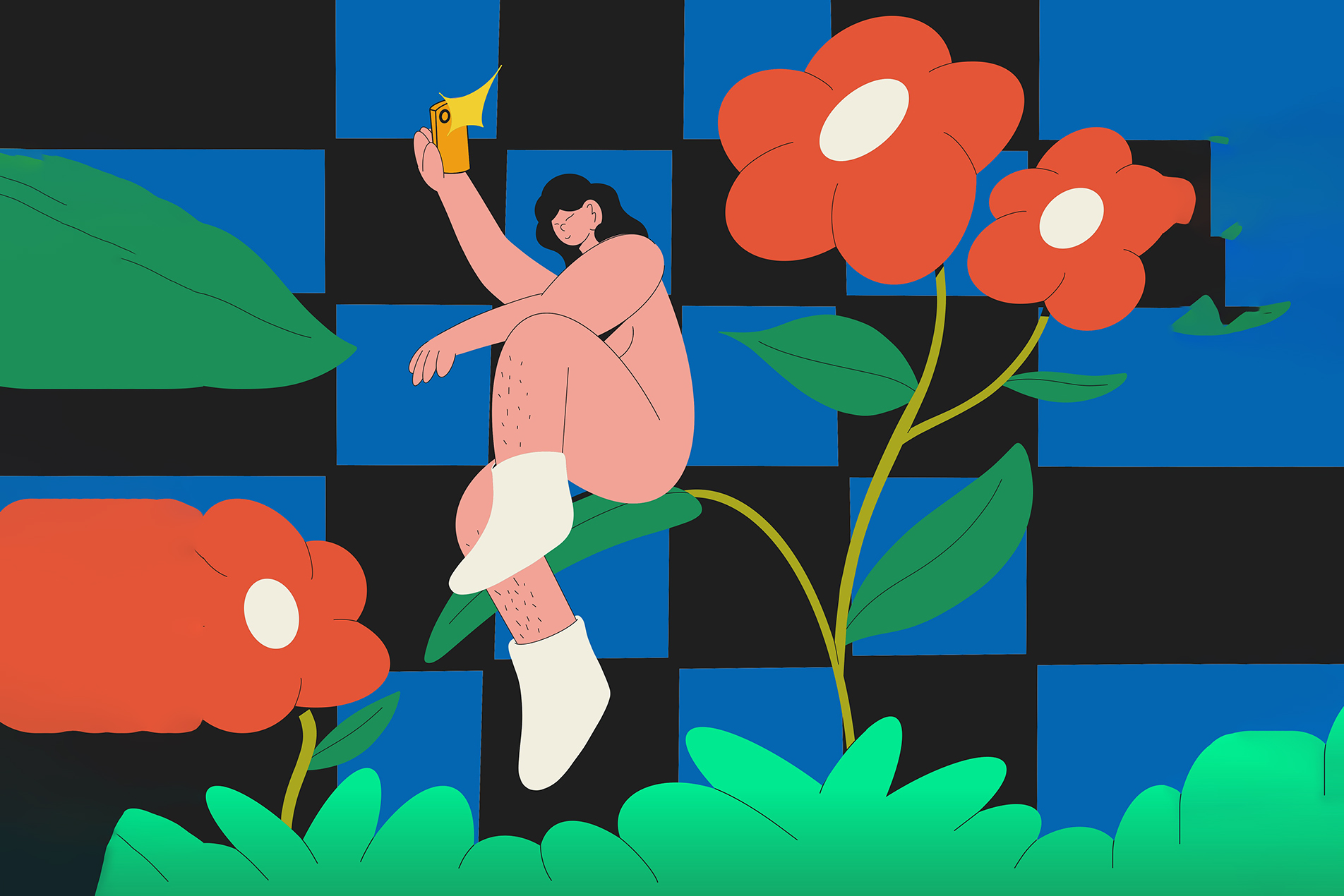
Navigating new terrain requires care, and the couple have been able to process difficult situations and jealous moments through honest communication and annual MDMA journeys together. “MDMA sort of counterbalances and allows us to talk about things like jealousy more openly,” says James.
Higher proportions of participants in the March study reported dating multiple people, or being polyamorous or in an open relationship, after their psychedelic experiences compared to before. But a significant number of others were committed monogamously to their partners
“There may be less need for a sense of ‘you’re mine and I’m yours’ when someone’s heart is more open to the abundance of love,” says certified sexologist and relationship coach Ashley Manta. “For others, it deepens appreciation for one person and strengthens their desire to focus exclusively there because they choose to, not because they have to.”
She cautions that the study is self-selected and retrospective, making selection bias likely and meaning that any explanation of why these shifts occur remains hypothetical. “
Psychedelics can loosen the grip of social conditioning and self-censorship, creating space for desires, attractions, and identities to surface without the usual shame or fear. “The drug isn’t ‘making’ someone bisexual, polyamorous, or gender expansive, but it’s creating a window where they can explore what was already there. Lasting change comes from the conscious work people do afterward,” says Manta.

The psychological and ego-dissolving effects of psychedelics likely allow people to connect more deeply with their “authentic selves,” says Manesh Girn, a postdoctoral neuroscientist at UC San Francisco.
“An influential theory posits that via their brain effects on the default mode network and elsewhere, psychedelics disrupt our usual mental frameworks regarding ourselves and the world,” he says. “This can facilitate a radical questioning of our assumptions and biases, which can then lead to an appreciation of what is true for us beyond our cultural conditioning and externally imposed beliefs.”
For some, like Bronner and James, this means realizing their sexual orientation or gender is different from what they had thought. Vince Slater told the authors of another paper published in March2 of how experiencing “gender euphoria” on LSD helped him muster the courage to medically transition from female to male. “I started dabbling in, ‘I think I want to like, medically transition’,” the 21-year-old said. “The euphoria that I felt on LSD was like, I want to replicate that in a way that’s not just like doing drugs all the time.”
“If you act on what you were absolutely certain of in non-ordinary states, sometimes the joke’s on you.”
The incidence of gender questioning following psychedelic use can be so high that it raises ethical concerns that should be explicitly addressed during the informed consent process of clinical trials, according to a study released in May3, based on an analysis of self-reports on Reddit. Of 94 Reddit posts analyzed, almost 30% reported LSD experiences that introduced a persisting non-cisgender identity for the first time.
“I am female. Yet, with psychedelics, I identify as male,” a 32-year-old woman told the Kruger study. “At first, it opened a portal where I felt I was both male and female, but I realized these were the sacred energies moving through me and that I occupy both of them always,” a 35-year-old woman said. “It was confusing at first, but I understand that we each occupy a physical body gender, but that the sacred masculine and feminine flow through each of us at different calipers.”
Could there possibly be risks to dissolving your identity? Jamie Wheal, an author and psychedelic culture critic, says that one should approach significant life decisions following psychedelic insights with a hint of caution.
“Whether the nature of these molecules is inherently tricksy and unreliable, or if we simply become unreliable narrators of our own ‘flash’ experiences, if you act on what you were absolutely certain of in non-ordinary states, sometimes the joke’s on you,” he warns.

A fundamental aspect of ego dissolution is the erasure of firm gender identity, Wheal adds, and there is a common motif in certain mystical traditions in which a single human takes on the masculine and feminine in one integrated, holy form. “Whether this is merely a passing insight, a mystic’s blessing, or a realization that demands the re-plumbing of one’s given reproductive system is a weighty decision, and best considered with the advice of informed elders, therapists or guides and arrived at slowly, over time.”
Back in the 1960s, there were now infamous attempts to test psychedelics for “gay conversion therapy”, most notably led by psychiatrist Dr. Stanislav Grof, amid a wider pathologization of queer identities in mainstream medicine. Psychiatrists used LSD and mescaline as forms of “psychic shock” therapy to force people into radical forms of self-denial (Grof recently provided an updated renunciation of any suggestion that queerness is something to be cured, and apologized profusely.)
“Psychedelics can help liberate us from internalized policing, shame … and get us out of our heads and into our bodies.”
During this period of dubious clinical research, people “could be prosecuted and admitted to psychiatric units for treatment of ‘immodest or unnatural acts’,” reports a paper published last year4 on queer representation in psychedelic research. Countering these hypotheses, another case study from this era reported that “LSD-assisted therapy was unable to eliminate existing homosexual attraction, but was able to produce greater self-acceptance of bisexuality.”
Emily Savage, the editorial director of Sex & Psychedelics Magazine, says that she spent a long time during her upbringing in western Pennsylvania wondering whether she was bisexual or simply not heterosexual. “Psychedelic experiences really helped me embrace being bisexual and not heterosexual, as well as not monogamous,” she says, after having a 10-year hetero relationship, including two years of marriage through her 20s.
She took acid on the anniversary of the first-ever LSD trip, known as Bicycle Day, and “embraced repressed parts” of herself while accepting that her gender is much more fluid than she had ever considered. “Specific definitions of what masculine and feminine — not to say that they’re not real — are as real as we make them to be,” she says.
David Bronner, who now goes by he/they pronouns, echoes those remarks today.
“Psychedelics can help liberate us from internalized policing, shame, and oppression related to heteronormative patriarchal culture, and get us out of our heads and into our bodies,” he says, “so we can flow, release, and experience our full splendour, glory, and joy in our gender expression, sexuality, and beyond.”
And so, let it be known, psychedelic use may potentially affect your pronouns.
 Expert Board Member
As Jamie Wheal wisely suggests, it is vital to defer any life-altering decisions until after the integration period. Psychedelics reveal parts of us that seek expression, but we must first learn how to consciously and safely allow those emergent energies to find their place in our current lives. If the decision is correct, it will absolutely still be valid 90 days later.



 Munich, Germany

 London, United Kingdom
 Paola, Malta