This content is grounded in peer-reviewed research, clinical guidelines, and established best practices. Claims are reviewed for accuracy and transparency. Learn more about our evidence standards

Are You Drinking in Secret? How to Spot Hidden Alcohol Use Disorder
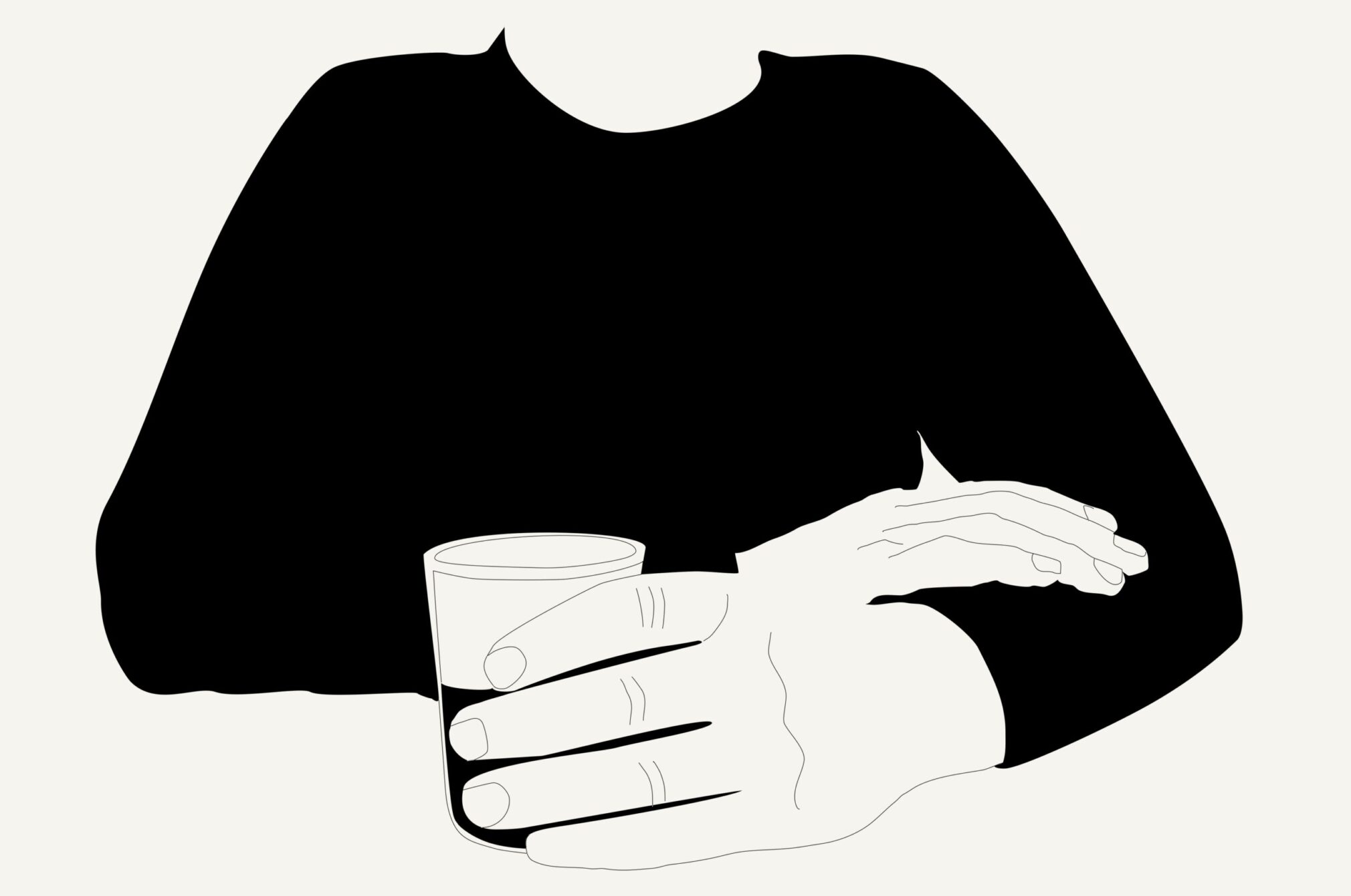
Alcohol misuse doesn’t always announce itself loudly. It isn’t always someone passed out at a party, slurring their words at a bar, or clutching a brown paper bag. Sometimes, it hides in plain sight. This quieter, less visible form of alcohol misuse is called hidden alcohol use disorder (hidden AUD) — or, more simply, secret drinking.
What may begin as small or occasional behaviours can build into a heavy burden on mental health, relationships, and physical well-being. The good news is that, like any pattern of behaviour, it can be recognised, addressed, and treated. Here’s how.
What Is Secret Drinking?
Secret drinking happens when someone deliberately hides or downplays how much alcohol they consume, often by lying about their intake — or disguising drinks. Unlike the occasional drink alone at home, secret drinking involves an intent to hide. It can signal a deeper issue like alcohol dependence, and makes it harder for loved ones or doctors to provide help.
That secrecy often stems from feelings of guilt, shame, or fear of judgment. In some cases, it reflects denial: if no one else notices the drinking, maybe it doesn’t “count.” But secrecy can also be driven by deeper factors, such as cultural taboos around drinking, mental health struggles, or the onset of alcohol use disorder (AUD), sometimes called alcoholism.
In the UK, a 2019 YouGov survey found that 27% of people admitted to understating their drinking, with many lying to healthcare providers, parents, or even their children. People may rely on alcohol to cope with stress or trauma. While reasons vary, secret drinking can carry serious risks if left unaddressed.
When Drinking Becomes Problematic?
Alcohol is one of the most widely consumed psychoactive substances worldwide, second only to caffeine. Alcohol use, though socially acceptable, spans a spectrum from low risk to AUD, with risky drinking (including binge and heavy use) falling in between. Alcohol misuse means drinking in ways that harm your health or lead to dependence, and over time, it can increase the risk of developing AUD.
AUD is a chronic relapsing condition with profound medical, social, and psychological consequences. Drinking behaviour becomes hard to control, takes up too much focus, and continues despite causing harm. Tolerance develops, where more alcohol is needed for the same intoxicating effect, and withdrawal symptoms (also known as delirium tremens) come when drinking stops. AUD is also characterised by a loss of control over drinking behaviour and cravings for alcohol driven by changes in the brain’s reward pathways, involving dopamine and other neurotransmitter systems.
While AUD ranges from mild to severe, even mild cases can progress without treatment. Unhealthy use also includes frequent binge drinking (five or more drinks in two hours for men, or four for women), which carries serious health and safety risks. If drinking repeatedly disrupts daily life or causes distress, it may indicate AUD, making early intervention essential.
Alcohol is the most common substance use disorder globally due to its legal status, wide availability, and social acceptance across many cultures. Unlike other psychoactive substances, it is deeply embedded in traditions, celebrations, and daily life, making consumption more normalised and less stigmatised. According to the newest available estimates produced by the University of Sheffield, around 608,000 adults in England were living with alcohol dependence in 2019–2020. That’s a slight but steady increase compared to previous years.
To stay at low risk, men and women are advised not to drink more than 14 units a week, with a maximum of 2 units per day for women and 3 for men. One unit is approximately equivalent to half a pint of beer, a single shot of spirits (25ml), or half a glass of wine (about 85ml).
Recognising the Signs
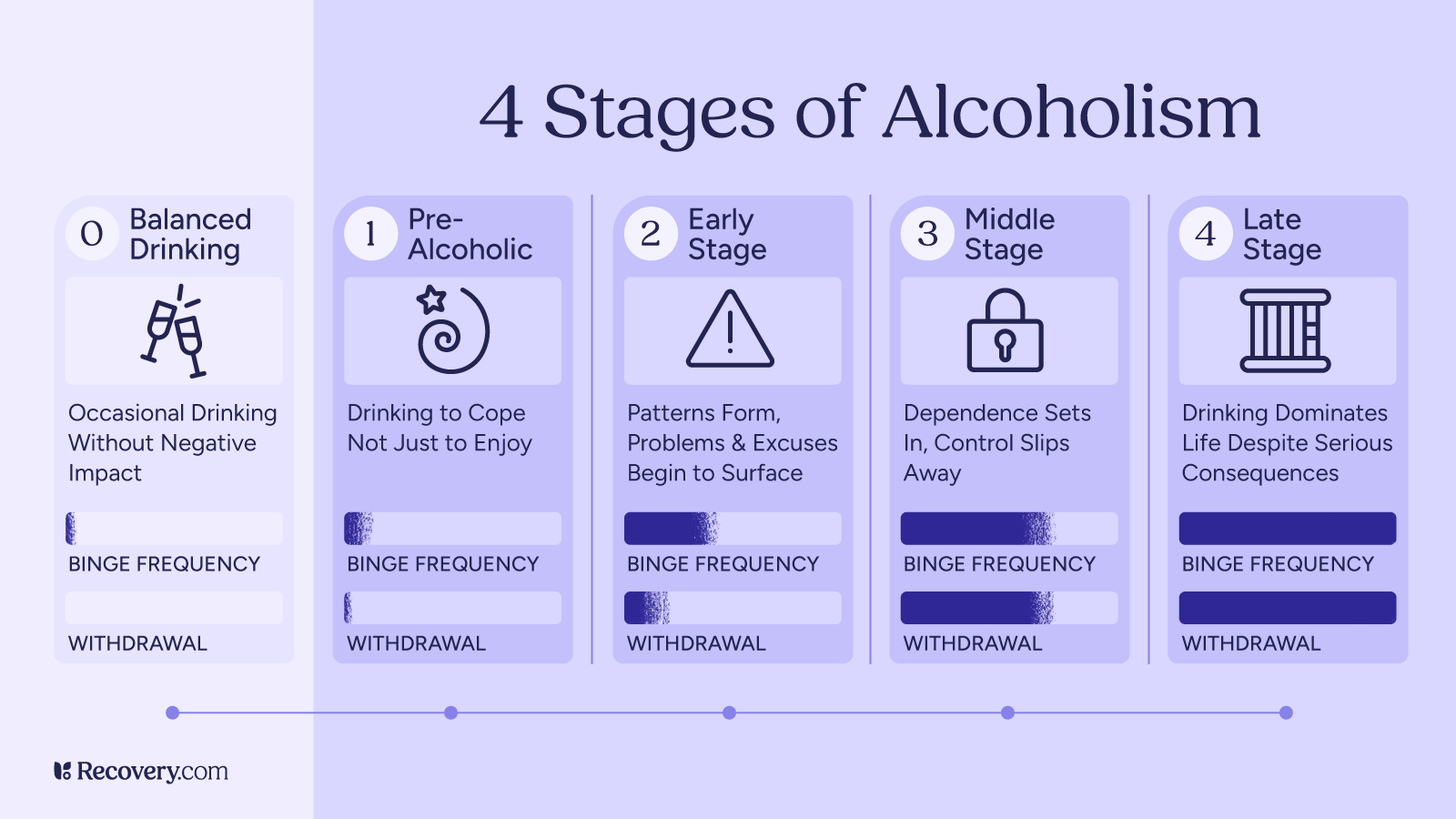
Secret drinking often develops gradually, moving through stages of increasing concealment and dependence. It may begin with occasional drinks in private to cope with stress, then progress to routine secrecy as drinking becomes part of daily life and harder to conceal. In advanced stages, drinking turns compulsive, secrecy deepens, relationships suffer, and risky behaviours appear.
High-functioning Alcohol Use Disorder is another pattern worth noting. Research from the National Institute on Alcohol Abuse and Alcoholism suggests that nearly 19.5% of people with AUD in the US fall into this “functioning” group (or functional AUD subtype): individuals who maintain careers, relationships, and social routines while drinking beneath the surface. Their symptoms tend to be subtle, easily dismissed, or even structurally protected by achievement and competence, which means the disorder can progress through familiar stages of dependence long before anyone recognises it.
Secret drinkers may hide alcohol in unusual places, disguise it in non-alcoholic bottles, or drink alone in secret and use other tactics to cover their tracks. As the name suggests, it can be challenging to identify a secretive drinker, but specific patterns should raise concern.
- Secretive behaviour: Pouring alcohol into juice or coffee containers, or withdrawing to drink heavily in solitude or secluded spaces, often as a way to avoid others. Some may choose to drink late at night while everyone else is asleep, or keep stockpiles at home, work, or even in their car.
- Masking tactics: Using mints, gum, mouthwash, or heavy perfume to disguise the smell of alcohol; overusing eye drops to hide redness; wearing sunglasses indoors; or avoiding close interaction and eye contact to conceal signs of intoxication.
- Emotional shifts: Rapid mood swings, irritability, or defensiveness when questioned; periods of depression, anxiety, or unexplained fatigue; withdrawing emotionally from friends and family; or showing sudden changes in personality depending on whether they’ve been drinking.
- Financial irregularities: Frequent small cash withdrawals, unexplained expenses on credit cards, or a pattern of borrowing money; declining savings or missing bill payments; or redirecting funds meant for essentials toward alcohol purchases.
The Stages of Alcohol Addiction
AUD follows a three-stage cycle that can repeat over time or even within a single day.
- The first stage, binge/intoxication, involves the brain’s reward system in the basal ganglia, where repeated alcohol use creates habits and strong urges triggered by cues like people, places, or objects linked to drinking.
- The second stage, negative affect/withdrawal, emerges when drinking stops, bringing physical and emotional withdrawal symptoms. These result from reduced activity in the brain’s reward system and heightened stress responses in the extended amygdala, driving people to drink not for pleasure but to avoid discomfort.
- The third stage, preoccupation/anticipation, is marked by cravings and obsessive thoughts about alcohol, linked to impaired executive function in the prefrontal cortex, which weakens decision-making and self-control. Together, these stages create a self-reinforcing cycle of addiction.
Why Hidden AUD Is So Risky
Secret drinking isn’t only about hiding alcohol; it poses a serious threat to life itself. The World Health Organisation (WHO) reports that alcohol causes 2.6 million deaths each year, which is nearly 5% of all deaths worldwide. Most of these deaths occur among men. Beyond the direct life threat, the toll spreads in other ways — straining well-being, relationships, and daily functioning.
Emotional and psychological impact: Guilt, shame, anxiety, depression, emotional numbness, and social withdrawal.
Physical health risks: Liver damage, cardiovascular strain, alcohol poisoning, and a higher risk of dependence. Research shows that chronic alcohol use disrupts the brain’s reward system and stress pathways, deepening the cycle of addiction.
Social and professional strain: Secrecy erodes trust in relationships, negatively impacts work performance, and contributes to financial instability.
Legal consequences: Making risky choices, such as driving under the influence, can lead to arrest, fines, or imprisonment.
Hidden AUD is particularly risky because it often goes unnoticed until severe damage has already been done to health, relationships, and daily life. The secrecy delays recognition and treatment, allowing alcohol dependence to deepen over time. Left unaddressed, it can escalate into life-threatening physical complications, dangerous behaviours, and profound emotional isolation.
The longer the secrecy continues, the heavier the burden becomes — not only on the individual but also on those who care about them.
Talking to Someone Who Might Be Hiding Their Drinking
If you’re worried about a loved one, approaching them with compassion is more effective than confrontation. Research on addiction treatment consistently shows that shame rarely leads to change, but empathy often does. Writing down what you want to say ahead of time can help you stay calm and clear. When planning the talk, try to:
- Share your feelings: Use “I” statements, like “I’m worried when you come home late, and I don’t know where you’ve been.”
- Focus on health: Say things like “I’m concerned that drinking so much is hurting your health. I’ve noticed you sleep most of the weekend.”
- Show empathy: Acknowledge their struggles: “I understand that work has been stressful.”
Offer options, not orders: Suggest gently, “Would you consider talking to a doctor or therapist about your drinking?” instead of “You need to get help.”
What to Avoid
- Don’t use labels like “alcoholic” or “addict” — they’re outdated and stigmatising.
- Don’t blame or shame — it usually shuts people down.
- Don’t lecture — listen as much as you speak.
- Don’t stay vague — be specific about behaviours and concerns.
- Don’t rush — choose a calm time and a safe place for the conversation.
Even if the first conversation doesn’t spark change, planting a seed of concern compassionately can be powerful. If you’re unsure what to say, consider speaking with a therapist for guidance or even role-playing the conversation to help you prepare.


Seeking Support
Hidden AUD can feel overwhelming, especially when secrecy has become part of daily life. Many people try to manage it alone, but recovery is far more sustainable with the proper support. Professional help, peer networks, and healthy routines can make a significant difference in life.
- Therapy: Working with a mental health professional can help uncover the emotions and thought patterns that drive hidden drinking. Evidence-based approaches like cognitive-behavioural therapy (CBT), which is one of the most well-researched and effective treatments for alcohol misuse, teach new coping strategies. Motivational interviewing (MI) may also help by strengthening a person’s own motivation to change.
- Group support: Recovery often requires connection. Peer-led groups such as Alcoholics Anonymous (AA) offer safe spaces to share experiences, reduce isolation, and build accountability. Research shows that mutual-aid groups help more people maintain long-term sobriety than formal therapy alone, mainly because of accessibility, social reinforcement, and the sense of belonging they provide.
- Medical treatment: Doctors can provide support beyond talk therapy. Medications may reduce cravings, while supervised medical detox can make withdrawal safer. Primary care providers or addiction specialists can guide which options are best.
- Ketamine-assisted therapy (KAT): Emerging treatments offered under medical supervision show promise in reducing cravings and breaking entrenched patterns of alcohol dependence.
- Mental health support: Recovery is not only about removing alcohol but also about building resilience. Mindfulness practices, regular exercise, good sleep, and a balanced diet all help to repair the body and mind. Stress-reduction techniques from yoga to journaling can make coping without alcohol easier.
Recovery looks different for everyone. Some people need structured rehab programs, while others combine therapy with lifestyle changes and peer support. What matters most is reaching out — whether it’s to a doctor, a trusted friend, or a support group. If you or someone you care about is struggling with hidden drinking, professional support is necessary and available. Recognising the signs, understanding the risks, and starting gentle, honest conversations can make all the difference. With the proper care and support, it’s possible to step out of the shadows of secret drinking and into recovery.