Reading Navigation


This content is grounded in peer-reviewed research, clinical guidelines, and established best practices. Claims are reviewed for accuracy and transparency. Learn more about our evidence standards
What Is Self-Sabotaging?
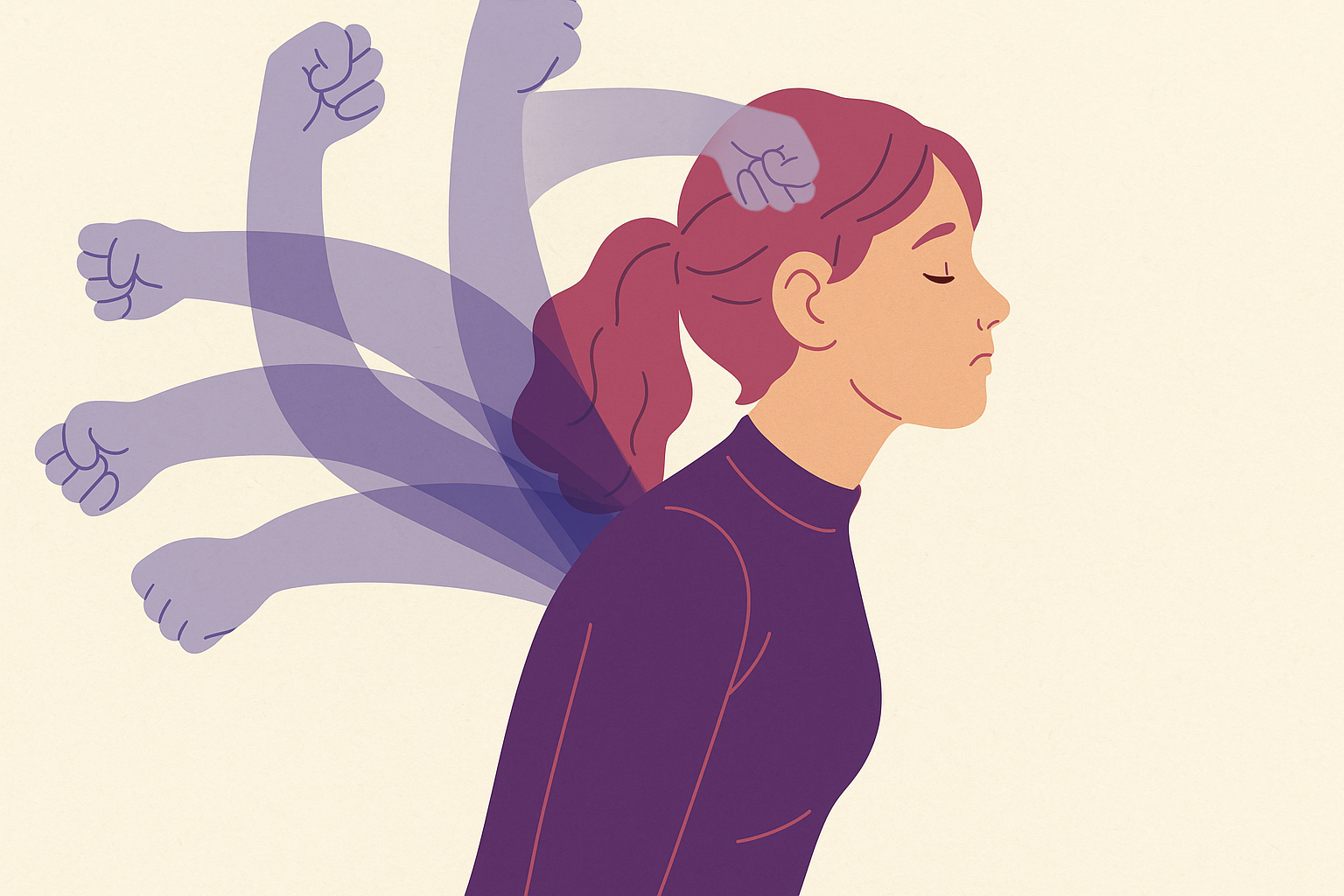
- Self-sabotage is when you make decisions that subsequently prevent future success in areas of your life like relationships, work, or hobbies.
- Self-sabotage may be intentional, but you may also not realize you’re doing it.
- People self-sabotage due to trauma, learned behaviours, fear of failure, low self-esteem, and more.
- Understanding why you self-sabotage is the first step toward change.
You’ve signed up to run a marathon, but you’re not consistent with following the full training plan. In fact, the longest training run you complete is 15 miles — well under the full 26.2 miles of the race — and you’ve skipped other important workouts, too. You make excuses like “it’s too cold out” or “I didn’t eat enough all day and didn’t have time to cook a meal beforehand.”
You still line up at the starting line on the day of the race — and you cross the finish line — but your time is nowhere near what you wanted it to be. “I guess I’ll just never be a fast runner,” you lament. Meanwhile, if you had followed exactly what your training plan had laid out and been consistent, you would have run a faster race.
If you’ve done something similar, you’re not alone. It’s a behaviour called self-sabotage, and many people do it without even realising. But it’s important to become aware of the instances where you do it and put a stop to it, otherwise it can go on to impact your future goals, relationships, mental health, and, ultimately, your happiness.
Keep reading to learn more about what self-sabotage is, the psychology behind it, signs of self-sabotaging behaviour, and how to create better habits.

What Is Self-Sabotaging?
Self-sabotage, sometimes called self-handicapping,1 is a coping style that may develop in early adolescence when facing difficulties with problem-solving. “Self-sabotaging behaviours refer to individual actions and decisions that prevent one’s success and attempt to improve his/her performance,” according to a 2022 review in Frontiers in Psychology2.
There are two different ways people self-sabotage: active or passive. Active self-sabotage is based on actions, like constantly picking fights with a family member, that damage your mental state. Passive self-sabotage is based on avoidance or inaction, like not following the marathon training plan in the example above.
You may not even realise you’re sabotaging yourself, which can be thought of as unconscious self-sabotage. If the self-sabotage is intentional, it can be thought of as conscious self-sabotage.
Why do people sabotage themselves even when they genuinely want to succeed or grow? This is because they may have unrealised feelings that they don’t deserve success, are afraid of failure, don’t have control over a situation, have low self-esteem, and/or want to stay in their comfort zone.


The Psychology Behind Self-Sabotaging
Fear as a Central Driver
You may wonder “why do I keep self-sabotaging myself?” Fear is a big reason why people self-sabotage — intentionally or not. People may fear change, failure, rejection, or success. Overall, it is fear which motivates3 individuals to engage in defensive strategies.
For instance, in a new relationship, you may worry about being hurt, rejected, or abandoned, which may prevent you from trying to get close to someone, so you self-sabotage by starting arguments or distancing yourself from that person.
Self-Concept and Internal Beliefs
If a person has low self-esteem or a negative self-image4, they may feel they don’t deserve it when good things happen to them, certified counsellor Georgina Sturmer, MBACP, told Medical News Today5. Thus, their instinct is to sabotage situations so good things don’t end up happening.
New goals and personal achievements may also contradict old beliefs, causing cognitive dissonance, Ryan S. Sultan, MD, assistant professor of clinical psychiatry at Columbia University, told Medical News Today.
In the marathon example above, you may have genuinely wanted to finish the race. But following the training plan that would help you achieve success may clash with an old belief that you’re not deserving of this (or any) victory, so you didn’t follow through with the training plan in an act of self-sabotage.
Trauma and Learned Patterns
Trauma can affect your sense of self6, which may lead to self-sabotaging behaviours. Difficult upbringings or inconsistent caregiving can create behaviour patterns that are meant to try and protect you from further harm7, but can later become sabotaging, even if it’s unintentional.
Additionally, people may copy8 familiar actions and behaviours. So, if you grew up in a family where someone engaged in self-sabotaging behaviours, you may be more likely to emulate them.
Comfort in the Familiar
Another reason for self-sabotage is comfort in the familiar. Humans, by nature, are creatures of habit9. “Habits serve a critical purpose in making our behaviour more efficient, reducing the decision burden we face each day and freeing up mental energy for more demanding tasks,” the article authors wrote.
Abandoning deep-seated habits and leaving your comfort zone may induce feelings of anxiety, uncertainty, and fear, even when your comfort zone may actually be harming you.
Core Emotional Needs Connected to Sabotage
Some people may self-sabotage because they want to maintain control over a situation and/or ensure a sense of predictability, Sultan told Medical News Today.
For instance, in the same marathon example, perhaps you thought you had no business running a marathon to begin with. “Marathons are reserved for people who’ve been running longer than I have and who are faster than I am,” you thought to yourself. You believed you might not finish the race to begin with, so you sabotaged your training to ensure the failure happened on your own terms.
Types of Self-Sabotaging Behaviours
Behavioural Self-Sabotage
Behavioural self-sabotage may show up as procrastination, withdrawal, or impulsive decisions. Avoidance patterns in relationships also count. These are patterns of attachment that can create larger problems in the long run. For instance, if you’re in a relationship where you avoid or withdraw from your partner, your partner may wind up breaking up with you. Or if you wait too long to write a 20-page paper, you may not be able to finish it by the due date, thus earning a failing grade.
Emotional Self-Sabotage
Emotional self-sabotage may show up as pushing people away, shutting down, downplaying your emotional needs or avoiding emotional intimacy10 or vulnerability out of fear of being insufficient or rejected.
Cognitive Self-Sabotage
Cognitive self-sabotage may show up as self-doubt, self-criticism, replaying failures, catastrophising and discounting the positive. These automatic thought patterns can create negative emotional and behavioural outcomes.
Relational Self-Sabotage
Relational self-sabotage11 may show up as using conflict, defensiveness, or emotional distance to protect oneself. People may get in the habit of repeating unhealthy relationship cycles, as well as engage in fear-based behaviours in relationships, per the article.
Lifestyle and Habit-Based Self-Sabotage
Lifestyle and habit-based self-sabotage may show up as engaging in habits that harm long-term well-being (like overspending, self-medication, or neglecting health) — sometimes as a way to manage stress. It may also look like choosing short-term comfort over long-term goals, a hallmark of impulsivity.

Internal Self-Sabotaging Messages
What Are Self-Sabotaging Messages?
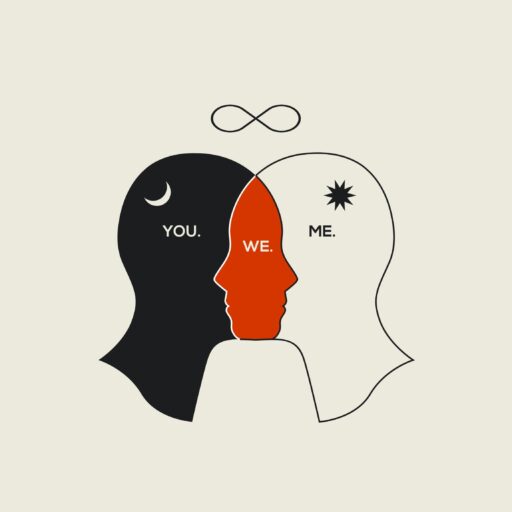
Self-sabotaging messages are internalised beliefs, cultural models or narratives that influence choices and behaviour. These messages often originate12 from childhood, trauma, societal expectations, or past relationships.
Common Self-Sabotaging Narratives
Some common self-sabotaging messages can include:
- “I’m not good enough.”
- “Success will bring pressure I can’t handle.”
- “If I try, I’ll fail anyway.”
- “I don’t deserve happiness, love, or success.”
- “If I don’t care, I can’t get hurt.”
- “People always leave, so I won’t get attached.”
How These Narratives Shape Behaviour
Our thoughts, feelings, and behaviours do not exist separately, but influence13 each other. Think of it like a loop: Thoughts create feelings, feelings create behaviour, and behaviour reinforces thoughts, which brings you right back around to thoughts creating feelings. The thought of “success will bring pressure I can’t handle” may lead to feelings of anxiety or fatigue, which may prevent you from getting an important task done at work. Not getting the task done makes you think you can’t handle what’s being asked of you at your job, bringing you right back to the beginning of the “loop.”
The Role of Self-Sabotage in Different Areas of Life
In Goals and Achievement
You may have self-sabotaging thoughts in many different areas of your life, like goals and achievements. For instance, you may overcommit at work, biting off more work than you can chew, then not be able to get it all done, and you see yourself as not a good enough employee. On the opposite end of the spectrum, if you see yourself as not a good enough employee, you may avoid opportunities to take on new projects or quit in the middle of them and hand them off to someone else on your team.
In Relationships
Self-sabotage can show up in relationships. This may look like pushing people away, being unable to trust people or show vulnerability, destroying healthy connections, or choosing partners that aren’t right for you.
In Work and Productivity
When it comes to work and productivity, those with self-sabotaging patterns may start more tasks than they can finish or procrastinate on important assignments, choosing to work on low-priority assignments instead.
Perfectionism in school or work can also be a form of self-sabotage. Trying to make a project perfect may lead to procrastination — in fact, study revealed that students with higher levels of perfectionism tend to procrastinate more than ones with the lower levels. Indeed, if you set your standards too high, it can cause anxiety and hinder your success.
In Emotional and Mental Well-Being
When it comes to your emotional and mental well-being, people who self-sabotage may self-medicate with food, alcohol, or drugs to avoid feeling discomfort. They may do this so much that it feels normal, avoiding healthier behaviours because those feel abnormal to them.
Want to Talk About It? Connect with Experienced Therapists

 Munich, Germany
5SWAN is a telemedicine platform for personalized medical cannabis therapy through secure video consultations and continuous care.

Co‑founder, COO & Chief Science Officer
Co‑founder, COO & Chief Science Officer
Why Understanding Self-Sabotage Is the First Step Toward Change
Awareness as a Foundation
Before you can stop self-sabotaging, it’s important to understand why you do it in the first place, Sultan told Medical News Today. Do you have low self-esteem? Did you have an unstable childhood? Seeing a therapist on a regular basis can help you figure it out and give you the tools to stop doing it, since knowing the roots of self-sabotage supports future behaviour change.
The Importance of Self-Compassion
The self-sabotaging behaviour literally prevents your future success in areas of your life like relationships, health, work, or hobbies. However, self-sabotaging patterns aren’t a personal flaw — it’s a learned behaviour that makes you feel like you’re protecting yourself from a loss or failure.
Those with self-sabotaging tendencies may do it not because they’re broken, but because they are trying to emotionally secure themselves. It’s important to identify such behaviours because understanding one’s patterns reduces guilt and shame, helps moving towards self-compassion instead of self-blame, and opens14 the door to healing.
 Expert Board Member
Self-sabotage is when you engage in behaviours or thoughts that undermine your own goals, success, or personal well-being, and is often driven by deeply rooted mechanisms like fear, trauma, and insecure attachment patterns. This article explores the psychological underpinnings of self-sabotage and translates them into practical insights, along with a deep dive into various types of self-sabotaging behaviours across life domains to help readers understand their own self-defeating patterns.








 London, United Kingdom
 Gozo, Malta
 Netherlands