Algea Care
Algea Care
Telemed clinic
 Germany
Unsure which option fits?
Ask us on WhatsApp
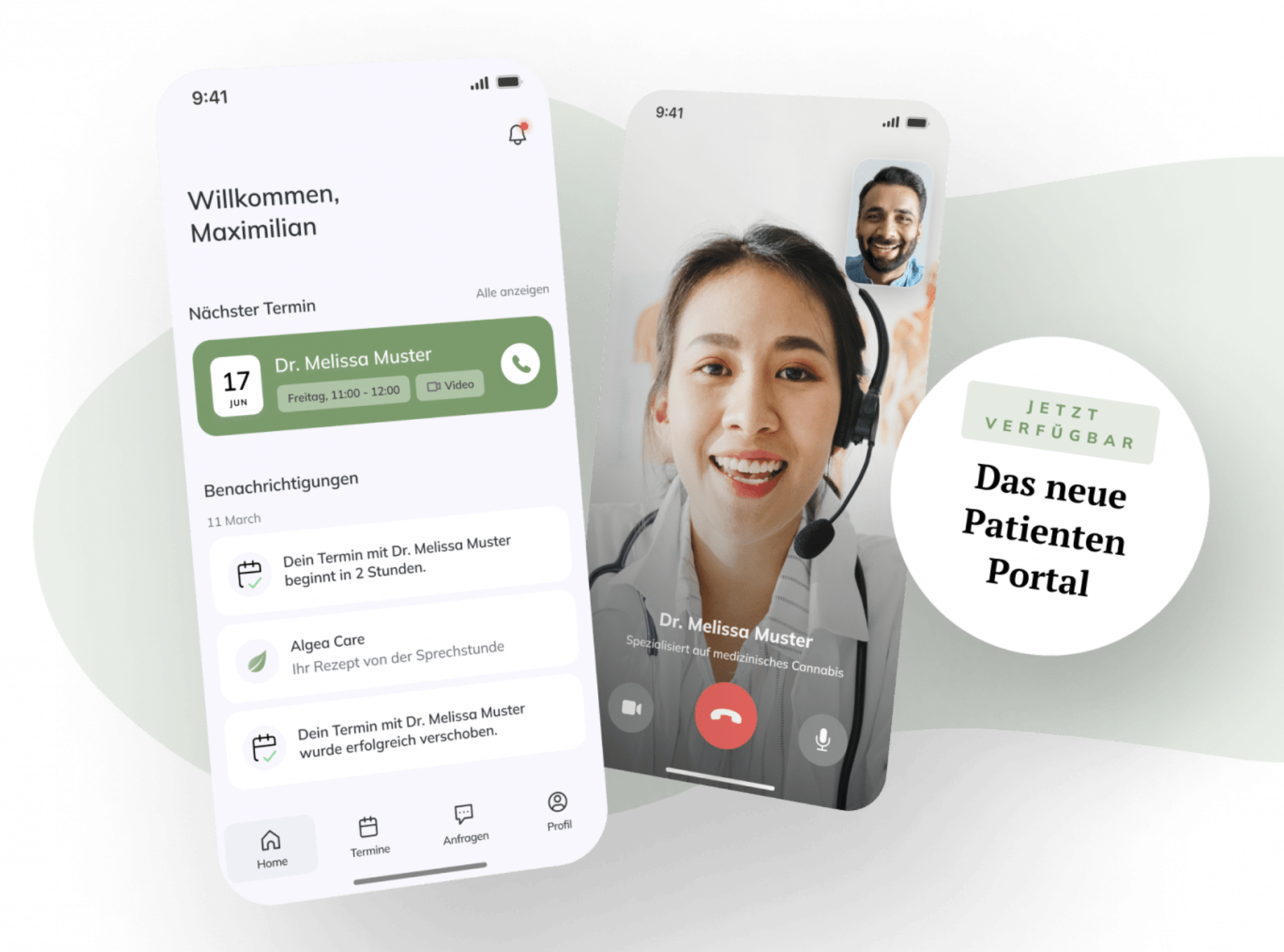

Algea Care (now presented as part of the Bloomwell group) describes itself as Germany’s leading platform for therapy with medical cannabis. It focuses on improving patients’ everyday life and well being through personalised medicine, using medical cannabis (THC and CBD) under specialist supervision for chronic, treatment resistant conditions. The platform combines digital processes with in person care where required, so that collaborating doctors can spend more time on individual therapy rather than administration. Its core values are simple, personalised, competent, innovative, and natural, with an emphasis on medical cannabis as a natural treatment option with often fewer side effects.
Service
Algea Care supports treatment of specific chronic conditions using medical cannabis prescribed by collaborating physicians. The English site lists key “ailments” as chronic pain, depression, ADHD, migraine, sleep disorder, and other ailments. For each indication, they describe how cannabinoid therapy can be used when standard therapies have not worked or have caused unacceptable side effects, often as an adjunct to existing treatment. Patients can start a request for treatment from home via an online questionnaire and are then evaluated by specialised doctors who decide if cannabinoid therapy is appropriate. Medication (THC or CBD based cannabis products) is prescribed and can be dispensed via a mail order pharmacy of the patient’s choice or a local pharmacy, with free choice of pharmacy preserved.
Safety
The platform uses telemedicine only where remote treatment is medically justifiable according to recognised professional standards. Initial consultations for new patients take place in person at one of Algea Care’s locations, and subsequent follow up can often be conducted via video consultations, depending on the clinical picture. The site stresses adherence to current scientific knowledge and professional guidelines, positioning medical cannabis as a regulated prescription therapy for confirmed diagnoses such as chronic pain, treatment resistant depression, ADHD, and sleep disorder. Safety considerations include evaluation of indications and contraindications, use of medical cannabis under doctor supervision, ongoing monitoring of symptoms and side effects, and reliance on evidence and published studies for each indication.
Care pathway
The typical care pathway begins online: patients complete a treatment request form and provide information about their diagnosis and previous therapies. Collaborating doctors then assess whether cannabinoid therapy is fundamentally possible. The initial consultation is held on site at one of the locations. If therapy is started, ongoing treatment for conditions such as chronic pain, depression, ADHD, or sleep disorder can be carried out digitally in many cases via video consultations, as long as this meets professional standards for remote care. Prescriptions are sent to a pharmacy chosen by the patient for dispensing and delivery or pickup. The process remains free of charge until the first appointment, and the model is designed to reduce patient travel and administrative effort while allowing regular follow up and dose adjustments under medical supervision.
This description was generated based on information from the official website and other materials provided by the provider.
Conditions Treated
Symptoms Treated
Substances
Languages Offered
Algea Care
Telemed clinic
Germany
Unsure which option fits?
Ask us on WhatsApp