Reading Navigation


This content is grounded in peer-reviewed research, clinical guidelines, and established best practices. Claims are reviewed for accuracy and transparency. Learn more about our evidence standards
Best Stress Relief Products That Actually Work
- Stress relief products work best when matched to your specific type of stress, of which there are many, like physical tension, mental overload, or emotional overwhelm.
- The most effective stress-relieving products support your nervous system’s natural regulation, they aren’t a replacement for professional care or lifestyle changes.
- Physical tools, such as weighted blankets, aromatherapy items, and massage devices target different stress symptoms than cognitive tools, like meditation apps or fidget devices.
- No stress relief device can offer instant permanent relief, but consistent use of the right products can genuinely help you manage daily stress.
- The best stress management products offer evidence-based approaches that suit your personal preferences and actual stress patterns.
Why Stress Relief Products Matter
Chances are you’re reading this because you’re a little stressed out. Maybe you’ve been searching for something, anything, that will help you feel better. If either or both of those are true, you’re not alone. Modern life constantly throws stress at us from every direction, hello work deadlines, finances, endless notifications, relationships, and global uncertainty. (If that list alone raised your heart rate a little, you’re definitely not the only one.) It’s exhausting.
So many of us turn to stress-relief products in an attempt to find quick and effective relief. One look at the market and you’ll find gadgets, supplements, apps, and devices promising to “melt your stress away” or “instantly calm anxiety.” Some of them may actually help, but others are just overpriced wellness gadgets riding whatever trend happens to be popular.
This article will attempt to take the stress out of choosing the right stress-relief products. We’re not listing every item on Amazon. Instead, we’re focusing on the categories that actually show evidence of helping people regulate stress in real life, based on research, how different stress management products address different types of stress, and discuss what these products can and can’t do. Because throwing money at random anti-stress gadgets won’t fix chronic stress, especially if you don’t understand what type of stress you’re dealing with.
What is Stress and How Does It Affect the Body and Mind?
Stress is your body’s response to demands or threats. Your brain and nervous system react the same way whether the threat is real, imagined, or just feels urgent in the moment.
Acute stress is short term. It often happens leading up to a major event. The stressful thing happens, you react, and then it passes. Think of things like giving a presentation, rushing to meet a deadline, or preparing for an important conversation. In some instances, this kind of stress can actually be helpful, boosting your performance and adaptability.
Chronic stress is the type that’s the problem. It’s ongoing pressure that doesn’t let up. Instead of one stressful moment, it becomes background noise that never really shuts off. Like constant work deadlines, financial strain, ongoing health concerns, or caregiving responsibilities. Your body stays in alert mode way longer than it’s designed to handle. Episodic acute stress, when acute stressors occur too often, can also produce similar physical and mental results.
According to the American Institute of Stress, stress affects 77% of people physically and 73% mentally on a regular basis. Common symptoms include:
• Physical: like headaches, fatigue, muscle tension, upset stomach, rapid heartbeat, and trouble sleeping
• Emotional: such as overwhelm, irritability, anxiety, mood swings, and feeling burnt out
• Cognitive: like racing thoughts, difficulty concentrating, constant worry, poor memory, and indecisiveness
Left unmanaged, chronic stress can mess with everything. Research shows that it disrupts the quality of sleep, weakens immune function, impairs focus and decision-making, strains relationships, and increases the risk of long-term health problems like heart disease and depression.
How can you tell if what you’re experiencing is stress or anxiety? While these conditions overlap, they aren’t identical. Stress is usually tied to a specific external pressure and eases when the pressure lifts. Anxiety can persist without a clear external cause and involves excessive worry that’s hard to control.
Find Your Type of Mental Health Support

 United Kingdom
Gemma Autumn is an integrative psychotherapeutic counsellor based in London who offers adult and adolescent psychotherapy using a flexible, person-centred approach.

Do Stress Relief Products Really Work? What to Expect
The short answer is that some do (and some don’t), which probably isn’t the satisfying answer people hope for when they’re shopping for a solution. Still, so long as you have realistic expectations, many stress tools can help.
What stress management devices can help with:
- Regulating your nervous system to help you physically calm down
- Providing comfort and soothing sensory input
- Creating rituals or habits that support stress management
- Offering awareness of your stress levels
- Supporting better sleep, which helps with overall stress resilience
What they cannot replace:
- Therapy or counseling for underlying mental health issues
- Systemic changes (such as leaving a toxic relationship or job)
- Medical care for anxiety disorders and chronic conditions
- Addressing root causes of your stress
- When stress relief items do work, here’s the results you’re likely to see:
Nervous system regulation. Tools like weighted blankets or massage tools can activate your parasympathetic nervous system1 (often called the body’s ‘rest and digest’ system, which helps slow heart rate, support digestion, and promote relaxation).
Sensory input. Your senses directly affect your nervous system. Just think about how a loud noise can startle you or smelling smoke can increase your adrenaline. The opposite, like calming scents, soothing textures and sounds, or gentle pressure can signal safety to your brain, which helps your body begin to relax.
Habit and ritual. Sometimes, it’s less about the product and more about consistency. The brain loves predictable routines, so using a certain stress-relief device as part of your wind-down routine can train your brain to associate that item or process with relaxation.
Placebo effects are still real effects. If you genuinely believe something will help you relax and it does, don’t discount it as “fake”. Your brain still produces measurable physiological changes, which are still beneficial. The important thing is that placebo producing tools are used alongside evidence-based tools. Neither should be written off.
How to Choose the Right Stress Relief Product for You
Because not everyone’s stress looks the same or originates from the same things, not every de-stress item will work for everyone across the board. What relaxes one person can feel irritating or useless to someone else.
You can start by identifying your dominant stress pattern.
- Physical tension. If your stress frequently shows up as tight shoulders, headaches, restlessness, or a clenched jaw, you need tools that will address these physical symptoms.
- Mental overload. With cognitive stress, you’ll notice things like racing thoughts, inability to concentrate, a mind that won’t turn off, or decision fatigue, tools that calm your thinking may work best.
- Emotional overwhelm. Feeling-based stress, like irritability, anxiousness, or being on the verge of tears or emotionally reactive may respond best to tools for emotional regulation.
- Sleep-related stress. If you can’t fall asleep or stay asleep, and lack of rest makes everything yours, you need tools that will target sleep quality.
While many people experience a combination of these things, one category often dominates. Once you know what it is, move onto the next step.
Think practically:
- Compatibility with your lifestyle. The most important question is, will you actually use it? A meditation app you never open or a fancy gadget that requires 30 minutes you don’t have won’t do much to help your stress levels. In reality, the best stress tools are often the ones simple enough to use regularly.
- Sensory preferences. Some people like touch and pressure while others find that they’re touched-out and they need minimal sensory input. Some individuals like strong scents while others find them overwhelming. Learn and know your preferences so you don’t waste time or money on the wrong products.
- Portability. Do you primarily experience stress at work or at home? Do you need something travel-friendly?
- Budget. Effective stress-management products exist at every price point. Expensive doesn’t necessarily mean better. Some of the most useful ones are surprisingly simple.
It’s important to note that if your stress involves severe panic attacks, inability to function in everyday life, serious symptoms of mental illness, or active suicidal thoughts, you need professional help first. Stress-relief products can support treatment – they can’t replace it.
Categories of Stress Relief Products that Can Actually Help
Physical Comfort and Nervous System Soothing
Best for: muscle tension, sleep issues, and physical manifestations of stress.
Weighted blankets use deep pressure stimulation, which may promote relaxation and improve sleep quality. Some studies2 suggest they can reduce perceived anxiety and stress. They often weigh between 15-25 pounds (choose one that’s about 10% of your body weight) and many people describe the sensation as feeling like a firm, steady hug. They’re beneficial for those with difficulty sleeping, anxiety, or those who respond well to physical touch, but if you overheat easily, feel claustrophobic, or have breathing issues you may want to skip them.
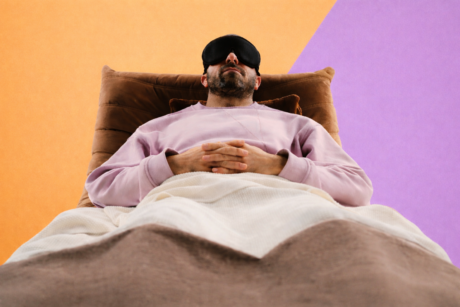
Eye masks and gel packs block light (important for sleep) and provide cooling or warming sensations that can ease tension headaches and promote relaxation.
Massagers (handheld, built-in, percussion, shiatsu) release muscle tension directly. Percussion massagers work deep tissue while others, like shiatsu, mimic gentler finger pressure. Even simple non-electronic massagers, like a tennis ball or those wooden pronged objects, which have been around forever, can help if you carry stress in your neck, shoulders, or back.
Heating pads and body wraps encourage tense muscles to relax and promote blood flow. Heat is particularly helpful for stress-related muscle pain.
Aromatherapy and Sensory Regulation Tools
Best for: quick emotional shifts, calming environment, grounding.
Aromatherapy has been used for centuries, and modern research is actually pretty solid. While scent preferences are personal, a 2015 systematic study3 found that certain essential oils can influence mood and stress primarily through the olfactory system, where scent signals interact with brain regions involved in emotion and memory.
Essential oil diffusers disperse scent throughout a space. They create ambient calm and can be a part of sleep or work routines.
- Lavender for anxiety and sleep
- Bergamot for stress and mood
- Chamomile for calm and sleep
- Ylang-ylang for lowering heart rate and blood pressure
Roll-ons and inhalers are portable scent devices. They can be applied to pulse points or smelled directly when stress strikes and are way more practical than carrying around a bulky diffuser.
Scents are ideal for those who respond well to them and want quick, portable, stress-relief. However, if you have sensitivity to smells, asthma, or work in scent-free environments it may be best to avoid them.
When Aromatherapy Isn't Enough, Expert Help Is Just One Click Away
 United Kingdom
 Psychedelic integration and psychosynthesis coach in London offering trauma-informed preparation and integration sessions to translate psychedelic experiences into lasting change.

 Netherlands
 Psychotherapeutic practitioner and somatic guide working with mindfulness-based somatic psychotherapy (Hakomi) and psychedelic-informed preparation and integration.
Mindfulness and Cognitive Stress Tools
Best for: racing thoughts, restlessness, mental overload.
Meditation and breathwork apps (like Calm or Headspace) can guide you through practices that soothe your nervous system. Consistent meditation practice has been associated with neuroplastic changes in brain regions4 involved in attention, emotional regulation, and stress processing.
Guided relaxation devices (such as Muse Meditation or Zenimal) use light, voice, or sound patterns to guide your breathing as you work to slow your system down.
Adult coloring books aren’t just trendy. A lot of people dismiss them for kids, research suggests otherwise. A 2018 study5 found that mindfulness-based coloring significantly reduced anxiety. It’s thought that the focused, repetitive movements can help quiet a racing mind and let you reach a relaxed sort of “flow state”.
Fidget and tactile devices (stress balls, fidget spinners, textured objects) give your hands something to do, which can help focus your mind and reduce restlessness. They’re particularly helpful for people with anxiety or attention issues.
Supplements and Edible Stress Support
Best for: baseline stress support (when used with caution and realistic expectations).
It’s important to note that supplements are regulated like medications, which means quality can vary widely. Additionally, they’re certainly not magic pills, and should be discussed with your doctor before starting.
Some options to consider (with support and research) include:
Ashwagandha: An adaptogenic herb that may reduce cortisol and symptoms of stress. While some studies show benefits6, most effects are modest.
Magnesium: Supports nervous system function7 and may improve restlessness, muscle tension, and sleep.
L-theanine: An amino acid found in tea that promotes relaxation without making you drowsy. It can help with calm and focus8.
Drinks and gummies: These often combine both herbs and vitamins in a convenient to take form. But be aware that they require effective levels of active ingredients, and not all have those doses.
Supplements, natural or not, aren’t recommended for everyone. Pregnant or nursing people, those with medical conditions or anyone on medications should not take them without approval from their doctor.
Technology-Assisted Stress Relief Devices
Best for: Those who are driven by data, want to build habits, and are interested in biofeedback.
Wearables that track stress or HRV (heart rate variability): certain popular devices, like Fitbit, Garmin, and Apple Watch have features that show you when your stress levels are rising, helping you intervene earlier. HRV tracking reflects changes in autonomic nervous system activity and can provide insight into how the body responds to stress and recovery.
Guided breathwork devices (like electronic breathing coaches): these devices (often paired with an app) use haptic feedback or visual cues to guide breathing patterns in an attempt to activate your parasympathetic nervous system.
Light therapy lamps: While often used to combat seasonal affective disorder, light therapy lamps can also improve sleep quality by addressing circadian rhythm disruption and regulating your wake-sleep cycle.
Technology based devices like these are great if you like data and external structures that can offer you insight into your body’s functions and patterns. If you feel like tracking, notifications, and even charging a device would only add stress, it might be best to skip them.
Lifestyle and Environmental Stress Reducers
Best for: improving sleep environment and reducing background friction or stressors.
Blue-light blocking glasses: blue light emitted from screens can disrupt melatonin production. Wearing blue-light-blocking glasses a few hours before bed, while looking at your phone or watching television, can improve sleep quality, which can positively affect stress resilience.
Sleep masks: light blocking, or blackout, sleep masks can signal to your brain that it’s time for rest.
Organization tools (desk systems, bag organizers, journals): systems that reduce decision fatigue or daily friction from not being able to find items or remember things can help decrease stress levels. When you’re not hunting for your car keys or dealing with a cluttered space, you cut back on micro-stressors that can accumulate.
Our Curated List of Best Stress Relief Products to Try
Here are our top picks per category based on effectiveness, not marketing or hype:
For physical tension:
- Weighted blankets for deep pressure that calms the nervous system. Great for bedtime or relaxing on the couch but skip if you overheat easily or don’t like feeling confined.
- Handheld percussion massager to release knots wherever your body carries tension. They’re portable, adjustable in intensity and can provide quick relief.
For aromatherapy:
- Lavender essential oil with a diffuser or roll-on as lavender has the most research backing its anti-anxiety effects. Diffusers can create ambiance at home or work while roll-ons offer on-the-go stress relief.
- Bergamot oil is less common than lavender, but it can still be effective for stress and mood. It can be blended with other oils or used alone.
For mental overload:
- Meditation app with a free tier for guided meditation, breathing exercises, or sleep sounds. However, they work best if you commit to consistent use.
- Adult coloring books with intricate patterns can provide an outlet for racing thoughts through their focused, repetitive activities.
For tactile stress relief:
- A quality stress ball or fidget cube is simple but effective for restless hands and anxiety. Plus, it’s discreet enough for work or public spaces.
- Textured sensory tools, like smooth stones or textured rings, can provide grounding sensory input wherever and whenever you need it.
For sleep-related stress:
- Blue-light-blocking glasses worn 2-3 hours before bed can generally improve sleep onset for many people.
- A complete blackout sleep mask blocks all light, which can help with melatonin production and sleep quality. A 2018 study9 directly linked better sleep with reduced anxiety.
For data-driven stress management:
- A fitness tracker with HRV monitoring to see patterns in your stress response so you can identify triggers and learn what actually helps lower your stress. HRV reflects autonomic nervous system flexibility, not “stress levels” directly, and interpretation can vary between individuals and devices.
- A light therapy lamp (10,000 lux) can be used in the morning for 20-30 minutes to improve your mood and help regulate your wake-sleep cycle.
For supplements (with a doctor’s guidance):
- Magnesium glycinate (200-400mg) is a form that’s easily absorbed by the body and supports sleep and muscle relaxation. High doses of magnesium can cause gastrointestinal upset for some, so start low and increase gradually.
- L-theanine (100-200mg) can be taken daily or as needed for calm focus without drowsiness.
Browse Hundreds of Verified Therapists

 Germany
 Julianna Markus is a psychologist and mindfulness-based therapist based in Trier, Germany.
 London, United Kingdom
 Clinical hypnotherapist based in Highgate (North London) and Radlett, offering hypnotherapy, CBT and mindfulness in-person and online.
How to Get the Most Out of Stress Relief Products
Buying anti-stress devices is easy, but using them correctly so that you actually receive benefits can be trickier.
• Pair products with daily habits you already have. Don’t just randomly use your weighted blanket, pair it with your bedtime routine. Practice daily with your meditation app when you’re relatively calm instead of only opening it during a crisis.
• Create stress-relief rituals. In addition to incorporating stress-relief products into existing habits, try stringing a few management devices together to form a ritual. For example, turn down the lights, start a diffuser with lavender, put on blue-light-blocking glasses, spend 10 minutes coloring or journaling, then head to bed with your weighted blanket.
• Consistency over intensity. Five minutes of breathing exercises daily beats an hour-long meditation once a month. Regular small doses of stress relief build up your body’s resilience over time.
• Track what actually works for you. Not everything is effective for everyone. You can give each stress-relief gadget a try with at least two weeks of consistent use, then assess how it is working and drop what doesn’t help.
• Combine approaches. For most individuals, using physical and cognitive tools along lifestyle changes work better than a single approach.
• Be cautious of dependency. Stress-relief devices are tools and may just be one piece of the puzzle. If you cannot function in daily life or find yourself panicking without your stress-relief tools, it can be a sign to seek professional help to work on potential underlying issues.
Common Mistakes to Watch Out for with Stress Products
• Expecting instant, permanent relief. Stress relief items help manage acute symptoms, not cure chronic stress. If your job is crushing, a stress ball probably won’t fix it.
• Buying products that are wrong for their stress type. Someone with physical tension and muscle knots may not benefit from a breathing app alone. Similarly, a heating pad can’t effectively address racing thoughts. Match the tool to your symptoms.
• Ignoring root causes. We all deal with stress from time to time, but some things, like a toxic relationship or an 80-hour work week aren’t going to be solved by a stress-relief tool. You need to address the actual problem.
• Overusing supplements or devices. More isn’t always better, follow guidelines to ensure you’re getting the most out of your product safely.
• Trying everything all at once. Start with just an item or two to see what works and what doesn’t. A drawer full of unused destress items could actually cause more clutter, guilt, and stress.
• Not giving it time. Some stress relieving products work fast, such as a massager, but others, like meditation, need time and consistency to show benefits.

Stress Relief Works Best When It’s Personal
Stress is universal, but stress relief is completely individual. What calms your nervous system might amp up someone else’s. You may love your weighted blanket but your friend may find that it makes them feel trapped and anxious. Both responses are valid. There’s no universal “best product,” only tools that work well for your specific patterns and habits.
The best stress relief products are the ones you actually use to address your specific type of stress. It doesn’t have to be fancy or expensive. A $200 high-tech wearable you forget to charge and never turn on helps exactly zero. But that $15 lavender roll-on you use daily when you can feel the tension creeping in might actually lower your stress levels. In fact, consistency matters far more than novelty.
Start small by picking one or two stress management tools aligned with your stress pattern and goals and use them consistently for a few weeks. Pay attention to how your body responds. Notice what helps and make adjustments.
Building an effective stress management system usually happens through a bit of trial and error, not necessarily shopping. Choose tools that support your nervous system, match your lifestyle, and address what you’re experiencing.
Still, these products are just support, they don’t replace dealing with the source of your stress or getting professional help when you need it.
FAQ
 Expert Board Member
This article provides a clear and accessible overview of common stress-relief tools and helps readers understand that such products work best when matched to specific stress patterns. I appreciate the emphasis on nervous system regulation, realistic expectations, and the importance of lifestyle and behavioral approaches alongside tools. The structured overview of physical, sensory, cognitive, and technological options makes the topic easy to navigate while remaining grounded in evidence-informed principles.





 Spain
Spain 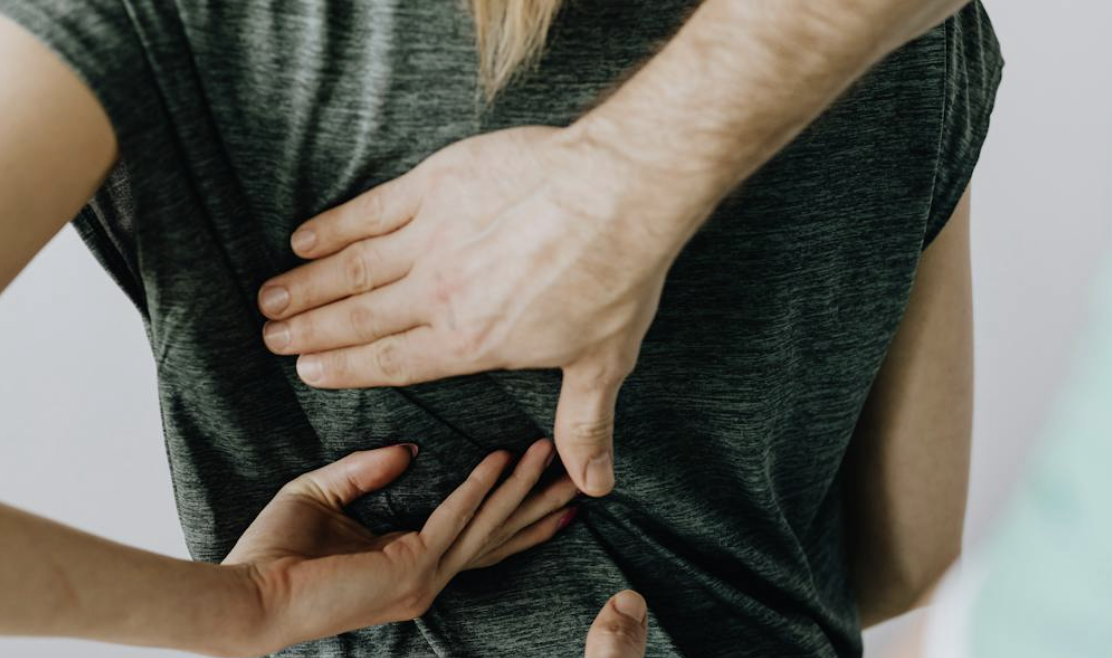
 Budapest, Hungary