Reading Navigation


This content is grounded in peer-reviewed research, clinical guidelines, and established best practices. Claims are reviewed for accuracy and transparency. Learn more about our evidence standards
Why Holidays Can Be Difficult With People With Narcissistic Personality Disorder
- People with narcissistic traits or narcissistic personality disorder (NPD) can be difficult company during holidays and birthdays because these events shift attention toward others when they want the spotlight on themselves.
- Because they are seeking attention and control and lack empathy, they tend to dominate gatherings by creating conflict.
- Spending holidays with people with NPD or narcissistic traits can be traumatic — family members and partners report high rates of anxiety and depression, while children of parents with narcissistic traits or NPD often struggle with attachment issues and low self-esteem.
- It’s important for loved ones to set strict boundaries and potentially distance themselves to protect their mental health.
Occasions like holidays and birthdays typically bring to mind joy, laughter, and quality time with those closest to you. But for some, these gatherings can become tense or emotionally draining when one of their loved ones constantly demands attention and reacts poorly or defensively to others’ needs.
For instance, you’re out to dinner with your family for your birthday and have exciting news to share: You just got a promotion at work. Instead of being excited for you, your brother barely acknowledges your announcement and immediately launches into a story about a time they got a similar promotion, dominating the conversation and steering it away from you.
These reactions are common among people with narcissistic traits or narcissistic personality disorder (NPD). They tend to lack empathy, have an overwhelming sense of superiority over others, and a need to be admired, according to the American Psychiatric Association1 (APA).
Continue reading to understand the psychological dynamics behind these behaviors, raise your awareness of their common patterns and their emotional impact, and learn ways to protect your well-being during these special occasions.

Why Holidays and Special Occasions Can Trigger Narcissistic Traits
1. Need for the Spotlight
Holidays naturally shift attention toward shared experiences, traditions, and managing the needs of other people. But people with narcissistic traits or NPD often struggle when they’re not the central focus. Acting out can become a way for them to draw attention back to themselves — whether the attention be positive or negative.
As a 2011 analysis in the journal Personality and Individual Differences notes, “a crucial component of narcissism is the need to be the center of attention,” because it helps them maintain a sense of dominance and self-importance. The authors explain, “when attention to the self is not forthcoming, narcissists may engage in compensatory actions to direct attention toward the self.”
2. Lack of Empathy
People with narcissistic traits or NPD often have trouble recognizing or responding to others’ emotional needs. This can make it hard for them to understand why an occasion might matter to someone else.
For instance, in the job promotion example above, someone with these traits might not recognize their response as being hurtful — or they may feel too emotionally threatened to respond with empathy. This emotional disconnect can lead to reactions that feel dismissive, insensitive, or hurtful.
According to the authors of a 2023 research article in Frontiers in Psychiatry2, those with NPD may struggle with empathy “because they feel others’ emotions as threatening and dangerous and react with detachment to preserve their own personal integrity.” The research also notes that when empathy is impaired, it can increase the likelihood of exploitive and manipulative behavior in relationships.
3. Control and Predictability
Holidays disrupt routines and introduce uncertainty — time off work, travel, and more social gatherings than usual. However, for individuals with narcissistic tendencies or NPD, unpredictability can feel destabilizing.
According to a 2022 research article in Focus3, many rely on having a sense of control to feel emotionally regulated. When that sense of control is threatened, they may react with irritability or try to dictate plans, schedules, and emotions to restore a sense of stability.

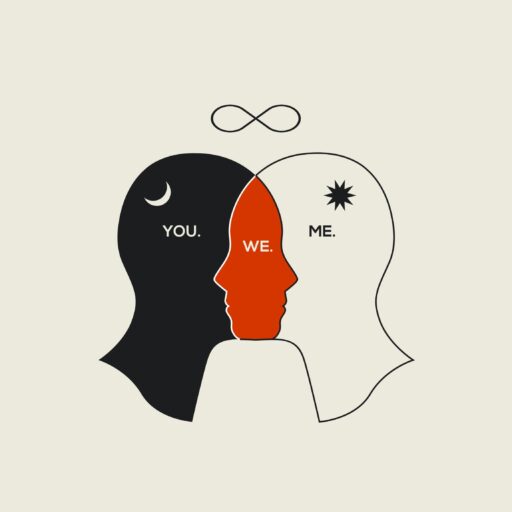
4. Envy of Happiness
Some people with narcissistic traits or NPD — especially those with a covert or vulnerable presentation (a more subtle and hidden form) — may struggle with an inferiority complex, or feelings of inadequacy, insecurity, and low self-worth, according to a 2025 research article by Sinan Ibaguner, MD.
Other people’s joy, closeness, or contentment — common during holidays and special occasions — can intensify these feelings in these individuals. According to a 2025 research article in Frontiers in Psychiatry4, envy (or defense against it) is a key emotional process in people with narcissistic traits or NPD. Others’ happiness that doesn’t involve them may feel threatening, so they may respond with criticism or dampen the excitement to protect themselves from feelings of inferiority.
5. Unrealistic Expectations
People with narcissistic traits or NPD may expect holidays to meet their idealized expectations, believing others should intuitively cater to them and their emotional needs. When reality falls short of these expectations, disappointment can quickly evolve into frustration or anger.
A 2021 meta-analysis in Psychological Bulletin5 found that narcissism is associated with higher levels of both physical and verbal aggression and an increase in violence. These individuals may become especially aggressive if they feel threatened or provoked, such as feeling ignored or insulted, according to the APA summary of this research.
6. Strategic Manipulation
Holidays can intensify both positive and negative emotions like joy, connection, stress, or loneliness. In these environments, some individuals with narcissistic traits or NPD may use guilt, pressure, or obligation to maintain control of the situation and dominance in relationships and family systems. These behaviors demonstrate a harmful coping mechanism that some may employ to achieve and maintain the sense of superiority they strive for.
Discover Your Personality Traits with Trusted Therapists

 United Kingdom
Psychedelic integration and psychosynthesis coach in London offering trauma-informed preparation and integration sessions to translate psychedelic experiences into lasting change.

 Berlin, Germany
 Common Ways Narcissistic Traits Can Disrupt Holidays and Special Events
1. Creating Drama or Conflict
One of the most common ways individuals with narcissistic tendencies or NPD may disrupt holidays and special events is by creating drama and/or conflict. This can look like picking fights over minor issues or bringing up past grievances during emotionally charged moments.
“Individuals with NPD may experience significant psychological distress related to interpersonal conflict,” according to a 2018 article in Behavioral Medicine6. This may be tied to a need for admiration or special treatment, per the article.
2. Emotional Withdrawal and Punishment
Another way people with NPD or narcissist traits may make special events challenging is by emotionally withdrawing – sulking, giving the silent treatment, or shutting down in ways that make others feel responsible for fixing their mood. Giving someone the cold shoulder can function as a coping mechanism, a way to punish and/or manipulate others in a way that allows them to regain a sense of control over the relationship, according to Purdue University.
During the holidays, loved ones of people with NPD or narcissistic traits may find themselves working to reassure and accommodate the one individual, often at their own emotional expense.
3. Attention-Seeking Behaviors
If it seems like someone with narcissistic traits disrupts every holiday, it may be because they experience the special occasion itself as a competition for attention. Thus, they may try to redirect focus to their feelings or needs.
“Narcissists communicate in ways that draw attention to themselves,” notes a 2011 analysis in Personality and Individual Differences. The authors explain that these individuals may engage in compensating behaviors to draw attention back to themselves to reinforce their sense of importance.
In the job promotion example above, the person likely can’t tolerate the spotlight being on someone else, so they work to reclaim it.
4. Sabotaging Plans
Some people with narcissistic traits or NPD may undermine the anticipation and excitement surrounding a special occasion by making last-minute changes, coming late to the celebration, or canceling last minute. Doing so shifts the spotlight and attention back onto them instead of the celebration. Though this may feel intentional, it reflects deeper issues with control and emotional regulation.
5. Manipulation and Guilt
People with narcissistic traits or NPD may play the victim or the martyr during holidays and other special occasions. They may use guilt tripping and emotional tactics to remain the center of attention and control the people and situations around them, according to Narcissist Abuse Support. This may look like shifting blame toward others, creating false narratives, or pretending to be vulnerable to elicit sympathy.
6. Gifts as Control Mechanisms
Gift-giving can also become a way to exert control. While typically seen as well-meaning and generous during holidays and birthdays, people with narcissistic traits or NPD may give grandiose, expensive gifts to make the receiver feel indebted toward them. For instance, someone may gift their partner a rare, expensive handbag and later use it as leverage in the relationship.
On the other end of the spectrum, they may give thoughtless gifts — or withhold them completely — to punish or communicate disappointment. For instance, if they felt insulted or ignored by a family member or friend, they may use that as a justification for not buying them anything for their birthday.
7. Hoovering During Holidays
Some individuals with NPD or narcissistic traits may suddenly reappear at holiday gatherings after long periods of no contact with the rest of their family. They may lean into the sentimentality of the holiday, for instance, emphasizing family togetherness during this time and forgiving past wrongdoings to regain access. This is because guilt and emotional tactics can be powerful tools for these individuals.
The Psychology Behind the Behavior
There are a few reasons why narcissists behave the way they do. For instance:
- People with NPD or narcissistic traits’ self-esteem is dependent on external factors, like how others see them. Their goal is for others to see them in a high regard, according to the APA, so they’ll do anything to make that happen.
- Some may have trouble regulating their emotions, according to a 2024 research article in the European Journal of Investigation in Health, Psychology and Education. Therefore, they may lash out more easily than others when they perceive criticism or rejection, and they are more likely to experience negative emotions when their sense of self-worth is damaged.
It’s important to remember that these behaviors aren’t really about anything the other person did — they’re about the individual’s difficulty in regulating their emotions and a stable sense of self-worth.
The Impact on Loved Ones
A person’s narcissistic traits and behaviors can have a profound impact on their friends and family. It can take a toll on loved ones’ mental health, according to a 2020 study in the Journal of Personality Disorders7, which examined the impact narcissists had on family members and romantic partners. The results? 69% of the participants reported having depression, and 82% reported having anxiety disorders.
Narcissism can also have effects on children and family dynamics. According to a 2025 systematic review in Cureus8, children of narcissistic parents are more likely to develop anxiety, attachment issues, and low self-esteem, and have trouble with interpersonal communication.
It’s important for those affected to know that their reactions are normal responses to chronic emotional instability that can accompany individuals with narcissistic traits or NPD, and are not anything to be ashamed of.


How to Cope: Protecting Yourself During Holidays
1. Managing Expectations
When dealing with someone with narcissistic traits or NPD during the holidays (or any time, really), it’s important to manage your expectations as best as you can. In other words, let go of hope that they will suddenly change and show up to the family gathering as a new person. This may be easier said than done, but a mental health professional can help.
2. Setting Boundaries
Another way to cope is to set clear boundaries. For instance, maybe you set a time limit for your family’s holiday celebration for one hour instead of your usual three, limiting your exposure time.
Or maybe you set an emotional limit, deciding what behavior(s) you absolutely won’t engage with. If you draw the line at gaslighting and the person begins to gaslight you or anyone else in the room, you can politely excuse yourself. It’s a good idea to have a clear exit plan in place to make it easy to leave if you need to.
3. Emotional Detachment
You may also choose to emotionally detach yourself from the person’s behavior, refusing to take responsibility for their charged emotions. One way of doing this is by using the Grey Rock Method, a strategy where you refuse to engage with or react to their provocations, according to EBSCO. Individuals with NPD or narcissistic traits thrive on strong emotional reactions to their extreme behaviors, as it gives them the attention they are seeking. When you show no interest or do not engage, they may lose interest and stop the behavior.
4. Support and Self-Care
Prioritizing self-care and getting proper support is key when coping with someone with NPD or narcissistic traits. After an exhausting family gathering, take some time to recharge with your favorite calming activities, like doing yoga, watching your favorite TV show, painting, etc.
Seeking out therapy or support groups to join can also be helpful. They can give you tools for coping and a community with similar experiences to lean on. In addition to local support groups, there are also online spaces like MyNARA or Circles, professionally-guided narcissistic abuse recovery apps.
Reclaiming Joy: Creating Holidays on Your Terms
If you have someone with NPD or narcissistic traits in your circle, it’s important to reclaim the joy they’ve taken from past holidays. For instance, you can start new traditions of your own, like smaller celebrations with loved ones you trust, that don’t revolve around the narcissistic individual. These new rituals can be a meaningful step in prioritizing yourself and your peace.
Qualified Providers to Help You Find Joy

 Netherlands
 For people with little time who want a private all-round solution to return to aliveness.

 Portugal
 My business is building the next-generation healing ecosystem — powered by the BioPsyche Renewal Protocol — combining neuroscience, psychology, biohacking and spiritual intelligence to redefine how people heal and evolve.
When Distance Becomes Necessary
There are signs that the dynamic between you and someone with narcissistic traits or NPD may be emotionally harmful. It’s important not to ignore these red flags and or feel guilty for distancing yourself from them or going no contact. These signs include heightened anxiety, isolation from others, self-doubt or a lost sense of self, and emotional confusion, according to CASA, a domestic violence center in Pinellas County, Florida.
Navigating these feelings on your own can be tough, so seeking out a licensed therapist who specializes in NPD can help you sort through your emotions, leave a potentially dangerous situation, and understand that protecting your well-being is a valid choice.
You’re Not the Problem
People with NPD or narcissistic traits often lash out due to a deep-seated need for control and a fragile self-esteem that feels threatened by others’ joy. These disruptive behaviors — ranging from creating attention-seeking drama to manipulative gift-giving — are in no way a reflection of the people around them, but rather their own internal struggles.
You can protect your mental health, reclaim your peace, and create safe and meaningful holiday traditions through firm boundaries, emotional detachment, and seeking professional support.
FAQ
 Expert Board Member
Loved ones with narcissistic traits or NPD can be especially difficult during holidays and special occasions. Their tendency to dominate conversations, redirect attention, or react strongly when things don't go their way may feel malicious and have real emotional impact. By linking these patterns to current research, this article reframes them not as random efforts to "ruin" events, but as predictable reactions rooted in fragile self-esteem and poor emotional regulation. It also offers both clarity and practical strategies for protecting one’s mental health and reclaiming meaningful moments.








 Spain
Spain 
 Paola, Malta