Reading Navigation

This content is grounded in peer-reviewed research, clinical guidelines, and established best practices. Claims are reviewed for accuracy and transparency. Learn more about our evidence standards
Why I Left Television to Build a Mental Health App
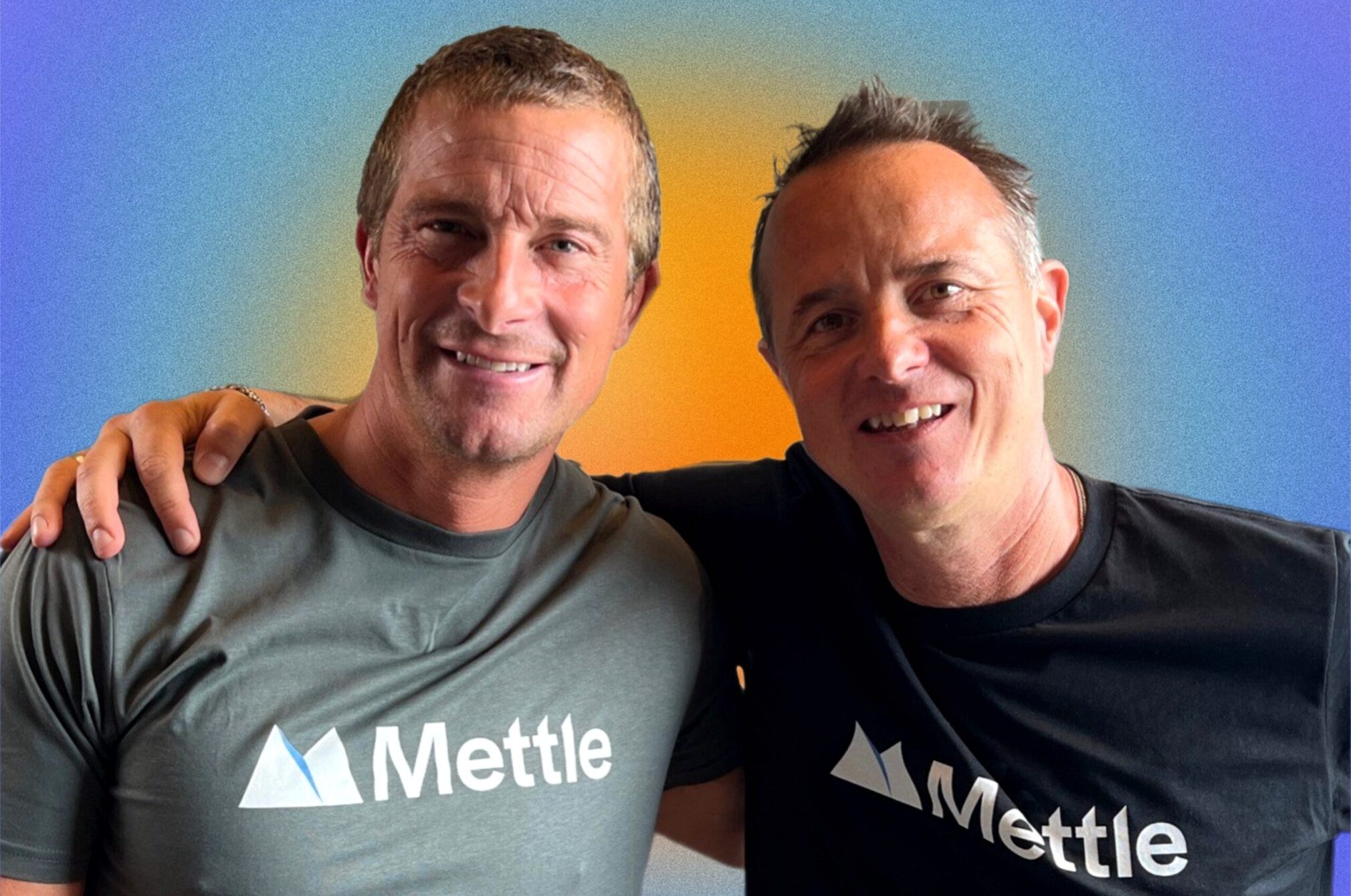
I was at the top of the world. Running one of the top three television production companies in the UK, I had built a personal empire that most people dream about. The Apprentice, Grand Designs, The Undateables — these were some of the shows I worked on and that helped shape British television. I had the salary, the status, the security. I had everything I thought I wanted.
And I was miserable.
I came from a family with severe money insecurity. My father was unemployed for long periods. That experience drove me to build, to accumulate, to protect myself from ever feeling that kind of vulnerability again. So I did what many men do: I built my empire. And I climbed that mountain with everything I had.
But when I reached the summit, I looked around and realized something that changed everything. There was another mountain. And this one wasn’t about security or status. It was about meaning.
I discovered (rather hilariously!) that I was experiencing what is known as ‘second mountain syndrome’. It’s the shift from empire-building to purpose-finding. For years, I’d been creating content that tackled taboo subjects. The Undateables showed people with disabilities falling in love. A project with Ed Stafford took homelessness out of the abstract and put it on prime-time television. These shows changed perceptions because they made important social issues impossible to ignore.
But I realized I’d been dancing around the biggest taboo of all: men’s mental health.

From Personal Journey to Personal Meaning
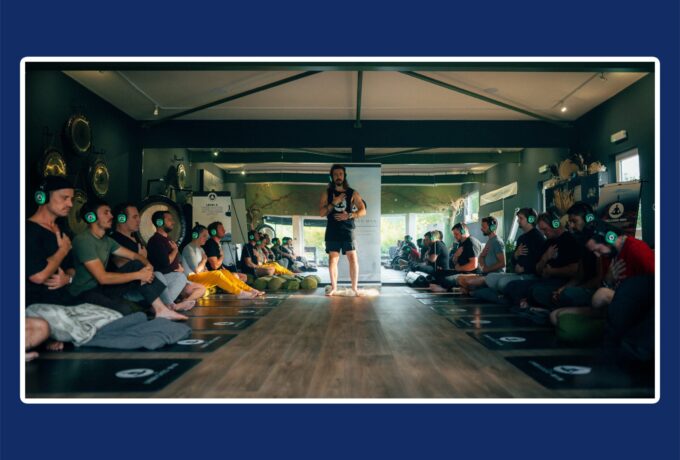
I started meditating at eleven years old due to Benign Intention Tremor — a nervous system disorder that made me shake. Meditation quietened my condition and transformed my life.
Later, I got into breathwork, an incredible way to quickly transform your physiological state. In my twenties, I experienced depression and suffered in silence for nearly a decade, eventually finding relief through clinical hypnosis.
These three things became my lifeline.
But here’s what haunted me: my mates didn’t want to talk about mental health, or the things that might help them. Even when they were clearly struggling, they wouldn’t discuss it. There was a wall of silence, a fear of vulnerability, a worry about stigma. The barrier wasn’t a lack of solutions. It was that men didn’t want to be forced into vulnerable conversations.
So I asked myself a different question: What if we met them where they are?

The Crisis Nobody Talks About
The statistics are devastating. Suicide is the biggest killer of men under 50 in the UK1. Men aged 45 to 64 saw the biggest increase in recent figures. These aren’t abstract numbers, they represent fathers, brothers, friends, colleagues. Real families destroyed.
Yet we don’t talk about it. We don’t build solutions specifically for men, even though men are the ones who need it most.
When I first started thinking about this problem, there was a void. Twenty thousand wellness apps on the market and not a single one built for men. I knew I had to do something.
But I didn’t have a master plan. I left my corporate job and started my own production company focused on meaningful content. Male mental health1 became an obsession.
On a mass scale, we’ve got a mental health crisis in men. And it’s not something we can ignore anymore.
The turning point came during lockdown. I took up tennis and joined a social group of older women who played Monday mornings at 10:30 am — an unlikely time for anyone with a job! One day, another man showed up. He’d just had a tech exit and introduced me to a startup accelerator. My mentor there became my first investor.
Around the same time, my old TV sparring partner, Bear Grylls, came on board. He’d written two books on mental fitness and understood instantly what we were trying to do.
The real magic happened because I wanted a team that genuinely cared. Our team came together because they had lived experience: Paul McKenna, the world’s most successful hypnotist, provides mind-hacking techniques. Chibs Akereke, from Calm, coaches meditation for men without the clichés. Jamie Clements, our breathwork coach, overcame anxiety through the very tools he now teaches. Dr Alex George, our co-founder and UK Government’s Mental Health Ambassador, lost his brother to suicide and dedicated his life to prevention.
Every single person on this team chose to be here because they believe in what we’re doing.
Meeting Men Where They Are
Here’s the fundamental insight that shaped Mettle: men don’t want to talk about mental health. And we’re not going to force them.
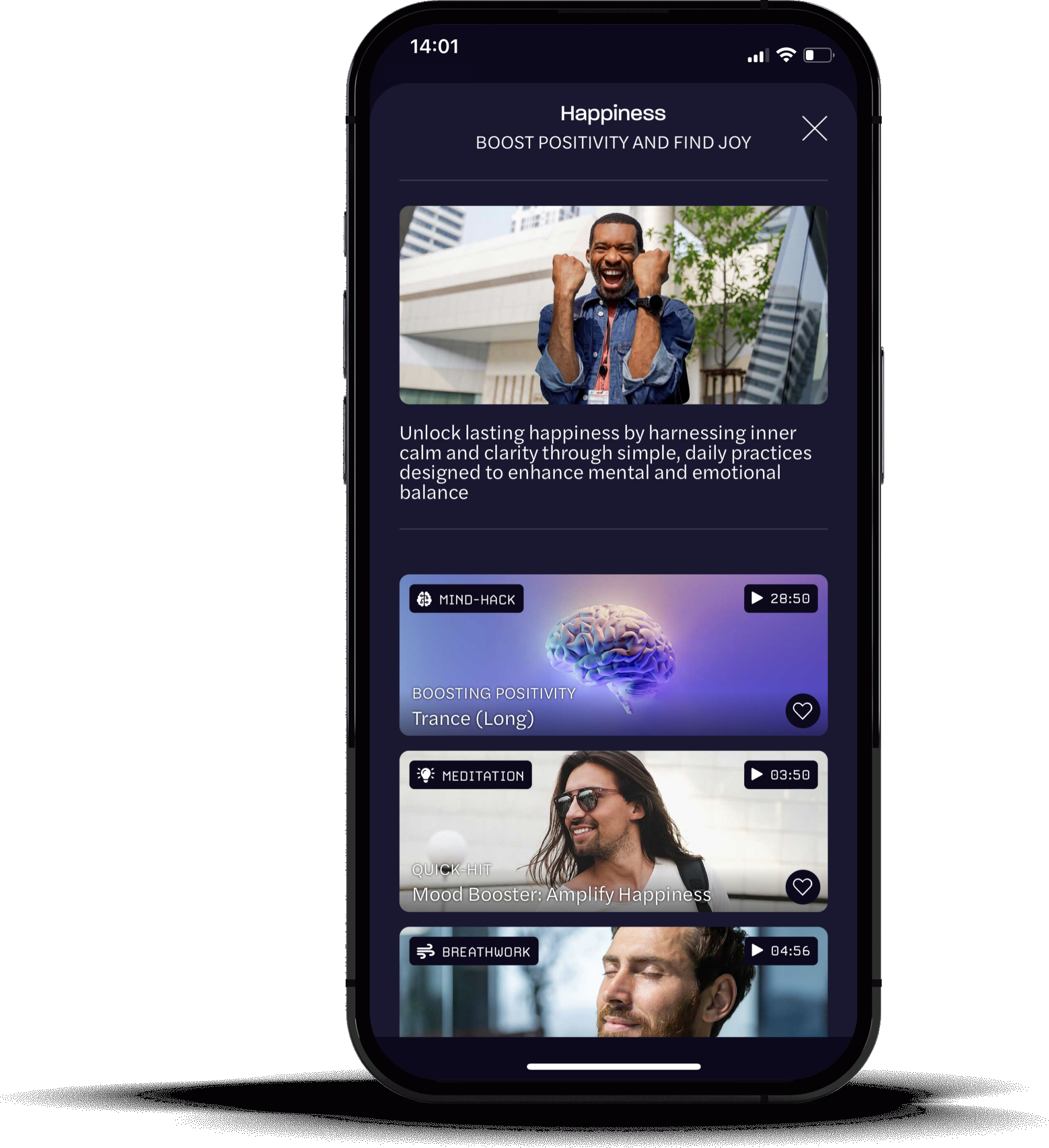
Instead, we give them a toolkit they can use independently, and see results with a few minutes use each day. The app costs about £50 a year, roughly a pound a week. It includes meditation designed for men, breathwork exercises to manage stress, hypnosis and mind-hacking techniques for confidence and anxiety, and a 28-day challenge to get you started.
We charge a fee for the app intentionally. When you pay for something, you invest in it. There’s something powerful about a man saying, “I’m going to invest in my mental fitness.”
The app is the entry point. We also signpost to resources for men who want to go deeper. We meet them where they are and give them permission to move at their own pace.

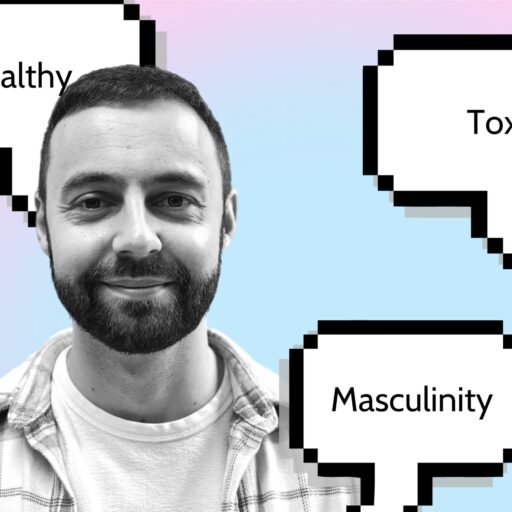
Giving Something Up, To Get A Lot More
I won’t pretend this transition was easy. I went from being ‘wealthy’ and comfortable to being, as I like to say, an impoverished tech entrepreneur. I re-mortgaged my house. I sold assets. My current office is smaller than my former assistant’s office at my last job! I kid you not.
Amusingly, I had put a deposit down on a Porsche 911 — from the year I was born, 1972. It was my gift to myself for all those years of hard work. But when it came time to complete the purchase, I realised I couldn’t do it. That money needed to go into building Mettle.
So my midlife crisis was not buying a Porsche. It was redirecting that money toward something that actually mattered.
Some people think that’s crazy. But I’ve learned something that took me decades to understand: despite my origins, I need purpose, not money, to sustain me.
This is what drives me now. The belief that if we can help men be better — more resilient, more emotionally aware — then everyone in their lives benefits.
We built Mettle for men because men need it most. But the impact ripples outward to everyone.
I think about the men suffering in silence. The high-functioning depression, the anxiety masked by bus-yness, the loneliness that comes from not being able to talk about what’s really going on. I think about the families destroyed by loss that could have been prevented.
And I think about what’s possible if we change the conversation. If we stop treating vulnerability as weakness and start treating it as the strength it actually is. If we give men tools they can use on their own terms.
The Work Ahead
We’re still early. Mettle is growing, but there’s so much more to do. The male mental health crisis isn’t going away. But for the first time, I feel like I’m doing work that actually matters.
I left a career that most people would kill for. I gave up security, status, and comfort. And I would do it again in a heartbeat.
Because I finally understand what I was looking for all those years. I was looking for meaning. I was looking for a way to use everything I’ve learned — about storytelling, about making taboo subjects mainstream — to address a crisis that nobody wants to talk about.
The second mountain is harder to climb. But for me, it’s the mountain that matters.
If you’re a man reading this and you’re struggling – with stress, anxiety, depression, or just the weight of trying to be okay all the time – you’re not alone. There are tools available that don’t require you to be vulnerable in ways you’re not ready for. You can start small. You can move at your own pace.
And if you’re someone who loves a man who’s struggling, if you can, create space for him to be vulnerable. Let him know you’re there.
Because at the end of the day, if men are better, the world is better. And that is of course worth more than everything I gave up.
 Expert Board Member
Addressing men's mental health is a vital public health imperative, not just a personal issue. While mental health challenges affect everyone, cultural pressures often discourage men from expressing vulnerability or seeking help, leading to the use of harmful coping mechanisms and alarmingly high rates of suicide—making it a leading cause of death for men in many countries. Prioritizing men's mental well-being is essential for building stronger families, more resilient communities, and ultimately, saving lives that are silently lost to stigma and untreated pain.