Reading Navigation


This content is grounded in peer-reviewed research, clinical guidelines, and established best practices. Claims are reviewed for accuracy and transparency. Learn more about our evidence standards
Guide to Types or Retreats: Find The Best Fit For You
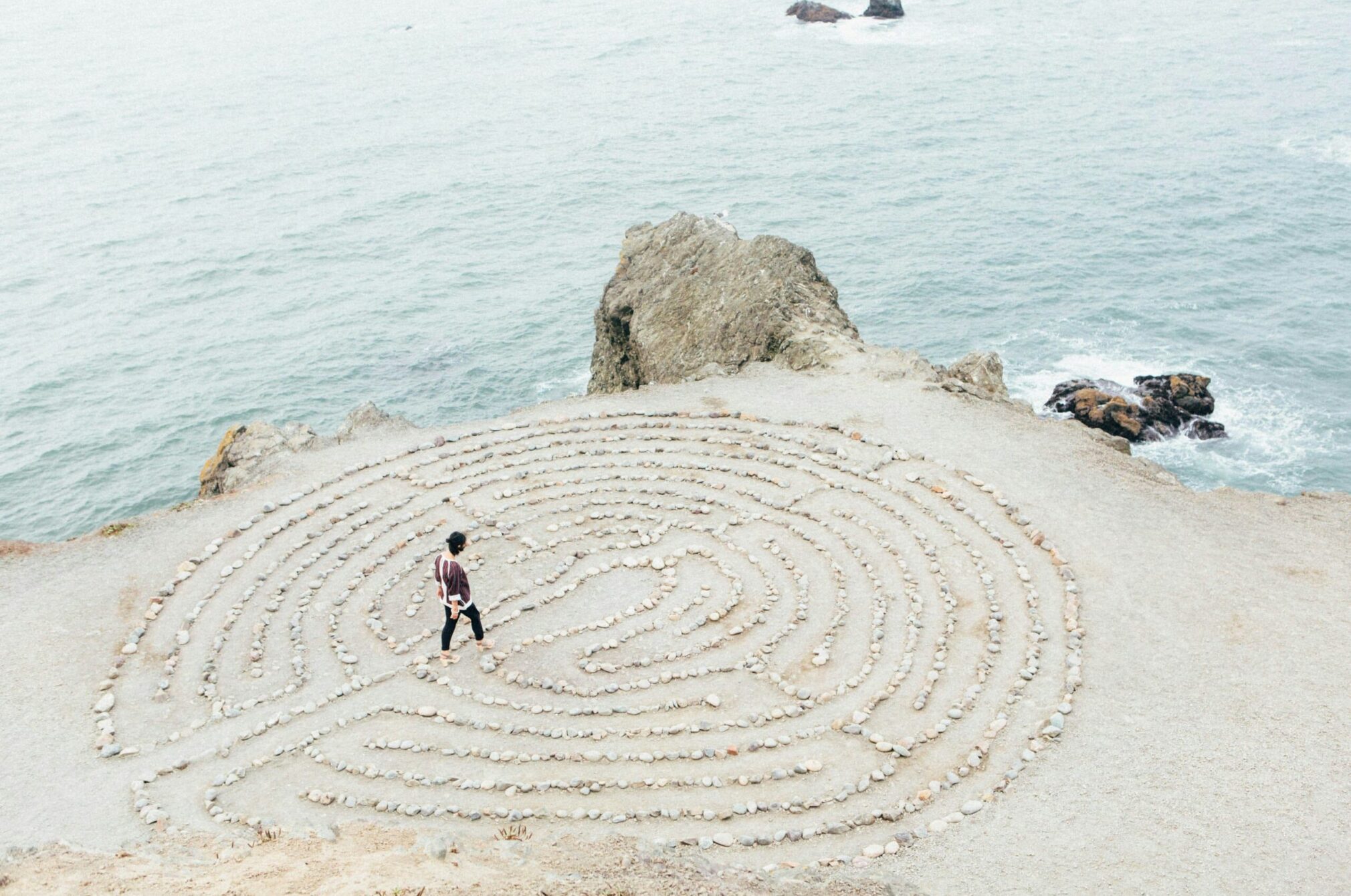
- The diversity of retreat types is almost unlimited: you can find a getaway for relaxation, digital detox, empowerment, creative self-expression, a quick mental reset, reconnecting with nature, and many more.
- Research confirms moderate physical, mental, and social benefits of retreat programs. For instance, guests notice improvements in anxiety, depression, and stress levels.
- The States of Mind team carefully selects retreats and holistic centres for our catalogue. Here you can find verified providers for alternative therapy, psychedelic-assisted therapy, and progressive approaches to mental health.
Sometimes, we all need a good, calming, transformative retreat experience, especially during the holiday season. The modern health & wellness industry offers a huge variety of options: from luxury spa centres and glamping sites under the stars to digital detox programs in “flight mode” and mental health retreats to restore your inner balance. Whatever the format, the goal remains the same: escape your routines for a day and create space for something new.
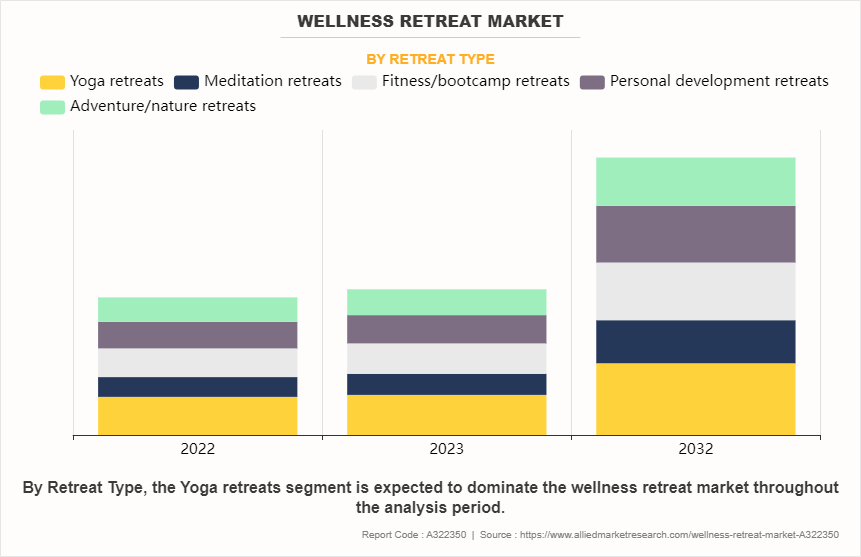
Today, retreats are booming thanks to the growing self-care culture and post-pandemic demand for progressive well-being. That’s why it’s no surprise that this market is expected to reach $363.9 billion by 2032. People worldwide are looking for experiential, accessible tools to learn, improve their mental health, reset their lifestyle, and boost overall wellness in just a couple of days.
And retreats, with their growing diversity of formats, became the perfect answer. However, it’s worth noting that they differ from traditional vacations in fancy resorts. Retreats provide not just rest and morning yoga but also guided practices, workshops, community circles, and other designed activities to help you grow.
The health impact of residential retreats has been studied scientifically, though the methods were quite subjective (mostly self-reported questionnaires on psychological and spiritual measures). A systematic review of studies shows1 that retreat experiences appear to have health benefits for people with chronic diseases, such as multiple sclerosis, various cancers, HIV/AIDS, heart conditions, and mental health issues.
However, the usefulness of retreats isn’t limited to this alone. In this article, we’ll guide you through all major types of transformative experiences, their physical and mental benefits, and typical activities — all to help you choose the retreat that truly matches your goals and needs. Bonus: below you’ll find a list of alternative and holistic providers cherry-picked by States of Mind experts.

What is a retreat?
The definition of a retreat sounds promising: it is a specialised program designed to address personal (mental) health, wellness, spiritual, or community goals. Retreats offer intentional time away from daily responsibilities, finely tuned activity plans, and a safe space for healing, growth, and self-exploration.
Put simply, it’s a space where you can re-treat yourself and withdraw from your “usual self” for a while to discover new meanings of life. Collins Dictionary, for instance, defines “retreat” in an even more practical, tangible sense: as “a quiet, isolated place that you go to in order to rest or to do things in private.”
What makes retreats special, and what sets them apart from vacations, staycations, and other types of tourism? Core experiential components include:
- Programs with guided (or semi-guided) activities: meditation, hiking, creative workshops, therapy groups, workouts led by practitioners or facilitators
- Intentional focus: experiences built around specific themes or goals, e.g., sports, gastronomy, faith, digital detox, etc.
- Distancing from everyday routines: to shift your focus from work, business, or family to personal needs
- Group support (or individual format with expert guidance): meet your kindred spirits and feel free to share progress with like-minded people
- Safe environment: usually quite, nature-based location that encourages a gentle attitude toward yourself and others, without competition or showing off
- Mind & body transformation: programs basically combine physical, emotional, mental, and social practices
- Inner work: retreats emphasise self-reflection and self-care rather than sightseeing
In some cases, care plans can be tailored to each participant’s needs within group activities. This is especially common in mental health, weight loss, and psychedelic-assisted retreats where outcomes directly depend on each visitor’s baseline metrics and overall health.
The pace of modern life is driving demand for more unconventional types of retreats. In addition to weeklong or weekend programs, micro-retreats (up to 24 hours) also pop up. Another trend is solo retreats, sometimes combined with silent practices, in response to overwhelming media noise and social media exhaustion. Finally, corporate retreats are increasingly attracting attention for the perfect mix of productivity and relaxation: stretching classes and massages with team-building and strategy sessions in between. So, there’s a retreat to suit every taste — but how do you know it’s time to book one?
Retreats’ promise and potential benefits
Most retreats are marketed as unique, immersive, transformative experiences, and it immediately becomes intriguing to compare how guests feel before and after the program. Researchers at the NICM Health Research Institute in Sydney2 did exactly the same: they asked wellness retreat guests about their experiences, backgrounds, and motivations.
The study shows that the most important factors for attendance were:
- Relaxation and holiday
- General health improvement
- Learning new coping mechanisms
- Stress reduction
- Mental health enhancement
41% of participants had one or more health conditions (back pain, arthritis, fatigue, overweight, and others), and most visitors noticed improvements in their health after the retreat. Moreover, the majority reported feeling happier.
In general, retreats are all about taking time to work on yourself and dedicating some time to the things you never seemed to have time for before. This “me-time” may be beneficial on different levels:
Physical
Self-care programs offer rest (of course!), rejuvenation, regular physical activity, and healthy sleep. Not so sure about getting a few years younger overnight, but as previously said, the majority of retreat visitors report “feeling better” in terms of their health conditions.
Another Australian study suggests3 that, after 1 week at a wellness retreat, guests show significant reductions in abdominal girth (-2,7cm), weight (-1,6kg), average systolic and diastolic pressure, and other anthropometric measures.
Mental
Retreats are designed to reduce stress, bring focus and creativity, foster mindset shifts, and teach new coping strategies. A large-scale meta-analysis on traditional retreats confirms this: 21 studies with 2900+ participants show noticeable improvements in anxiety, depression, and stress levels, as well as moderate effects on emotional regulation and quality of life. Guided activities themselves can serve as examples of healthy ways to cope with life challenges.
Emotional
This often goes hand in hand with mental health benefits. Spending your week with like-minded people, amid picturesque landscapes, enjoying balanced meals, and learning new skills every day has a grounding effect. Emotional balance and clarity replace mood swings.
Social & Relational
Beyond corporate team-building and couple-oriented retreats, many programs involve community connection and creation of shared experiences. Group activities, whether it’s hiking or cooking, are an excellent opportunity to make new friends around mutual interests.
A 2021 study on psychedelic retreats4 found that shared rituals (and not only ayahuasca ceremonies) reinforce social connectedness and create a sense of “communitas, or unity.
Transformational
Taken together, all these changes in the body and mind can turn you into a completely different person — calm, attentive, self-compassionate. And that’s magical. Simply by changing context and perspective, even a few-day retreat can ignite new ideas, change your lifestyle, and lead to personal breakthroughs.
Integration is key
Retreats are catalysts for transformation. They provide a structured environment that helps establish new healthy habits, not just with physical activity, sleep, or diet, but also in terms of mindfulness, emotional regulation, self-care, and healthy lifestyle patterns. With proper integration, these practices can extend far beyond the retreat space and promote lasting change. Some programs, particularly in psychedelic-assisted therapy retreats, offer 3-week aftercare and follow-up integration sessions with therapists — to anchor the transformation.
Science confirms that the skills acquired during retreat experiences continue to benefit guests long after the program ends. Among long-term well-being benefits, researchers name5 enhanced cognitive function, sustained improvements in emotional regulation and attention, emotional resilience, and reduced fatigue for up to 10 weeks post retreat. It may seem that integrative approaches always involve therapy sessions or support groups, but in reality, upgraded self-awareness and self-compassion can be enough to support sustainable personal growth.


Kaleidoscope of retreats: 6 main types
When we think about retreats, we probably picture a woman at a spa, a group practising yoga with an ocean view, or perhaps Vipassana6 — a widely known silent retreat method rooted in India, centred on meditation and solo spiritual practices. In reality, the variety of retreat options is much wider: from fitness camps and foodie communities to men’s huts and couples therapy fully immersed in nature. Moreover, retreats usually mix best practices from the most sought-after programs (like yoga + digital detox + silent meditation), so there’s no need to choose between certain practices. Let’s take a look at the full spectrum!
1. Wellness Retreats
If you’re looking for the most “classical” retreats, consider wellness-oriented programs. They typically focus on particular aspects of wellness, such as detox, fitness level-ups, weight loss, mindfulness, or overall relaxation.
Yoga retreats combine guided yoga sessions (e.g., vinyasa, hatha, yin, ashtanga, and other styles) with meditation or free relaxation time. Some programs also include personal growth workshops, breathwork to warm up before practising yoga, and stretching classes to cool down afterwards.
This type of retreat is the best choice for stress relief, moderate physical activity to maintain general health, and gentle grounding. It’s also beneficial for people who would like to immerse themselves in the philosophy of yoga and explore the cultural and historical background of this centuries-old oriental tradition.
Compared with yoga, fitness retreats are more physically intense. They are designed to help you achieve your sports goals through an active exercise plan, nutrition counselling, and wellness coaching. Here, you can work together with experienced trainers, receive personalised instruction, and blend different workouts such as HIIT, endurance, strength, and group classes.
These retreats are a great fit for active individuals seeking a reset or external motivation for their physical transformation. A separate category of fitness-oriented programs includes weight-loss retreats, which aim at creating healthy habits around daily exercise and diet.
If this sounds a bit challenging, try more cleansing-focused detox retreats. These programs are intended to improve metabolism and support nutritional resets. For instance, daily activities include juicing, fasting, workshops on balanced meal planning, supported by functional medicine practices (finding the root causes of chronic illnesses).
This may help you resolve gut health issues, overcome fatigue, and reset your lifestyle for better performance. What makes detox retreats special is an accelerated physiological recovery.
Last but not least, spa & relaxation retreats provide pure revival and regeneration. Unlike other wellness programs that require personal effort, at a spa you can let yourself be effortless. Each spa retreat is usually tied to local traditions and climate, depending on the region, from Thai massage in Koh Samui to hot spring bathing in the Alps.
Besides relaxation, spa retreats are believed to improve blood circulation, help flush toxins from the body, reduce stress and anxiety, and strengthen the immune system.
Find Retreat Centres and Medical Providers That Match Your Needs

 Munich, Germany
5SWAN is a telemedicine platform for personalized medical cannabis therapy through secure video consultations and continuous care.

2. Spiritual Retreats
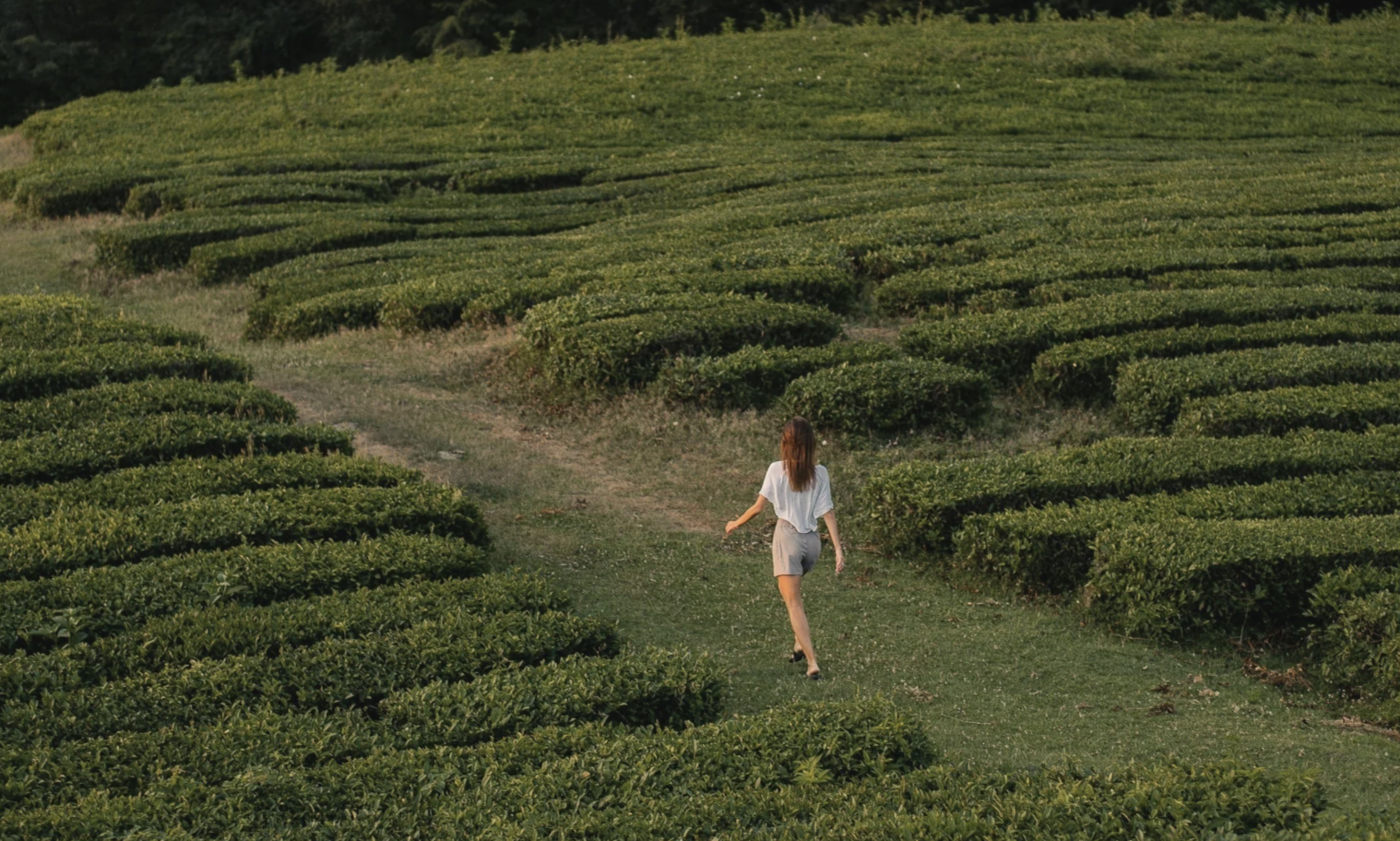
The main purpose of spiritual retreats, as the name suggests, is to deepen spirituality and reassess values. The most internationally popular programs are silent retreats, typically combined with yoga sessions and meditation. They usually last 1 or 2 weeks, and during that time, participants get comfortable being alone with their own thoughts.
Silence is the cornerstone of such practices: guests temporarily, but entirely, abstain from conversations, chats, social media, reading, watching videos, and other distractions. A daily schedule usually consists of multiple meditation sessions, meals, and free time. In silence, guests learn to stay present and find inner peace — the result is profound, long-lasting mental clarity.
Similar but not identical experiences offer meditation retreats. Here you can freely communicate with the group in your free time, but during the meditations, everyone remains silent to turn off the noise of life and quiet the mind.
Different types of meditation retreats include breathing and grounding workshops that blend mindfulness practices like self-observation from Vipassana and intuition-building from Zen traditions. Meditation camps work best for people seeking inner calm, focus, and reduced everyday anxiety.
Faith-based retreats also provide calm and clarity, however, through prayer and moral reflection. These programs are dedicated to particular religious teachings and draw on Buddhist, Christian, or Jewish traditions. If you’re interested in the philosophy of religions or seek spiritual grounding, this type of retreat can be a good choice.
3. Nature & Adventure Retreats
Need some fresh air? Hungry for adventure? Looking to find peace in the heart of nature? Nature-based retreats leverage the benefits of spending your time outdoors and provide all the tools you need to reconnect with flora and fauna. Depending on your goals and endurance level, you can choose between more extreme and more contemplative formats.
Let’s start with wilderness retreats — camps for those who need some digital detox. These retreats are often completely device-free, but in exchange for an internet connection, they offer a reconnection with yourself.
Daily activities here are hiking and forest bathing (also known as “shinrin-yoku”, a Japanese immersive relaxation in the forest atmosphere). Whether you’re taking a long hike through the pine forest or just enjoying the sunlight through green leaves, wilderness retreats are great for stress reduction and gentle grounding.
If you’re looking for a more active kind of getaway, think about adventure & sports retreats. They are all about fun and trying new things: surfing, canoeing, rock climbing, skiing, snowboarding, diving, rafting, and other action-packed “-ings”. Here you can spend your days breathing in fresh air, capturing the natural beauty of the landscapes, swimming or climbing mountains with other adventurers. Adventure retreats are ideal for thrill-seekers and fitness enthusiasts in pursuit of new experiences.
Another type of outdoor reset is a nature immersion retreat. Its unique benefit lies in following slow-paced natural rhythms: research shows that nature connection is vital7 for mental, physical, and emotional well-being. Nature exposure is connected with decreased risk8 of cardiovascular disease, improved cognitive function, enhanced mental clarity, and reduced symptoms of anxiety and depression.
At nature retreats, the environment’s healing power is amplified by guided eco-therapy, grounding techniques, and sensory practices.
4. Relationship & Community Retreats
Unlike retreats focused on individual transformation, this type is all about interpersonal communication. Programs often include therapy sessions and community circles for sharing thoughts and insights.
The purpose of couples retreats is to foster a deeper connection between the partners. Couples participate in communication training, bonding practices, and couples therapy sessions that help rebuild emotional connection and work through lingering conflicts. In other words, couples retreats can strengthen your relationship.
For building relationships on a larger scale, within a group, community retreats are a good fit. They are intended to create local support networks of people with shared interests and values. This “centre of gravity” can gently form around common hobbies, professional paths, or personal aspirations. Whatever the reason is, different types of group retreats bring a sense of belonging and recognition.
Gender-specific retreats are also an emerging trend. People seek a safe space for identity exploration amid constantly changing concepts of masculinity and femininity. That’s why types of retreats for men and women are on the rise, offering mutual understanding and even some kind of empowerment. Find out what really happens at a men’s retreat, beyond breathwork and ice baths, in our recent interview with Alexander Cottle, founder of The Unmasked Men.
5. Psychedelic-assisted retreats
If you’re interested in progressive mental health, this type is for you. Psychedelic-assisted therapy (PAT) is an innovative treatment for particular mental states, such as clinically diagnosed depression, anxiety, and PTSD. During PAT sessions, psychedelic substances — in most cases, ayahuasca, psilocybin, ibogaine, or ketamine — are carefully administered in low medical doses under the supervision of healthcare specialists. Although the research data on the potential benefits of psychedelics grows each year, this type of alternative healing is not a substitute for medical treatment and evidence-based therapies.
The PAT session is usually preceded by a preparatory interview and thorough medical screening. Typically, the initial steps take around 2-3 weeks before the retreat begins.
Aftercare is also essential: the treatment is followed by several integration sessions with a therapist. At States of Mind, we carefully select every retreat and holistic centre featured in our catalogue. Start your journey by exploring the diversity of verified retreat providers in Europe and beyond.
Explore The Variety of Retreat Experiences

 Netherlands
 For people with little time who want a private all-round solution to return to aliveness.
 Portugal
 My business is building the next-generation healing ecosystem — powered by the BioPsyche Renewal Protocol — combining neuroscience, psychology, biohacking and spiritual intelligence to redefine how people heal and evolve.
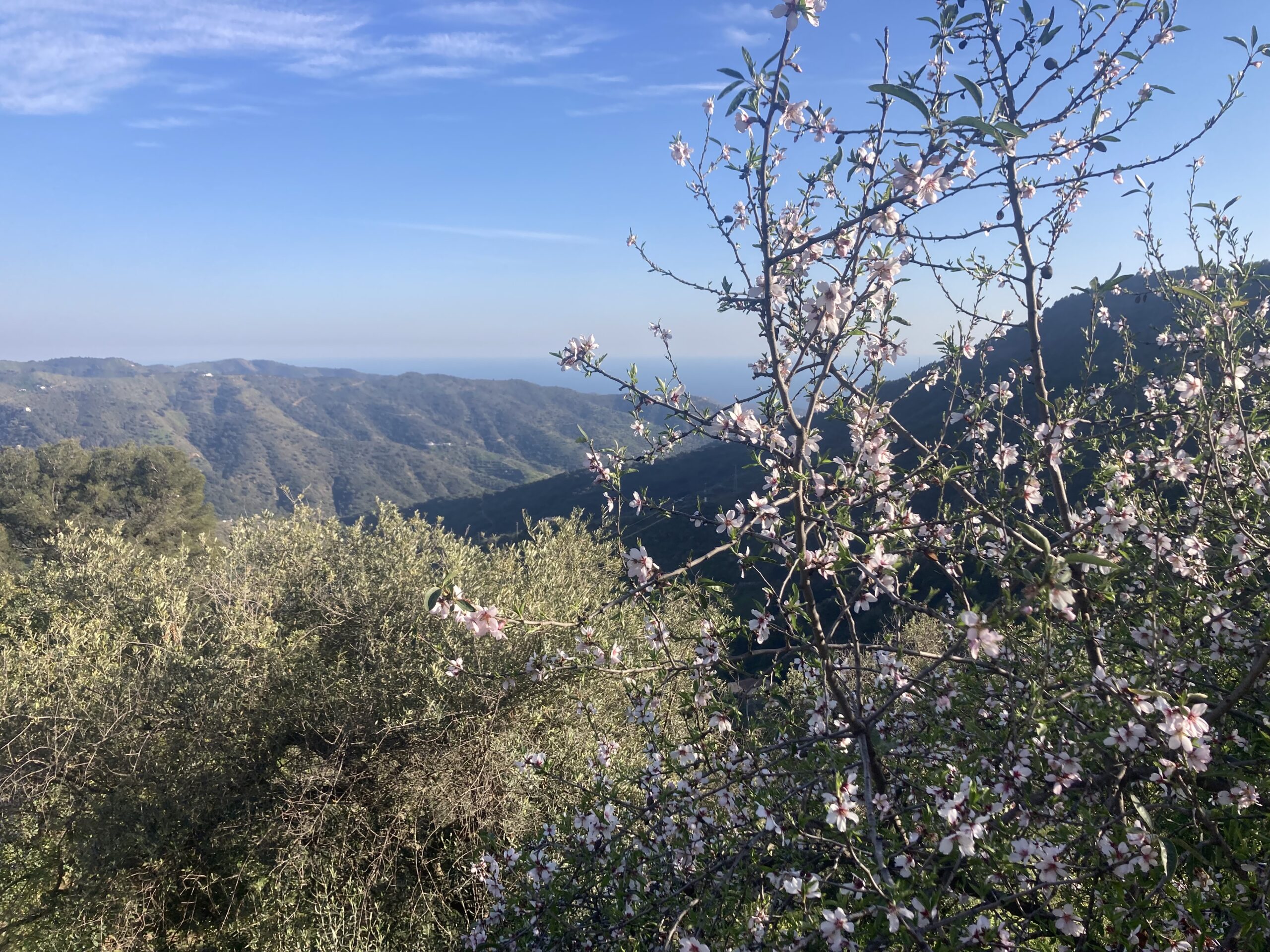
 Spain
Spain Nature stays that ignite change within the self, the communities, and on Earth, with the guidance of psilocybin mushrooms.

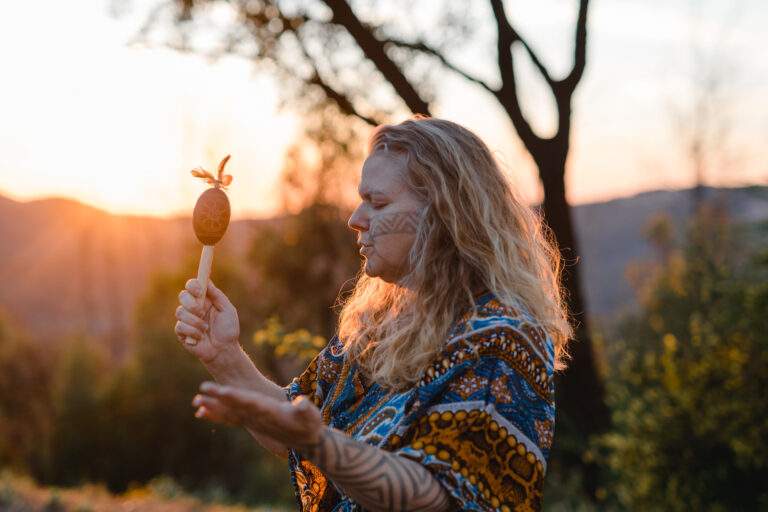
 Netherlands
 Institute providing legal psychedelic retreats, therapy and training programmes.
6. Specialty Retreats
Within the vast range of retreats, you can also find more practical, specified, niche options. At the same time, this closeness makes them feel more familiar and comfortable.
- Culinary & foodie retreats offering cooking classes, cuisines from renowned chefs, experimental recipes, farm-to-table experiences, and unique local tastes.
- Cultural retreats provide genuine immersion in the region’s traditions, language, cuisine, art, and history.
- Animal-focused retreats, such as visiting animal sanctuaries and farms or practising horse riding, give a fresh perspective and naturally soothe the body and mind.
- Postnatal & motherhood retreats help new mothers, their babies and partners navigate significant life changes through educational, spa, and medical services.
- Mental health retreats are designed to teach new, healthier ways to cope with stress, anxiety, burnout or past trauma. They pay attention to evidence-based therapies, use somatic approaches, and organise trauma-informed therapeutic workshops. However, almost all retreats more or less contribute to better mental health.
Emerging retreat types
The variety of retreat types is growing as fast as new needs emerge. So if programs listed above still do not fit your goals and interests, discover these trending options:
Longevity retreats
Living longer, healthier, and happier is an incredibly appealing promise. Thanks to Bryan Johnson, American entrepreneur and “the world’s most measured human, biohacking has become a trend to watch for the coming decade. There are already dozens of retreats focused on extending healthy lifespan through a combination of modern science and alternative healing — and many more are set to follow in the coming years.
Digital detox retreats
When media overload becomes too intense, it’s time to turn on your “Airplane Mode”. Unlike physical detoxing, which supports the body’s natural ability to clear out toxins, digital detox reduces screen time and doomscrolling.
Turn off all the devices, put them into a locker for the whole weekend, take relaxing walks, and get in touch with your natural self. The benefits of digital detox are backed by science: for example, a short break from being always online can prevent the development of depressive symptoms9. These retreats are also suitable for families if your kids spend too much time on their smartphones.
Arts retreats
Explore your creative potential in writing, painting, music, dancing, and crafts in collaboration with other artists. Creative retreats are like short-term art residences but with a stronger focus on art as therapy and a tool for self-expression.
Vegan wellness retreats
These programs are known for balanced vegan meals, immersion in core vegan principles, yoga, and meditation activities to stay present. Vegan retreats blend nutrition management with mindfulness; on top of that, they’re an excellent place to celebrate a veganniversary!
Breathwork retreats
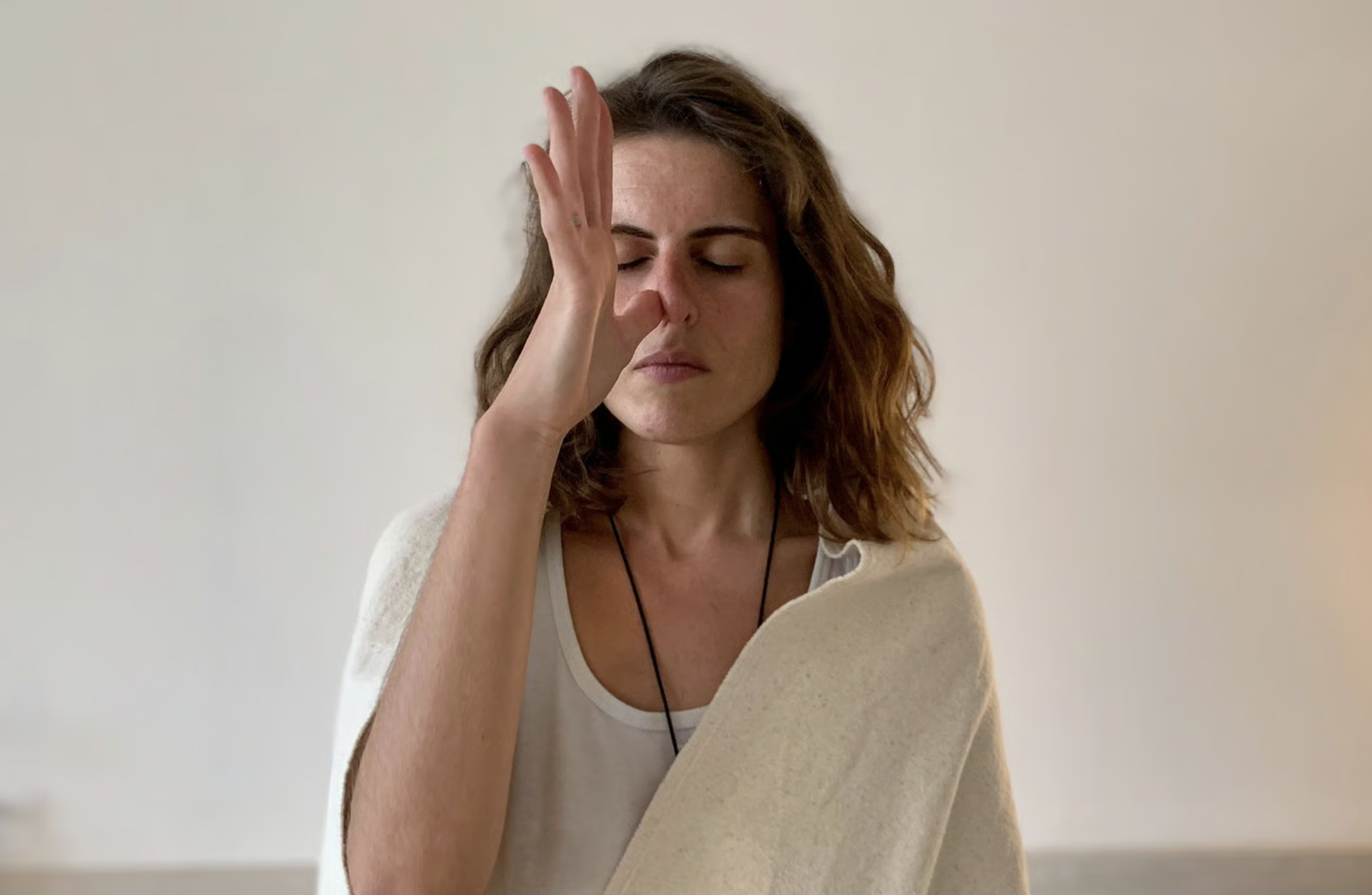
In general, most types of wellness retreats include breathing practices in their plans — often alongside meditation, workouts, or therapy sessions. Nevertheless, there are plenty of specialised programs with conscious breathing in focus. Inhale for 4, hold for 2, exhale slowly, and… use the energy of breath to feel yourself fully alive.

How to choose the right retreat for you
The wider the choice, the harder it is to decide! Here is the simple checklist with guiding questions that helps you find the perfect fit:
1. Specify your goals.
What am I looking for at this point in my life: healing, support, adventure, relaxation? What lights me up? What drives my curiosity? Am I ready for a complete transformation, or will some moments of calm be enough?
2. Describe desired outcomes.
How can I measure my goals? Which skills or habits do I want to develop? What words would I like to use to describe myself after the retreat? What personal challenges do I want to overcome? Do I want to take this journey alone or in a group?
3. Set realistic expectations.
How much time would I feel comfortable spending away from home? Do I need a guide, or should I lead myself? What level of intensity and immersion am I ready for? Do I prefer structured or flexible programs?
4. Define your practical priorities.
What locations and cities am I open to travelling to? How many days can I stay? What will be the group size? What budget limitations do I have? Does the venue meet my accessibility needs?
5. Make some preparations.
What items would I like to take on this trip? Do I need to book additional services in advance? Do I want to invite someone to travel with me?
If it’s your first retreat experience, short-term flexible programs will be a good starting point, a demo version of personal transformation. Before booking, it’s also essential to read other visitors’ reviews and check the provider’s credentials to ensure expectations align with reality.
Adventure or spa, meditation or biohacking, hiking camp under the stars, or residential ketamine therapy retreat — whatever you choose, every retreat comes with a transformation. It’s a unique opportunity to spend time with yourself, reflect, observe, listen, feel, and notice the change.
Your journey doesn’t begin when you step through the retreat’s doors; it starts even earlier, the moment you define your true intentions and needs. Don’t be scared if these desires feel surprising or unexpected at first glance: with the growing variety of formats, activities, themes, and purposes, there’s a retreat for every need.
 Expert Board Member
A retreat is a fantastic way to prioritize your mental, emotional, and spiritual health. They provide the necessary opportunity for intensive healing work, proving that with the right set and setting, transformative results are possible. Don’t underestimate how much you can accomplish when your entire focus is on you and your process.








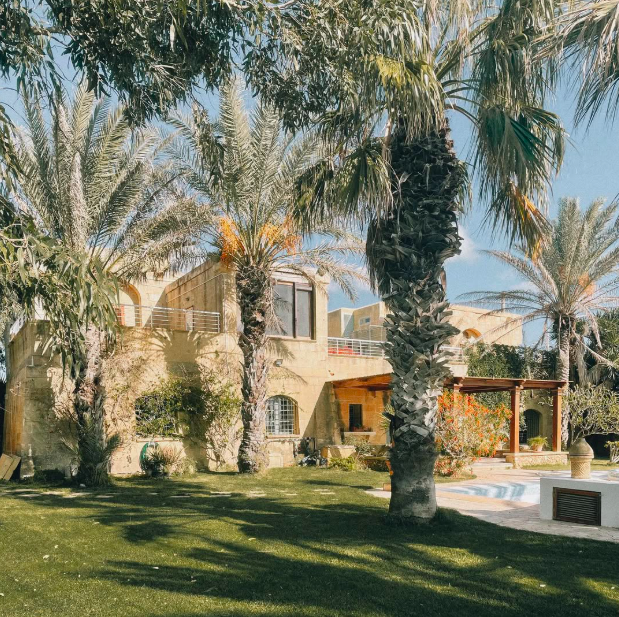
 Gozo, Malta