Reading Navigation


This content is grounded in peer-reviewed research, clinical guidelines, and established best practices. Claims are reviewed for accuracy and transparency. Learn more about our evidence standards
What is a “Depression Room”? Meaning, Causes and Solutions
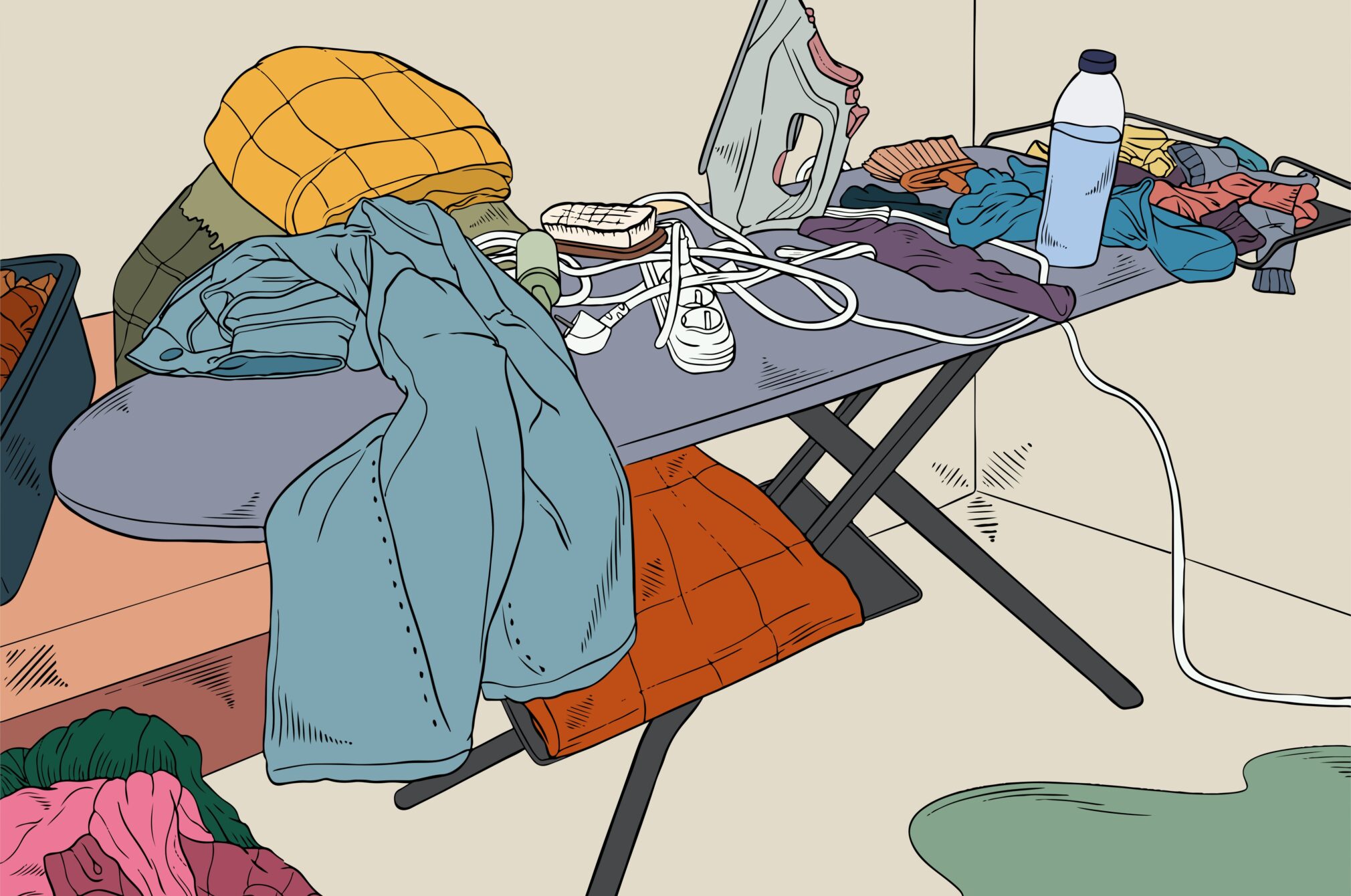
“Depression room” — if you know, you know. And if you don’t, you’ve probably seen it on YouTube or TikTok. It might be a bedroom, a closet, or an office: a space in your home where the mess just keeps piling up. You want to clean it, but your brain struggles to generate the momentum to start. Avoidance becomes a short-term coping strategy to reduce distress, even as the mess grows. And with it, so does the weight you feel each time you’re reminded it’s still there.
Your mental state may affect your self-care, and low self-care, in turn, can lead to more stress and trigger a depressive episode, and that can trigger more mess. Before you know it, you’re in a seemingly endless cycle. But don’t fret – there is hope and support out there to help you through this and even get rid of depression rooms for good. But before we get into that, let’s figure out what a “depression room” is and how they develop.

What is a Depression Room?
A depression room is much different than some clutter you might ignore for a week because you’re too busy to take care of it right away. It’s important to understand the difference between an ordinary mess and a depression room mess.
Now, we all have a bit of clutter that piles up over a few days. We get busy and dishes pile up, laundry starts overflowing the basket, days of mail clutter up the kitchen table. Those are examples of ordinary messes. Normally, if someone has some clutter built up over a busy week, they’ll clear it up when they have a calm moment.
A depression room mess is different. It happens over a longer period. You likely want to clean the mess, but a lack of motivation and fatigue make it feel impossible. In fact, higher levels of depression and severe hoarding behaviors are common. A depression room isn’t a sign of laziness, but the result of an overwhelmed nervous system.
Why do Depression Rooms Develop?
Research shows that mental health, mood and our environment are intricately linked. Symptoms of depression can create a perfect storm depression room to set hold in your home. When you’re in a depressive episode, you can experience apathy, coupled with feelings of sadness and hopelessness. It’s reasonable then to see how cleaning and organizing gets put on the back burner while in the midst of the depressive episode. You may even avoid tasks that you normally love doing.
Common symptoms that can lead to a depression room include:
- Tiredness
- Feeling numb and hopeless
- Lack of motivation and inability to clean
- Brain fog
- Executive dysfunction1 (like decision-making and self-regulation)
Depression can affect your everyday life, including self-care tasks2 like showering. You might stop doing things you normally enjoy like your typical hobbies or social activities. You might eat less or more than usual. Depression can make life in general feel overwhelming. And on top of that, you’re supposed to tackle a huge mess? Not likely, and that’s valid.
Switch From Messy Thoughts to Mental Clarity

 Birmingham, United Kingdom
 A medical cannabis clinic combining technology and tailored medical care, providing affordable access to innovative treatments
 London , United Kingdom
 Cantourage Clinic offers integrated medical cannabis care with an emphasis on personalised treatment plans and compassionate support for patients
The Connection Between Depression Room and Mental Health
Self-care and mental health exist in a two-way relationship, where neglecting one can quickly intensify the other3, creating a vicious cycle that’s hard to exit. One studyfound4 that people living in chaotic environments had higher levels of a stress-related enzyme, meaning a depression room can literally have a negative effect on your mental health.
This negative feedback loop of mess and distress can intensify over time. Clutter in your house can make you feel unsatisfied with your house and affect your sense of home, reducing your overall well-being. Moreover, you may feel ashamed, have a low mood, feel anxious, withdraw socially, feel helpless, which are also symptoms of depression5. You might find some relief temporarily by avoiding certain spaces or rooms, but that doesn’t break the cycle.
Recognizing When it’s More Than Just a Mess
There are several ways to recognize when your mess might be more of a depression mess. Let’s look at the signs and what that might look like.
- You might feel uncomfortable with the mess, but it’s impossible to clean. You just can’t get yourself to start to take on the clutter, even if you really want to.
- You lose items you need regularly, like your keys, wallet, purse, phone, and medications. This results in tangible daily inconveniences like being late for work or having to order new bank cards.
- You avoid your depression room. For example, if the mess is in your bedroom, maybe you sleep in your living room to escape dealing with it.
- Seeing or being reminded of that mess triggers some strong feelings like emotional overwhelm, hopelessness, shame, or anxiety.
- You’re seeing a decrease in other self-care activities. Your personal hygiene, eating habits, and social contact are also taking a hit.
- Thinking about cleaning or organizing causes anxiety, panic, paralysis, or an emotional shutdown.
Finally, it’s more than just a mess when it’s a safety hazard. Rooms can become inaccessible with piles of items that could fall on you. Spoiled food items can cause an infestation of bugs or rodents. Poor personal hygiene6 can lead to skin infections, tooth decay and discomfort. These are signs a mess or clutter has crossed the line into extreme depression room status.


How to Gently Reclaim Your Space
Congrats on reading this far, because you’ve made it through the difficult parts. There’s good news here. You can reclaim your space free from shame and judgement. Before you get started, you just need three bags. One for trash, one for donations, and one for items you want to keep.
Start small (like, really small)
Start with one teeny tiny task – as small as you’d like. Maybe just move a few items. Clear away any items within arm’s reach. Just put them in a bag. Clear off the top of a dresser or counter. Pick something and set a timer for five minutes to help make this feel more manageable. You got this.
Break up the space into zones
Focus on one zone. Maybe it’s the top of the bed where you can clear off the clutter and change the sheets if you feel motivated to do so. Next, try a small section of a floor pathway. Clear a route to another room, but go slowly. If you’re feeling overwhelmed, try clearing a section of the floor instead of the whole path at once.
Hacks that support executive dysfunction
Try putting on some motivating music or your favorite playlist to help you get through these tasks. Or maybe you’d rather listen to soothing sounds for a nice, calming atmosphere. You can also create solid goals so you don’t get lost in the mess. Maybe grab a trash bag (it can be small!) and make a goal to fill it before you stop.
Ask for support
There’s nothing wrong with asking for help and support — which plays a massive role7 in our wellbeing. In fact, it’s healthy to do so. Maybe a friend can help you clean or show up just to be supportive while you clean. Maybe you can have them on a video or phone call while you clean. And if you have the means, and cleaning feels too overwhelming, by all means, hire a professional cleaner. They can provide you with a baseline clean that can be easier for you to keep that way in the long run.
Celebrate small wins and be kind to yourself
Any progress, no matter how small, is everything. Celebrate that! You took one dish to the sink? Score! You filled up a tiny trash bag? Yay! Progress is progress, and you need to be nice to yourself. Avoid comparing yourself to others or minimizing your accomplishments. Your goal isn’t perfection; it’s progress. Your only benchmark is yesterday’s depression room. Even if you do return to a depression room, know that it’s not a failure. It’s simply time to pause, reflect, and reset.
When (and How) to Seek Additional Support
If you have a depression room, there’s a possibility that you have depression, too. Other symptoms of depression to look out for are loss of interest and pleasure8, low mood, fatigue and a sense of hopelessness. If that’s your case, reach out to your primary health professional for a referral to a therapist, counsellor, or psychiatrist. They can make the accurate diagnosis and recommend the right treatment in your situation.
That’s nothing to be ashamed of, as depression is a common health condition9. There are a variety of methods to help lessen your symptoms and provide you with the support you deserve. Reaching out for help is progress, and you should celebrate that win, too.
Reclaim Your Space With Compassion
A depression room is a sign of an emotional struggle, not a personal failure. Take small compassionate steps10 to help you see that progress, no matter how slow. Treat yourself with kindness and be gentle along the way. Treat yourself as you would a close friend you care deeply about. And if you need help along the way, reach out to a friend or health professional.
 Expert Board Member
The impact of our home environment is often overlooked as a core factor in depression, but research highlights how mental health and living spaces interact in a reinforcing cycle. While discussion of "depression rooms" is becoming more widespread, examining the root causes can help people develop executive-function-friendly strategies for reclaiming these spaces.








 Portugal

 Vilnius, Lithuania