Reading Navigation

This content is grounded in peer-reviewed research, clinical guidelines, and established best practices. Claims are reviewed for accuracy and transparency. Learn more about our evidence standards
When To See A Psychiatrist
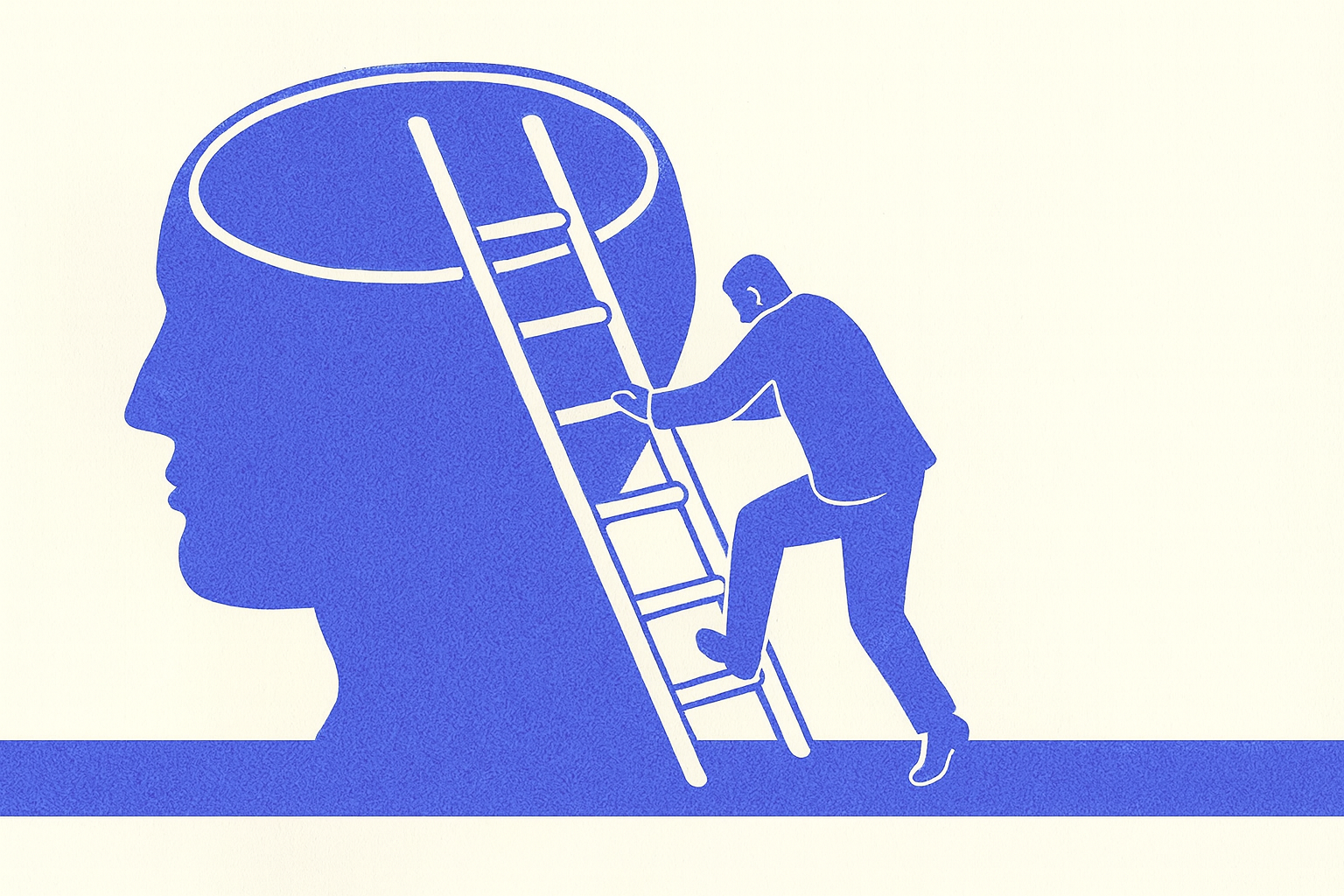
Talking about mental health (MH) and treating mental illnesses may have been normalised to a certain degree, but actually seeking medical support can still feel quite daunting. Moreover, seeing a psychiatrist can be viewed as a sign of weakness or a source of shame for some. Whereas others may worry about being given medication, or simply believe their symptoms aren’t “serious” enough for help.
As a result, we have a situation with a collective appreciation for the benefits of mental health care, but trepidation and stigma attached to actually seeking support from qualified professionals. It’s also not uncommon for someone to be okay with getting therapy but refuse to see a psychiatrist as well.
Therefore, in the hope to reduce some of the negative feelings associated with psychiatry, we interviewed three psychiatrists and two psychologists to get their take on… everything. And by everything we mean their role, expertise, and some insight on what an initial consultation could look like. We’re leaving no stone unturned!
So, if you’re undecided on whether or not you should seek help from a psychiatrist, or if you aren’t sure what they even do, this article will go through it all for you!

Therapist, Psychologist, or Psychiatrist? What’s The Difference?
People tend to use the terms ‘psychologist’, ‘therapist’, and ‘psychiatrist’ interchangeably. While the confusion is warranted, they have different roles, expertise, and training. So, before we begin that discussion, let’s go through the differences in their approach!
What is a Psychiatrist?
“A psychiatrist1 is a medical doctor (MD or DO) who specialises in the diagnosis, treatment, and prevention of mental health conditions”, says Dr Sharon Batista, MD, psychiatrist and Assistant Clinical Professor of Psychiatry at Mount Sinai Hospital. The training in countries such as the USA is full-on and includes four years of undergraduate study, four years of medical school, and a four-year residency in psychiatry (approximately 12 years of education).
During residency, psychiatrists are engaged in full-time clinical duties, often totalling 80 hours per week. “[This results] in several thousand hours of supervised, hands-on experience with a wide range of psychiatric conditions, psychopharmacology, psychotherapy, emergency psychiatry, and consultation-liaison work with other medical specialties”, says Dr Batista.
How Is This Different From a Psychologist or Therapist?
Psychologists2 are mental health professionals trained in one or more branches of psychology. “To become a psychologist you have to complete doctoral level degrees (PhD or PsyD). These types of programs tend to include extensive clinical training, and supervised practice. After which you must pass national and state licensing exams”, says Dr Nusha Nouhi, PhD, Licensed Clinical Psychologist and founder of Marina Health.
On the other hand, a therapist3, or psychotherapist, is a broad term for a licensed mental health professional who has been trained and provides psychotherapy. “Therapists are experts in talk therapy and behavioural changes that can help patients in their time of need”, says Dr Simon Faynboym, M.D. Medical Director and psychiatrist at Neuro Wellness Spa. “Therapists such as licensed clinical social workers (LCSW) or marriage and family therapists (LMFTs) typically hold master level degrees and they have their own licensing exams”, explains Dr Nouhi.
How Does Their Training Differ?
“In the U.S., all psychologists are therapists, but not all therapists are psychologists. Additionally, psychologists and psychiatrists are both trained to assess and diagnose mental health conditions, but their educational routes are different”, says Dr Nouhi. In this case, the doctoral training combines clinical practice with research, with emphasis varying by degree and program. “[Our] focus is psychotherapy, psychological assessment, diagnosis, and behavior change”, Dr Nouhi states.
That said, while it is common to seek a psychiatrist for medication, in a small number of US states (and in other countries) psychologists can also receive additional post doctoral training to become prescribing psychologists. “This usually involves extensive medical coursework and supervised prescribing experience after earning a PhD or PsyD. Nevertheless psychologists and psychiatrists often work collaboratively, particularly in integrated care settings like primary care offices, FQHC’s, and pain management”, she explains.
As for what this collaboration may look like, psychologists may conduct comprehensive evaluations and provide ongoing therapy, while psychiatrists focus on medication management. “Psychologists typically see patients more frequently, so they’re able to offer valuable feedback about symptom changes, medication response, and day to day functioning”, she finishes. This collaboration allows for more informed and responsive treatment.
Find Experienced Psychiatrists and Psychologists

 London, United Kingdom
Integrative therapist and trainee Counselling Psychologist offering CBT/RECBT for anxiety, OCD, addiction and broader mental health concerns.
 United Kingdom
 Kathy Osborne is a relational psychotherapist offering integrative psychotherapy, yoga therapy and psychedelic-experience preparation and integration.
What Are Psychiatric Specialisations?
Psychiatry, like any field, will branch off into different specialities. You can think of these as pockets of more concentrated study, rather than as a completely different field. So, while many psychiatrists are psychiatry generalists, many also have specific areas of expertise, for instance: addiction, women’s mental health, child and adolescent psychiatry, or specific mood disorders. However, there are also others who work within particular niches or approaches — take, for example, founder of Anywhere Clinic and holistic psychiatrist, Dr Sam Zand, DO.
Holistic medicine has been around for centuries and is an approach that treats the person as a whole. Such an approach, for instance, could look into how your environment affects your symptoms.
In Dr Zand’s opinion, a more holistic approach has enabled people to feel more open to engaging with psychiatrists and their therapeutic practices. He states, “I think clinically we’re adapting new models, and people are seeing that psychiatry is not separate from therapy, that it should be together”. People also tend to appreciate how personalised the approach feels.
| Spotlight Section: Holistic Psychiatry |
| Holistic (or functional) psychiatry can be defined as a medical approach that considers the whole person when it comes to treating mental health issues. They do this by addressing the underlying biological, psychological, and social factors contributing to mental health issues. Psychiatric treatment will usually involve integrating conventional medicine, complementary therapies, and personalised plans that address nutrition, lifestyle choices, and stress management. |
Effects and Benefits of Psychotherapy
“The focus [of psychiatrists] is to diagnose and treat mental illnesses using a combination of medication, psychotherapy, neuromodulation, and medication management through a medical evaluation”, says Dr Faynboym. “Whereas therapists more often have an integrated whole body approach to mental health”.
That being said, it is possible to find psychiatric providers who blend medical and psychiatric care without going the holistic route. For instance, Dr Batista serves as both diagnostician and treatment partner at her practice. She does this as a means of integrating medication management with therapy when appropriate. “This dual approach allows for a more nuanced, efficient, and personalised treatment plan — especially for adults with complex or overlapping symptoms”, she explains.
That said, you’ll often find therapists working in partnership with psychiatrists to provide comprehensive support; and in some instances, it is more preferable.
Reasons Why Seeing a Psychiatrist Feels So Daunting
Research has found that around 22.6% of the UK population4 (aged 16-64) reports having experienced some type of common mental disorder (different types of depression and anxiety disorders). Whereas in the U.S., it’s estimated that around 23.1% of the adult population5 lives with a mental illness of some kind.
Despite this, it’s also been found that most people with mental health disorders will seek out care from their primary care physicians (PCP), instead of seeking out a psychiatrist — with around half of those referred to one6 never following up afterwards — or seeking out specialised MH care. The reasons for this vary, the main culprits found in medical research7 tend to include, cultural beliefs, fear of medication, mental health stigma, uncertainty around symptom severity and a general worry about the financial burden psychiatric care entails.
Nevertheless, for many patients, seeking mental health care from a PCP or GP can actually be the better choice. “Many mental health problems can be effectively managed by a PCP, and there are often long waits to get in to see a psychiatrist, so starting with a one could make more sense”, says Dr Clary Tepper, PhD, clinical psychologist.
As for what this referral process could look like, it varies. “I tend to consider the diagnosis and how complex the patient’s symptoms are”, Dr Tepper explains. “For depression or anxiety, I typically refer them to their primary care physician. If they have bipolar disorder or schizophrenia, multiple diagnoses or they have tried quite a few medications in the primary care setting with little or no success, I refer them to a psychiatrist”, she finishes.
| Spotlight Section: MH Care Hesitancy |
| Mental health stigma can have detrimental effects on a person’s overall well-being and quality of life. It’s associated with poorer levels of self-esteem, increased psychiatric symptoms, and poorer recovery outcomes for individuals with mental disorders. And yet, people who take their symptoms seriously and seek timely care often experience less disruption to their lives and have better long-term outcomes. Therefore, tackling these barriers to MH care is a necessity. “Just as you wouldn’t wait for a physical illness to become severe before seeking help, the same applies to mental health”, says Dr Batista. |


A Few Signs That Indicate You Should See a Psychiatrist
As Dr Faynboym emphasises, “waiting for symptoms to worsen leads to unnecessary suffering and can make conditions harder to treat”. However, it can be difficult for some people to identify which signs to look out for — in this case, going to a psychologist or a primary care provider could be beneficial.
“Another frequent misunderstanding is the idea that if someone is still going to work, caring for family, keeping up appearances, their symptoms must not be serious enough to merit treatment”, says Dr Batista. “In reality, many people continue to function outwardly while experiencing significant internal distress, and this does not mean they wouldn’t benefit from support or intervention”.
Nevertheless, here are some other general signs to make note of that your mental health practitioner will look out for:
| What To Look Out For | Symptoms |
| Persistent emotional and mood changes | — Excessive feelings of sadness, anger, anxiety, and irritability — Uncontrollable mood swings or bouts of aggression — Children and adolescents: sudden mood changes and temper tantrums |
| Trouble sleeping | — Oversleeping, insomnia, disrupted sleep, or unexplained exhaustion |
| Difficulties with concentration, memory issues, and/or intense reactions to trauma | — Brain fog and issues with focus — Flashbacks, dissociation, or emotional numbness |
| Relationship issues and/or social withdrawal | — Overwhelmed by everyday routine tasks — Feelings of apathy — Children or adolescents: social withdrawal and declining academic performance |
| Unexplained physical ailments you can’t pinpoint the origin of | — Headaches, stomach issues, unexplained aches, and chronic pain — Children or adolescents: nightmares, bedwetting, or regression |
| Substance abuse | — General alcohol intake has increased — Drinking, using drugs, or overeating to numb emotions, relax, or cope with stress |
Why These Symptoms are a Concern
- Emotional effects: Feelings of hopelessness, emptiness, and worthlessness tend to manifest in a loss of interest in activities, routine and otherwise. After this, it’s fairly common for people to use substances as coping mechanisms, which could potentially lead to addiction issues later down the line.
- Physical effects: People often underestimate the close link between physical and mental health. However, it’s not uncommon for people’s poor mental health to manifest physically — particularly when these ailments occur without an identifiable specific cause. Furthermore, poor sleep quality and duration can also significantly affect8 them, too. For instance, sleep deprivation might weaken your immune system and increase your risk of developing conditions like depression, high blood pressure, diabetes, and even heart disease.
Urgent Symptoms and Warning Signs
Please seek immediate psychiatric care if you find yourself experiencing suicidal ideation, thoughts of self-harm, delusions, or paranoia. These symptoms can be indicators of more serious mental health disorders, and they’re also unlikely to resolve on their own.
To do this, you can contact your mental health team’s emergency line directly, emergency services or any crisis helplines available in your area.
Choose the Type of Support That Matches Your Need

 Netherlands
 Institute providing legal psychedelic retreats, therapy and training programmes.

 Gozo, Malta
 Evidence‑based ketamine‑assisted psychotherapy retreat Hive Bio on Malta.
What to Expect When You See a Psychiatrist?
While every psychiatrist handles the initial patient assessment differently, it is possible to gather a rough guide of what to expect. In this instance, Dr Zand shares what this might look like at his practice.
Step 1: The Initial Assessment
- First would be a medical and psychiatric screening. We want to understand how your health is, and that would include any understanding of your vital signs or medical history, sleep patterns, nutrition patterns, and how you’re psychiatrically doing.
- Are there patterns of anxiety, depression, or insomnia? How is your focus? These are the things we’d start with for the screening.
Step 2: The Diagnosis
- After consolidating your results from the screening against the Diagnostic and Statistical Manual of Mental Disorders (DSM), a diagnosis may be given. We rely on the criteria specified within it, and we’ll use that to confirm whether your symptoms match any of the specified illnesses9.
- This can happen at different points, depending on the person and severity of their symptoms — in some cases, more observation time may be given.
- From here, we’d move on to treating what’s acutely bothering you, but we’d need to hear from you.
Step 3: The Treatment Plan
- Around 20-30% of our patients aren’t on medication, despite seeing a psychiatric provider. However, if people were open to it, we’d usually start with acute medication use — it may not be a long-term use, but just something to help them regain that stability so that their health improves. These medications offered would be traditional psych meds like anti-anxiety or antidepressant medication, or sleep medication if that’s the issue.
- We also can provide ketamine therapy, which is used for the treatment of depression10. We guide people through it very delicately — sessions range from once a week, once every two weeks, and sometimes twice a week. But I’m a huge advocate for it because I’m seeing the most impactful change.
- If the practice you visit is like ours, they may do outpatient detox. I think many of us are self-medicating in many ways that we believe are benign and harmless. Think of coffee, marijuana, or alcohol. So outpatient detox takes a compassionate, rather than a disciplinary, approach.
Step 4: The Follow-up Appointment
- During the next session, we will begin discussing therapeutic avenues of exploration. It’s a big part of what we do, and we have fantastic specialists all over the community. This could look like going through inner child work, relationship dynamics, family structures, work life, home life, and working on finding a sense of purpose with one of our clinicians.
- We provide both in-person clinical care and online sessions, modules, and coaching (which are free and accessible to our community). So if your chosen practice doesn’t offer certain in-house treatments, ask them about the other services they provide.
How to Find the Right Psychiatrist
Finding a psychiatrist is easy, but finding the right one is easier said than done. As Dr Faynboym says, “A strong therapeutic alliance is important”. However, while that’s all well and good, it doesn’t make the process feel any less overwhelming!
So, we asked our psychiatrists for their tips and guidance on the matter.
Dr Batista Recommends:
- Get a referral from someone you trust: Ask your primary care physician or therapist for recommendations. Mental health professionals typically work in teams, so this could be a promising way to find someone trusted and reputable. You could also ask friends or family members, too!
- Research online: Use professional directories, such as the American Psychiatric Association or local medical boards, to find board-certified psychiatrists. If you’re looking for one with a particular speciality, try their websites or professional profiles.
- Make sure you read and evaluate their profiles: Look out for someone whose expertise matches your needs and whose approach resonates with you. Also, keep a look out for their specialities!
- Check for logistical issues: Consider insurance, scheduling, and telehealth options. Additionally, consider factors such as the practice location.
- Don’t underestimate the importance of the first meeting: Use the first meeting to assess fit — do you feel heard, respected, and understood? Also, ask about their approach! Do they offer therapy, medication, or both? Are they collaborative in their style? Don’t hesitate to ask how a psychiatrist works.
Tips on How to Evaluate “Fit”
Dr Zand Recommends:
- Identify someone you feel safe with: People will have their own preferences, and sometimes these will only become noticeable after the first session. However, while it is possible to overcome specific gender or cultural preferences, it’s always important to identify someone who gives you the safest space to explore vulnerable topics.
- Audition providers, we promise it’s ok: Individuals may worry about doing this, but it’s not a bad thing — most providers encourage and expect it. Also, take your time. Sometimes it may take one or two sessions of sitting with them to get a sense of what it’s like, and that’s fine.
- Consider different styles: As clinicians, we learn about various tools and how to use them appropriately. However, sometimes people may have a preference based on style.

If there’s one thing you should take away from this article, it’s that seeking support is a sign of self-awareness, not weakness. While this may sound cliché, signs of mental distress shouldn’t be ignored or seen as a personal failing. It’s also our hope that you’re now starting to see that seeing a psychiatrist is the first step to understanding yourself and getting relief.
But you don’t have to take my word for it! I asked our psychiatrists for some parting words to help you along. This is what they said:
- Dr Faynboym: “Mental health care is a tool for prevention and long-term well-being. The right psychiatrist and therapist should feel like a partner in your mental health”.
- Dr Batista: “The best psychiatric care is collaborative, evidence-based, and tailored to your real life, not a one-size-fits-all approach. Also, mental health symptoms are common and treatable. So, don’t need to wait for a crisis to seek help”.
- Dr Zand: “Because I’m the doctor and you’re the patient, it may feel like there’s this chasm or separation. But I think the more we bridge that, the closer it becomes to being a shared journey where we’re teammates. I think we all deserve a professional partnership of this kind to guide us on this journey in life”.
FAQ
 Expert Board Member
Around 1 in 4 people will experience a mental health disorder throughout their lifetime, with some recent studies suggesting the odds might be close to 50% by age 75. Awareness of available specialists and their area of expertise prepares you for making the right decisions for yourself or helping your dear ones when symptomatology suggestive of mental illness becomes apparent.







 Vilnius, Lithuania
 Portugal