Reading Navigation


This content is grounded in peer-reviewed research, clinical guidelines, and established best practices. Claims are reviewed for accuracy and transparency. Learn more about our evidence standards
When Your Partner Is Bipolar: Your Practical Guide to Riding The Waves

- Bipolar disorder can have a significant impact on how people behave in romantic relationships. Research reports relational strain and a higher divorce rate in couples where one partner is bipolar.
- Even though someone may have a bipolar diagnosis it doesn’t always mean dating them will be challenging. It is best not to diagnose the person you are dating but to remember that a diagnosis is not a reason for you to tolerate being in a relationship which feels risky or stressful.
- Although dating someone with bipolar disorder can present unique challenges, it can also be incredibly fulfilling. It is possible to build a deep loving connection through honest communication, curiosity, and respect.
- Caretaker burnout is common in partners of bipolar people, so taking care of yourself and your needs is just as important as being supportive of your loved one. Maintaining healthy boundaries is essential to build structure and stability in the relationship.
As in any serious relationship it means that you are invited to witness your partner’s most vulnerable self: their needs, patterns, wounds, and coping mechanisms. When your partner is bipolar it also means you may find yourself in the middle of their episodes. You love them; you are there for the ride. But what does it actually mean and are you ready for it?
Partners of bipolar people often report mixed feelings. They may be confused, concerned, fearful, but also deeply in love and curious. A Reddit user described it this way: “It is VERY hard. It’s unfair. It’s heartbreaking. It’s tiring. It’s confusing.” Still, people are seeking solutions and want to make it work.
In this article we will discuss the way bipolar can manifest in relationships, what challenges and opportunities could lie ahead for you, and how you can be there for your partner without losing yourself in the process.

What is bipolar disorder?
Bipolar disorder is a mental illness that manifests as episodes of significant change in one’s mood. There is an observable shift in energy, self-perception, and activity level. People who suffer from this disorder tend to swing between mania and depression and may have periods of stable mood between episodes. As of 2021 The World Health Organization (WHO) puts its prevalence in the global population at 0.5%.
The three types of bipolar disorder
- Bipolar 1 is the most intense of the three, presenting with at least one manic episode lasting 7 days, or shorter if it was severe enough to warrant hospitalization. Depressive episodes also occur here, but mania (see section below) is the defining factor.
- Bipolar 2 is where we see a pattern of depression and hypomania (see section below). Patients usually spend the majority of their time in a depressive state with intermittent hypomanic episodes.
- Cyclothymic disorder also includes repeating depressive and hypomanic symptoms, but they don’t qualify as “episodes” due to being milder.
Mania, hypomania, and depression explained
Mania is when a person exhibits symptoms including:
- feeling extremely energetic, wired, confident to the point of delusion
- racing thoughts
- barely sleeping
- seeking pleasure for example from food, sex, drinking, drugs, spending money, etc.
Hypomania is a milder version of mania. Typically there’s:
- a feeling of being “up”
- having more energy and confidence
- a hopeful outlook on life
- increased activity
- pleasure and risk seeking
- reduced need for sleep
Depression is characterized by:
- low mood
- lack of motivation and interest in activities
- apathy
- withdrawal
- feelings of hopelessness
- trouble falling asleep or sleeping too much
- might be unable to take care of themselves
Since bipolar makes it harder to maintain relationships, social activities, and work responsibilities, all three subtypes have the potential to disrupt everyday functioning. A 2025 systematic review found that bipolar disorder “severely compromises” people’s ability to find work, maintain employment and perform well in jobs.
However, outside of these acute or even chronic episodes your partner might also have periods of stable mood. A 2016 longitudinal study found that people with bipolar spend 50-60% of their time in a stable mood, which is further improved by treatment and with safe, reliable people in their lives.
How bipolar can show up in a romantic partner
The way bipolar disorder manifests in relationships can be vastly different from one individual to the next. Even within the same person there might be variability in how they behave with different people in their life. Still, there are signs you can look out for, which can become a conversation starter.
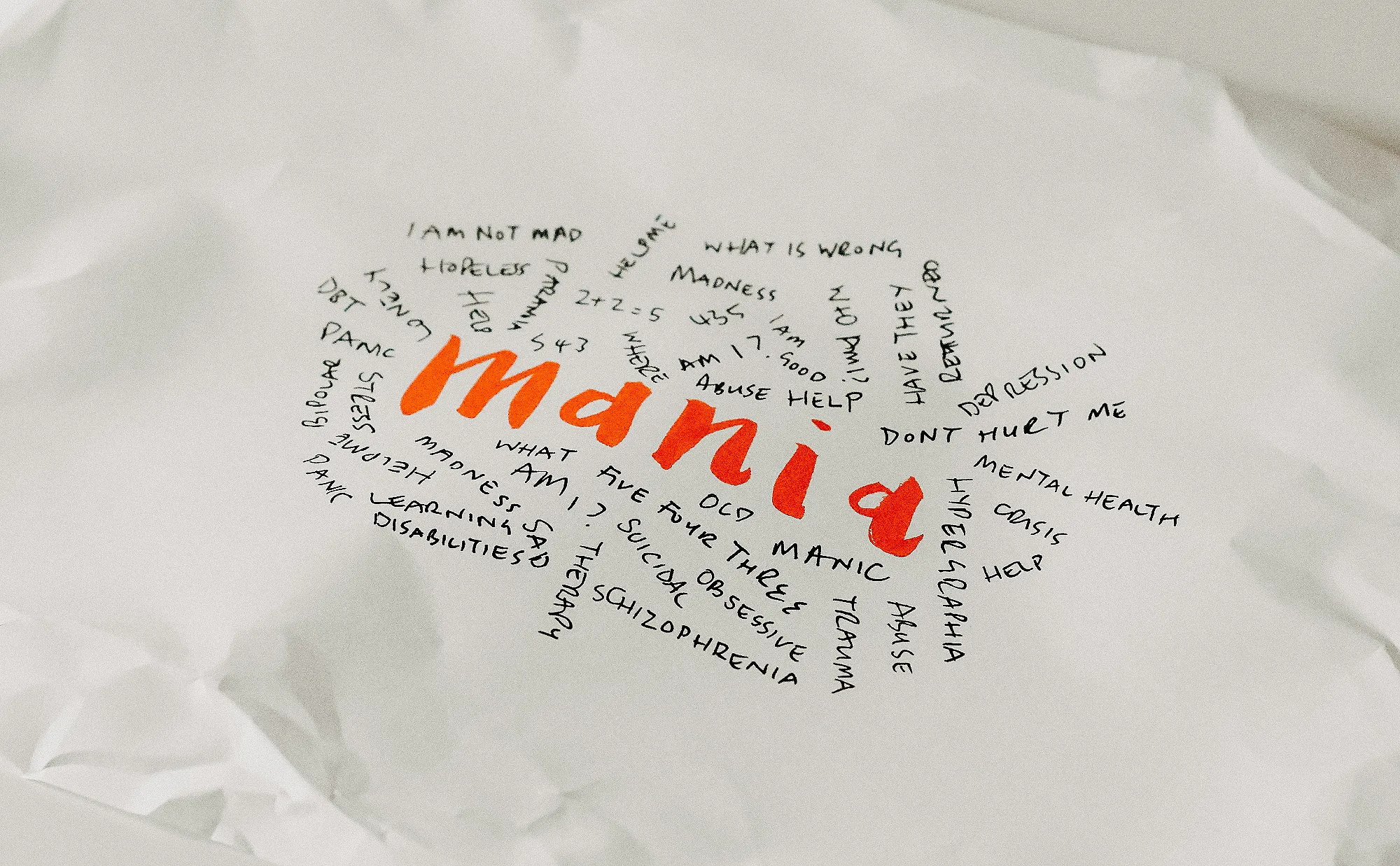
Signs your partner might be in a manic/hypomanic episode
- They are suddenly full of energy, they take on more projects and commitments.
- They might sleep a lot less, skip meals, but appear to have endless energy.
- They become incredibly confident, charming, believing that they are exceptional, talented, smart, beautiful, even god-like.
- They might be more sexual and engage in risky sexual behavior.
- They become impulsive, making decisions quickly without considering risks and implications. Compulsive or impulsive buying is also a common sign of mania.
Signs your partner might be in a depressive episode
- They are tired even if they rest a lot.
- They withdraw from you and other connections. One Redditor described dating a bipolar man: “…he goes thru depressive episodes where he pulls away from me.”
- They become anxious and apathetic. The things that used to excite them no longer matter, the projects they started start collecting dust, they cancel plans.
- They are consumed by feelings of hopelessness, sadness, and low self-esteem.
- They are reluctant and slow to make decisions.
- Your sex life might take a hit.
Getting a professional diagnosis matters a lot when trying to understand your partner. Certain symptoms, commonly associated with bipolar, can be a sign of a different disorder (for example, people with Borderline Personality Disorder (BPD) have a higher chance of being misdiagnosed as bipolar). It might be tempting to stick a label on someone who has put you through emotional turmoil but try to not diagnose your partner. It shifts focus from communicating what is actually bothering you to putting your partner into a neat “bipolar” box, where they might not actually belong.
Find Mental Health Support for Your Goals

 Italy
Italy 

 London, United Kingdom
 Private psychotherapy and counselling offering in-person sessions in Notting Hill and Central London and remote sessions in English and Portuguese.
Common challenges when dating someone with bipolar
Emotional unpredictability & trust
Everyone deserves to be with a partner who is safe and loving. Part of that safety comes from being able to rely on them to work towards shared goals and trust that their love is consistent. Being in a relationship with someone who has bipolar can sometimes feel like the rug is being constantly pulled from under you. One day they are ready to conquer the world together, they are passionate, showering you with care and attention. The next they collapse. And you… you can feel like you are just there holding the pieces.
Communicating issues
Be it a manic or depressive phase, it can be hard for both partners to communicate difficulties during an episode. The partner with bipolar might not have the bandwidth to address grievances with love and grace. The non-bipolar partner might feel like they are walking on eggshells while being unable to address their own needs. “I’m too afraid to say anything” seems to be a shared sentiment in online communities.
The emotional toll on the non-bipolar partner
Being the “stable one” comes with an assumption that you are better equipped to handle your partner’s changing mood than they can handle yours. But what about your needs? Partners of bipolar people often report burnout as they take on a caregiver role and the emotional regulation of two people.
Shared responsibilities and planning a future together
Like any committed relationship when you love each other, you start sharing responsibilities and strategizing for the future. Yes, we are individuals first, but sharing a life comes with an added layer of “us”. Dating someone with bipolar disorder complicates this layer, as your partner might not be able to contribute to the shared goals with the same vigor and they might even have a negative effect on your life and health.
The stigma and lack of support
The world is becoming more and more accepting of mental disorders and neurodivergence, yet, there is still work to be done here. There can still be internal and external stigma associated with bipolar disorder. The person with bipolar and their immediate family might choose to keep the diagnosis to themselves, thus cutting off the possibility of getting the additional support from their extended social circle.

Not a curse, but an opportunity
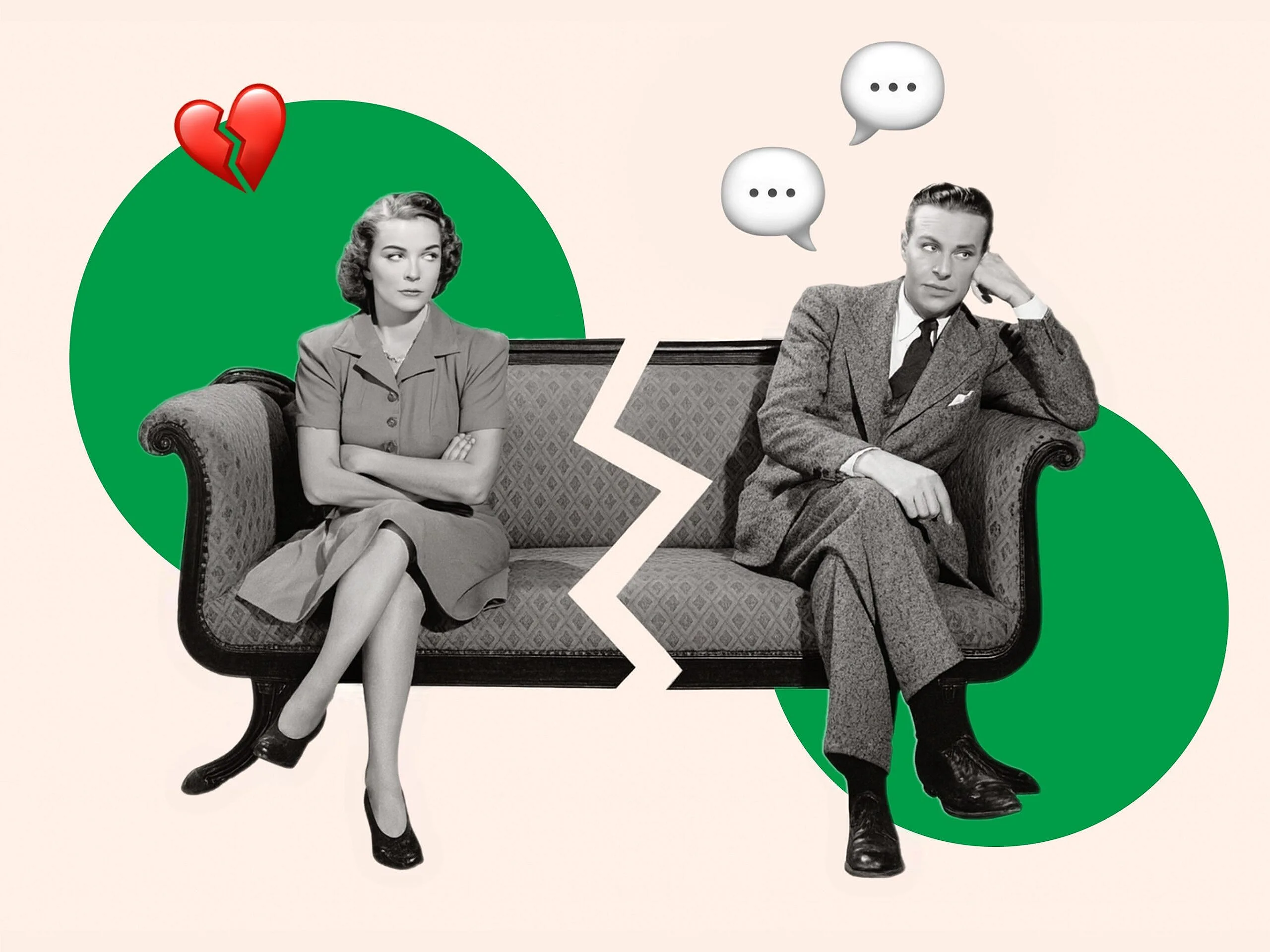
In some ways having a bipolar partner can be a total win. Loving each other through a range of emotional states creates depth and empathy. By being able to reach those high highs your partner can introduce great creativity and passion into your life. Instead of seeing bipolar symptoms as purely destructive you can find the excitement and introspection — using both to alchemize a better, more fulfilling future.
A person who knows they are not quite like everyone else has a lot more self-awareness, especially if they are in treatment. Being in such a relationship gives you an opportunity to be more honest about yourself than you’ve ever been. You won’t be able to cruise on by hoping things will just fall into place automatically. Real emotional growth comes from digging deeper, bringing to the surface all the unspoken expectations, and really questioning why you think and feel a certain way.
The more the two of you choose to walk towards each other rather than drifting further apart, the more resilience you build as a couple. An episode stops being a horrible shock and turns into a predictable wave, just another part of the person you love.
It is very important to remember that while dating a person with bipolar can definitely bring all of those positive things into your life, it doesn’t justify real harm. Suffering from bipolar disorder is not a justification for verbal, physical, emotional, or any other kind of abuse.
How to support a partner with bipolar without losing yourself
Educate yourself
The first thing you can do after finding out your partner has a bipolar diagnosis is to educate yourself on the topic. There is a lot of misinformation and fear mongering out there, so it’s best to consult only the most credible resources such as WHO and the National Institute of Mental Health (NIMH).
Communication, not assumptions
Once you have researched bipolar it can be tempting to assume you already understand what your partner is going through. However, they lived through their unique experience and should be treated as an authority on their own life. You will learn a lot more about your loved one’s history, triggers, symptoms, warning signs, and needs by being curious and asking directly.
Watch out for signs that outside support is needed
If your partner is living with bipolar and functions well — it is amazing, and the best thing you can do in this case is to continue to be curious, supportive, and loving. However, if you are observing their symptoms worsening over time and there are repeated relationship crises — it might be time to consider outside help.
The role of therapy and treatment
Psychiatric care, i.e. medication, is the first-line treatment recommended for bipolar. It often takes time to find the exact combination that is the most effective for a particular case, which can include the mood stabilizers, atypical antipsychotics, and antidepressants.
Evidence-based psychotherapies (individual therapy) seem to be an effective addition to pharmacotherapy for treatment of bipolar disorder. It has the potential to improve medication adherence, address possible PTSD, and address issues with access to psychotherapeutic care.
Research indicates that Family Focused Therapy can reduce depressive and manic symptoms in the bipolar partner and significantly decrease depressive symptoms in the caregiver partner. Couples therapy seems to be underrepresented in existing research, however it can still be of great value due to its positive effect on relationship satisfaction and communication skills.
Make an emergency plan
You should both know that a bipolar diagnosis is usually for life but predictability and routine can help a great deal. Whilst a major episode might not happen during the course of your relationship especially if they’re on a good regime before you meet, it will serve you well to work out an emergency plan just in case. This plan should be a collaboration between the two of you and might include involving family members, ensuring you are the medical proxy, saving the contact information of your partner’s psychiatrist, or any other step that you find reasonable and helpful.
Encouraging treatment and healthy routine
As a partner your support in seeking treatment and maintaining a healthy routine can be extremely valuable. A healthy routine which can benefit you and your whole family might well include consistent bed and wake times, regular meal times, eating together and planned regular exercise. However, it is worth stating that there is a fine line between showing your support and turning into a caretaker. Unless your loved one is in real need of safeguarding or caretaking it is best to respect their autonomy and trust their judgment regarding their treatment plan. Your role is to be support their healthy choices and not be a barrier to treatment and stability.
Choose Therapy to Support Your Relationship

 Portugal
 My business is building the next-generation healing ecosystem — powered by the BioPsyche Renewal Protocol — combining neuroscience, psychology, biohacking and spiritual intelligence to redefine how people heal and evolve.

 Spain
Spain Setting healthy boundaries in the relationship
Having healthy boundaries is extremely important in all relationships but even more so in relationships where one or both partners are suffering from mental health issues. It helps to prevent caregiver burnout (as one partner takes on the brunt of emotional and household work) and dependency, maintains respect and independence, helps to reduce resentment if one partner tends to self-abandon. Having those concrete boundaries is what creates a stable relationship environment that ensures long-term success.
Examples of healthy boundaries
- Financial limits if your partner tends to spend excessively during manic episodes
- Emotional boundaries in depression (such as not assuming responsibility for another’s mood)
- No playing therapist, but being there to listen
- Limits on reassurance loops*, as it can feed rumination and worsen symptoms
- Respecting your own personal routine; not abandoning your life to take care of your partner
- Having safe boundaries against emotional abuse and hostility. For example, not staying in a conversation that is shifting into insults, blame or threat.
A reassurance loop occurs when one partner repeatedly asks for reassurance (“Do you still love me?”, “Are you sure you’re not angry at me?”) and the other partner provides it, but the anxious feelings return shortly after, creating a cycle. While reassurance feels helpful initially, it can actually reinforce anxiety and rumination rather than resolve the underlying concern. This is particularly problematic during depressive episodes when the bipolar partner may struggle with low self-esteem and excessive self-doubt.
Boundaries keep people safe. A boundary is not an ultimatum, it is not a punishment, and it still leaves the other person free to do as they wish. Everyone has autonomy to stay or not stay in certain situations, to tolerate or not tolerate certain behaviours. In this sense a boundary is simply a truth about your behaviors put into words. That’s why it is so important to be consistent not only in communicating your boundary but also in living it. As scary as it is, boundaries can sometimes lead to people separating; but they can also lead to finding stability by being consistent with your actions and honest about what you are willing and not willing to accept.
Building a healthy, long-term relationship
- Remember that while your partner is responsible for themselves, you are both contributing to the living environment and relationship stability. It takes mutual effort to make sure both of you have the resources needed to take care of your individual needs.
- Being together and especially living together means creating effective routines that support stability. Routines are essential for bipolar presentations as they help to minimize triggers and establish a foundation for a faster return to “normal”.
- When it comes to bipolar we know that manic/hypomanic and depressive episodes will happen, so sit down and plan for these episodes together. Consider what resources you both need, what accommodations can help to minimize volatility, what early signs are there to give you a head start.
- Celebrate progress! Maybe it’s medication that helps with fewer side effects, maybe it’s telling your partner’s parents about the diagnosis and them accepting it with love. Find joy in each and every success, center this positive experience, and let it be a building block towards an even better future.
- Accept that your relationship may look different from other people’s or from what you expected it to be. The more you let go of the imaginary the more you can live in the present moment. The reality in front of you can be as fulfilling or even more so than any fantasy your brain can conjure up.

Just because your partner has bipolar it does not mean that is all they are. They are a person first. A person with their unique traits, corny jokes, and cereal preferences the same as the rest of us! They are a person you love who just happens to have an illness. Your relationship might have its challenges, but it is definitely not doomed from the start.
Bipolar is a recurrent chronic disorder; its symptoms can be treated but the outcomes vary. You should know that “fixing it” is likely not possible, instead it is successful management of symptoms that is the goal of treatment. Being compassionate, keeping communication open, and working as a team to manage the episodes will be essential in your relationship.
Dating someone with bipolar has the potential to be the most fulfilling thing you ever do. Its success will hinge on both partners acknowledging the disorder, communicating openly, being realistic about management and outcomes, and the consistency of treatment. You are in it together to build a strong structure of love that can take the coming waves, just like a sea wall along a beautiful shoreline.
FAQ
 Expert Board Member
Bipolar is an often misunderstood mental health condition. Once diagnosed it becomes a chronic condition which people and their loved ones must learn to make room for. I firmly believe both personally and professionally that people deserve to be loved and that when partners are able to respond with care and compassion that it can help stabilize so many aspects of our lives. I am so pleased that articles like this exist to help cast an evidence based look at some of the insights about what can be the highs and additional challenges of dating someone with a bipolar presentation can involve.






 Gozo, Malta