Reading Navigation


This content is grounded in peer-reviewed research, clinical guidelines, and established best practices. Claims are reviewed for accuracy and transparency. Learn more about our evidence standards
What It Means To Be a Man: A Healthier Masculinity, With George Bell
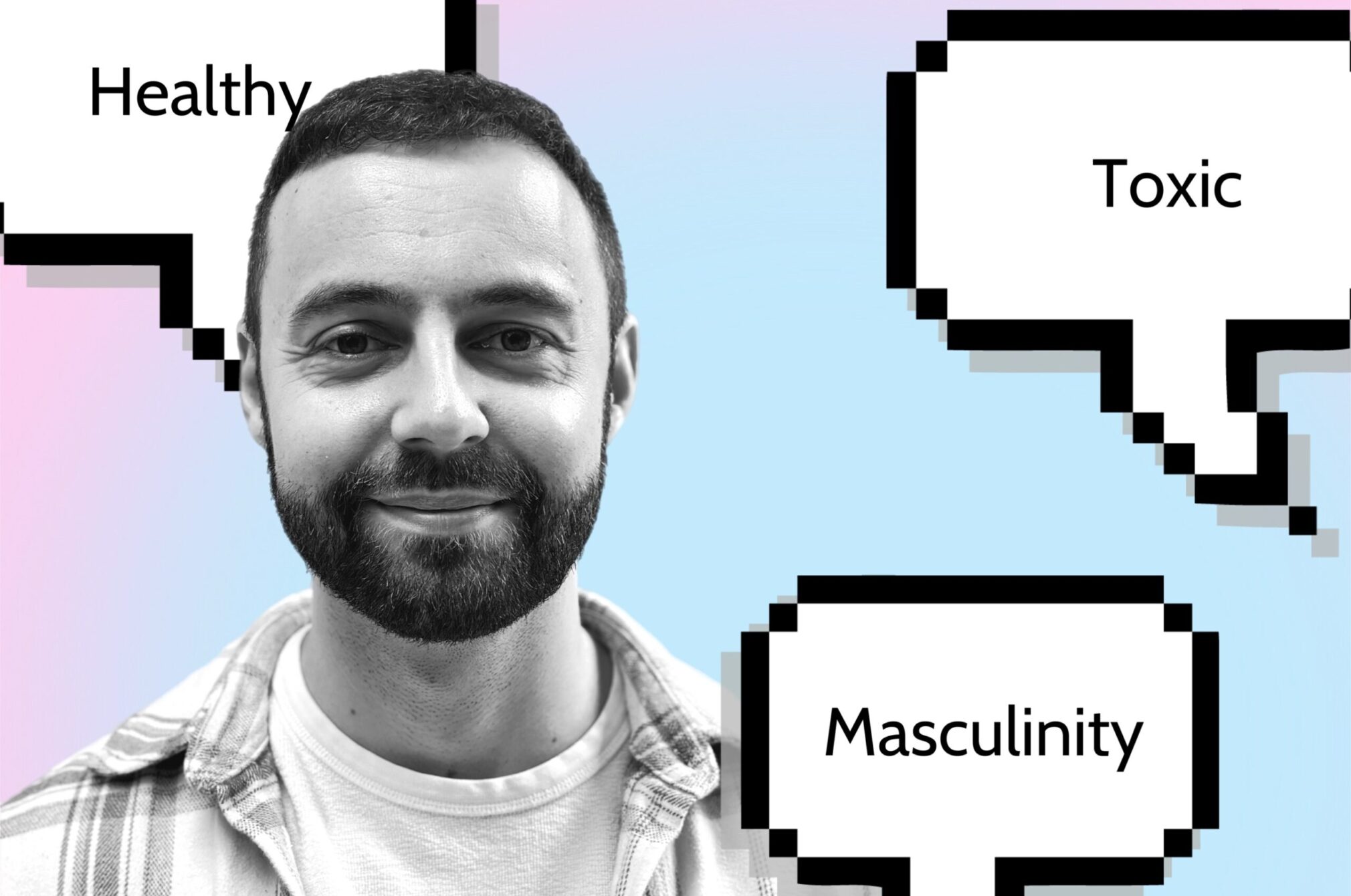
The conversation around masculinity has become divisive and explosive. It’s turned into a war of words. Some say we have a masculinity crisis, some say it’s always been in crisis. Others argue to “just leave men alone”, while others argue masculinity has become toxic and is in need of an overhaul.
Amid all this squabbling, very little progress is actually being made. Criticism rarely builds bridges and as these debates rage on, many men continue to struggle in silence. Movember Foundation has reported that, on average, a man dies by suicide roughly every minute somewhere around the globe. Despite all the awareness-raising in recent years, the UK male suicide rate remains at its highest level since 1999, as indicated by 2023 and 2024 death registrations1.
But it’s not only here where men are struggling. Men are at higher risk of premature death from a range of health challenges, they’re more likely to struggle with a substance use disorder, and there’s a silent loneliness epidemic brewing.
It’s clear that more needs to be done, and urgently.

What is Healthy Masculinity?
There’s no doubt that changes need to be made in boardrooms, classrooms, and governmental offices, but we also don’t have to wait to make personal changes. An important step in tackling this challenge is by fostering a healthier understanding of masculinity.
This isn’t about rejecting masculinity or shaming men for the qualities they value. Too often, this debate becomes “traditional masculinity” versus this “new” wave, but a truly healthy sense of masculinity finds a balance between the two sides.
Healthy masculinity is about finding a happy medium, recognising the need for resilience alongside vulnerability.
The traits and qualities most often associated with traditional masculinity — things like strength, resilience, providing, and protecting — are all noble qualities that many men value. Labelling them inherently “toxic” oversimplifies the issue and can be alienating to the men the conversation aims to support. At the same time, traits from the “newer wave” of masculinity — like compassion, empathy, emotional expression, and cooperation — have value too.
Healthy masculinity is about finding a happy medium between the two: recognising the need for resilience alongside vulnerability, understanding the need to be providers, but in more ways than just financial, and recognising times when others are better suited to provide for us.


Why Healthy Masculinity Matters
What we’re really talking about here is being human. Suppressing emotions and struggles might fit into the “traditional masculinity” code, but it does not align with the human one.
Traditional masculinity — while containing some noble traits — has an incredibly narrow lens, capturing perhaps only part of the human experience.
Emotions aren’t gender-specific; they’re universal. If men weren’t meant to experience emotional expression, evolution would likely have selected against it a long time ago.
For example, when a loved one passes away, we grieve because of the love we felt for that person. The more we love, the harder we grieve. Some of the traditional norms of masculinity encourage suppressing grief and sadness. While this might create the appearance of strength, it also involves suppressing the meaning that person held, and to what benefit?
By expanding masculinity into a fuller emotional spectrum, men can find more balance and be more present and well-rounded for their loved ones.
The Healthy Masculinity Checklist
While everyone’s definition of masculinity will be different and personal to them, I do believe there are some universally shared characteristics which make for a healthier version. Here’s the checklist, available exclusively to States of Mind subscribers: сlick here to subscribe to the newsletter.
While much of the discourse and statistics can paint a bleak picture, it isn’t all bad. Conversations are becoming more common from news articles about men’s hair transplants or issues surrounding fertility. For example, paternity leave laws are being re-examined and the UK government is aiming to build a specific men’s health strategy2.
Change is happening, but it’s our responsibility to enact change within our workplaces, homes, and ourselves. We simply have to start.
George Bell's book on masculinity and men’s mental health, “Be A Man About It”, is launching in January, available now for pre-order.
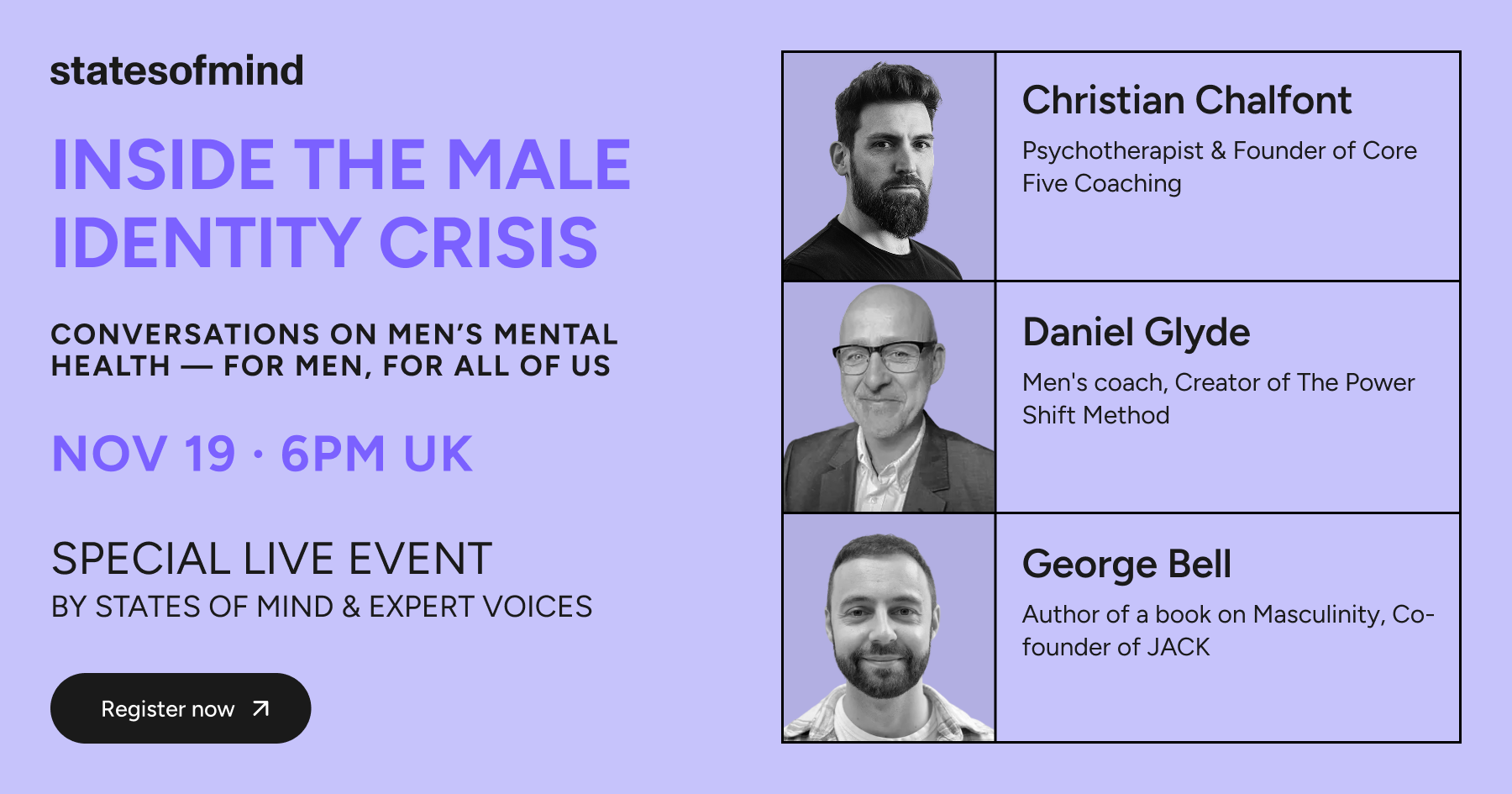
Explore A Healthier Masculinity with the Right Mental Health Support

 Netherlands
Tom Marshall is a psychological and psychosomatic counsellor based in Rotterdam.

 United Kingdom
 Integrative counselling and psychotherapy offering online and in-person sessions in Exeter for anxiety, depression, stress, and relationship issues.
 Expert Board Member
Gender norms are a key factor in the social determinants of health. In recent years, masculinity has become a hot topic, with debates over the “traditional” definition vs the “new” model that prioritizes a wider spectrum of characteristics and emotional expression. Traditional masculine norms have been associated with several negative health outcomes. This piece by George Bell offers a clear, nuanced explanation of these perspectives and highlights the need for a more balanced understanding of masculinity to support men’s health.







 Spain
Spain