Reading Navigation
This content is grounded in peer-reviewed research, clinical guidelines, and established best practices. Claims are reviewed for accuracy and transparency. Learn more about our evidence standards
More Followers, More Pressure: How to Stay Sane While Inspiring 300K People
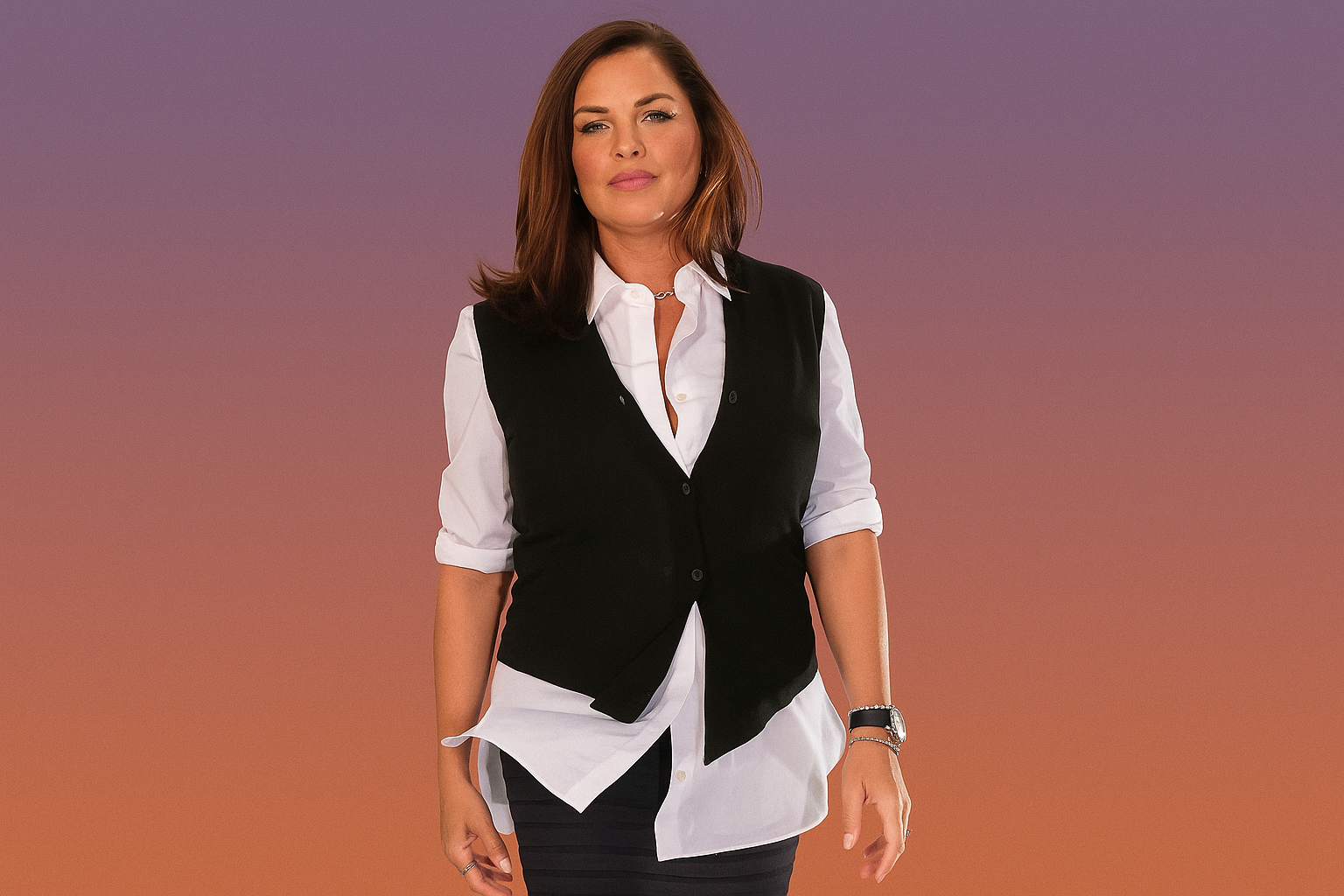
In today’s world, building a personal online brand can feel like a prerequisite for success. We present and perform, hoping to connect and craft communities. But digital connection has its costs, and behind every successful online influencer is a person trying to cope with the emotional toll of online visibility.
In just a few years, Leslie Dobson gathered over 300,000 followers and posted videos that hit over 100 million views. But with viral fame comes digital pressure.
In this interview with States of Mind, Dobson opens up about the toll of visibility, setting boundaries, and protecting your peace — even when the world is watching.
Supporting Your Own Wellness As An Influencer
Online influencers may look like they have perfect lives, but the pressure of being an online personality can take its toll on mental health.
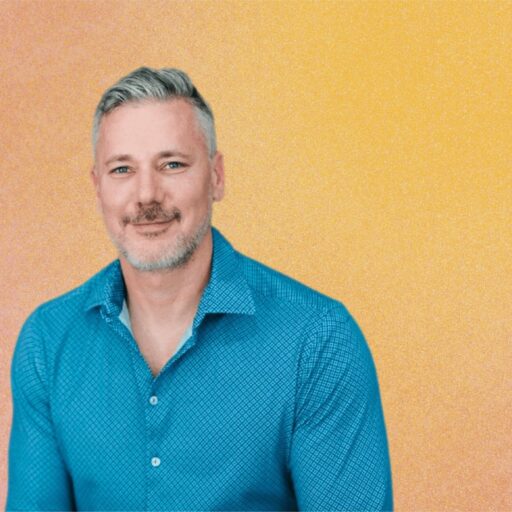
Clinical and forensic psychologist Dr. Leslie Dobson has been working in mental health for over 20 years. Beginning her career working in prisons with cartel members and gang leaders, Dobson has also worked with the Veterans Administration, learning trauma treatments and how to assess PTSD.
Today, Dobson brings her expertise into the courtroom and to social media, sharing content about her work and mental health.
“I started sharing what I was studying on social media less than two years ago. Each case I work on teaches me something new, so I thought, why not share it? The response was huge.
“But as my accounts grew, so did the pressure. My own self-care has become much more important.”
To make sure she is supporting her own mental health, Dobson explains she regularly checks in with herself.
“If I find that I’m caring more about something that isn’t actually part of my life, like celebrity lawsuits, politics, or social issues, I have to pull back. I also monitor my screen time and plan my content ahead.”
Planning content ahead can help take off some of the load on days when influencers and content creators are feeling overwhelmed, says Dobson.
The nature of the cases she takes on can take their own emotional toll. “I only take on cases that align with my moral compass. It has to have a purpose — I want to be able to explain what I do to my eight-year-old with pride and feel that it matters.”
Dobson says that people assume influencers are always well, but that’s not always the case.
“When influencers “crash out” emotionally, people are shocked to see it. I think it’s good that some people online are showing real emotion — as there’s a huge misconception that influencers are invincible. Even though I don’t necessarily think we should post breakdowns online.”
Online Threats and Harassment
Even those with 20 million followers and PR teams struggle, says Dobson, facing constant messages, hate, and even inappropriate content can be overwhelming.
Dobson has experienced this personally, receiving death threats when one of her videos went viral with over 100 million shares.
“I actually had a hit put out on me when I was working in the prison system, that’s why I left working inside. I was pregnant at the time, and they were threatening my baby. It was terrifying.
“Some threats I have received online are also terrifying — people saying they wanted to kill me and my children. I work in an office where the FBI occasionally conducts evaluations, so I handed over the threats.
“They traced one of them to a man living in the woods in Oregon. He didn’t have the means to act, thankfully, but still, it shows the reality.”
I journal, I check in with friends and family, and I never use social media as therapy.
Understanding what are real threats can make a big difference to an influencer’s wellness, and taking the real threats seriously can ensure safety and security.
“I have physical security because of my visibility. I live in a gated community, I’ve taken protection training, and I’m licensed to carry (a firearm). But I also investigate threats. It’s not about intimidation — it’s about accountability.
“If someone keeps making new accounts after being blocked, that’s a red flag. Sometimes it’s worth reporting to the police. Protecting yourself online requires the same awareness as protecting yourself in person.”
There’s a huge misconception that influencers are invincible.
People in the public eye, whether celebrities or influencers, are human too, and are not immune to online bullying and harassment. In recent years, there have been cases of suicides linked to this type of harassment.
Creators need to protect their mental health from this kind of cyber-bullying and harassment, says Dobson.
“Having something to look forward to keeps you grounded. I journal, I check in with friends and family, and I never use social media as therapy. I also have an amazing therapist.
“I maintain boundaries, so if I need to disappear for a while, I will. Doing social media means you’re giving yourself to strangers. It’s invasive and intimate, so you need to know where you end and where they begin.”
Comparison Is The Thief Of Joy
Alongside bullying, threats, and the pressure to keep up with constant content creation, online influencers may also experience the negative mental health impacts of comparison.
Views, followers and brand deals — the field is a competitive space that demands people to keep up.
Dobson says that many creators feel down when their content doesn’t perform, but that “often it’s just algorithms or censorship.”
“There can even be organised smear campaigns, bots flooding comment sections with negativity to shadowban people. You can often tell because the accounts are fake or newly made. But still, it can hurt your confidence.”
Dobson suggests good ways to combat this include therapy and implementing boundaries.
“When I feel low or lost, I step away completely. I’ll spend time with my children — watching them draw with chalk, reading Dr Seuss books (Theodor Seuss, the American writer and illustrator known for children’s books like “The Cat in the Hat” and “How the Grinch Stole Christmas!”). My four-year-old can’t really read yet, but he memorises the pages, and my eight-year-old corrects him and laughs.
“Those moments ground me. And, if social media starts to affect my mood, I switch it off and focus on what’s real.”
 Expert Board Member
This interview shows what life with a large online audience actually feels like and shows the real psychological toll of constant visibility. Dr. Leslie Dobson offers clear, practical ways creators can protect their mental health, from setting boundaries and assessing threats to reconnecting with ordinary moments or real life.