Reading Navigation

The Rise of Mushroom Drinks: From Lion’s Mane Tea to Lemon Tek
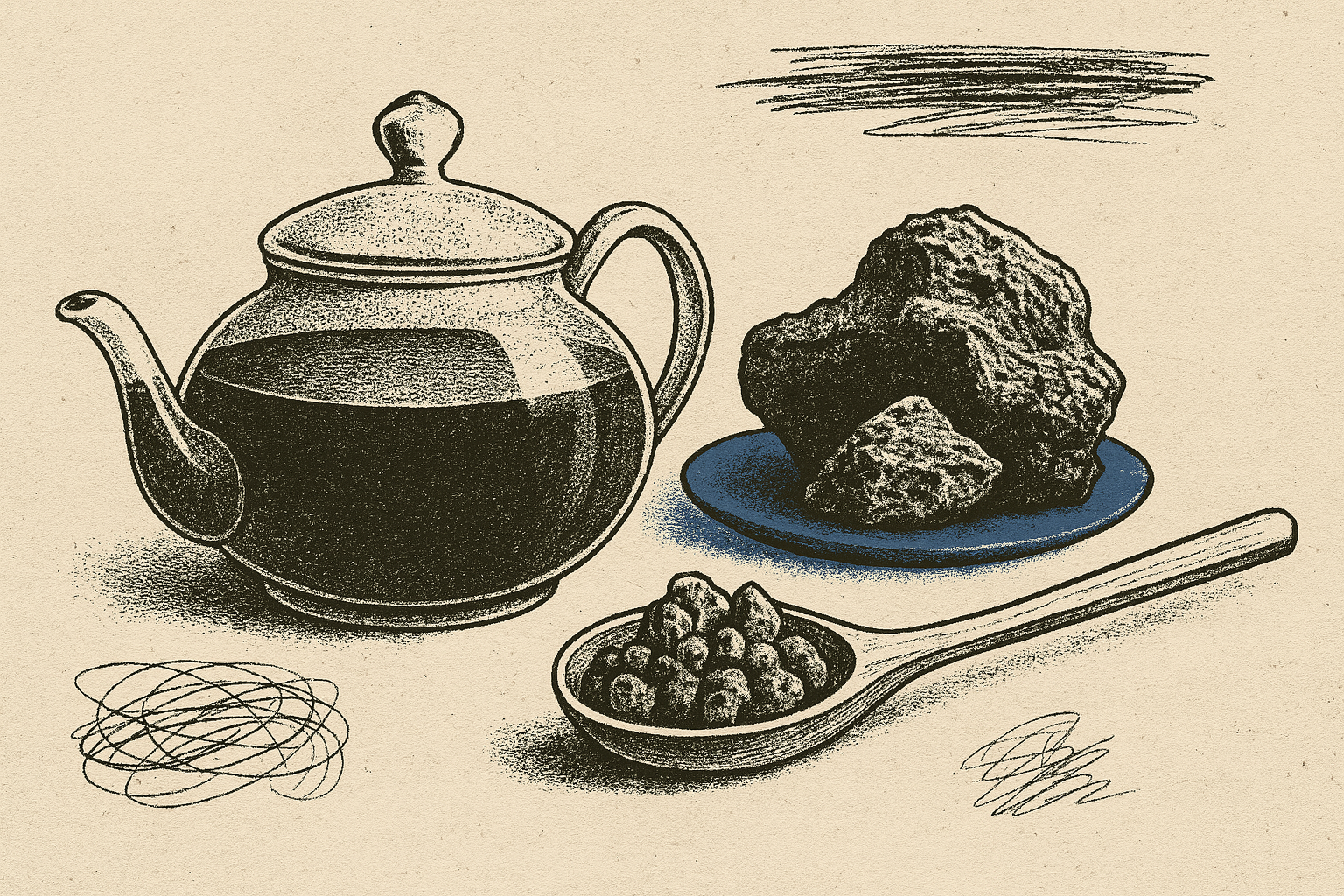
From wellness blogs on Reddit to fancy cafés in Japan, mushroom drinks are emerging as a surprising global trend. Unlike coffee or matcha, this drink blends ancient tradition with modern science. Now people are discovering what local cultures have known for centuries: certain mushrooms can be powerful allies for mental and physical health. But what exactly is mushroom tea, why are people drinking it, and what does the research say?

The Most Popular Mushrooms in Teas and Infusions
Most of today’s mushroom beverages spotlight not just familiar functional fungi like chaga, reishi, and lion’s mane, but also increasingly popular psilocybin varieties — especially in microdose-friendly forms like magic truffles. Psychedelic mushrooms are often dried, sliced, or ground into powder and then brewed as a drink, with lemon, lime, or honey added to soften the taste and ease digestion.
Meanwhile, psilocybin is getting more scientific attention: clinical trials are offering promising data on its use for depression treatment, and Germany recently became the first EU country to approve its compassionate use for depression treatment.
Psilocybin Tea Effects and Expectations
This drink is psychoactive and can produce shifts in perception, mood changes, and in some cases, mystical-type experiences. Unlike functional mushroom teas for focus or energy, psilocybin effects may include:
- heightened sensory perception and an altered sense of time
- strong mood changes, ranging from euphoria to anxiety
- introspective or spiritual experiences
- “oceanic self-boundlessness”1 — a different sense of self, feeling of no personal boundaries, and unity with the universe..
Because raw psilocybin mushrooms can cause stomach upset, many people brew them as tea to make the experience gentler on digestion and faster-acting. Another option to prepare magic shrooms is lemon tek, a method of soaking the mushrooms in lemon juice.
How to Brew and Drink Mushroom Tea
“Lemon juice, fresh chopped ginger (better than powdered), mint tea bag, maybe a drop of vanilla if you’re feeling fancy,” as one of Reddit users shared his favourite recipe. Ingredients may vary based on taste preferences, local products, and trip expectations. But the basic process of how to make psilocybin mushroom tea is simple:
- Chop or grind dried mushrooms.
- Steep in hot (not boiling) water for 10–20 minutes.
- Strain and drink.
This preparation tends to produce effects more quickly than eating mushrooms raw, with a duration of about 4–6 hours depending on dose and body chemistry. On the other hand, some like it gentle — as in this Reddit user story told exclusively for States Of Mind:
I used to make mushroom tea without lemon juice. When I did that, I would eat the whole mushroom bodies. That is a slower, longer trip, which can be just what you want. When you eat the mushrooms, your body needs to digest and metabolize them, so it takes a while for the psilocin to get absorbed in the first place.
The user explained that when mushrooms are ground finely and mixed with lemon juice, the process essentially infuses the tea. Because liquids are absorbed much faster, the body skips part of the normal metabolism, resulting in a trip that begins quickly and feels more intense.
The most convenient option for simple consumption is mushroom tea powder, or even ready-made mushroom tea blends. They are usually measured and designed to help users manage the trip comfortably.
Psilocybin + Citrus = Lemon Tek
One of the most discussed methods of mushroom tea is lemon tek. This involves soaking chopped or powdered psilocybin mushrooms in fresh lemon or lime juice for 15–20 minutes before drinking them as a shot. The acidity of the lemon is thought to convert psilocybin into psilocin — the active compound — which leads to:
- faster onset of effects (sometimes within 20 minutes)
- shorter but more intense psychedelic experience
- reduced nausea compared to raw mushrooms
Recipes vary, but common approaches include straining the mixture and drinking the infused lemon juice or combining it with tea to improve taste. Some users describe lemon tek as “cleaner” and more energetic, although not everyone agrees.
I feel lemon tek is overrated. I’d rather make tea or eat magic mushrooms ground up in a little bit of honey.
“Lemon tek shortens the trip: there’s hardly any come-up, so your trip doesn’t go gradually. It just starts and goes to max without an intro — to me, it’s a waste of experience,” wrote Redditor @flexout_dispatch in a personal response to States Of Mind Team.
According to other user, there are also a lot of comments about chugging mushrooms with Gatorade or orange juice. “I tried that and it’s awful. It reminds me of teenage drinking when you would drink the nastiest stuff just to get high”.
Magic vs Functional Mushrooms
Not all mushrooms are for sautéing or psychedelic trips. While magic mushrooms contain a psilocybin compound that alter perception and mood, other shrooms — like chaga and reishi — are non-psychoactive. And that’s the crucial distinction between the two. The overlap in terminology often leads regular tea recipe readers to threads about magic mushroom tea and a popular lemon tek.
Functional mushrooms are a specific category of fungi that provide health benefits beyond basic nutrition. They don’t contain hallucinogens but unique active compounds to support body systems and fit into daily wellness routines. Many enthusiasts report that such mushroom tea has benefits like focus, energy, and relaxation. However, these effects vary widely from person to person, and most scientific studies are still early-stage.
The Big Three of functional shrooms are chaga, reishi, and lion’s mane — traditionally used in folk medicine across Asia, Europe, and Siberia. Today, they are rebranded as “adaptogens” or “nutraceuticals,” meaning 2they support2 the body’s well-being without acting like pharmaceuticals.
Chaga, Reishi, and Lion’s Mane Health Benefits
Research on mushroom teas is growing fast. Clinical studies suggest3 functional mushrooms may influence mood, cognition, and immune health. Here are the key findings from recent research:
- Chaga mushroom: Rich in antioxidants, may reduce stress and support gut health. Besides stress relievers, chaga’s components (like triterpenoid, lupeol, lanosterol) are known as anticancer, anti-inflammatory, and antiviral.
- Reishi mushroom: Sometimes called the “mushroom of immortality”, it’s known for immune modulation and stress reduction2. Communities have used reishi to promote well-being and longevity since ancient times in traditional Chinese medicine. Now it’s widely used as an adjuvant in the treatment of various types of cancer.
- Lion’s mane: Contains compounds that stimulate nerve growth and support memory,4protect against memory loss (including Alzheimer’s‑like damage), and help nerve repair and recovery. It even shows potential for easing mild anxiety and depression, and may benefit gut, heart, immune, and metabolic health — though human studies remain limited.
Taken together, these findings outline mushroom tea benefits — from gut health to brain function, but results are still preliminary.
Mushroom Drinks Make a Difference
Regardless of the psychedelic nature, mushroom tea is a functional beverage at its core. Science supports some health benefits — like stress relief, focus, and memory — but usually hype still runs ahead of evidence.
Whether you’re exploring the careful ritual of psychedelic mushrooms, experimenting with lemon tek, or brewing reishi tea for calm, the drink reflects something bigger: our search for new meaning, moderate healing, and “back to the roots” connection in a rapidly changing world.