Reading Navigation


This content is grounded in peer-reviewed research, clinical guidelines, and established best practices. Claims are reviewed for accuracy and transparency. Learn more about our evidence standards
The Healing Power of Play: How Recreation Can Improve Mental Health
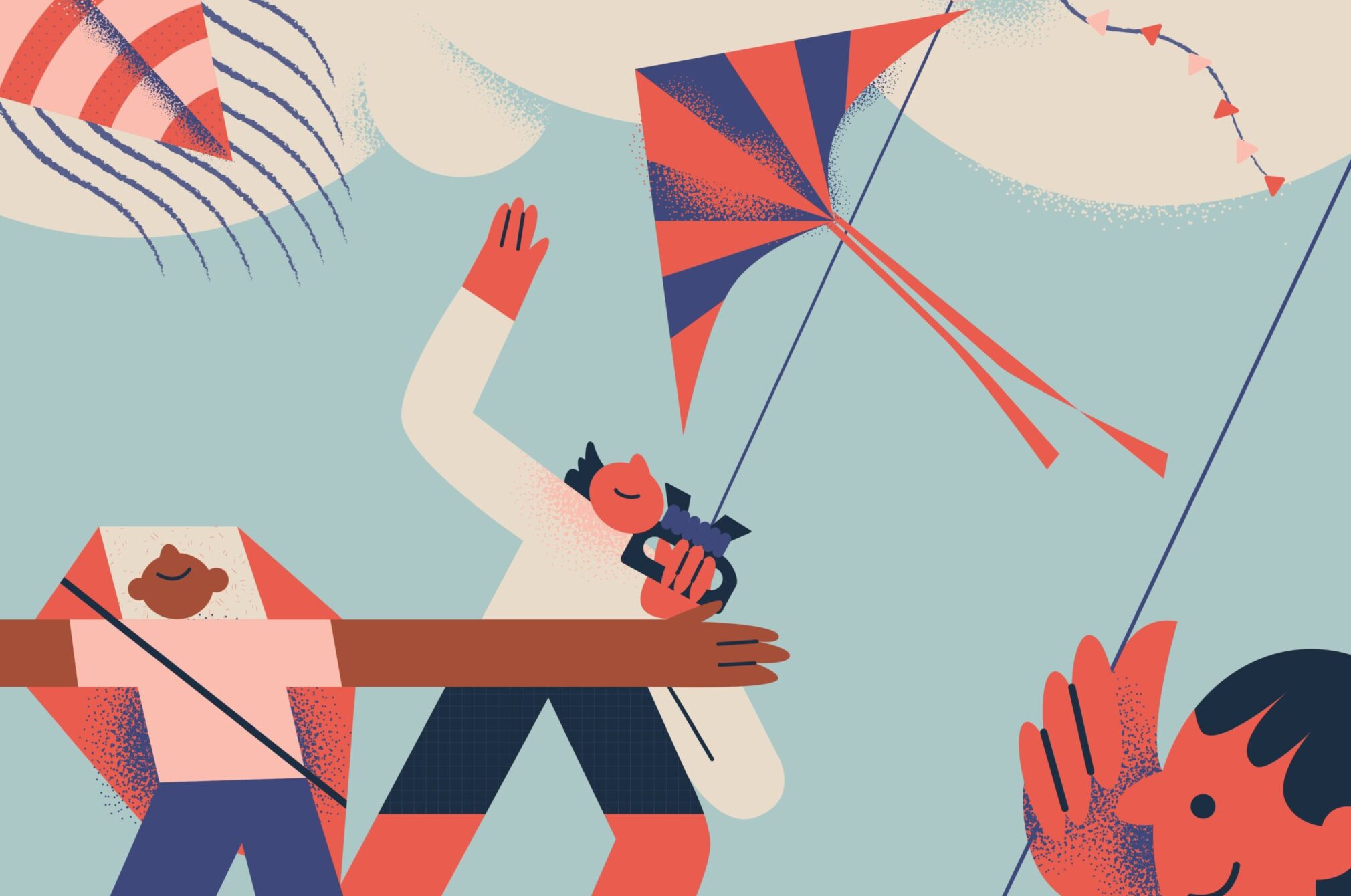
Play is recognized as a vital component of children’s development in their early years, helping to promote cognition, language development, social relation, and self-regulation skills.
As children get older, they begin to play less, and by the time we’re adults, play is a small feature of our lives, if at all.
While there is limited research on the benefits of play for adult wellbeing, a number of studies have indicated that adult playfulness has important benefits.
The National Institute of Play, founded by Dr. Stuart Brown, is working to champion the benefits of play for adults and helping play to gain recognition as a public health necessity, alongside sleep or nutrition.
Mia Sundstrom, Director for Play Transformation, emphasizes that three aspects of wellbeing are involved in play: cognitive, emotional and social health.

The Play in Our Brains
Research shows that multiple brain areas1 are involved with play including areas such as the prefrontal cortex and the amygdala.
Natural in-built systems in the body — such as dopamine, serotonin, noradrenaline, endocannabinoid and opioid systems — are also involved, which play a role in regulating pleasure and motivation.
Science shows that mammals, including humans, need play when they are young in order to develop vital skills that will support them throughout their life.
In particular, “rough and tumble” play, or play fighting, has been shown to help rats develop social skills2. Research shows this kind of play fighting is also important for human children, who use perceptual, motor and social skills3 when engaging in this behavior.
Play helps us connect with others. Shared play engages brain systems for mirroring and attunement, helping us build bonds that support trust, community and belonging.
Interestingly, one study found that in rats without a cortex overall playfulness was comparable with control mice (with intact cortex), however was simpler and structurally different — indicating that fundamental aspects of play behaviour depend largely on subcortical circuits, rather than neocortex.
“It is biologically hardwired into the most ancient part of our brains from birth until death,” says Mia.
“That is the piece our societies as a whole are missing. Play transcends languages, cultures and ages.”
Further research on rough and tumble play reveals that the practice can increase BDNF4 — brain-derived neurotrophic factor — a protein that supports neuroplasticity by survival, differentiation and creating new neurons in the brain.
“That is the basis of learning and long-term cognitive health,” says Mia.
There are also positive impacts on stress. Evidence from animal studies5 suggests that social play can modify amygdala functioning and contribute to less extreme stress reactivity over time.
“So we see things through creativity, freedom, risk-taking and spontaneity rather than emotional defensiveness. These aspects are difficult to access as adults, given the external pressures to act and achieve in certain ways. Yet our learning, emotional wellbeing and healthy socialisation are still grounded in play.”

Adult Play For Wellbeing
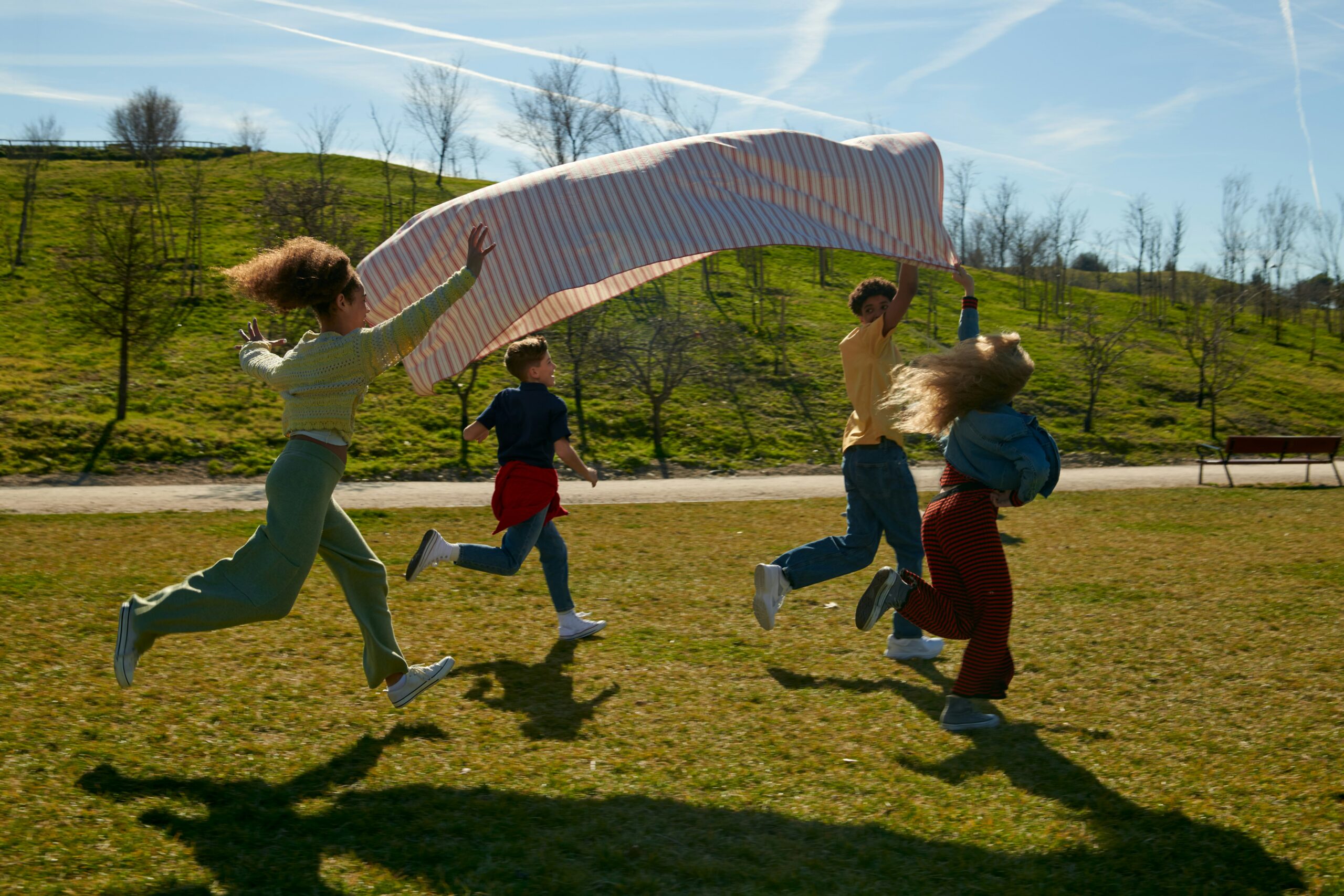
Adult play can be any process or practice that incorporates social or physical activity, creativity and imagination.
From art, crafts and music to sports, leisure or group activities, engaging in tasks that stimulate our sense of playfulness and curiosity can promote connection, joy, resilience and emotional regulation.
For example, a study found6 that recreational games can bring measurable psychological benefits for older adults, boosting happiness and life satisfaction while reducing emotional and social loneliness. Another international study by the Oxford Internet Institute found that video games tend to have a positive, mood-lifting effect, with 72% of players experiencing improved mood during the play session.
Another study investigating physical activity7 for mental health found a number of beneficial outcomes including improved mental health, self-esteem, body image, resilience, and social connection, as well as improvements in physical health, pain and fatigue.
“We like to say play is a mental health lever hiding in plain sight. Everyone has the capacity to play, it is simply waiting to be triggered,” says Lauren Sundstrom, Dr. Stuart Brown’s youngest daughter, and strategic advisor at the National Institute for Play.
“As adults, with responsibilities, we forget. Part of what we are doing is helping people understand that play is not frivolous or just for children. It is a very effective mental health tool.”
Play is viewed as the opposite of work or learning, when in fact it enhances both. It sustains creativity and innovation.
Mia emphasizes that play does not work in isolation to fix deep or complex mental health issues, but it should be seen as part of a broader supportive environment.
“Play calms the amygdala. It is practice for life,” says Mia.
“Through play we practice failing and trying again. We practice taking risks when our stress would normally hold us back.
“In a safe environment, we build those skills so we can draw on them when real challenges arise. Whether you are running up a mountain or playing a board game, losing is not the end of the world.
“Play, seemingly done for no purpose, is practice for resilience, courage, creativity and all the character strengths needed for mental health.”
Overcoming Barriers To Play
In today’s society that is structured around production, finding time to play as an adult can be difficult.
Mia and Lauren highlight that researcher Peter Gray points to the Protestant Reformation in the 16th century, which promoted the moral virtue of work and cast play as sinful.
“Then capitalism, with its focus on production and consumption, reinforced success as output and achievement,” says Mia.
“In this framework, play seems unproductive, so it is pushed out of adult life.” The only notable exception to this rule may be video and mobile games, which tend to drive higher profits.
Mia says this way of thinking today is extending to children, with parents feeling pressure to schedule and prepare them for the competitive world.
“Play is viewed as the opposite of work or learning, when in fact it enhances both. It sustains creativity and innovation, which are essential in the 21st century,” says Mia.
Work can be playful, life can be playful. It is about keeping that playful attitude. If you do that, you will find unexpected opportunities for joy that lift your mood and your life.
“The first step is helping people understand it is okay to prioritize play. Once they have permission, it is easier to reintroduce.”
To do this the National Institute for Play suggests reconnecting with our “play personality”.
“Everyone has a unique play personality, like a fingerprint, and it evolves over time,” says Mia.
“For some it is art, for others movement or collecting. Whatever sparks play, start with five minutes, then ten, then thirty, adding it back slowly and without pressure.”
The Future of Play in Healthcare
As research highlights the benefits of play for adult mental health, could play become a part of the future of healthcare?
In the US in 2018, pediatricians and doctors began prescribing play for children to support both physical and mental health, and the National Institute for Play is now working to help integrate play into healthcare for adults.
“We have discussed adding questions about joy and play into medical intake forms, encouraging patients to reflect on what brought them joy as children,” says Lauren.
“It becomes part of a holistic picture of health. The important question is how we can reintegrate play into systems like education and healthcare, where it has been neglected. If we can embed play into these structures, it becomes something we live and breathe. That is the goal.”
To incorporate play into healthcare, Lauren explains that two routes can be taken: curricular and co-curricular.
Mia says that curricular involves playful pedagogy in classrooms and hands-on learning, and co-curricular involves programming that invites students into spaces of play, helping them to reconnect with their play nature.
Lauren says: “There is a famous quote that I always come back to: the opposite of play is not work, the opposite of play is depression.
Mia adds: “We describe play as an alternate state of being that takes you out of time and space.
“It evokes joy and awe, and it is done voluntarily for its own sake, not for an outcome. That is what makes it powerful for the brain.”
In 2026, the National Institute for Play will be hosting the Playposium event in the UK to bring the science of play back into education and beyond, recognizing it as a powerful tool for learning and mental health.
 Expert Board Member
The opposite of play is depression” – indeed. This resonates with Marie Åsberg’s “exhaustion funnel,” a model from Karolinska Institutet, Sweden that shows how a person’s life narrows as stress and exhaustion increase. The first things people let go of are the nourishing, joyful activities – including play – while work and obligations remain. In that sense, the disappearance of play is an early warning sign of emotional exhaustion and burnout.