Reading Navigation


This content is grounded in peer-reviewed research, clinical guidelines, and established best practices. Claims are reviewed for accuracy and transparency. Learn more about our evidence standards
Depression Therapists in the UK: Find the Best Match for Your Therapy Needs

Depression is a common mental health condition, affecting more than 5%1 of adults worldwide. People with depression often report feeling sad, irritable or empty, and may lose interest in normal activities, sometimes for a long time. This can affect many aspects of life, including relationships, work and school.
Treatment for depression is1 available, including both medications and psychological treatments, like psychotherapy. So, if you live with depression, you may be interested in finding a specialist who can support you on the road to recovery.
This article includes a list of vetted depression specialists in the UK to help you find the perfect match for your needs. It will also show you how to find someone with the skills, qualifications and experience to support you with your own personal depression recovery.

Choosing The Right Specialist Matters If You Live With Depression
There is strong evidence2 that talking therapy is clinically effective and helpful. Many studies have shown that working with a therapist can have a long-term positive impact, including for people with depression.
Research2 also shows that the relationship you form with your therapist is key to success. In fact, the therapist-client relationship might be one of the most important parts of therapy. Yet, there is no single best therapist or psychiatrist.
Instead, the best provider depends on your individual needs. Who you are and what you want really matter when looking for a trusted provider to help you with symptoms of depression.
Finding Therapists for Depression in the UK
How To Select Depression Specialists
You might want to know how these specialists made it onto our list of the best depression therapists practicing in the UK right now.
To select therapists for the list, we looked at:
- professional qualifications and licenses
- how many years of experience they have treating depression
- their areas of specialisation, such as experience in major depressive disorder3, postnatal depression4 or treatment-resistant depression5
- how they work with their patients (online or in person)
- how long you might have to wait for a session
- their use of evidence-based approaches
- and ethical standards and professional affiliations.
A Vetted List of Therapists for Depression in the UK
Below is a list of some qualified therapists for depression in the UK. While there are countless potential therapists in the UK, the below healthcare providers have passed States of Mind’s verification process.
Kathy is a relational psychotherapist who offers integrative psychotherapy, yoga therapy and psychedelic-experience preparation and integration. She honours the complexity of human experience with her approach to psychotherapy.
Tanyia Hughes is a psychotherapist who combines traditional psychotherapy models, including Eye Movement Desensitisation and Reprocessing (EMDR), with relational depth, intuition and holistic support for emotional healing, trauma recovery and personal growth. She works from the quiet sanctuary of a garden on the Dorset coast, holding space for individuals who are ready to move beyond ‘traditional therapy talk’.
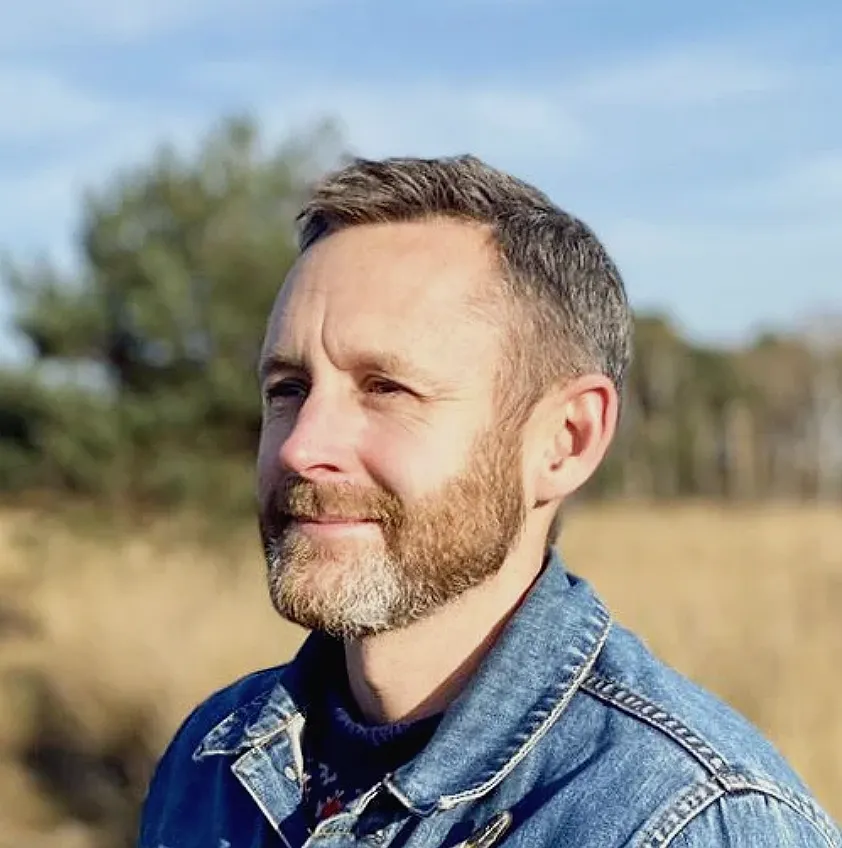
Adrian is a counsellor and psychotherapist who works with an integrative, embodied relationship approach. He incorporates elements of mindfulness, somatic-oriented work (Focusing), Cognitive Behavioural Therapy (CBT), existential, and psychodynamic therapies. He also offers outdoor “walk-and-talk” sessions in natural settings.
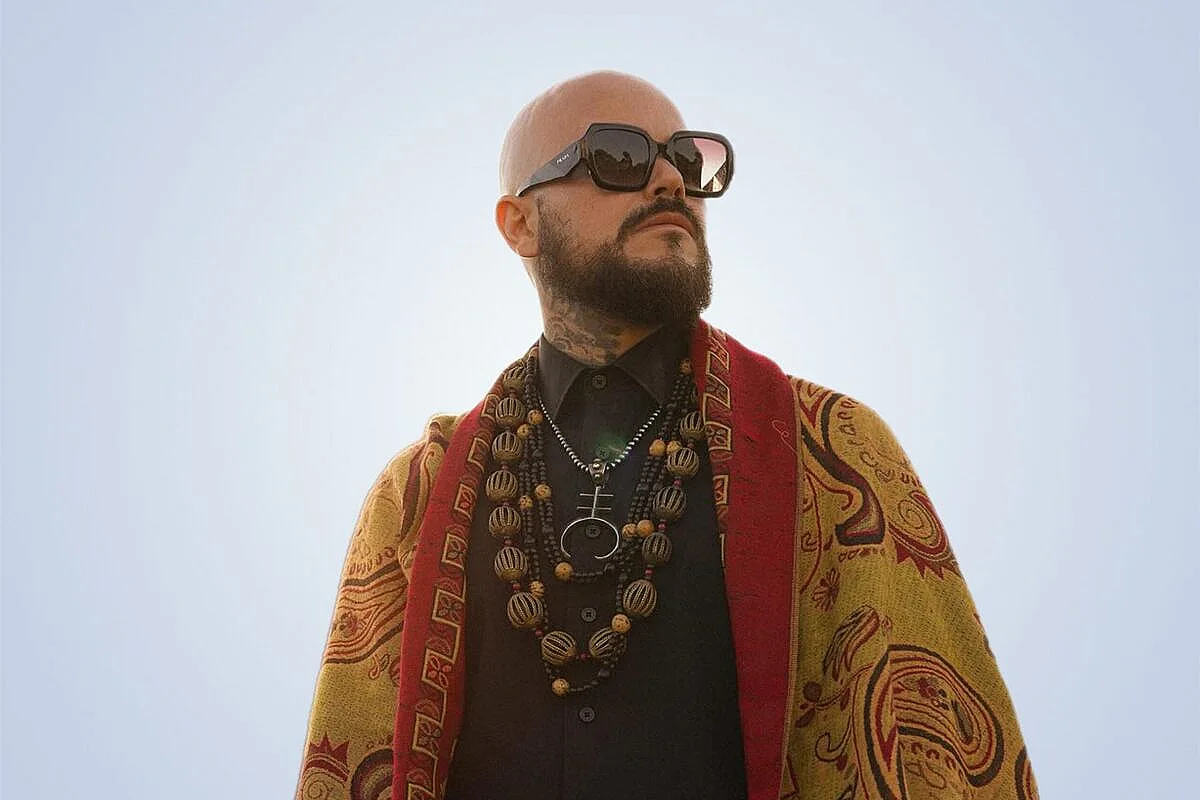
Viviane is a psychotherapist who facilitates individual and group therapy sessions in London and online. Working with people across diverse cultural backgrounds, she tailors each person’s therapy for a range of emotional and psychological issues. She specialises in intercultural therapy, psychedelic preparation and integration, and personal development coaching.

Gemma is an integrative psychotherapeutic counsellor who offers psychotherapy to both adults and teenagers with a flexible, person-centred approach. She draws on a range of approaches, including talking therapy, creative interventions, somatic awareness, and eco-psychotherapy. She also provides specialist support to people who wish to explore experiences arising from expanded states of consciousness.
Francesca is an integrative psychotherapist, hypnotherapist and couple’s therapist who offers online and in-person therapy. Her approach is person-centred, compassionate and tailored to the individual. She incorporates humanistic, psychodynamic, hypno-psychotherapeutic and experiential methods.
Alasdair offers shadow work, counselling and experiential deep process psychotherapy. He offers long-form sessions of 3 to 5 hours, combining techniques to help people bring unconscious patterns, limiting beliefs and stuck emotions into awareness.
Patricia is a psychotherapist who offers Core Process Psychotherapy, a mindfulness-based depth approach that engages the whole person — mind, body and spirit — to explore personal experience and the causes of emotional suffering.
* This list is for information purposes only and should not be considered a substitute for medical advice. If you are experiencing severe symptoms of depression or suicidal thoughts, contact a medical professional straight away. Or call the Samaritans on 123.

** It is possible to find free treatments in the UK via the NHS or voluntary sector services. The above list is for private practice therapists verified with States of Mind.
How To Choose the Right Depression Specialist for You
The therapists on this list of depression specialists in the UK are all unique, just like each person with depression.
Each therapist has their own qualifications and experiences. Each will use different techniques or approaches with their clients. All aim to tailor their approach to the individual and the challenges they are experiencing.
Some work online, others in person. Some use movement techniques like walking therapy or yoga. Others use creative therapies.
One provider may be just right for your needs, while another may not. That is ok. Comfort, communication and trust between you and your therapist are important. So, before you decide whether to work with a therapist, you might want to ask these questions:
- What kind of therapeutic techniques and approaches do you use?
- Where would we meet? Online or in person?
- Do you have experience treating people with experiences or symptoms like mine?
- When could we start working together?
- How long do you normally work with your patients?
- Do you work with individuals, or couples, or both?
- Do you work with children or young people?
- Are you professionally regulated?
- Do you have professional indemnity insurance?
- Do you receive regular clinical supervision?
Some therapists even offer a free first session or consultation, so you can test the relationship before committing to a more long-term arrangement. And remember, if something does not feel right in the therapeutic relationship, it is alright to discuss this with them or find someone new.
Find Support To Match Your Needs

 Gozo, Malta
Evidence‑based ketamine‑assisted psychotherapy retreat Hive Bio on Malta.

 Netherlands
 For people with little time who want a private all-round solution to return to aliveness.
Therapist vs Psychiatrist: What’s the Difference?
If you are searching for someone to support you with depression, you may come across different job titles, including psychotherapist and psychiatrist. It is important to know the difference between these mental health professionals.
Psychiatrists are doctors who have been medically qualified and then specialise in the field called psychiatry. That is the study of mental health problems, including how they are diagnosed, treated and prevented. They may work in hospitals, clinics or in the person’s home, sometimes over long periods of time.
Therapists, or psychotherapists, work with people individually or in groups to help overcome emotional challenges, relationship problems, stress and more. There are many different therapeutic approaches (as shown in the list above), including:
- CBT
- Trauma Therapy
- Clinical Psychologist
- Counselling Psychologist
- EMDR practitioner
- Psychodynamic therapy
- Art or play therapy
- Hypnotherapy
- Family therapy
Sometimes, psychiatrists will have further training in providing therapy.
Do I Need A Therapist Or A Psychiatrist?
So, what kind of mental health professional should you look for to support your depression recovery?
It is important to note that if you are struggling to keep yourself or someone else safe that you reach out to your GP, local mental health team or psychiatrist.
If risk is not high for you clinically it is likely you might be a good fit to access treatment via a clinician such as a qualified regulated psychologist, CBT therapist, Psychiatric nurse, or therapist.
While medication is not always required and often talk therapies can have good results, sometimes if someone is incredibly flat or hopeless then prescribed medication can elevate mood states enough to engage well with therapy and activities of daily living such as cooking, self care and exercise. If medication is likely to help with your symptoms then this would be discussed with you either via your GP, Nurse Prescriber or Psychiatrist.


Conclusion
Life with depression can be hard, but we are here to remind you that help is out there. With the right support, tailored to you, recovery is possible. You can explore and address symptoms of depression, even when you feel lost or hopeless.
Lists like this one are a great starting point to find a suitable specialist for depression.
Please remember that internet advice is no replacement for individualised medical care.
First and foremost, if you are experiencing severe symptoms or suicidal thoughts, please seek help straight away from a medical professional. You can call NHS 111 or Samaritans on 123. Help is available right now.
If you are living with depression, why not start by searching this list of vetted therapists today. It could be the first step in your road to depression recovery.
FAQ
Find Support To Match Your Needs

 United Kingdom
 Integrative counselling and psychotherapy offering online and in-person sessions in Exeter for anxiety, depression, stress, and relationship issues.
 United Kingdom
 Psychedelic integration and psychosynthesis coach in London offering trauma-informed preparation and integration sessions to translate psychedelic experiences into lasting change.
 Expert Board Member
Depression can be incredibly debilitating but even severe episodes can be treated and life can feel enjoyable and hope-filled once more. There is no shame in accessing mental health treatment and support, and many people tell me it’s the best thing they’ve ever done and they wish they’d done it years ago. Learning skills to be kinder to yourself and work through the factors which have led to you feeling so low can be transformational.