Reading Navigation
This content is grounded in peer-reviewed research, clinical guidelines, and established best practices. Claims are reviewed for accuracy and transparency. Learn more about our evidence standards
What Really Happens at a Men’s Retreat?
Men are in crisis. Suicide, social anxiety, social isolation. It’s in the news. It’s in the pages of this publication.
We’re at a crossroads of compelling narratives and realities. The social reckoning of the #MeToo movement is still fresh in our minds, with work still left to be done; and now, suddenly, men’s issues are on the front page. Throw in podcast bros, and toxic male gurus, and an internet culture that focuses on extremes…
So, what do you think of when you hear people talk about a men’s retreat?
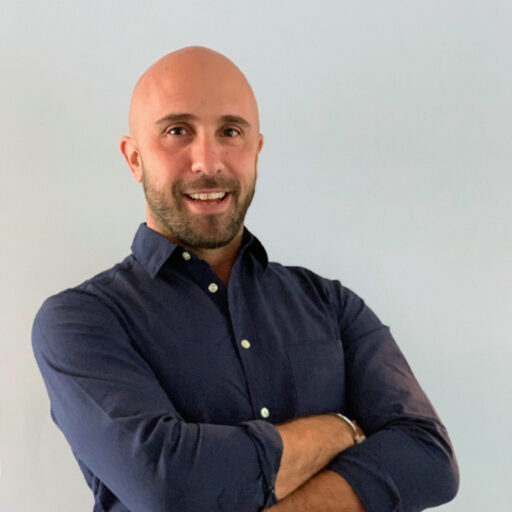
States of Mind spoke with Alexander Cottle, founder of The Unmasked Man, to get a look into what really happens at a men’s retreat — and the deep emotional work happening behind the noise.

What really goes on at a men’s retreat?
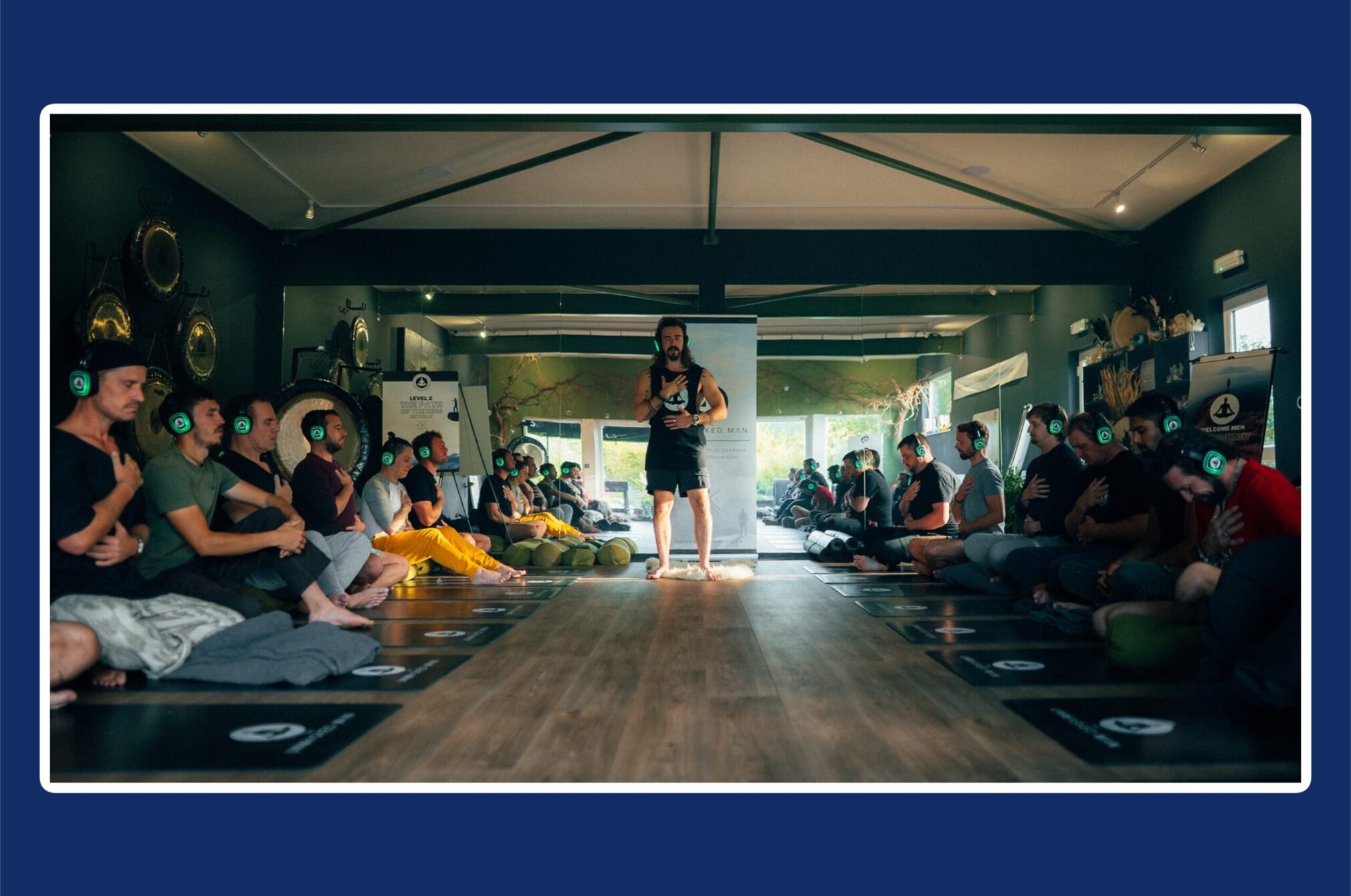
I can only speak from our offering at the Unmasked Man. There are many other entry-level men’s retreats, men gathering together, doing a bit of breath work, sharing, doing some ice baths. These are popping up more and more and it gives an opportunity for men to share, and to feel that they are not alone, to build brotherhood, to build connection.
At our men’s retreats, we allow you to really step into sovereignty work. Deep shadow work. To expose the parts denied, suppressed, or deemed unacceptable to yourself or by society.
There’s a big scope and a big variety of what can be achieved at a men’s retreat. But one way to describe it is taking men from boy psychology to man psychology. Moving from reaction to responding. Growing, and emotional maturity, and healing deep childhood trauma.

How did you personally end up doing this work with men? What brought you here?
I was a chameleon man. I was a nice guy. I was being puppeteered in my job. And I was like: how high do you want me to jump? How far? What do you want me to do? Splitting myself in four or five, six ways. Chasing money, alcohol, cocaine. And at 27 years old, I had a stroke.
I was coming back from work, New York and Los Angeles, in an office just off Fifth Avenue, and in my hotel I felt this pain down my left hand side. That’s where I lost all complete function of my left side and had to call an ambulance, dragging myself across the bed, like this wounded animal.
That was really the start of everything, realizing that I was broken. I was not following my truth. I’d been lying to myself deeply. It was incredibly dark that period. I tried to take my own life. I self-medicated through alcohol, trying to manage my anxiety symptoms in the aftermath, heavily medicated by prescription drugs.
Eventually it led me to a more spiritual inquiry, looking for and sitting with teachers all around the world. And I started to inquire more of an Eastern way of thinking rather than a Western way of thinking. Taoism and yoga and plant medicines and different holistic ways of healing.
And then men’s work found me in 2017 — and I just knew that was me ready to lean into serving men and taking my wound and turning it into light.
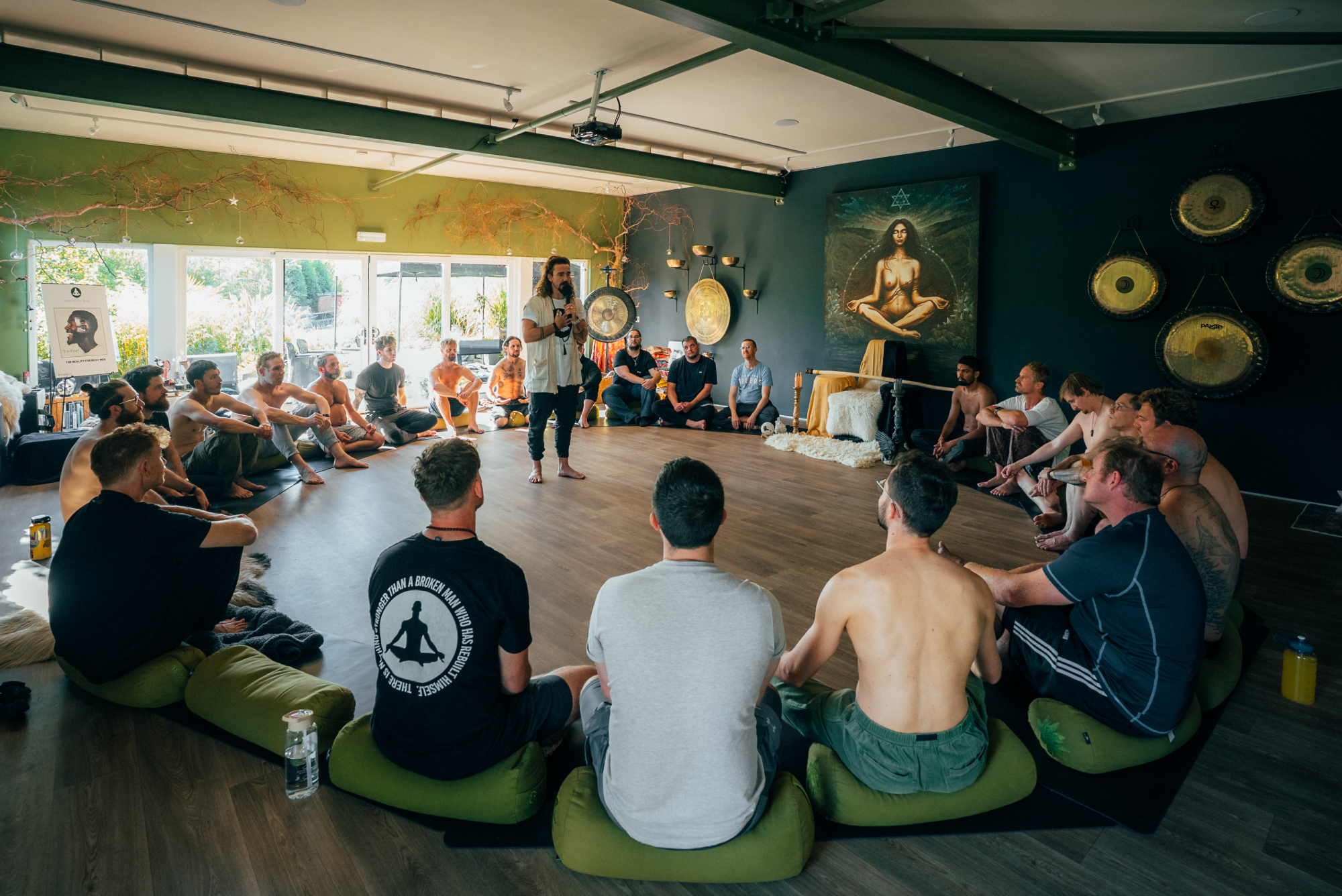
Who shows up to a men’s retreat? What kinds of men are walking through the door?
Men arrive at this path inquiring into a men’s retreat — or “men’s work” in general — because they realize there’s a fracture inside of themselves. They’ve become so lost they need to inquire deeper and look under that rock they’ve been terrified to look under for many years.
Many have been losing themselves in drugs, alcohol, trying to become someone their father or mother wanted them to become. The father wound is huge in men’s work. Not really living the life they wanted or chose to live because they never really had sovereignty over themselves.
Sometimes men come because the feminine parts of their lives have put it in front of them. Maybe they’re in a relationship and the woman has risen up. She’s gone on a journey of her own and she’s calling the man to rise alongside her. That happens a lot.
Some men come as a last resort. We try not to do that. We tell them that we’re here to help men grow, that we’re a men’s wellness organization, not a crisis unit. But some men have walked through the door, not been fully honest. And then afterwards say “you saved my life”.
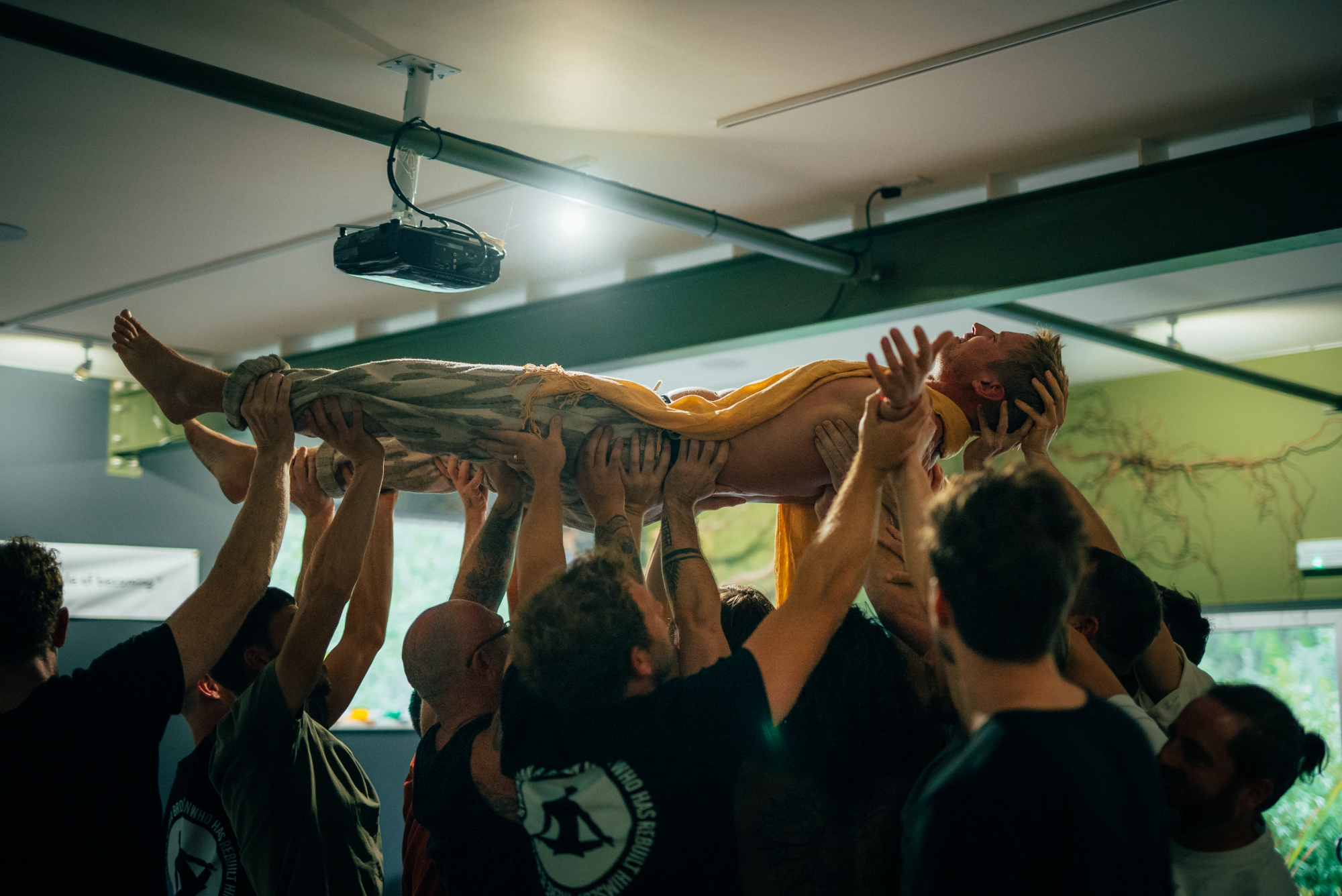
What’s the biggest reluctance or barrier you see in those early stages?
Most of us in the western world live through our minds, not our hearts. So that’s the biggest barrier first and foremost. We have stories, stories that we overlay onto everything. We have judgments, and judgments are the biggest things that stop us from learning, from taking information in and from trusting ourselves.
We work with a lot of men that are incredibly intellectual, but it’s their intellect that’s caused them a lot of pain and suffering because they’re living from the head up. They disconnected from the body so many years ago, probably because of trauma. And I have deep compassion for that man because he realized the body wasn’t safe.
Maybe he was physically abused, sexually abused or bullied or didn’t know how to navigate his own anger. So he suppressed it and he decided to live in the head. This is what we see generally in the men of today. Very intellectual, very head-driven. So we need to move him from his head into his body, we need to work and break down those judgments because those judgments have become a prison for him.
He deeply wants to free himself from that. He just doesn’t know how, or hasn’t met the right mentor or guide.
You say “vulnerability is courage.” What does that look like in real men you work with?
I think it means calling out the shadow. Calling out that you’re going to have judgment, but who are you behind the judgment? Who are you behind the mask? Who are you if you relax into the body and start to soften?
If you take your arms away, you start to open the body, you start to meet this man and realize that the man in front of you has suffered incredible pain. Just like you. He’s probably been bullied. He’s probably been rejected. He’s probably been abandoned. He’s probably felt lost somewhere along the way. And you can suddenly open your heart with more compassion.
I’ve worked with Royal Marine Commandos, ex-soldiers suffering from great PTSD. I’ve worked with bodybuilders. I’ve worked with the strongest physical men that look the toughest possible. And they’ve been there deeply in their grief, in their anger, in their fear. And if men like that can do it — any man can do it.
It’s not soft to be vulnerable.
For more in-depth conversations on men's health, see States of Mind's discussion on redefining masculinity
Choose the Type of Support That Matches Your Need

 Gozo, Malta
Evidence‑based ketamine‑assisted psychotherapy retreat Hive Bio on Malta.
 Portugal
 Berlin, Germany
 Expert Board Member
Western culture has lost the initiatory rituals that turn boys into men. 'Men’s work' is a collective effort to fill that void, providing the space to process emotion and the tools to show up as better husbands, fathers, and leaders. It is a vital antidote to the modern mental health crisis.




 Hamilton, United Kingdom
 Netherlands